A knock sensor detects abnormal engine vibrations caused by detonation and helps the engine computer protect performance and prevent damage.
In the United States, modern gasoline vehicles rely on electronic engine management systems to meet performance, fuel economy, and emissions requirements. One of the most important components in that system is the knock sensor, which helps the engine operate safely under changing driving conditions.
If you are wondering what is a knock sensor, it is a vibration-sensitive device mounted on or near the engine block. It listens for abnormal combustion events known as engine knock or detonation and sends information to the engine control module, allowing ignition timing and other parameters to be adjusted before serious engine damage occurs.
Source: toolsweek.com
What Is a Knock Sensor?
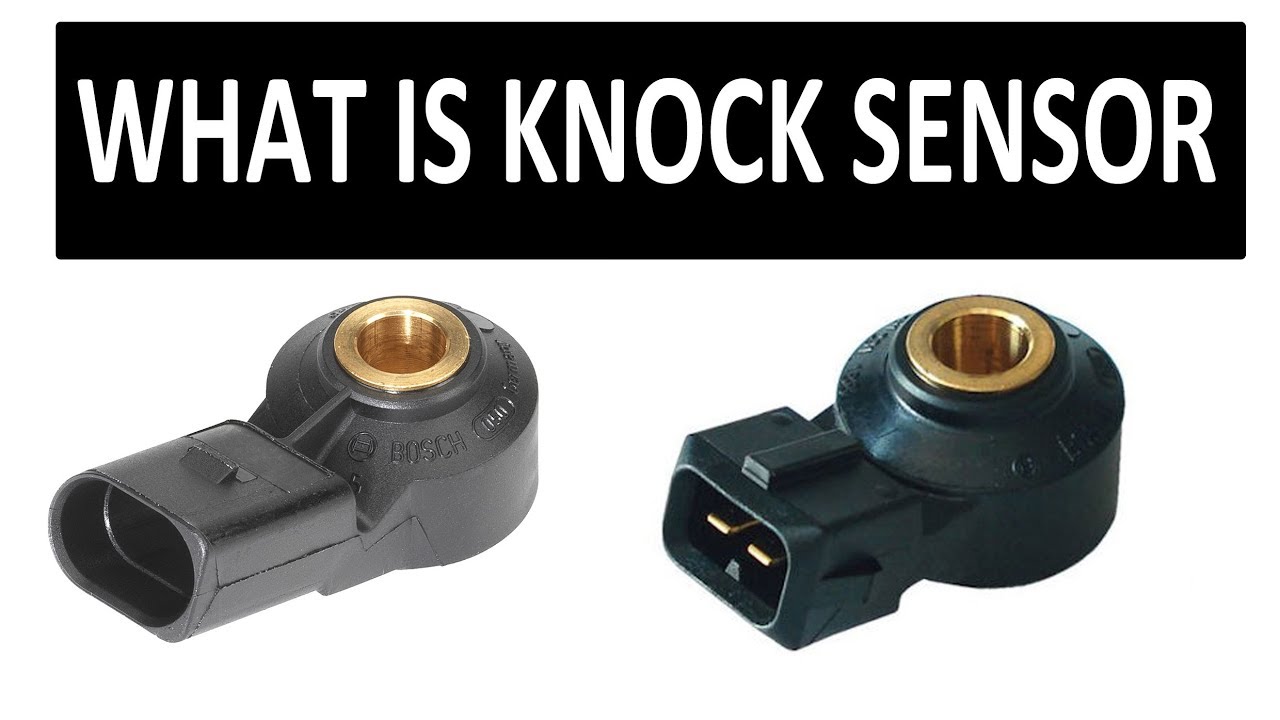
A knock sensor is an electronic sensor designed to detect vibrations caused by engine knock, detonation, or pre-ignition. These events occur when the air-fuel mixture ignites improperly inside the combustion chamber.
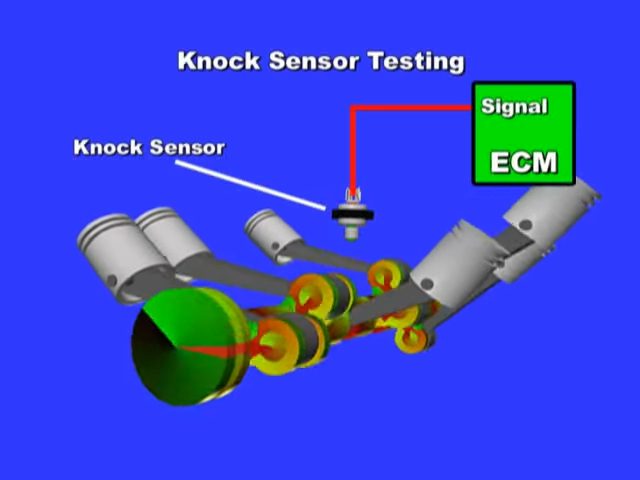
The sensor converts vibration energy into an electrical signal. The engine control module analyzes that signal and adjusts ignition timing to reduce harmful combustion conditions.
Source: images.cars.com
Primary Function
Detect abnormal combustion vibrations before they cause engine damage.
Communication
Sends electrical signals to the engine control module for corrective action.
Why Engine Knock Matters
Engine knock creates intense pressure spikes inside the cylinders. Repeated knocking can damage pistons, cylinder heads, bearings, and other internal engine components.
Performance Impact
Uncontrolled knock reduces engine efficiency and reliability.
How Does a Knock Sensor Work?
Most knock sensors use piezoelectric materials that generate voltage when subjected to vibration. The sensor is tuned to recognize vibration frequencies commonly associated with engine knock.
When abnormal combustion occurs, the sensor detects the vibration pattern and transmits a signal to the engine control module. The module can then retard ignition timing or make other adjustments to protect the engine.
Source: i.ytimg.com
Detection
Identifies specific vibration frequencies associated with detonation.
Correction
Allows the engine computer to adjust timing and reduce knock.
The Role of the Engine Control Module
The engine control module continuously processes data from the knock sensor. This real-time monitoring helps maintain power while preventing excessive combustion pressure.
Adaptive Control
The system adjusts engine operation based on sensor feedback.
Where Is the Knock Sensor Located?
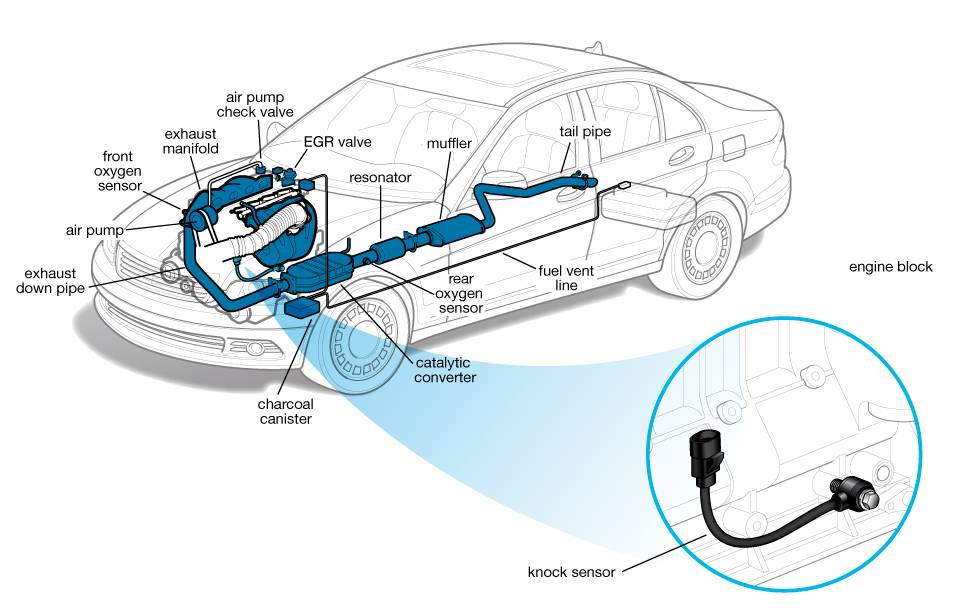
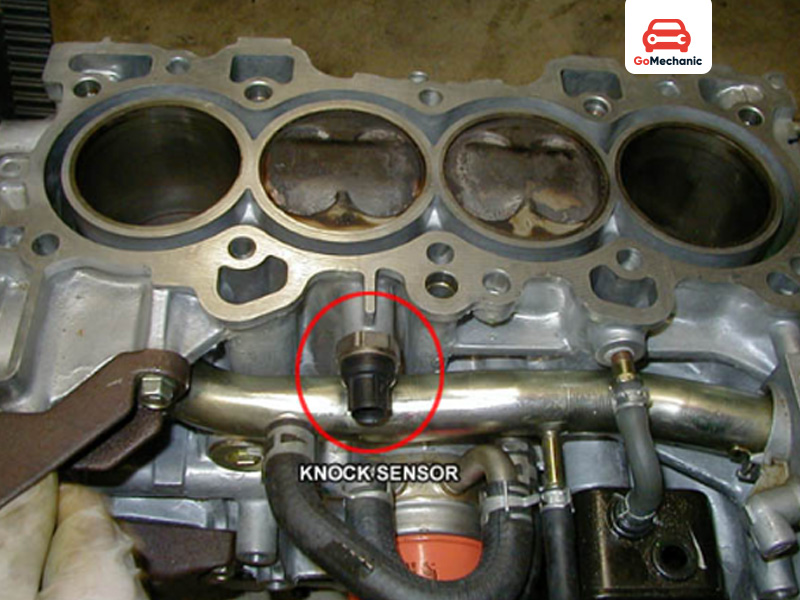
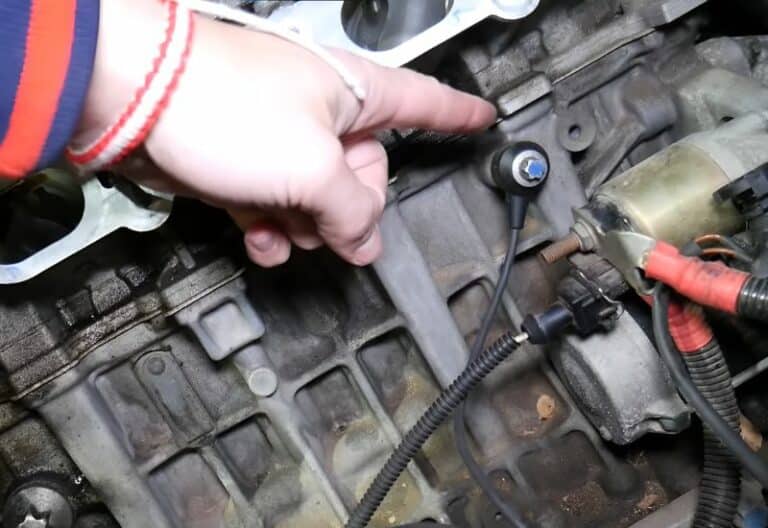
The location varies by engine design. Most knock sensors are mounted directly to the engine block, cylinder block, or intake valley where they can accurately detect vibrations.
Many modern V6 and V8 engines place the sensor beneath the intake manifold, while some four-cylinder engines position it on the side of the engine block.
Source: carblogindia.com
Common Location
Mounted on the engine block for direct vibration monitoring.
Accessibility
Some vehicles require intake manifold removal for access.
Why Location Matters
Proper placement ensures the sensor can accurately distinguish engine knock from normal operating vibrations.
Accurate Detection
Strategic placement improves signal quality.
What Are the Symptoms of a Bad Knock Sensor?
A failing knock sensor may prevent the engine control module from accurately detecting knock. This can affect performance, efficiency, and engine protection.
Some symptoms are subtle, while others may trigger diagnostic trouble codes and illuminate the check engine light.
Source: nissankaengine.com
Check Engine Light
Fault codes related to knock sensor circuits may be stored.
Reduced Power
The engine may operate with conservative timing settings.
Poor Fuel Economy
Incorrect timing adjustments can increase fuel consumption.
Engine Knocking
Unrecognized detonation may become audible under load.
Common Diagnostic Codes
Many vehicles store codes such as P0325 through P0334 when a knock sensor or related circuit problem is detected.
Scan Tool Verification
Diagnostic codes help identify sensor or wiring issues.
Why Is a Knock Sensor Important?
The knock sensor allows engines to operate closer to their optimal ignition timing without risking severe damage. This balance improves efficiency, drivability, and emissions performance.
Without a functioning knock sensor, the engine computer may be forced to use conservative settings or may fail to respond properly to detonation events.
Source: cdn.autoguru.com.au
Engine Protection
Reduces the risk of piston and cylinder damage.
Fuel Efficiency
Helps optimize combustion timing.
Performance
Supports safe power production under varying conditions.
Modern Engine Management
Turbocharged and high-compression engines rely heavily on accurate knock detection because they operate under higher cylinder pressures.
Critical Sensor
Essential for advanced engine control strategies.
Can You Drive With a Bad Knock Sensor?
Many vehicles can still operate with a faulty knock sensor, but doing so is not ideal. Performance may decrease, fuel consumption may rise, and the engine could become more vulnerable to damaging detonation.
If the check engine light appears or knock-related symptoms develop, diagnosing the problem promptly is the safest approach.
Source: blogs.gomechanic.com
Short-Term Driving
Possible in some cases but not recommended for extended periods.
Potential Risk
Engine damage can occur if knock goes undetected.
When to Seek Professional Help
Persistent knocking noises, reduced performance, or stored diagnostic codes should be evaluated by a qualified technician.
Professional Diagnosis
Confirms whether the sensor, wiring, or another component is at fault.
Frequently Asked Questions
Q
What does a knock sensor do?
A knock sensor detects abnormal engine vibrations caused by detonation or knocking. It sends signals to the engine control module so ignition timing can be adjusted to protect the engine.
Q
Can a bad knock sensor cause poor fuel economy?
Yes. A faulty knock sensor may cause the engine computer to use conservative timing settings, reducing efficiency and increasing fuel consumption.
Q
Will a bad knock sensor trigger a check engine light?
In many vehicles, a failed knock sensor or related circuit problem will store a diagnostic trouble code and illuminate the check engine light.
Q
How long does a knock sensor last?
Many knock sensors last well over 100,000 miles, but heat, vibration, age, moisture, and wiring problems can shorten their lifespan.
Q
Is a knock sensor expensive to replace?
The sensor itself is often reasonably priced, but labor costs can vary significantly depending on its location and vehicle design.
✦ Wrapping Up
Conclusion
Understanding what is a knock sensor is important for anyone interested in vehicle performance and engine reliability. This small sensor plays a major role in detecting harmful combustion conditions and helping the engine control module make protective adjustments.
A properly functioning knock sensor supports power, fuel efficiency, emissions compliance, and long-term engine durability. Ignoring sensor problems can lead to reduced performance and increased risk of engine damage.
💡 Key Takeaway
If your vehicle shows knock sensor fault codes, unusual engine knocking, or reduced performance, perform diagnostic testing promptly and repair the issue before engine damage occurs.
Ethan Brooks is an automotive writer at Auto News 7, covering car news, vehicle maintenance, new model updates, recalls, and practical buying guides. He focuses on clear, useful information that helps drivers understand their vehicles and make better ownership decisions.
Learn how to remove a camshaft position sensor safely with this detailed step-by-step guide. Discover required tools, common mistakes, troubleshooting tips, and what to do after removal.
Learn how to test a knock sensor Chevy vehicle using a scan tool, multimeter, and physical inspection. Follow this step-by-step guide to diagnose knock sensor problems accurately.
Learn how to diagnose a bad knock sensor using symptoms, OBD-II codes, inspections, and multimeter testing. Follow a step-by-step guide for accurate troubleshooting.
Learn how many camshaft sensors a car has, why the number varies by engine design, where they are located, and how to identify the correct sensor on your vehicle.