A coolant temperature sensor commonly lasts many years and may remain functional for the life of a vehicle, but there is no universal replacement interval. A practical lifespan can vary widely because heat cycling, coolant condition, corrosion, wiring problems, and vehicle design all affect durability.
For drivers in the United States, an engine coolant temperature sensor is generally a replace-on-failure component rather than a routine maintenance item. Most automakers do not specify a fixed mileage or time at which every coolant temperature sensor must be replaced. A properly functioning sensor can therefore remain in service for a long time, while another can develop an inaccurate signal much earlier.
The sensor is more important than its small size suggests. It measures coolant temperature and sends that information to the engine control module, which can use it for fuel control, ignition strategy, idle operation, emissions management, and cooling-fan operation depending on the vehicle. Because several systems can depend on the signal, diagnosing the sensor before replacing it is more reliable than replacing it simply because the vehicle has reached a certain mileage.
Source: i.ytimg.com
How Long Does a Coolant Temperature Sensor Usually Last?
A coolant temperature sensor does not have one dependable lifespan that applies to every vehicle. Unlike engine oil, spark plugs, or some timing-belt systems, the sensor is generally not replaced at a standard mileage interval. Many sensors remain operational for a substantial portion of a vehicle’s service life, while others fail earlier because of environmental or electrical conditions.
A commonly cited practical range is roughly 50,000 to 100,000 miles or about five to ten years, but that range should be treated as an estimate rather than a manufacturer specification. Some original sensors can operate considerably longer, and a sensor should not automatically be replaced simply because it has reached one of those numbers.
The best replacement decision is based on measured performance and symptoms rather than age alone. If the sensor produces a temperature signal that agrees with the actual engine condition and remains within the manufacturer’s specifications, there is generally no reason to replace it solely because of mileage.
Source: safetyfic.com
No universal replacement interval
Most vehicles do not require the coolant temperature sensor to be replaced at a specific mileage or calendar interval.
Long service is possible
A sensor can remain functional for many years when its electrical connections and cooling system remain in good condition.
Failure can occur early
Electrical faults, corrosion, coolant contamination, thermal stress, or physical damage can cause premature failure.
What Does a Coolant Temperature Sensor Do?
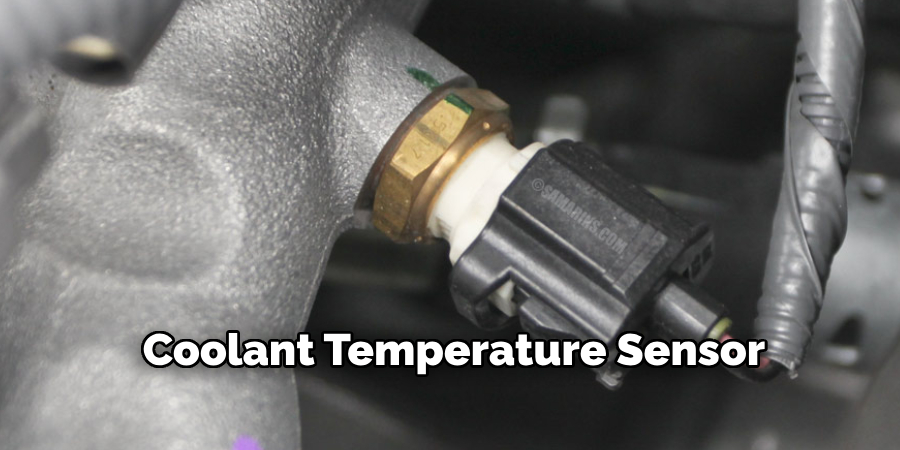
The engine coolant temperature sensor, commonly called an ECT sensor, measures the temperature of coolant around the engine. Most automotive ECT sensors use a negative temperature coefficient thermistor. Its electrical resistance changes as temperature changes, allowing the engine control module to calculate coolant temperature from the sensor signal.
The engine computer can use this information to adjust fuel delivery and other operating strategies as the engine warms. Depending on the vehicle, the coolant temperature signal can also affect idle speed, ignition control, emissions systems, transmission behavior, air-conditioning strategy, and electric cooling-fan operation.
This explains why a failing sensor can produce symptoms that initially appear unrelated. A temperature signal that incorrectly tells the engine computer that the engine is still cold can affect fuel control even after the engine has warmed up. A signal that is too high or too low can also influence cooling-fan operation on vehicles that use the ECT signal for fan control.
Source: azosensors.com
Cold engine
The sensor should report a temperature that is reasonably consistent with the engine’s actual cold condition and surrounding temperature.
Warming engine
The reported temperature should generally increase progressively as the engine reaches operating temperature.
Operating temperature
The engine control module uses the temperature signal to manage functions that depend on engine temperature.
What Causes a Coolant Temperature Sensor to Fail?
A coolant temperature sensor operates in a demanding environment. It is exposed to repeated heating and cooling cycles, coolant, vibration, and engine-bay temperatures. Over time, these conditions can contribute to internal sensor degradation or problems with the electrical connection.
Coolant condition also matters. Contaminated or degraded coolant can contribute to deposits and corrosion in the cooling system. A leaking connector, damaged wiring, or corrosion at the terminals can create an electrical problem that looks like a failed sensor even when the sensing element itself is still functional.
Thermal cycling is another consideration. Every drive subjects the sensor and surrounding components to changes in temperature. Repeated expansion and contraction can contribute to component aging. However, the presence of one or more risk factors does not establish that a sensor has failed; testing is still needed.
Source: nzefi.com
Thermal cycling
Repeated transitions between cold and hot operating conditions can contribute to long-term component degradation.
Coolant condition
Contaminated or poorly maintained coolant can contribute to deposits, corrosion, or other cooling-system problems.
Connector corrosion
Moisture and corrosion at the sensor connector can change circuit resistance and produce an inaccurate signal.
Damaged wiring
Chafed, broken, melted, or poorly repaired wiring can mimic a defective coolant temperature sensor.
Physical damage
Improper installation, impact, leakage, or damage around the mounting area can affect the sensor or its seal.
Does Old Coolant Make the Sensor Fail?
Old or contaminated coolant can contribute to cooling-system problems, but it does not mean every sensor exposed to old coolant has failed. The condition of the coolant, the cooling-system maintenance history, and the sensor’s actual electrical readings should be considered together.
Signs That a Coolant Temperature Sensor May Be Going Bad
A failing coolant temperature sensor can cause several symptoms, but none of them proves the sensor itself is defective. The same symptoms can result from low coolant, a thermostat problem, wiring damage, connector corrosion, or other engine-management faults.
One of the strongest clues is an implausible temperature reading. For example, if a vehicle has been parked overnight and the scan tool shows an engine coolant temperature dramatically different from the surrounding temperature before startup, the sensor circuit deserves investigation.
Other symptoms can include hard starting, rough or high idle, increased fuel consumption, abnormal exhaust emissions, a check-engine light, or cooling fans operating at an unexpected time. The exact symptoms depend on how the vehicle’s control system responds to the faulty signal.
Source: i.ytimg.com
Hard starting
An incorrect temperature signal can cause the engine computer to use an unsuitable cold-start or warm-engine strategy.
Poor fuel economy
A sensor that incorrectly reports a cold engine can contribute to excessive fuel enrichment on some vehicles.
Abnormal idle
Incorrect temperature information can affect idle control and warm-up strategies.
Cooling-fan problems
On vehicles that use the ECT signal for fan control, an incorrect signal can contribute to unexpected fan operation.
Check-engine light
The engine control module may store a diagnostic trouble code when the sensor signal is missing, implausible, or outside its expected range.
Can a Bad Sensor Fail Without Obvious Symptoms?
Yes. A sensor can develop a biased or intermittent signal without immediately producing an obvious dashboard symptom. Some vehicles filter temperature-gauge readings, and some designs use separate temperature-sensing circuits for different functions. That makes scan-tool data and electrical testing more useful than relying on the dashboard gauge alone.
How to Check Whether the Coolant Temperature Sensor Needs Replacement
The most useful approach is to verify the temperature signal before replacing the sensor. Start with the vehicle cold and inspect the coolant level, sensor connector, and wiring. If a scan tool is available, compare the coolant temperature reading with the intake-air temperature or surrounding temperature after the vehicle has been sitting long enough to cool completely.
As the engine warms, watch the coolant temperature data. The value should generally change progressively rather than remaining fixed, jumping randomly, or showing an obviously implausible temperature. If the reading is abnormal, inspect the connector and wiring before assuming the sensor itself has failed.
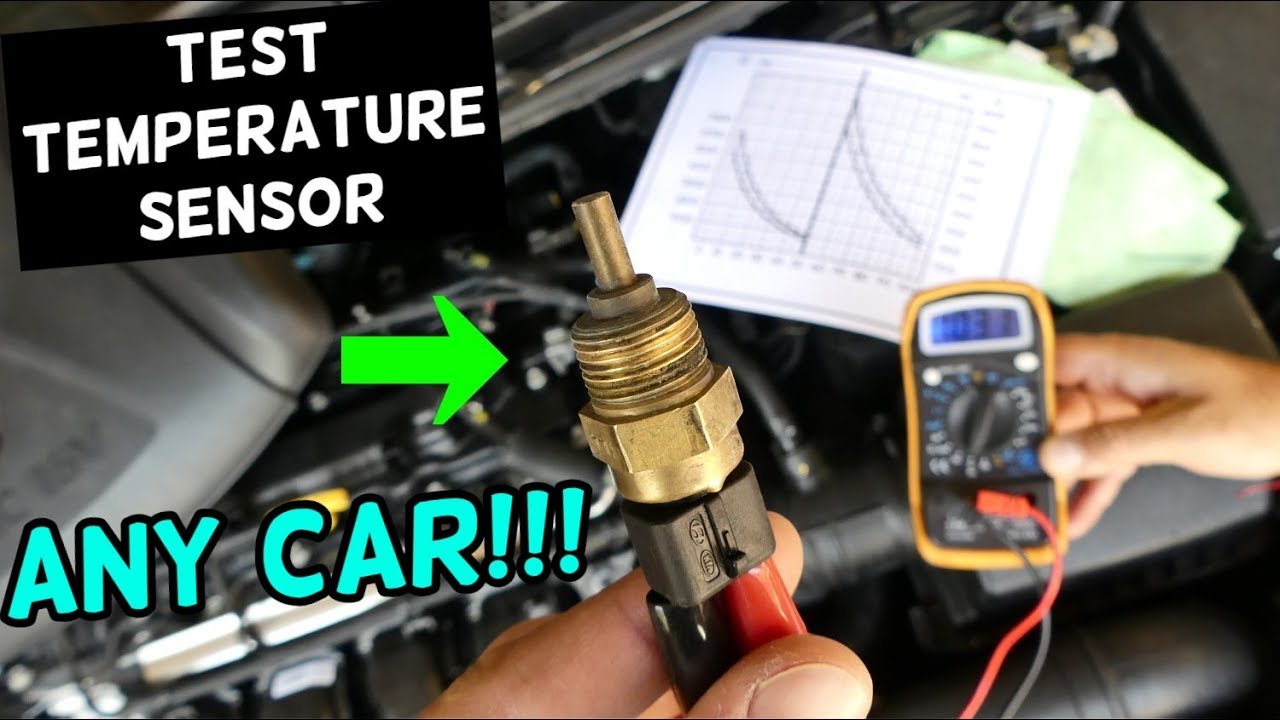
A multimeter can also be used to check sensor resistance on designs where the manufacturer provides a resistance-versus-temperature specification. Because resistance values vary by sensor design, generic resistance charts should not be treated as universal specifications. Use the service information for the exact vehicle and engine.
Source: s2.studylib.net
1. Start with a cold engine
Check the coolant temperature reading before starting the engine and compare it with the surrounding conditions.
2. Scan for diagnostic codes
Read stored and pending codes, but remember that a sensor-related code can also result from wiring or connector faults.
3. Inspect the connector
Look for corrosion, damaged terminals, moisture, loose connections, and physical damage.
4. Monitor live data
Observe whether the reported coolant temperature changes plausibly as the engine warms.
5. Test the sensor
If required, measure resistance or signal voltage according to the manufacturer’s testing procedure.
6. Check the wiring
Verify continuity, reference voltage, grounds, and wiring condition when the sensor itself appears normal.
What Resistance Should a Coolant Temperature Sensor Have?
There is no single resistance value that applies to every coolant temperature sensor. Most automotive ECT sensors are NTC thermistors, so resistance decreases as temperature rises, but the exact resistance curve differs among manufacturers and applications. The correct test is to compare measured resistance at a known temperature with the vehicle’s service specifications.
When Should You Replace a Coolant Temperature Sensor?
Replace the coolant temperature sensor when testing shows that the sensor does not meet the manufacturer’s specifications, produces an implausible or unstable signal, or has confirmed internal damage. Replacement can also be appropriate when the sensor is physically damaged or leaking and the manufacturer specifies replacement rather than repair.
Do not replace the sensor solely because the vehicle has reached a certain mileage unless the manufacturer specifically calls for preventive replacement. A functioning original sensor may not need attention simply because it is old.
If the sensor tests correctly, investigate the rest of the circuit and cooling system. A stuck-open thermostat, low coolant level, air in the cooling system, damaged wiring, or connector corrosion can create symptoms that resemble a sensor failure.
Source: mechlesson.com
Replace after confirmed sensor failure
A sensor that fails the manufacturer’s electrical or signal tests is a reasonable replacement candidate.
Repair the circuit when necessary
If wiring or connector damage causes the incorrect signal, replacing the sensor alone may not fix the problem.
Check the thermostat separately
A thermostat that keeps the engine too cool can produce an operating-temperature problem even when the sensor is accurate.
Use the correct replacement part
The sensor’s electrical characteristics, connector, sealing method, and temperature calibration must match the vehicle application.
What Happens After Sensor Replacement?
After replacement, make sure the connector is fully seated and the cooling system is refilled and properly bled if coolant was lost. Clear diagnostic codes when appropriate, start the engine, and verify that live temperature data behaves normally as the engine warms. Check for coolant leaks before returning the vehicle to normal service.
Common Mistakes When Diagnosing Sensor Lifespan
The biggest diagnostic mistake is treating a mileage estimate as a replacement schedule. A coolant temperature sensor does not automatically become defective after reaching 50,000, 100,000, or any other universal mileage. Condition and measured performance matter more than an arbitrary age threshold.
Another common mistake is replacing the sensor without checking the connector and wiring. A corroded terminal or broken wire can produce the same type of incorrect signal as an internally defective sensor. Replacing the sensor without correcting the circuit can leave the original problem unresolved.
Safety is also important. The coolant system can remain pressurized after the engine is shut off. Never remove a coolant temperature sensor from a hot engine unless the vehicle manufacturer’s procedure specifically permits it and the appropriate safety precautions are followed. For normal DIY work, allow the engine and cooling system to cool fully first.
Source: i.ytimg.com
Do not use mileage alone
Age and mileage can provide context, but they do not establish that a sensor has failed.
Do not ignore wiring
Connector corrosion and harness damage can imitate an internal sensor fault.
Do not assume every code proves sensor failure
A diagnostic trouble code identifies a circuit or signal problem in many cases, not necessarily a defective sensor element.
Do not work on a hot cooling system
Pressurized coolant can cause severe burns. Wait for the system to cool before removing the sensor.
When Is Professional Diagnosis Better?
Professional diagnosis is appropriate when the vehicle is overheating, coolant is leaking, wiring damage is difficult to access, multiple diagnostic codes are present, or sensor readings conflict with actual engine temperature. A qualified technician can use vehicle-specific service information and diagnostic equipment to distinguish the sensor from other cooling-system or engine-control faults.
Frequently Asked Questions
Q
Is there a recommended mileage to replace a coolant temperature sensor?
Usually no. Most vehicles treat the coolant temperature sensor as a condition-based component rather than a scheduled replacement item. Follow the maintenance schedule and service information for the specific vehicle, and replace the sensor when testing confirms a fault.
Q
Can a coolant temperature sensor last the life of a car?
Yes. A coolant temperature sensor can remain functional for many years and may last for the vehicle’s service life. Longevity varies with sensor quality, thermal cycling, coolant condition, connector condition, wiring, and the vehicle’s operating environment.
Q
How do I know if the sensor or thermostat is bad?
A scan-tool temperature reading can help separate the two problems. If the sensor reports an implausible temperature while the engine is cold or during warm-up, the sensor circuit deserves attention. If the sensor reports temperature plausibly but the engine fails to reach or maintain the expected operating temperature, the thermostat and cooling system should also be investigated.
Q
Can a bad coolant temperature sensor cause overheating?
It can contribute to cooling problems on vehicles that use the coolant temperature signal to control the electric cooling fan, but it is not the only possible cause of overheating. Low coolant, a thermostat problem, a failed fan, a water-pump problem, radiator restrictions, and other faults can also cause overheating. An overheating engine should be diagnosed promptly rather than assuming the sensor is responsible.
Q
Should I replace the coolant temperature sensor when replacing the thermostat?
Not automatically. Some thermostat housings integrate the sensor or make access convenient during thermostat service, but there is no general rule requiring sensor replacement at the same time. Replace it if the sensor is faulty, damaged, leaking, or specifically called for by the vehicle manufacturer’s procedure.
✦ Wrapping Up
Conclusion
A coolant temperature sensor can last for many years, and there is no universal mileage or time limit that determines when it must be replaced. A rough five-to-ten-year or 50,000-to-100,000-mile range is sometimes used as a practical estimate, but real service life can be shorter or substantially longer depending on the vehicle and operating conditions.
The better approach is condition-based diagnosis. If the engine has hard-starting problems, poor fuel economy, abnormal temperature readings, unexpected cooling-fan behavior, or a check-engine light, inspect the coolant level, connector, wiring, diagnostic data, and sensor operation before buying a replacement. This avoids confusing a wiring, thermostat, or cooling-system problem with a failed sensor.
💡 Key Takeaway
Do not replace a coolant temperature sensor just because it has reached a certain age or mileage. If symptoms appear, compare cold-engine temperature data with ambient conditions, inspect the connector and wiring, and test the sensor against the manufacturer’s specifications before replacing it.
Ethan Brooks is an automotive writer at Auto News 7, covering car news, vehicle maintenance, new model updates, recalls, and practical buying guides. He focuses on clear, useful information that helps drivers understand their vehicles and make better ownership decisions.
Learn how to rewire a camshaft position sensor safely. Follow step-by-step instructions, wiring checks, troubleshooting tips, and common repair mistakes.
Learn how to remove a coolant temperature sensor safely. Follow this step-by-step guide for locating the sensor, disconnecting the wiring, draining coolant, removing the sensor, and checking for leaks.
Learn whether a bad knock sensor can cause oil consumption, how the two systems are connected, common symptoms, diagnostic steps, and when engine repairs may be necessary.
Learn how to replace a crankshaft position sensor with a detailed step-by-step guide, tools list, troubleshooting tips, safety advice, and signs of a successful repair.
Learn whether a camshaft sensor is hard to replace, how long the job takes, common challenges, costs, symptoms of failure, and when to seek professional help.