A bad knock sensor does not directly cause oil consumption, but it can contribute to engine conditions that may increase oil usage over time.
Across the United States, drivers often notice multiple engine problems at the same time and wonder whether they are connected. One common question is whether a faulty knock sensor can be responsible for increased oil consumption. While the knock sensor and lubrication system serve different functions, they can influence overall engine health.
In most cases, excessive oil consumption is caused by worn piston rings, valve seals, PCV system issues, turbocharger problems, or internal engine wear. However, a malfunctioning knock sensor can affect ignition timing and combustion efficiency. If left unresolved for a long period, these conditions may contribute to engine stress that can worsen existing oil consumption problems.
Source: mechanictimes.com
What Does a Knock Sensor Do?
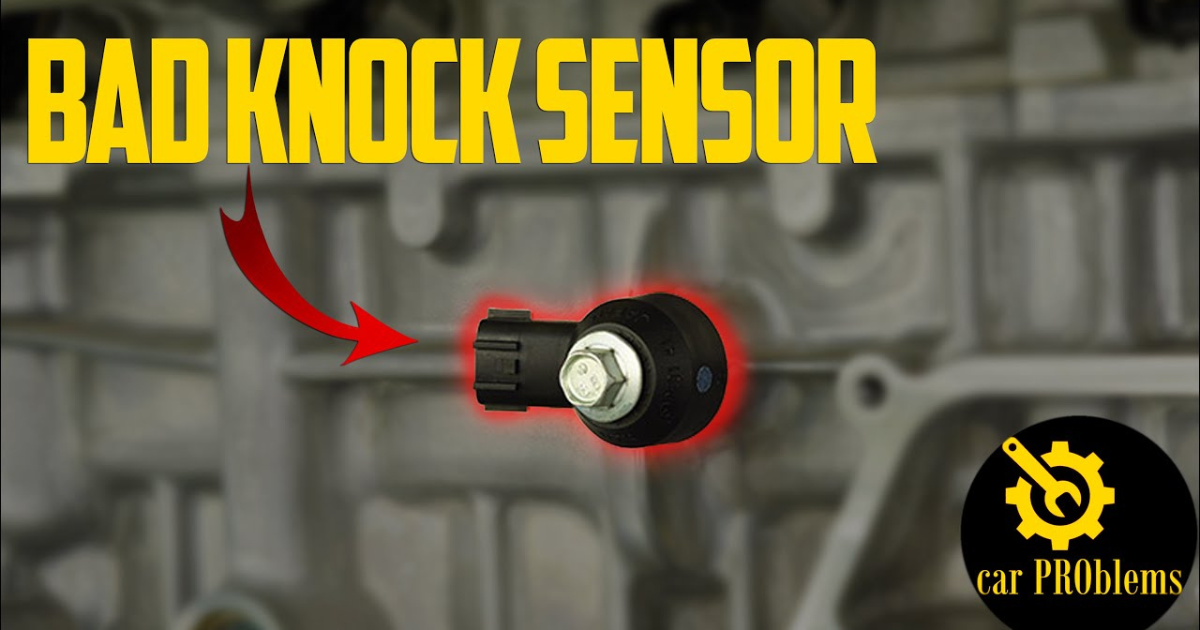
A knock sensor detects abnormal combustion events known as engine knock or detonation. It sends signals to the engine control module so ignition timing can be adjusted before engine damage occurs.
Modern engines rely on accurate knock sensor data to balance power, fuel economy, and durability. When the sensor fails or provides inaccurate readings, the engine computer may advance or retard timing incorrectly.
Source: SlideServe
Primary Function
Detects vibration patterns associated with engine knock.
Engine Protection
Allows the engine computer to adjust timing and reduce harmful combustion events.
Performance Role
Helps maintain efficient engine operation under different loads and temperatures.
Common Symptoms of a Bad Knock Sensor
Drivers may experience reduced power, poor acceleration, lower fuel economy, engine hesitation, or a check engine light. Some vehicles may also exhibit audible knocking under load.
Check Engine Light
Diagnostic trouble codes often point to sensor circuit or performance issues.
Poor Performance
Timing adjustments may become overly conservative or inaccurate.
Can a Bad Knock Sensor Cause Oil Consumption Directly?
The short answer is no. A bad knock sensor does not directly cause engine oil to burn, leak, or disappear. Oil consumption typically originates from mechanical problems within the engine or emissions system.
However, when evaluating whether can a bad knock sensor cause oil consumption, it is important to understand indirect effects. If the sensor fails to detect detonation, repeated abnormal combustion can place additional stress on pistons, rings, and cylinder walls. Over a long period, this stress may accelerate wear in already vulnerable components.
Source: hopetownlodge.com
Direct Cause
No direct pathway exists between the sensor and engine oil usage.
Indirect Influence
Long-term detonation may contribute to engine wear that increases oil consumption.
Why the Confusion Happens
Drivers often discover oil consumption and knock sensor trouble codes simultaneously. This overlap can create the impression that one issue caused the other, when both may actually stem from broader engine wear or maintenance problems.
Shared Symptoms
Poor performance, reduced efficiency, and warning lights can occur together.
How a Faulty Knock Sensor Could Contribute to Engine Wear
When discussing can a bad knock sensor cause oil consumption, the more accurate question is whether it can contribute to engine conditions that eventually increase oil usage. The answer is potentially yes under certain circumstances.
Persistent detonation generates extreme heat and pressure inside combustion chambers. Over thousands of miles, these conditions can damage pistons, ring lands, and cylinder walls. Once these components wear beyond specification, oil can enter the combustion chamber and burn during engine operation.
Source: saiautocare.com.au
Detonation Damage
Repeated knocking can harm pistons and rings.
Heat Stress
Excessive temperatures may accelerate wear in critical engine components.
Oil Burning
Damaged rings may allow oil to enter combustion chambers.
When the Risk Is Highest
The risk increases when drivers ignore warning lights, continue driving with severe engine knock, use low-octane fuel when higher octane is required, or postpone maintenance for extended periods.
Ignored Symptoms
Long-term operation with active detonation raises the likelihood of engine damage.
Common Causes of Oil Consumption That Are More Likely Than a Knock Sensor
If your vehicle is using oil between oil changes, mechanical causes should be investigated first. These issues are far more common explanations than a faulty knock sensor.
A thorough inspection can often identify whether oil is leaking externally or being burned internally. Compression testing, leak-down testing, and PCV system inspection are frequently used diagnostic methods.
Source: thecarbuzz.com
Worn Piston Rings
Allow oil to pass into combustion chambers.
Valve Stem Seals
Can leak oil into cylinders, especially during startup.
PCV System Problems
May pull excess oil vapor into the intake system.
Turbocharger Issues
Damaged seals can cause oil burning in turbocharged engines.
Symptoms That Suggest Oil Consumption
Blue exhaust smoke, frequent low-oil warnings, oily spark plugs, carbon buildup, and a noticeable drop in oil level between service intervals are common indicators.
Blue Smoke
Often indicates oil is entering the combustion chamber.
How to Diagnose the Real Cause
If you are asking can a bad knock sensor cause oil consumption because both symptoms appeared together, a systematic diagnosis is essential. Replacing parts without testing can waste time and money.
Start by scanning for diagnostic trouble codes. Next, inspect oil levels, check for external leaks, evaluate engine compression, and examine spark plugs for signs of oil contamination. If knock sensor codes are present, verify wiring integrity and sensor operation before replacing components.
Source: www.youtube.com > 8020 Automotive
Scan for Codes
Identify sensor-related and engine-related faults.
Check Oil Usage
Measure actual consumption over a defined mileage interval.
Perform Compression Tests
Evaluate piston rings and cylinder sealing.
Inspect Spark Plugs
Look for oil fouling that may indicate internal engine wear.
When Professional Help Is Needed
Seek professional diagnosis if oil consumption is severe, engine knocking is persistent, compression readings are low, or multiple warning codes are present. Advanced testing can pinpoint the underlying cause more accurately.
Advanced Diagnostics
Leak-down tests and cylinder inspections can reveal hidden wear.
Frequently Asked Questions
Q
Can a bad knock sensor make an engine burn oil?
Not directly. A faulty knock sensor does not cause oil to enter combustion chambers. However, long-term detonation associated with sensor problems may contribute to engine wear that can eventually increase oil burning.
Q
Can engine knocking increase oil consumption?
Severe and prolonged engine knocking can contribute to internal engine damage. If pistons, rings, or cylinder walls become damaged, oil consumption may increase over time.
Q
Will replacing a bad knock sensor stop oil consumption?
Only if the oil consumption is somehow related to engine conditions caused by prolonged knock events. Most oil consumption problems require separate repairs involving worn components or oil control systems.
Q
What trouble codes are associated with a bad knock sensor?
Common codes include P0325, P0326, P0327, P0328, and related knock sensor circuit faults. Exact codes vary by vehicle manufacturer and engine design.
Q
What is the most common cause of oil consumption?
Worn piston rings, valve stem seals, PCV system issues, and internal engine wear are among the most common causes of excessive oil consumption in modern vehicles.
✦ Wrapping Up
Conclusion
When asking can a bad knock sensor cause oil consumption, the most accurate answer is that it does not directly cause oil loss. Oil consumption is usually the result of mechanical wear, sealing problems, or oil control issues within the engine.
A faulty knock sensor can contribute to conditions that increase engine stress and potentially accelerate wear if detonation continues unchecked. Diagnosing both issues separately is the best approach to finding the true root cause.
💡 Key Takeaway
If your vehicle has both knock sensor symptoms and excessive oil consumption, test the knock sensor system and inspect the engine for mechanical wear rather than assuming one problem automatically caused the other.
Ethan Brooks is an automotive writer at Auto News 7, covering car news, vehicle maintenance, new model updates, recalls, and practical buying guides. He focuses on clear, useful information that helps drivers understand their vehicles and make better ownership decisions.
Learn how to replace intake camshaft position sensor with a detailed step-by-step guide, tools list, troubleshooting tips, safety advice, and common mistakes to avoid.
Learn what causes a knock sensor to go bad, the most common failure reasons, warning signs, diagnostic tips, and how to prevent expensive engine problems.
Learn whether both camshaft position sensors are the same, how intake and exhaust sensors differ, when they can be swapped, and how to identify the correct replacement.