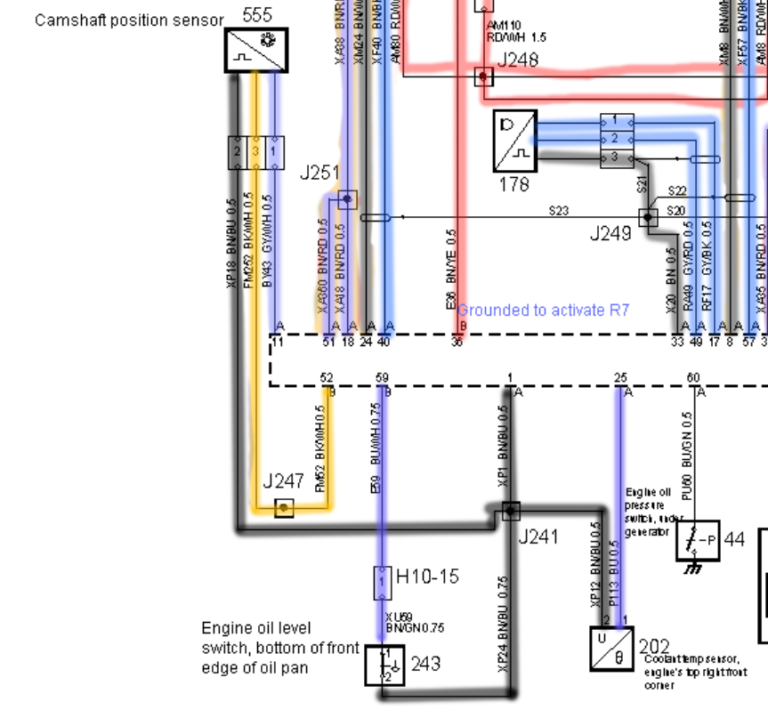
Replace a camshaft position sensor when it fails diagnostic testing, triggers related fault codes, causes drivability problems, or shows intermittent signal loss.
Across the United States, camshaft position sensor failures are a common cause of check engine lights, hard starting, rough running, and unexpected stalling. Most sensors do not have a fixed replacement interval. Instead, they are replaced when symptoms or diagnostic results confirm a problem.
Understanding when to replace camshaft position sensor can help prevent breakdowns, improve engine performance, and avoid unnecessary parts replacement. The key is to look at symptoms, scan tool data, fault codes, and wiring condition before deciding that the sensor itself is the cause.
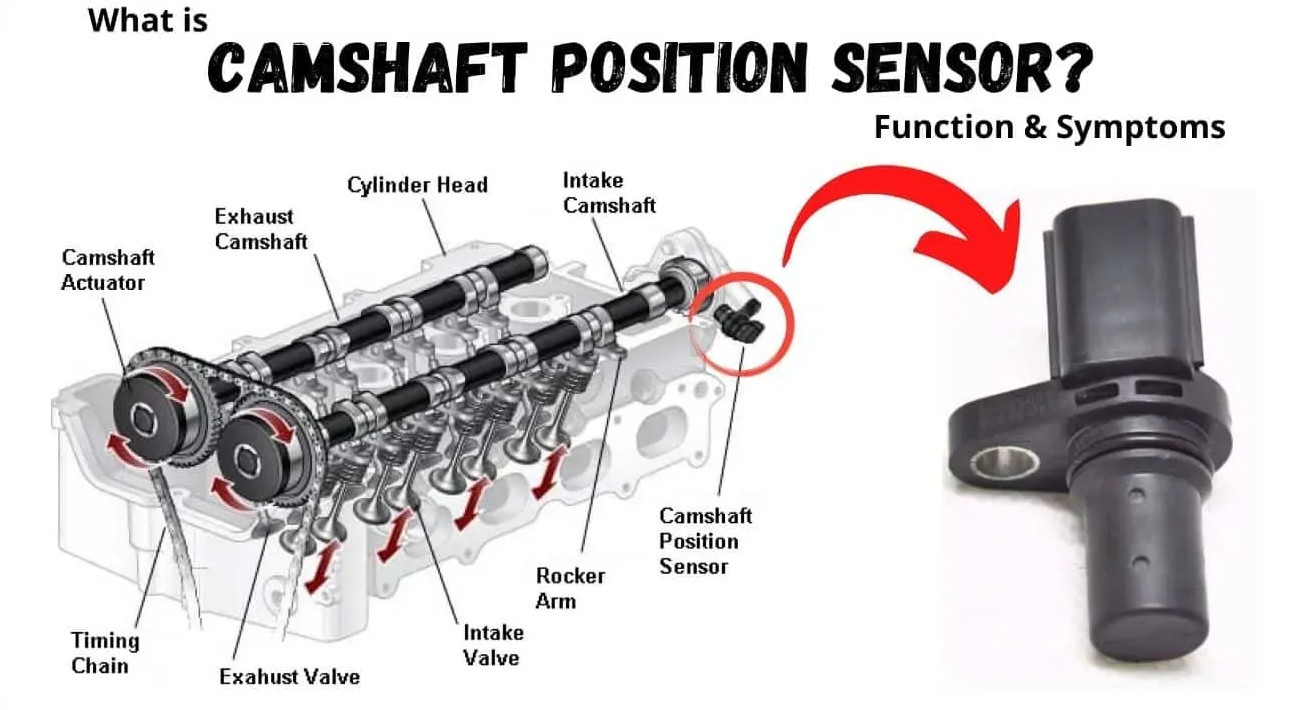
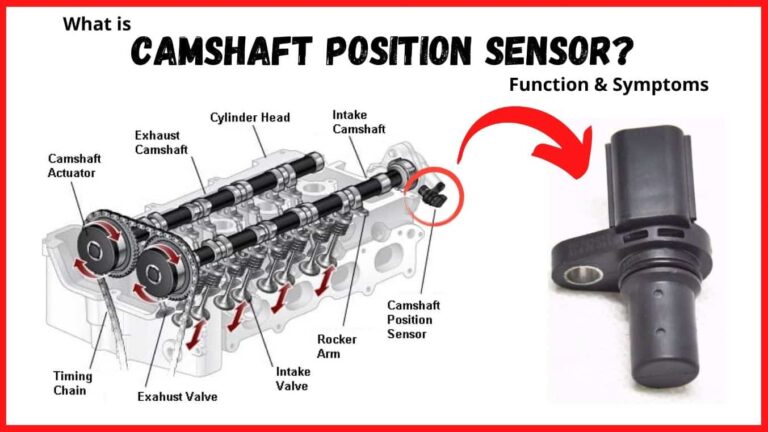
Source: obdtech.co.nz
When Should You Replace a Camshaft Position Sensor?
You should replace a camshaft position sensor when testing confirms that it is no longer providing a reliable signal to the engine control module. Replacement is also appropriate when the sensor causes recurring fault codes and other causes have been ruled out.
There is no universal mileage recommendation. Some sensors last the life of the vehicle, while others fail because of heat, vibration, oil contamination, corrosion, or internal electronic wear.
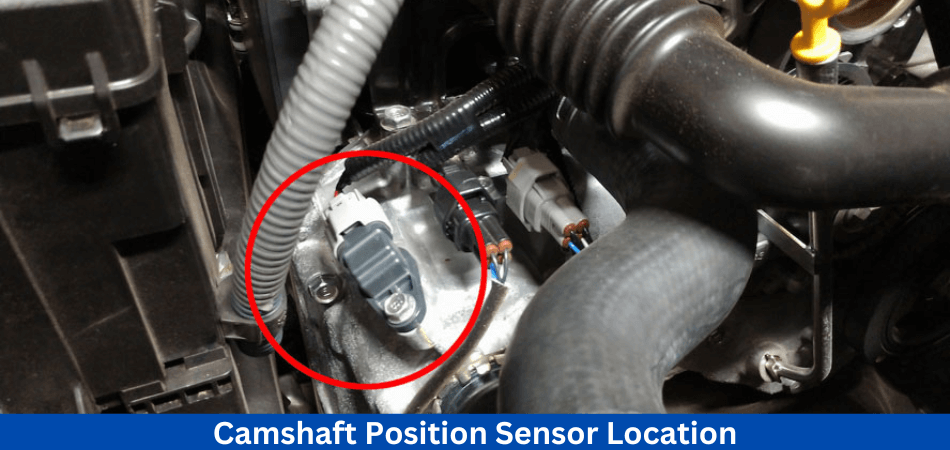
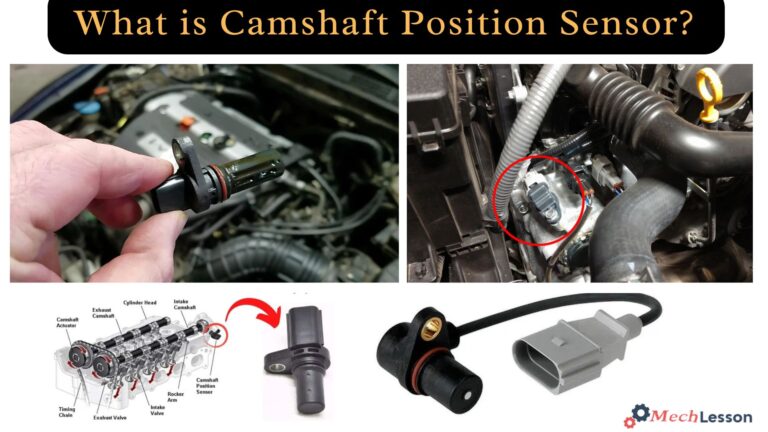
Source: mechlesson.com
Failed Diagnostic Test
Replace the sensor if voltage, resistance, or signal testing confirms failure.
Persistent Fault Codes
Repeated camshaft sensor codes after wiring checks often indicate sensor failure.
Driveability Problems
Hard starts, stalling, and misfires can justify replacement when linked to the sensor.
No Fixed Service Interval
Unlike spark plugs or engine oil, camshaft position sensors are generally not considered routine maintenance items. They are usually replaced only when they fail or become unreliable.
Condition Based
Replacement depends on symptoms and testing results rather than age alone.
Common Signs of a Failing Camshaft Position Sensor
A failing sensor can send inaccurate timing information to the engine computer. This may affect fuel injection timing, ignition timing, and overall engine operation.
Symptoms often begin intermittently before becoming more frequent as the sensor deteriorates.
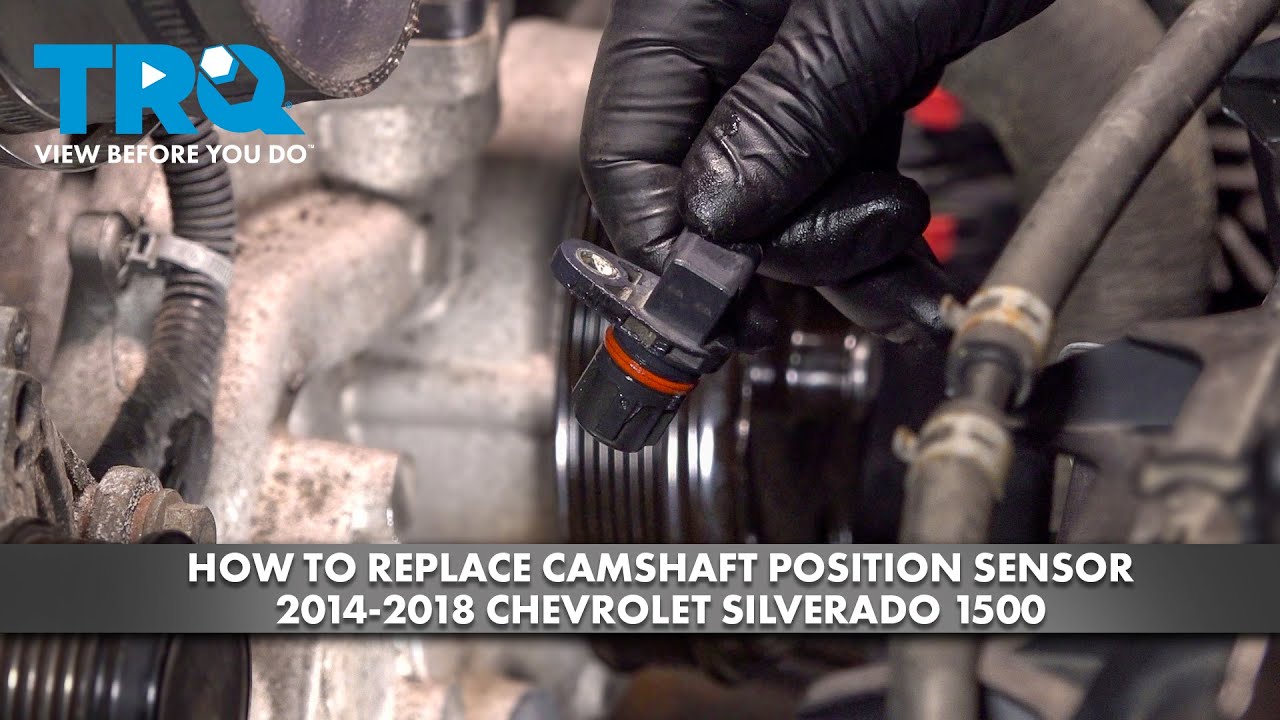
Source: smartvehiclecare.com
Check Engine Light
One of the earliest and most common warning signs.
Hard Starting
The engine may crank longer than normal before starting.
Engine Stalling
Signal interruptions can cause the engine to shut off unexpectedly.
Reduced Power
The vehicle may hesitate during acceleration.
Symptoms Often Mistaken for Other Problems
A bad camshaft position sensor can mimic fuel system, ignition, or crankshaft sensor issues. Proper diagnosis is important before replacing parts.
Avoid Guesswork
Scan tool data and testing help identify the real cause.
Diagnostic Trouble Codes That May Indicate Replacement
Fault codes can provide valuable clues when determining when to replace camshaft position sensor. However, a code alone does not automatically mean the sensor has failed.
The code should be evaluated alongside live data, wiring inspections, and symptom analysis.
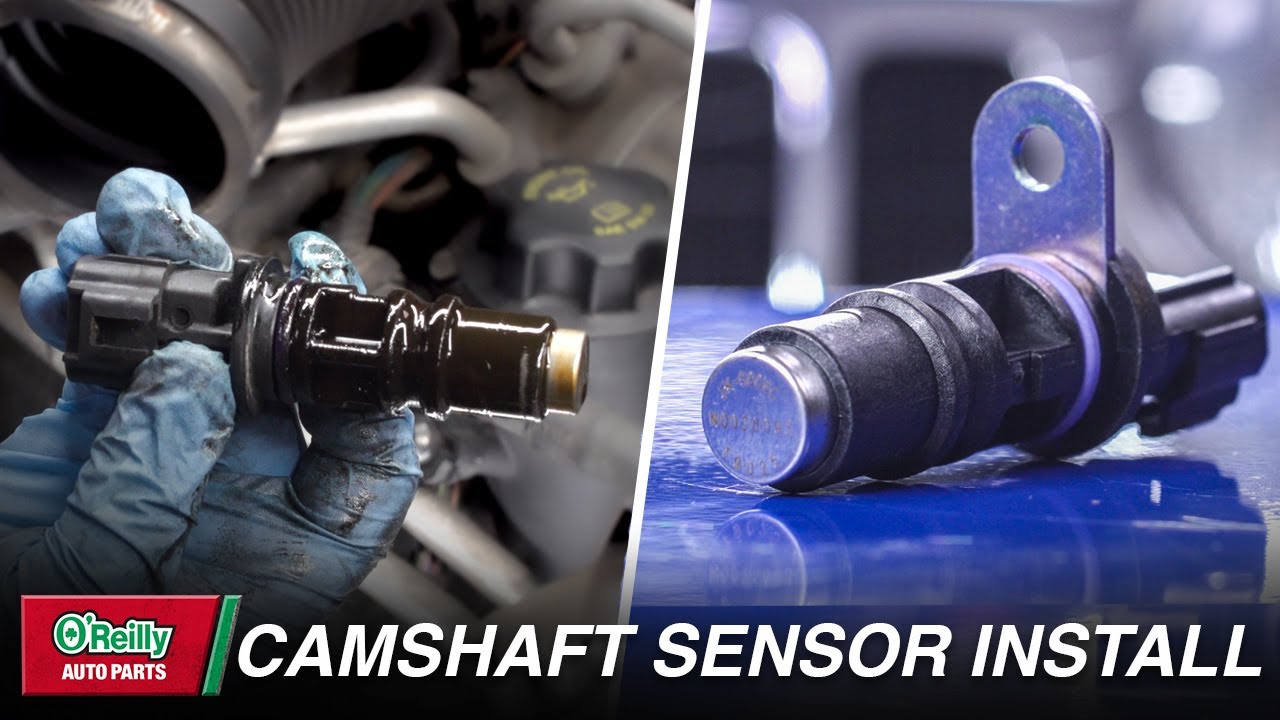
Source: 1aauto.com
P0340
Camshaft position sensor circuit malfunction.
P0341
Camshaft position sensor performance problem.
P0342
Low input signal from the sensor.
P0343
High input signal from the sensor.
Check the Entire Circuit
Damaged wiring, loose connectors, corrosion, or timing-related issues can create the same codes as a failed sensor.
Inspect Connections
A simple connector repair may solve the problem.
Can You Keep Driving With a Bad Camshaft Position Sensor?
Some vehicles can continue operating with a failing sensor, but performance often suffers. Fuel economy may decrease, acceleration may become inconsistent, and stalling can occur.
If the sensor completely fails, the vehicle may become difficult or impossible to start. Replacing a confirmed faulty sensor promptly reduces the risk of being stranded.
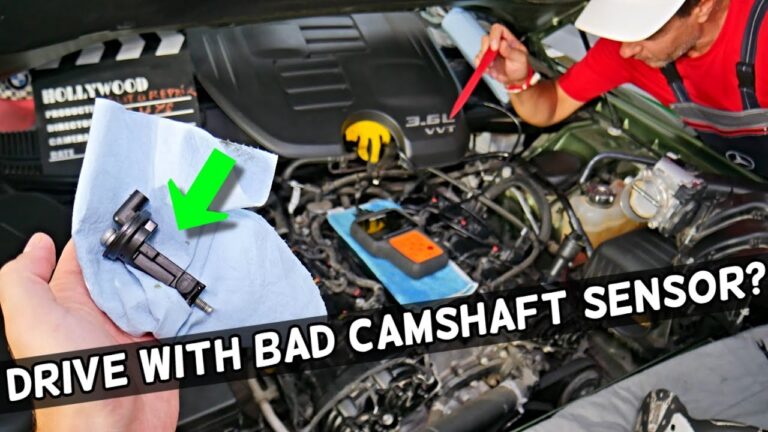
Source: youtube.com
Short-Term Driving
May be possible if symptoms are mild.
Long-Term Risk
Unexpected stalling and no-start conditions become more likely.
Safety Concern
Loss of power in traffic can create hazardous situations.
When Immediate Repair Is Recommended
Repair should not be delayed if the engine stalls, struggles to start, or displays severe drivability issues.
Urgent Symptoms
Repeated stalling or no-start events require prompt attention.
Replacement Cost and Decision Guide
The cost of replacing a camshaft position sensor varies by vehicle design, sensor location, and labor requirements. Some sensors are easy to access, while others require removal of engine components.
Before approving replacement, verify that the sensor is truly defective and that wiring, connectors, and timing components are functioning correctly.
Source: mostplusauto.com
Easy Access Vehicles
Replacement may be relatively inexpensive and quick.
Complex Engine Designs
Labor costs can increase when access is difficult.
Best Practice
Confirm the diagnosis before purchasing parts.
Simple Decision Table
Replace the sensor if testing confirms failure. Continue diagnosis if the sensor passes tests and other faults remain possible.
Confirmed Failure
Replace the sensor.
Unconfirmed Failure
Inspect wiring, timing, and related sensors.
Frequently Asked Questions
Q
How many miles does a camshaft position sensor last?
There is no standard lifespan. Some sensors last well beyond 100,000 miles, while others fail earlier because of heat, vibration, contamination, or electrical issues.
Q
Will a bad camshaft position sensor trigger a check engine light?
Yes. A failing sensor commonly triggers the check engine light and stores camshaft-related diagnostic trouble codes.
Q
Can I replace a camshaft position sensor myself?
Many vehicles allow a straightforward replacement using basic tools. However, access varies significantly between engine designs.
Q
What happens if I do not replace a bad camshaft position sensor?
The vehicle may develop starting problems, poor performance, stalling, reduced fuel efficiency, or complete no-start conditions.
Q
Should I replace the crankshaft sensor at the same time?
Not necessarily. Replace the crankshaft sensor only if testing or diagnostic evidence indicates a problem with that component.
✦ Wrapping Up
Conclusion
Knowing when to replace camshaft position sensor comes down to proper diagnosis rather than mileage alone. Persistent fault codes, starting difficulties, stalling, and failed sensor tests are the strongest indicators that replacement is necessary.
A systematic inspection of the sensor, wiring, connectors, and related engine systems helps ensure the correct repair is made the first time.
💡 Key Takeaway
If your vehicle shows camshaft sensor symptoms, scan for fault codes and confirm the diagnosis before replacing the sensor.
Ethan Brooks is an automotive writer at Auto News 7, covering car news, vehicle maintenance, new model updates, recalls, and practical buying guides. He focuses on clear, useful information that helps drivers understand their vehicles and make better ownership decisions.
Learn how to remove a camshaft position sensor safely with this detailed step-by-step guide. Discover required tools, common mistakes, troubleshooting tips, and what to do after removal.
Learn whether a camshaft sensor needs to be programmed after replacement, when relearn procedures are required, common symptoms, troubleshooting steps, and what to expect during installation.
Learn how often to replace camshaft position sensor components, expected lifespan, warning signs, replacement costs, and when replacement is necessary.
Learn how to rewire a camshaft position sensor safely. Follow step-by-step instructions, wiring checks, troubleshooting tips, and common repair mistakes.