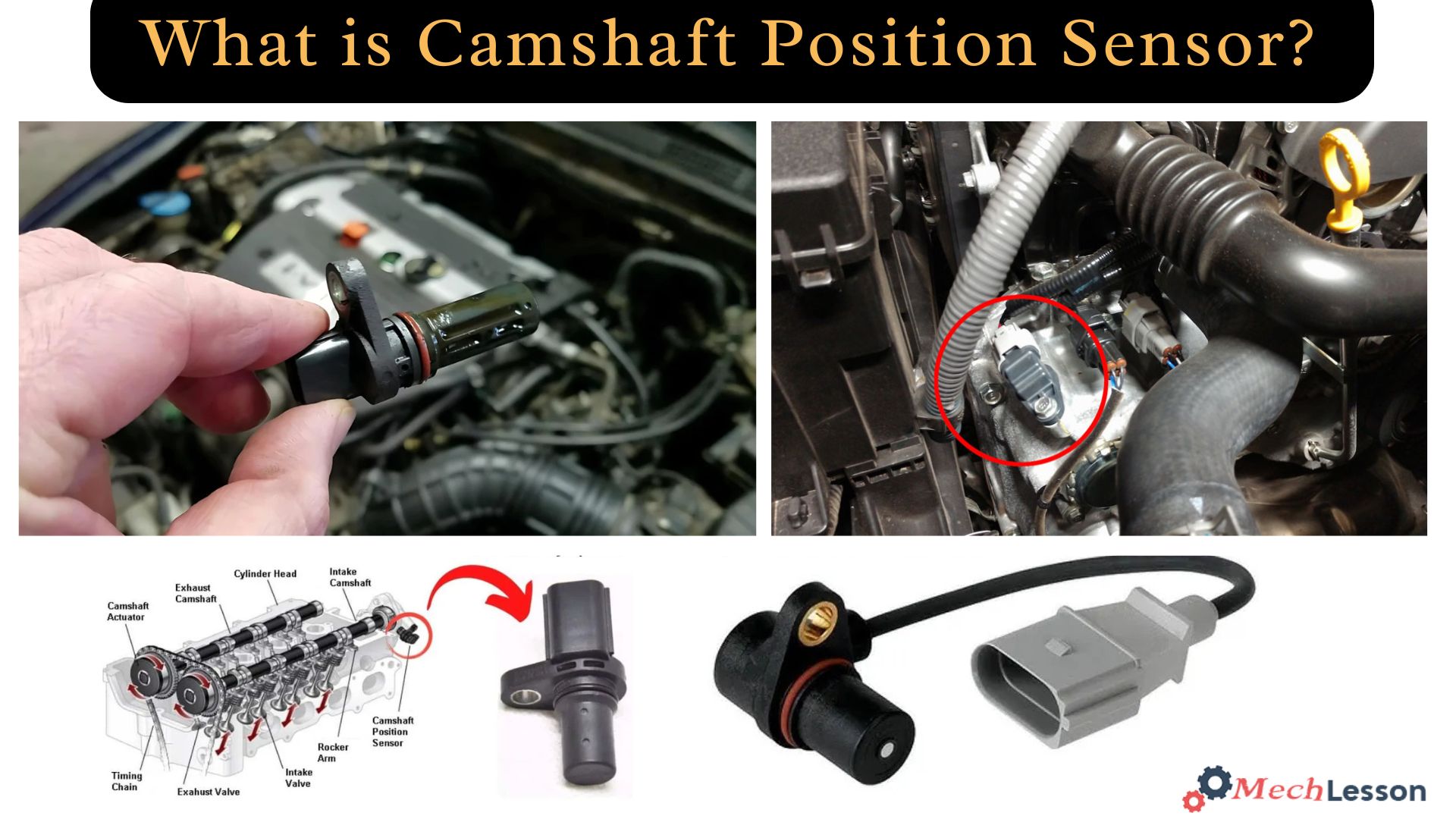
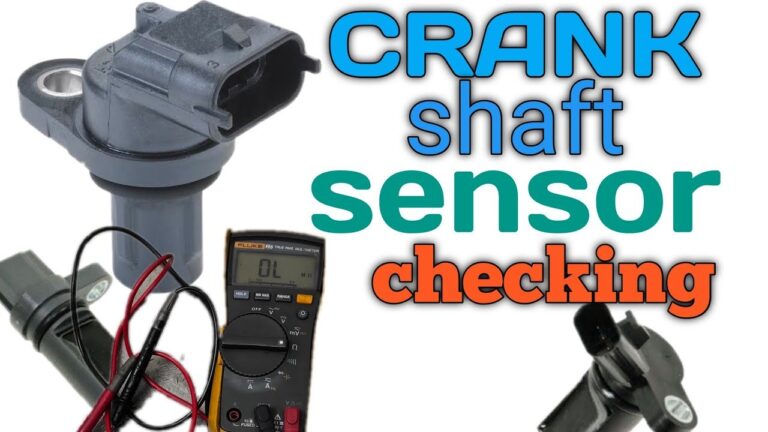
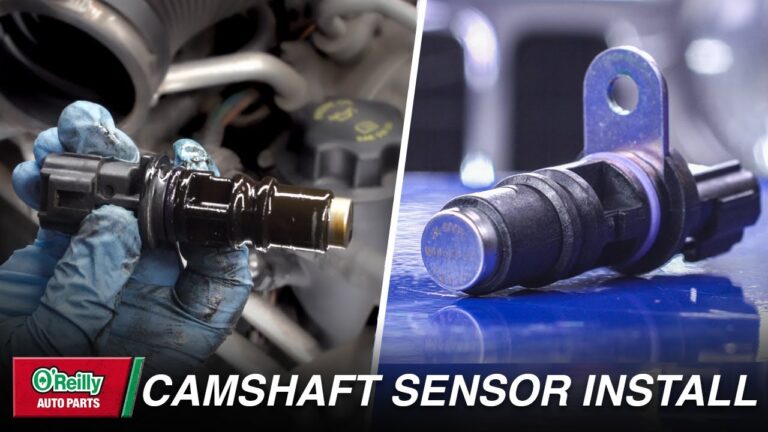
Most camshaft position sensors last between 100,000 and 150,000 miles, but some can last the life of the vehicle.
Across the United States, many drivers never need to replace a camshaft position sensor during normal vehicle ownership. However, heat, vibration, oil contamination, wiring problems, and age can shorten sensor life and cause performance issues.
If you are wondering how long do camshaft position sensors last, the answer depends on driving conditions, vehicle design, and maintenance history. Most sensors provide many years of reliable service before showing signs of wear or electronic failure.
Source: mechlesson.com
What Is the Typical Lifespan of a Camshaft Position Sensor?
The typical camshaft position sensor lifespan ranges from about 100,000 to 150,000 miles. Many modern sensors are designed to operate for years without maintenance and may never require replacement under normal conditions.
Unlike wear items such as brake pads or belts, camshaft position sensors do not have a scheduled replacement interval on most vehicles. They are usually replaced only after failure or when diagnostic testing confirms a problem.
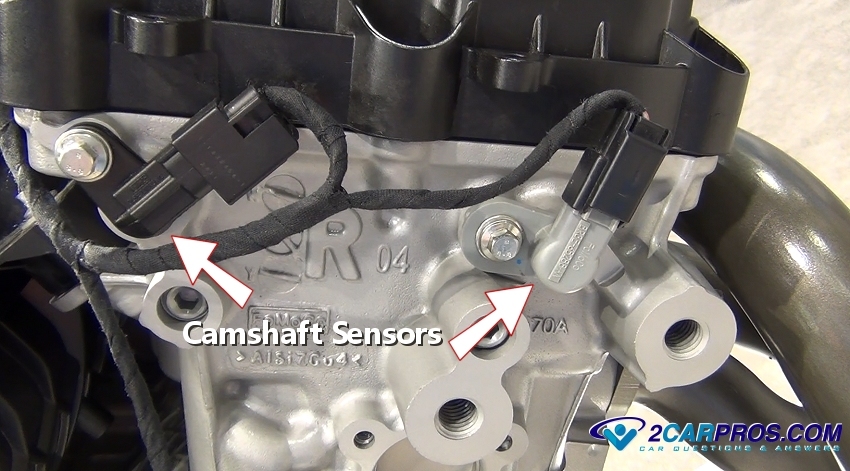
Source: 2carpros.com
Average lifespan
Usually 100,000 to 150,000 miles or more.
Replacement schedule
Most manufacturers do not specify routine replacement.
Long-term reliability
Many sensors last the entire service life of the vehicle.
Why lifespan varies
Sensor durability depends on engine temperature, electrical system health, environmental exposure, and manufacturing quality. Vehicles operating in harsh climates may experience earlier failures.
Heat exposure
Constant high temperatures can degrade electronic components over time.
What Does a Camshaft Position Sensor Do?
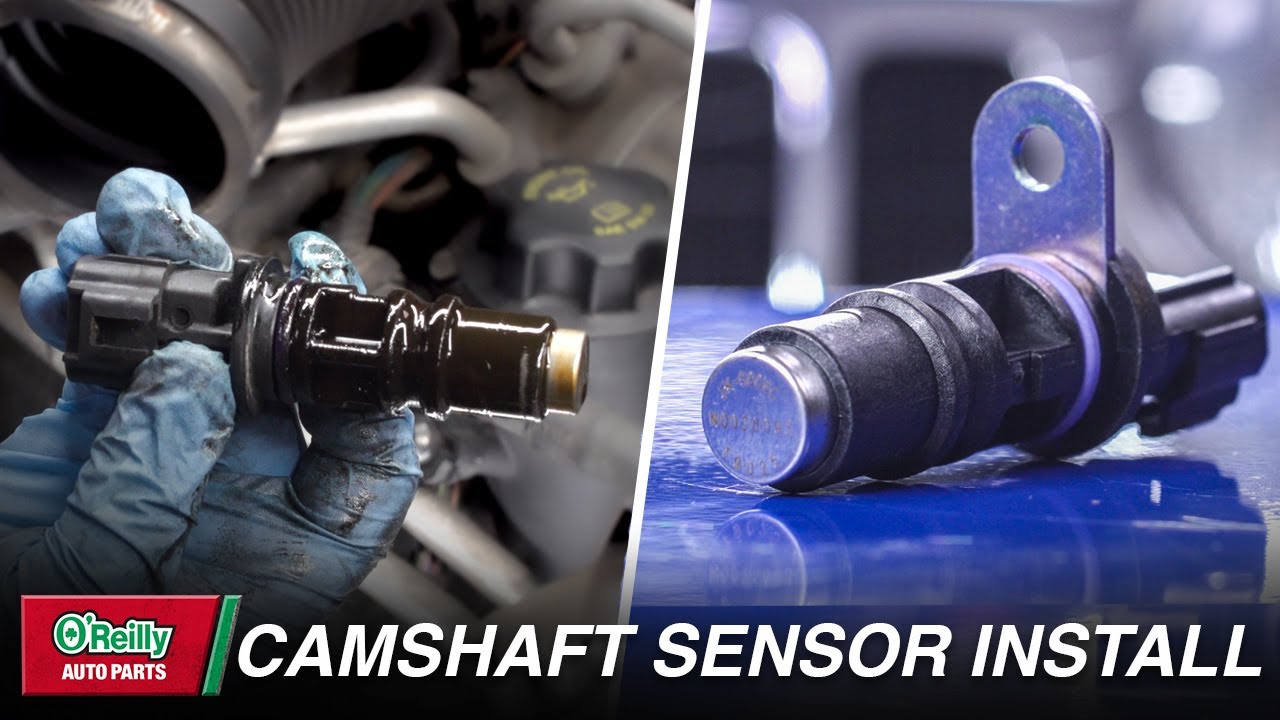
The camshaft position sensor monitors the position and speed of the camshaft. It sends this information to the engine control module, which uses the data to manage fuel injection timing and ignition timing.
Without accurate sensor information, the engine computer may struggle to synchronize fuel delivery and spark events, leading to performance issues.
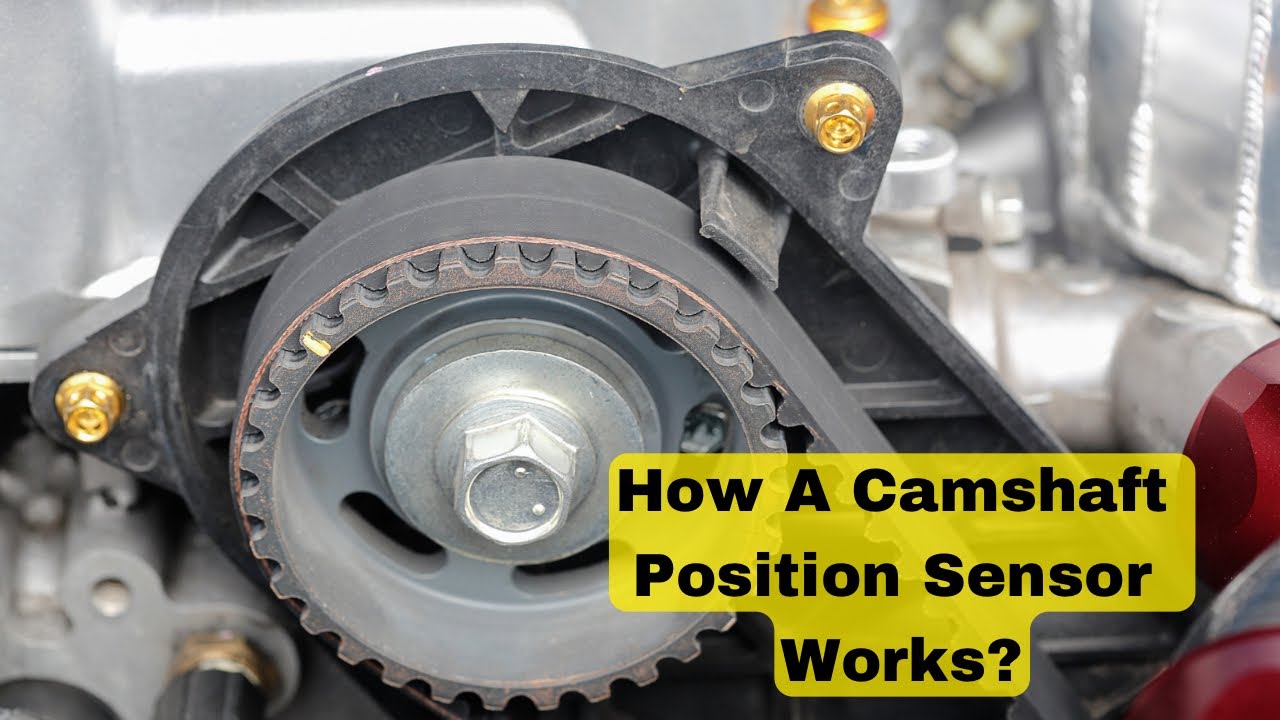
Source: youtube.com
Tracks camshaft movement
Provides real-time position information.
Supports fuel delivery
Helps optimize injection timing.
Assists ignition control
Improves engine efficiency and drivability.
Why the sensor matters
Modern engines rely heavily on electronic sensor inputs. Even a small signal problem can affect starting, acceleration, and fuel economy.
Engine management
Accurate timing data helps maintain smooth operation.
What Causes a Camshaft Position Sensor to Fail Early?
Although camshaft position sensors are durable, several factors can shorten their lifespan. Excessive engine heat is one of the most common causes because electronic components degrade faster at high temperatures.
Oil contamination, damaged wiring, connector corrosion, vibration, and moisture intrusion can also interfere with sensor operation and lead to failure.
Source: volgenpower.com
Engine heat
Can damage internal electronic circuits.
Oil contamination
Leaking oil may affect sensor performance.
Electrical issues
Damaged wiring can interrupt sensor signals.
Moisture exposure
Water intrusion may cause corrosion.
Preventable causes
Fixing oil leaks, protecting wiring, and addressing engine overheating issues can help extend sensor life.
Regular inspections
Can reveal issues before sensor damage occurs.
How Can You Tell When a Camshaft Position Sensor Is Going Bad?
A failing camshaft position sensor often produces noticeable drivability symptoms. The most common warning sign is a check engine light accompanied by a diagnostic trouble code.
Drivers may also experience hard starting, engine stalling, rough idling, hesitation during acceleration, reduced fuel economy, or intermittent power loss.
Source: amadaun.net
Check engine light
One of the earliest and most common symptoms.
Hard starting
Engine may crank longer than normal.
Stalling
Sensor signal interruptions can stop the engine.
Poor performance
Timing errors can affect acceleration and efficiency.
When symptoms appear intermittently
Many failing sensors work normally when cool and malfunction after reaching operating temperature, making diagnosis more challenging.
Temperature-related failures
Symptoms may come and go depending on heat levels.
Should You Replace a Camshaft Position Sensor Preventively?
In most cases, preventive replacement is unnecessary. Since camshaft position sensors often last well beyond 100,000 miles, replacing a working sensor rarely provides measurable benefits.
Replacement becomes worthwhile when diagnostic testing confirms a faulty sensor, symptoms are present, or the component is easily accessible during related engine repairs.
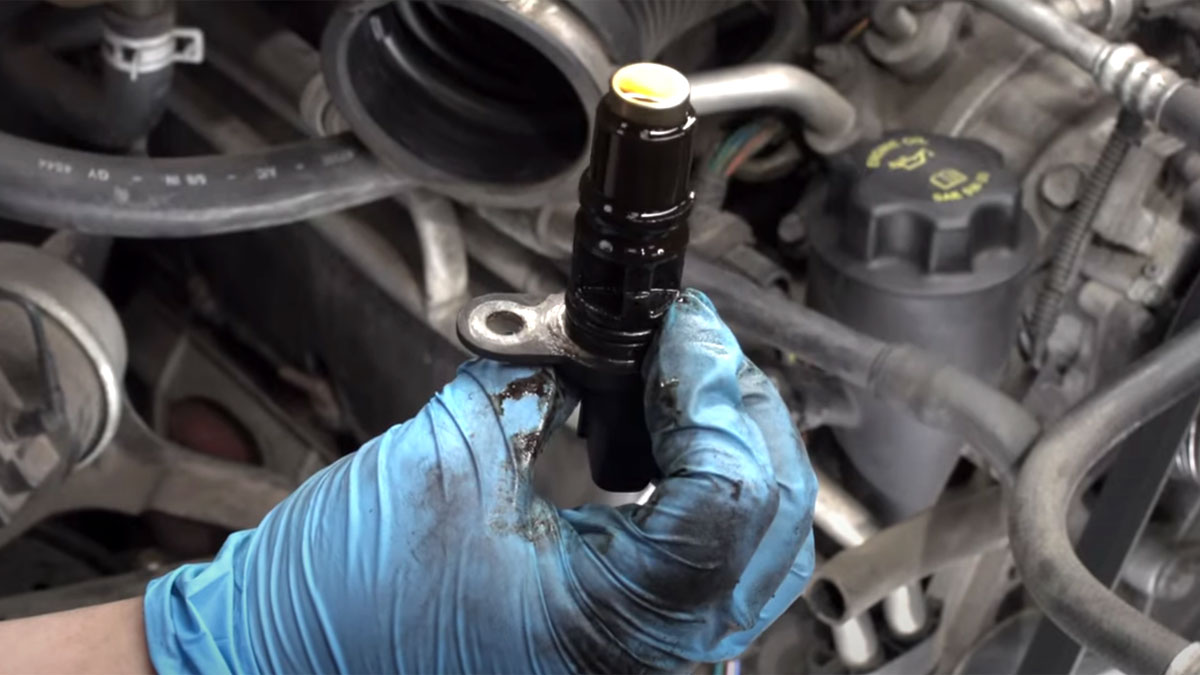
Source: youtube.com
No routine interval
Most vehicles do not require scheduled replacement.
Replace when faulty
Use diagnostic results rather than mileage alone.
Consider related repairs
Replacement may save labor when nearby components are being serviced.
Signs replacement is justified
Persistent trouble codes, repeated stalling, and confirmed signal loss are strong indicators that replacement is needed.
Diagnostic confirmation
Testing should identify the sensor as the actual cause.
Frequently Asked Questions
Q
Can a camshaft position sensor last the life of a vehicle?
Yes. Many camshaft position sensors operate reliably for the entire lifespan of a vehicle. However, environmental factors and electrical issues can shorten their service life.
Q
What mileage do camshaft position sensors usually fail?
Failures commonly occur after 100,000 miles, but there is no universal mileage. Some fail earlier, while others continue working beyond 200,000 miles.
Q
Can I drive with a bad camshaft position sensor?
A vehicle may still run with a failing sensor, but drivability problems can worsen over time. Stalling, poor performance, and hard starting may increase safety risks.
Q
Will a bad camshaft position sensor trigger a check engine light?
Yes. A faulty sensor often causes the engine control module to store trouble codes and illuminate the check engine light.
Q
How much does it cost to replace a camshaft position sensor?
Costs vary by vehicle model, sensor location, and labor rates. Many replacements are relatively affordable, though labor can increase costs on engines with difficult access.
✦ Wrapping Up
Conclusion
For most vehicles, the answer to how long do camshaft position sensors last is between 100,000 and 150,000 miles, with many lasting even longer. They are designed as long-life electronic components rather than routine maintenance items.
Monitoring engine performance, responding to warning lights, and addressing oil leaks or electrical issues promptly can help maximize sensor life and reduce the chance of unexpected failure.
💡 Key Takeaway
If you notice starting problems, stalling, or a check engine light, have the sensor and related wiring professionally diagnosed before replacing parts.
Ethan Brooks is an automotive writer at Auto News 7, covering car news, vehicle maintenance, new model updates, recalls, and practical buying guides. He focuses on clear, useful information that helps drivers understand their vehicles and make better ownership decisions.
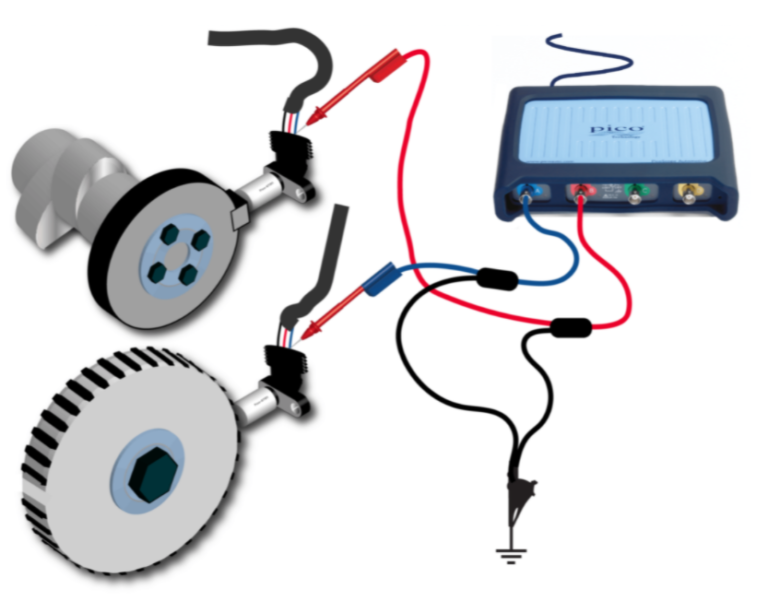
Learn how to sync camshaft and crankshaft sensors, diagnose timing correlation issues, perform relearn procedures, and troubleshoot common engine synchronization problems.
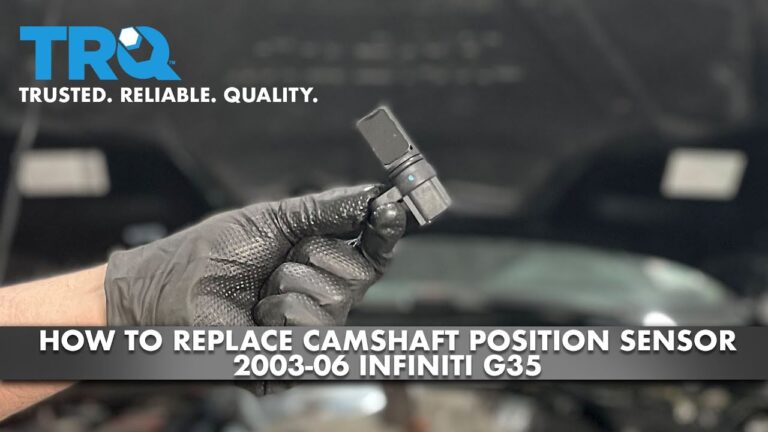
Learn how to replace camshaft sensor Infiniti G35 models with this detailed DIY guide. Find symptoms, tools, sensor locations, replacement steps, troubleshooting tips, and common mistakes.
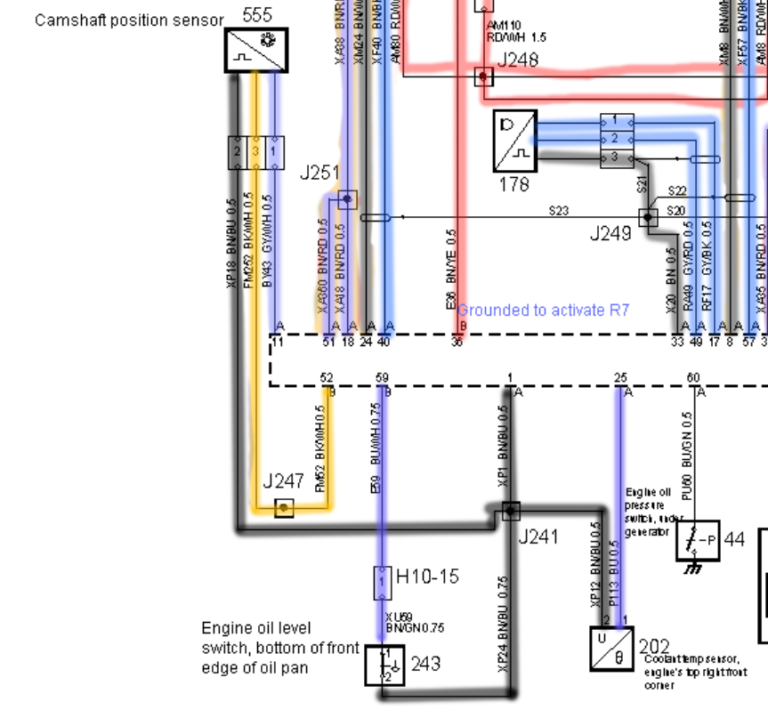
Learn how to rewire a camshaft position sensor safely. Follow step-by-step instructions, wiring checks, troubleshooting tips, and common repair mistakes.
Learn how to remove a camshaft position sensor safely with this detailed step-by-step guide. Discover required tools, common mistakes, troubleshooting tips, and what to do after removal.