Crankshaft position sensors have no fixed replacement interval and can last for many years, but failure depends on age, heat, contamination, wiring, and vehicle use.
For drivers in the United States, there is no universal mileage or time interval that tells you when a crankshaft position sensor will fail. Unlike engine oil, filters, or some timing components, a crankshaft position sensor is generally replaced when testing shows a fault or when its condition warrants replacement. Vehicle design, sensor type, operating temperature, contamination, vibration, wiring condition, and exposure to road debris can all affect service life.
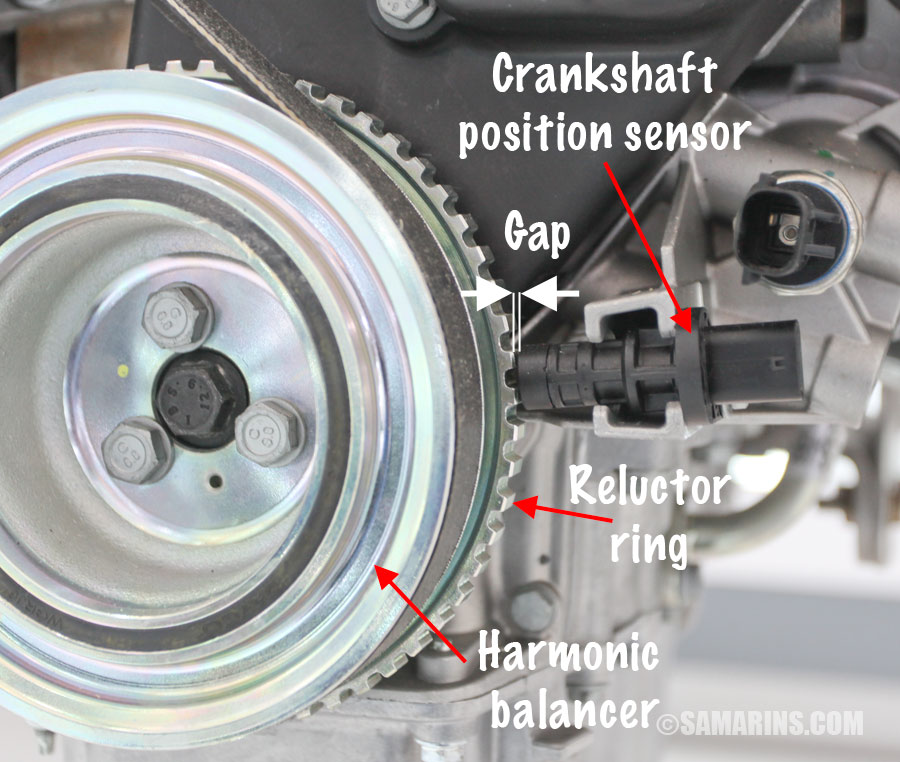
The crankshaft position sensor, often called the CKP sensor, monitors crankshaft position and rotational speed. The engine control module uses that information to manage functions such as fuel injection and ignition timing. When the signal becomes weak, erratic, or disappears, the vehicle may develop hard starting, stalling, misfires, rough running, reduced performance, or a no-start condition.
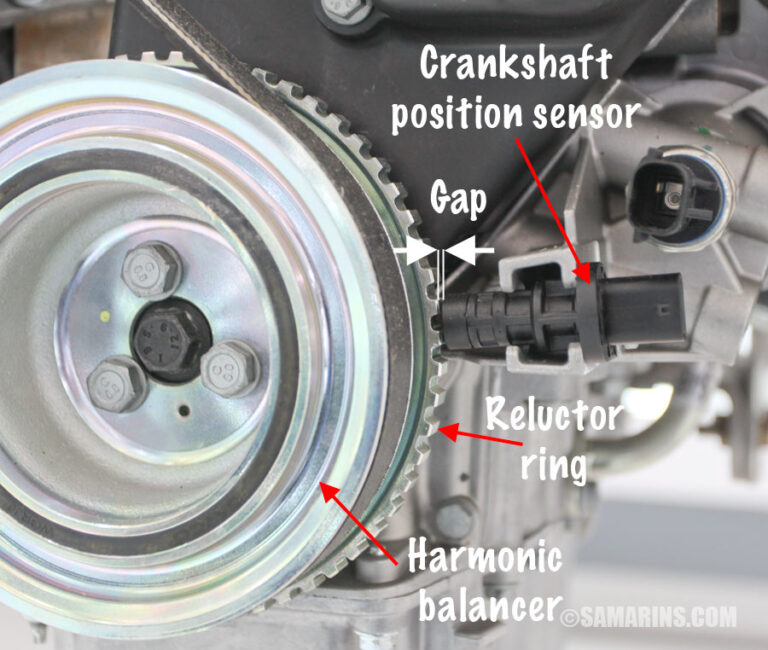
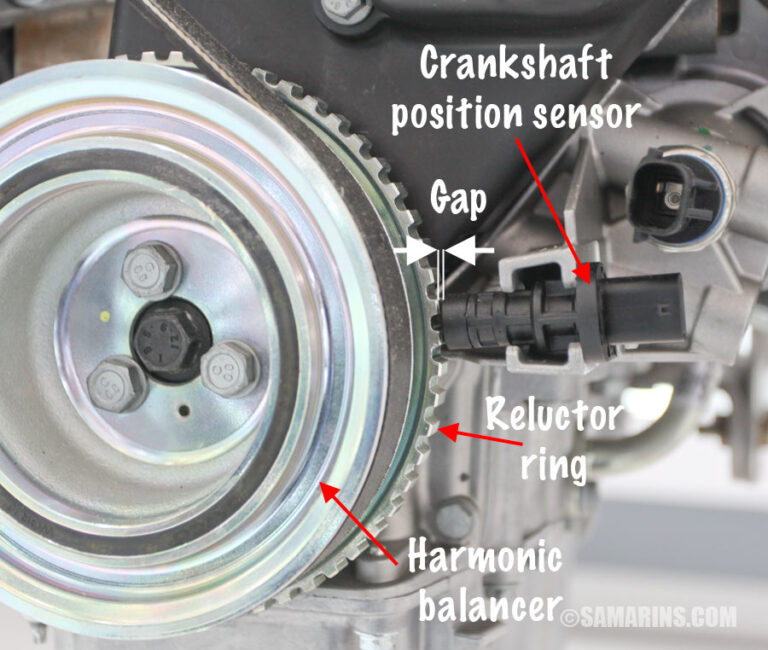
Source: samarins.com
How Often Do Crankshaft Position Sensors Fail?
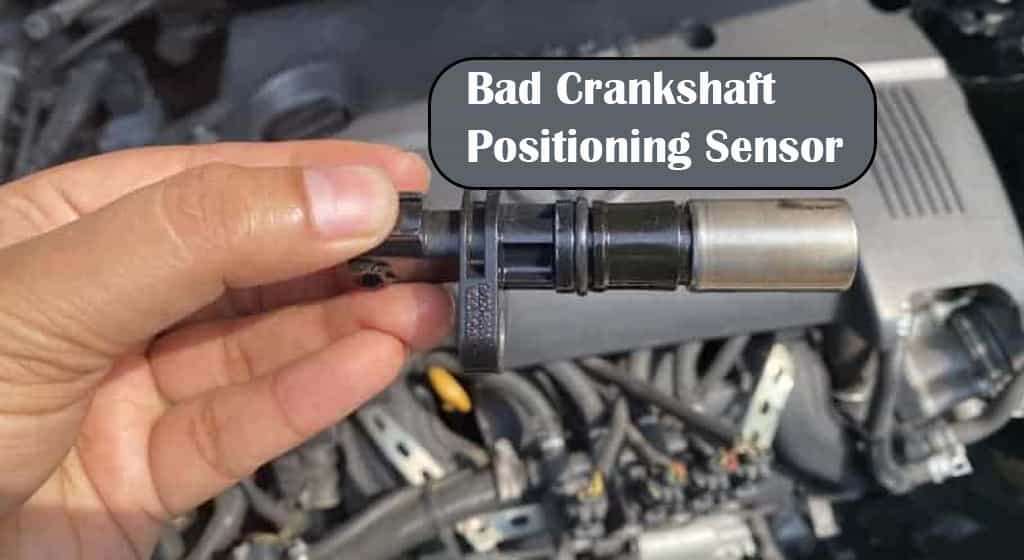
There is no dependable industry-wide failure interval for crankshaft position sensors. Automakers generally do not specify a universal service life such as 60,000 or 100,000 miles for every CKP sensor. Some sensors can remain functional for the life of the vehicle, while others can fail much earlier because of their operating environment or an electrical or mechanical problem.
The most useful way to think about CKP sensor lifespan is condition rather than mileage. A sensor mounted close to a hot engine component may experience repeated thermal stress. A sensor exposed to oil, dirt, water, vibration, or road debris can also face conditions that shorten its useful life.
A failure can also appear to be a sensor problem when the actual fault is somewhere else. Damaged wiring, corroded connectors, an incorrect sensor gap, or a damaged trigger wheel can interfere with the signal reaching the engine control module.
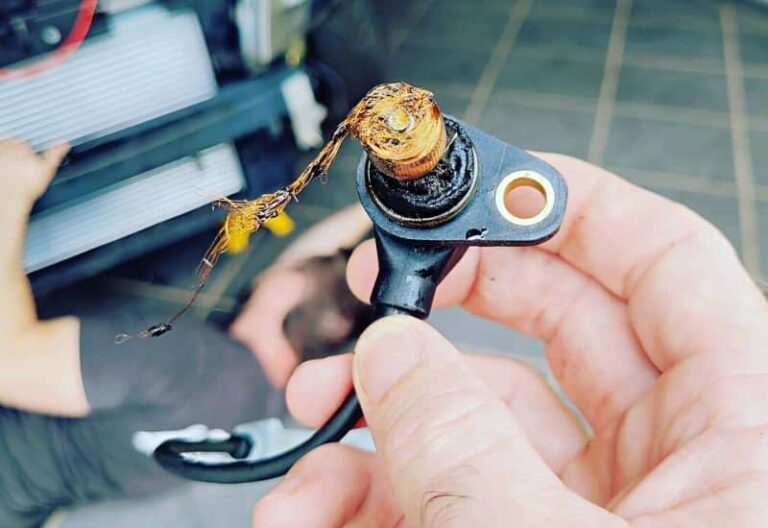
Source: mechstudies.com
No fixed replacement interval
Most vehicles do not require crankshaft position sensor replacement at a specific mileage simply because the sensor has reached that mileage.
Age can matter
Internal components and electrical connections can deteriorate over time, particularly when the sensor operates in a high-temperature or high-vibration location.
Environment matters
Heat, contamination, moisture, vibration, physical impact, and wiring damage can all contribute to CKP sensor problems.
Why There Is No Universal Lifespan
Crankshaft position sensors are used in different engine designs and are exposed to different conditions. Inductive and Hall-effect sensors also use different sensing principles and electrical arrangements. Because vehicle design and operating conditions vary, a single lifespan figure would be misleading.
A vehicle used mainly for short trips, heavy traffic, towing, extreme temperatures, or dusty conditions may place different stresses on engine electronics than a vehicle used under moderate conditions. The sensor’s location and the quality of its surrounding wiring also matter.
What Causes a Crankshaft Position Sensor to Fail?
A crankshaft position sensor can fail because of electrical deterioration, heat, contamination, physical damage, or problems with the components it monitors. In some cases, the sensor itself is healthy but cannot produce a reliable signal because its wiring, connector, mounting position, or target wheel has a problem.
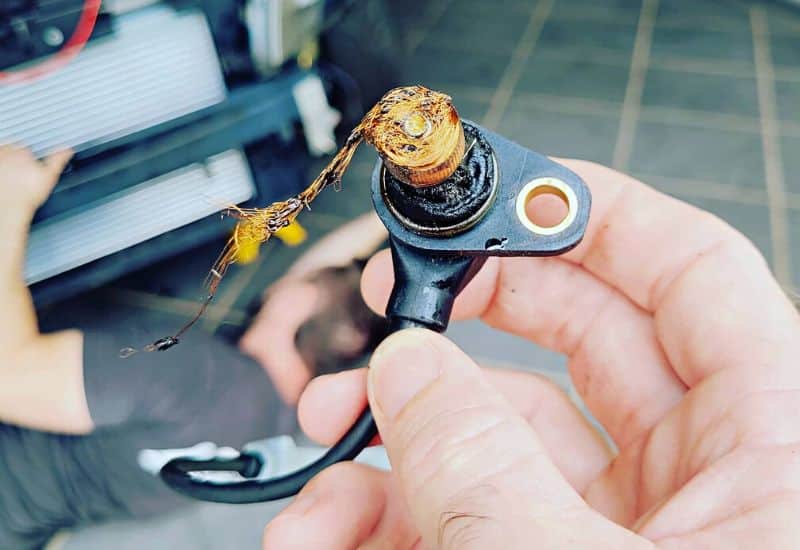
Heat is a common concern because the CKP sensor is usually mounted near the engine and may be exposed to repeated temperature changes. Vibration and engine movement can also stress wiring and connectors over time.
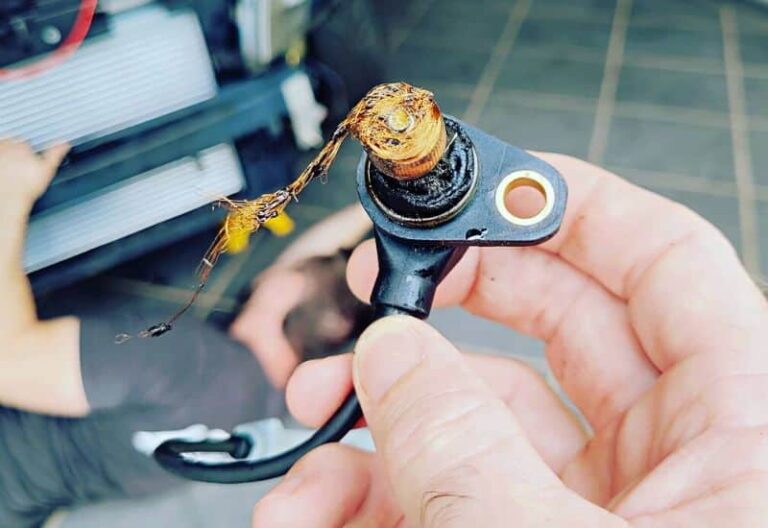
Contamination can create another problem. Depending on the sensor design and location, dirt or debris can interfere with sensing, while oil or moisture can contribute to connector and wiring problems. Physical damage can also occur if the sensor or nearby components are struck.
Source: mechanicsdiary.com
Heat and thermal cycling
Repeated exposure to engine heat and cooling cycles can contribute to deterioration of sensor materials and electrical connections.
Wiring and connector damage
Broken, loose, corroded, or damaged wiring can interrupt the CKP signal and may produce symptoms that look like sensor failure.
Contamination
Dirt, oil, metal debris, or moisture can interfere with some sensor designs or damage related electrical connections.
Physical damage
Impact from road debris or contact with another engine component can damage the sensor or its mounting.
Trigger or reluctor wheel problems
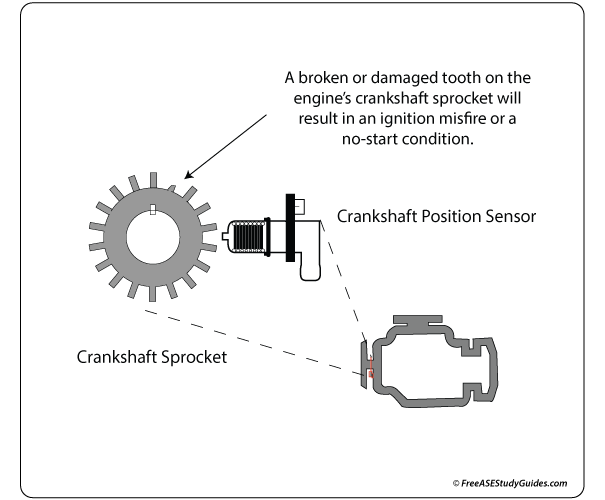
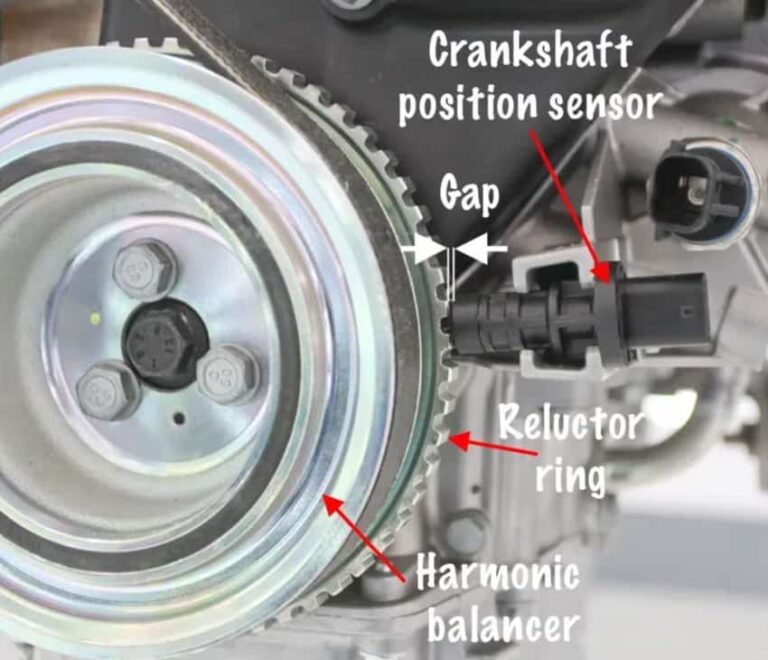
The sensor reads a rotating target associated with the crankshaft. Damage, incorrect positioning, or other problems with that target can produce an unreliable signal.
Can a Crankshaft Position Sensor Fail Suddenly?
Yes. A CKP sensor can produce intermittent symptoms before failing completely, but it can also stop producing a usable signal with little warning. Intermittent faults may become more noticeable when the engine is hot, during starting, or under certain vibration conditions.
A vehicle that stalls because the engine control system loses a critical crankshaft signal may restart after the sensor or surrounding components cool down. That pattern can be a useful diagnostic clue, but it does not prove the sensor is defective.
What Are the Signs of a Failing Crankshaft Position Sensor?
The most common warning signs include difficult starting, intermittent stalling, engine misfires, rough running, reduced performance, and a check engine light. The exact symptoms vary by vehicle because engine control systems can respond differently when the CKP signal becomes unreliable.
A no-start condition is particularly relevant because the engine control module needs crankshaft position and speed information to coordinate engine operation. If that information is missing or implausible, the engine may crank without starting.
Do not assume that one symptom proves a bad crankshaft sensor. Many other engine and electrical faults can cause similar problems. Diagnosis should consider the vehicle’s stored trouble codes, live data, wiring, connectors, sensor signal, and related mechanical components.
Source: freeasestudyguides.com
Hard starting or no start
The engine may crank normally but fail to start if the control module cannot obtain a usable crankshaft position signal.
Intermittent stalling
An intermittent sensor or circuit problem can cause the engine to stop unexpectedly, sometimes after the vehicle reaches operating temperature.
Misfires or rough running
An inconsistent crankshaft signal can interfere with engine timing and contribute to rough operation or misfires.
Reduced performance
Incorrect or missing crankshaft information can cause the engine control system to alter its operating strategy.
Check engine light
The engine control module may store a diagnostic trouble code when it detects a crankshaft position or signal problem.
Does a Check Engine Code Mean the Sensor Is Bad?
No. A diagnostic trouble code identifies a condition that the vehicle detected, not necessarily the exact component that must be replaced. A crankshaft position code can result from the sensor, its wiring, connector, electrical supply, signal circuit, sensor mounting, or the crankshaft target wheel.
For example, an intermittent crankshaft position code may require inspection of the connector and circuit before a technician replaces the sensor. Vehicle-specific service information should be used because testing procedures and acceptable electrical values differ by model.
How Do You Diagnose a Crankshaft Position Sensor Problem?
Diagnosis should start with the vehicle’s symptoms and diagnostic trouble codes, followed by a visual inspection and vehicle-specific electrical or signal testing. Replacing the sensor immediately can waste money if the real fault is a damaged connector, wiring problem, incorrect sensor position, or damaged trigger wheel.
A scan tool can help identify stored or pending fault codes and provide useful live data. On many vehicles, engine RPM while cranking is also useful because the engine control system depends on crankshaft speed information. However, the expected values and diagnostic procedure depend on the vehicle.
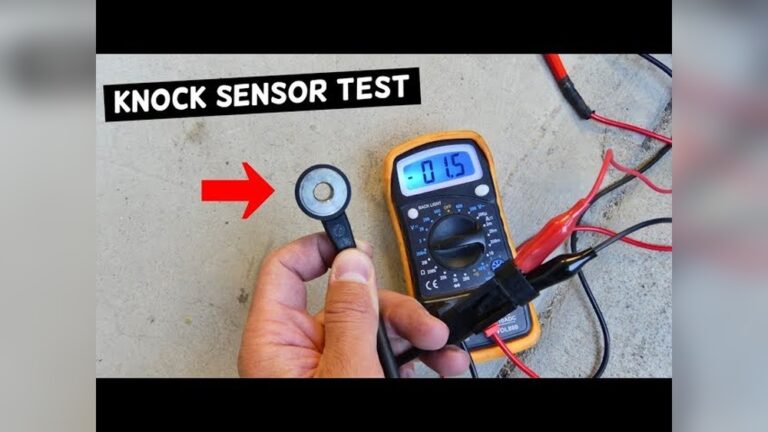
A multimeter or oscilloscope may be required for deeper testing. The correct test method depends on whether the vehicle uses an inductive sensor, Hall-effect sensor, or another design. Manufacturer service information should take priority over generic resistance values or internet testing instructions.
Source: freeasestudyguides.com
Read the trouble codes
Record the diagnostic trouble codes and freeze-frame information before clearing anything.
Inspect the connector and wiring
Look for corrosion, loose terminals, broken wires, insulation damage, moisture, or wiring that has been rubbing against another component.
Check the sensor installation
Confirm that the sensor is mounted correctly and that its specified air gap or position is correct when the vehicle design requires such a measurement.
Check the signal
Use the vehicle’s specified procedure to test sensor voltage, resistance, waveform, or live engine-speed data.
Inspect related mechanical parts
If the electrical tests do not identify the problem, inspect the crankshaft target, reluctor, tone wheel, or other components that the sensor reads.
Why Vehicle-Specific Testing Matters
There is no single resistance value or voltage pattern that applies to every crankshaft position sensor. Different sensor designs use different electrical characteristics, and manufacturers may specify different testing procedures.
For that reason, a generic test result should not be used as the final reason to replace a sensor. A repair manual or factory service procedure for the exact vehicle can provide the required pin locations, test conditions, specifications, and signal patterns.
When Should You Replace a Crankshaft Position Sensor?
Replace a crankshaft position sensor when testing confirms that the sensor has failed or when vehicle-specific diagnostic procedures identify it as the defective component. Preventive replacement solely because the vehicle has reached a certain mileage is generally not appropriate unless the manufacturer specifically calls for it.
If the sensor has failed, replacing it without correcting the underlying cause can lead to another failure. Before installing the replacement, inspect the connector, wiring, mounting area, and related crankshaft target components.
Use a quality replacement that matches the vehicle’s exact application. After installation, follow the manufacturer’s procedure for clearing codes, relearning crankshaft position if required, and verifying that the fault does not return.
Source: fridayparts.com
Replace after confirmed failure
Testing should establish that the sensor is defective rather than relying on symptoms or a trouble code alone.
Repair the cause
Correct wiring, connector, mounting, contamination, or mechanical target problems that could affect the replacement sensor.
Follow relearn procedures
Some vehicles require a crankshaft position variation or related relearn procedure after sensor replacement.
Verify the repair
Clear codes when appropriate, start the engine, monitor the relevant data, and follow the vehicle-specific verification procedure.
Is It Safe to Drive With a Suspected Bad CKP Sensor?
Driving with a suspected crankshaft position sensor problem can be risky because the engine may misfire, lose power, stall, or fail to restart. An intermittent problem can also become a complete failure without a predictable warning period.
If the vehicle is stalling, running severely rough, losing power, or repeatedly failing to start, avoid continued driving and have the problem diagnosed. A professional inspection is especially appropriate when the vehicle stops unexpectedly in traffic or when the cause cannot be identified with basic checks.
What Can Shorten Crankshaft Position Sensor Life?
The biggest factors are usually the sensor’s operating environment and the condition of the electrical and mechanical parts around it. A CKP sensor that operates near a hot engine area, experiences heavy vibration, or has damaged wiring may develop problems sooner than a sensor working in a cleaner and less stressful environment.
Vehicle age also matters, but age alone does not provide a reliable replacement schedule. A well-functioning original sensor does not necessarily need to be changed simply because the vehicle is old. Conversely, a relatively new sensor may fail if it was damaged or if an associated component is defective.
Source: mechstudies.com
High heat
Repeated exposure to high temperatures can stress electronic components, insulation, and connectors.
Vibration
Constant engine vibration can place mechanical and electrical stress on the sensor and its wiring.
Moisture and contamination
Water, oil, dirt, and other contaminants can interfere with some sensor installations and electrical connections.
Road debris
A sensor mounted in an exposed area may be vulnerable to physical damage from debris or nearby component contact.
Poor electrical connections
Loose, corroded, or damaged terminals can create intermittent signals that may be mistaken for an internal sensor failure.
Can Maintenance Prevent a CKP Sensor Failure?
There is no routine maintenance procedure that guarantees a crankshaft position sensor will not fail. However, keeping the engine and electrical system in good condition can help identify related problems before they cause a breakdown.
During repairs or inspections, damaged wiring, oil leaks, loose connectors, and physical damage around the sensor should be addressed. If symptoms develop, early diagnosis can also prevent unnecessary replacement of unrelated parts.
Frequently Asked Questions
Q
How many miles does a crankshaft position sensor last?
There is no universal mileage rating for a crankshaft position sensor. Its service life varies by vehicle design, sensor construction, heat exposure, vibration, contamination, wiring condition, and other operating factors.
A sensor should generally be replaced based on confirmed failure rather than an assumed mileage limit unless the vehicle manufacturer specifies a preventive replacement interval.
Q
How do I know if my crankshaft position sensor is going bad?
Common signs include difficult starting, intermittent stalling, misfires, rough running, reduced performance, and a check engine light. Some vehicles may experience an intermittent no-start condition.
These symptoms can have many causes, so testing is needed before concluding that the CKP sensor itself has failed.
Q
Can a crankshaft position sensor fail intermittently?
Yes. A sensor or its circuit can produce an intermittent signal before failing completely. Heat, vibration, damaged wiring, loose connectors, or an unstable sensor signal can contribute to intermittent symptoms.
An intermittent fault may disappear temporarily and return later, which is one reason scan data and vehicle-specific testing can be valuable.
Q
Will a bad crankshaft position sensor always cause a check engine light?
No. A faulty CKP sensor can cause a check engine light, but the warning is not guaranteed in every situation. The response depends on the vehicle’s engine control strategy and the nature of the fault.
A vehicle can have starting or running symptoms even when a warning light or stored code does not clearly identify the crankshaft sensor.
Q
Can a bad crankshaft position sensor damage the engine?
A CKP sensor failure primarily creates an engine-control and drivability problem, such as stalling, misfires, poor performance, or a no-start condition. The greater immediate concern is losing reliable engine operation rather than assuming that the sensor itself will mechanically damage the engine.
However, severe or persistent engine-control problems should not be ignored. Misfires and other running faults can have additional consequences depending on the vehicle and the underlying cause.
Q
Should I replace the crankshaft position sensor when replacing the timing belt?
Not automatically. Some vehicles may make sensor access easier during related engine work, but that does not mean every CKP sensor requires preventive replacement at the same time.
Follow the vehicle manufacturer’s maintenance schedule and service procedure. If the sensor shows signs of damage or testing identifies a fault, replacement may be appropriate.
Q
Can wiring cause the same symptoms as a bad crankshaft sensor?
Yes. Damaged wiring, loose terminals, corrosion, poor connections, or an intermittent circuit can prevent the engine control module from receiving a reliable crankshaft signal.
That is why a proper diagnosis checks the sensor and its circuit rather than treating a crankshaft-related trouble code as automatic proof that the sensor needs replacement.
✦ Wrapping Up
Conclusion
If you are wondering how often do crankshaft position sensors fail, the most accurate answer is that there is no standard failure interval that applies to every vehicle. A CKP sensor can last for many years, but heat, vibration, contamination, physical damage, wiring faults, and related crankshaft components can cause problems at almost any point in its service life.
The better approach is condition-based diagnosis. When a vehicle develops hard starting, stalling, misfires, rough running, reduced performance, or a crankshaft-related trouble code, inspect the sensor and its complete circuit before replacing parts. Vehicle-specific service information provides the correct testing procedure and specifications.
💡 Key Takeaway
Do not replace a crankshaft position sensor based on mileage alone; diagnose the sensor, wiring, connector, mounting, and crankshaft target using the vehicle-specific procedure first.
Ethan Brooks is an automotive writer at Auto News 7, covering car news, vehicle maintenance, new model updates, recalls, and practical buying guides. He focuses on clear, useful information that helps drivers understand their vehicles and make better ownership decisions.
Learn how to install crankshaft position sensor correctly with step-by-step instructions, tools, safety tips, troubleshooting advice, and signs of a successful installation.
Learn how to test a GM crankshaft position sensor with a multimeter, scan tool, and visual checks. Find bad sensors, wiring faults, and signal problems safely.
Learn how to diagnose a bad crankshaft position sensor with symptoms, testing methods, scan tool checks, multimeter tests, and practical troubleshooting steps.