How Many Ohms Should a Camshaft Sensor Have? Understanding Resistance
Learn how many ohms a camshaft sensor should have, why resistance varies by sensor type, and how to test a camshaft position sensor accurately with a multimeter.

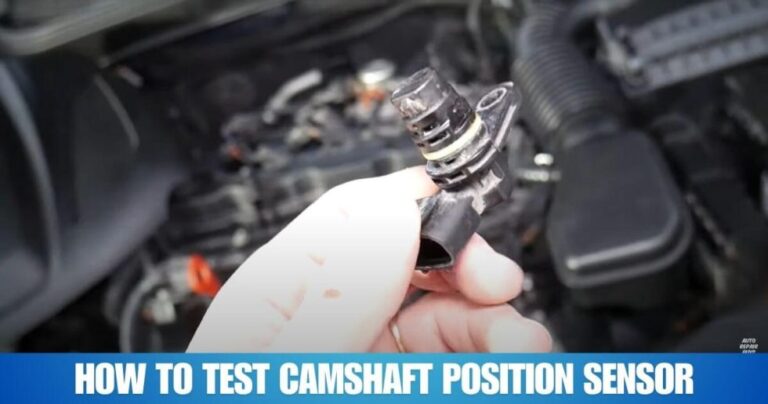
Learn how many ohms a camshaft sensor should have, why resistance varies by sensor type, and how to test a camshaft position sensor accurately with a multimeter.
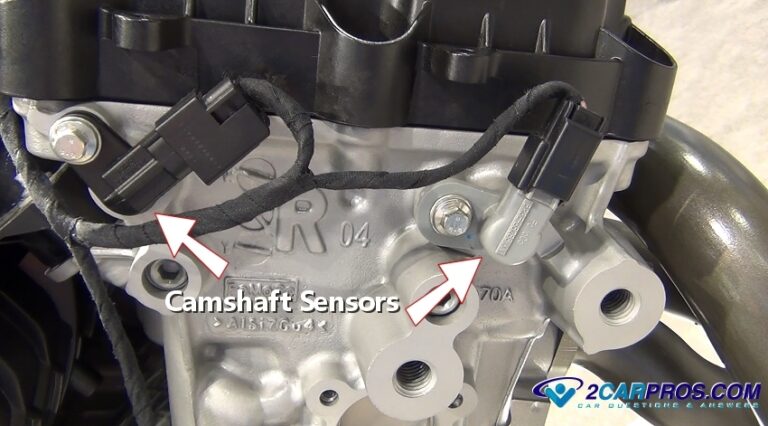
Learn when to replace a camshaft position sensor, the warning signs of failure, diagnostic tips, replacement timing, costs, and whether it is safe to keep driving.
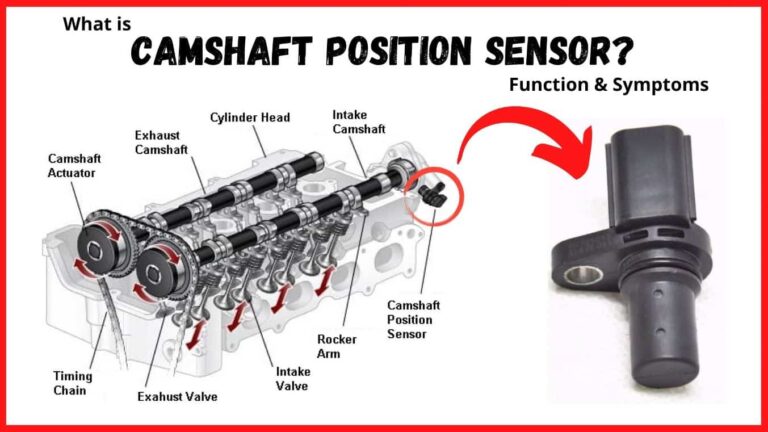
Learn whether a camshaft sensor needs to be programmed after replacement, when relearn procedures are required, common symptoms, troubleshooting steps, and what to expect during installation.
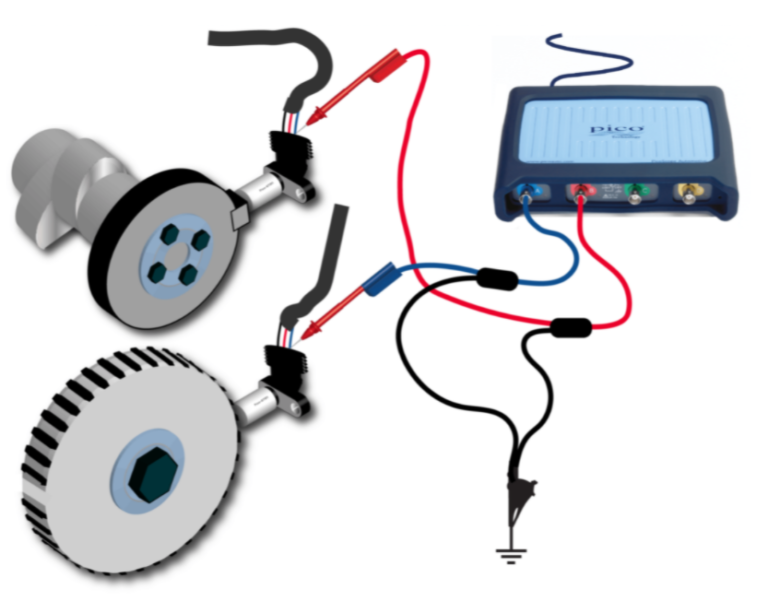
Learn how to sync camshaft and crankshaft sensors, diagnose timing correlation issues, perform relearn procedures, and troubleshoot common engine synchronization problems.
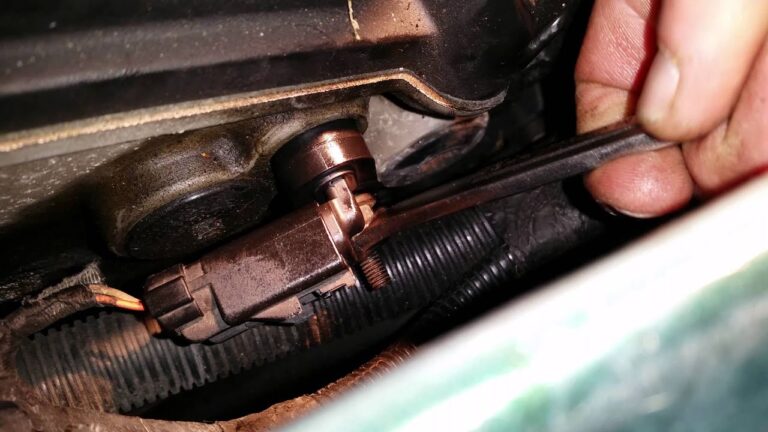
Learn how to remove a broken camshaft sensor safely and correctly. Follow this step-by-step guide to extract a stuck or broken camshaft position sensor without damaging the engine.
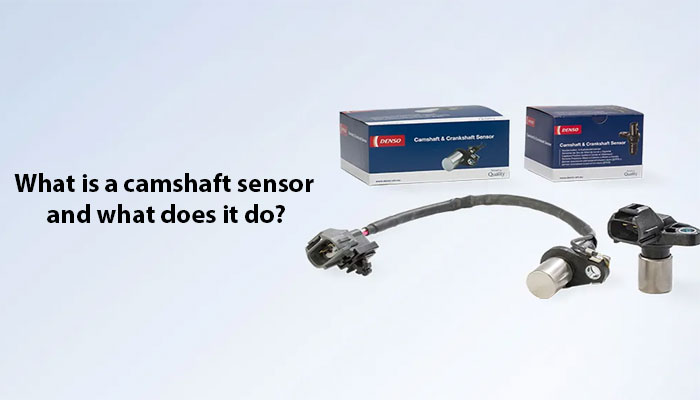
Can you drive without a camshaft sensor? Learn whether your car may run, warning signs, risks, diagnosis, and when to stop driving.
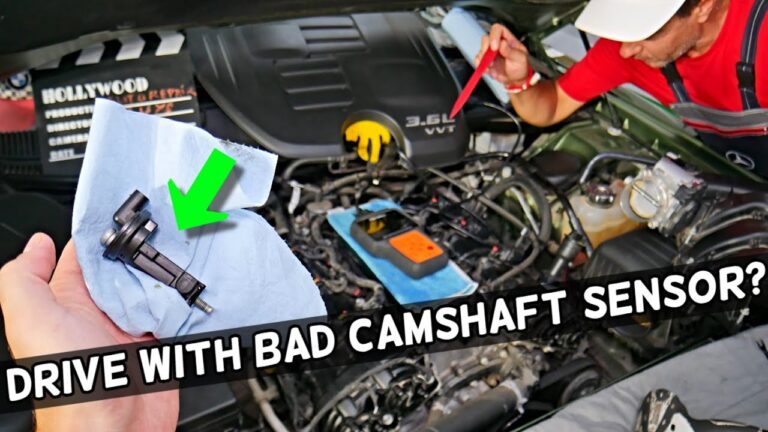
Learn whether you can drive with a bad camshaft sensor, the risks involved, warning signs, diagnosis steps, and when to stop driving.
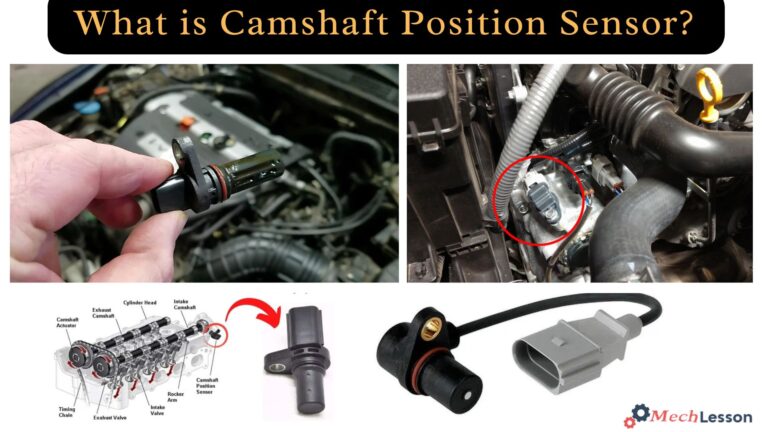
Learn how a bad camshaft position sensor can affect transmission shifting, common symptoms, diagnosis steps, and the right fixes.
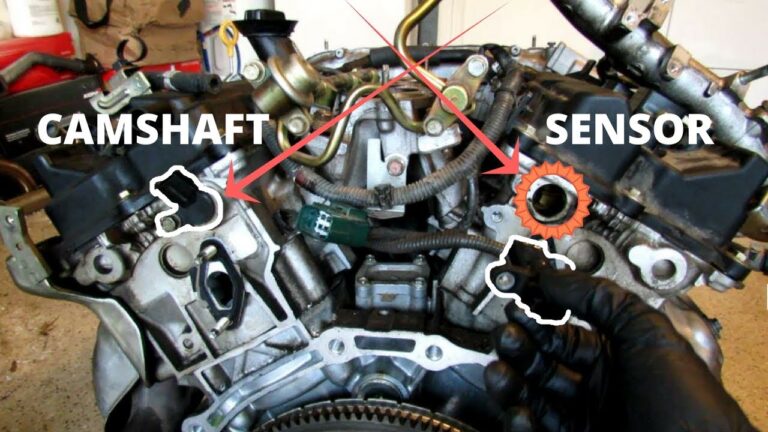
Can camshaft sensor cause engine knock? Learn when a bad sensor may contribute to knocking and how to diagnose the real cause safely.
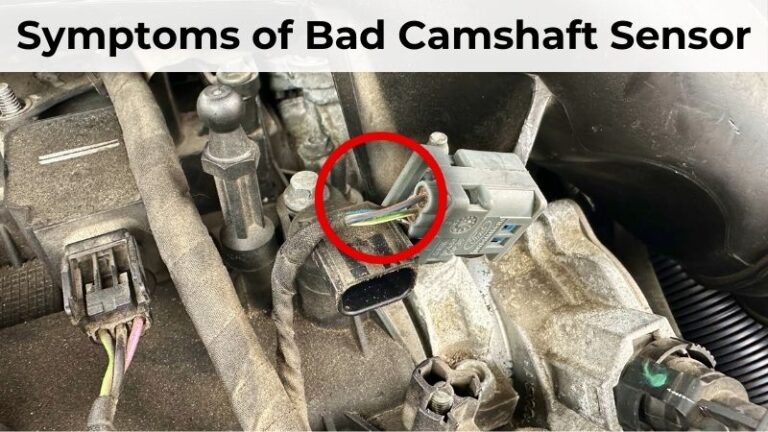
Yes, a bad camshaft sensor can cause a no-start condition. Learn the signs, causes, diagnostic steps, and what to check first.