To fix a crankshaft position sensor, diagnose the fault, inspect wiring, test the sensor, and replace it if it fails specifications.
Across the United States, a faulty crankshaft position sensor is a common cause of hard starting, engine stalling, rough running, and check engine light warnings. The sensor helps the engine control module track crankshaft speed and position so fuel injection and ignition timing occur at the correct moment.
When learning how to fix crankshaft position sensor problems, start with diagnosis instead of immediately replacing parts. Wiring damage, connector corrosion, low battery voltage, or engine control issues can create symptoms that resemble a failed sensor.
Source: brrlt.org
What Does a Crankshaft Position Sensor Do
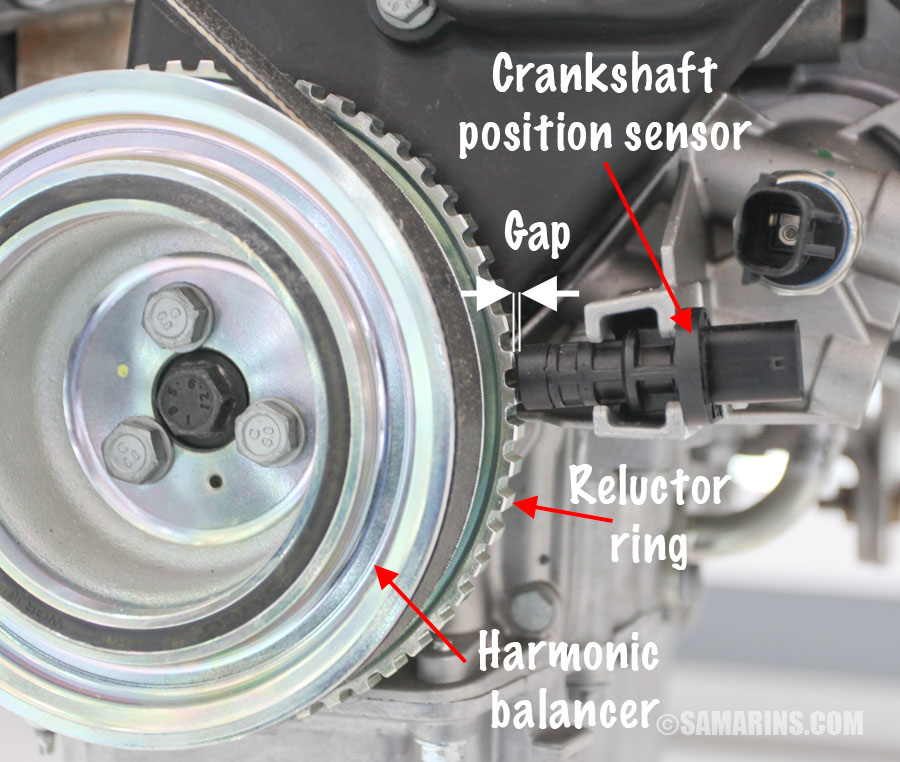
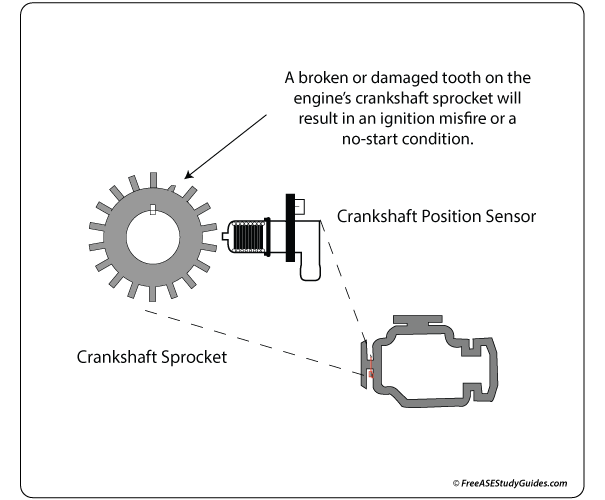
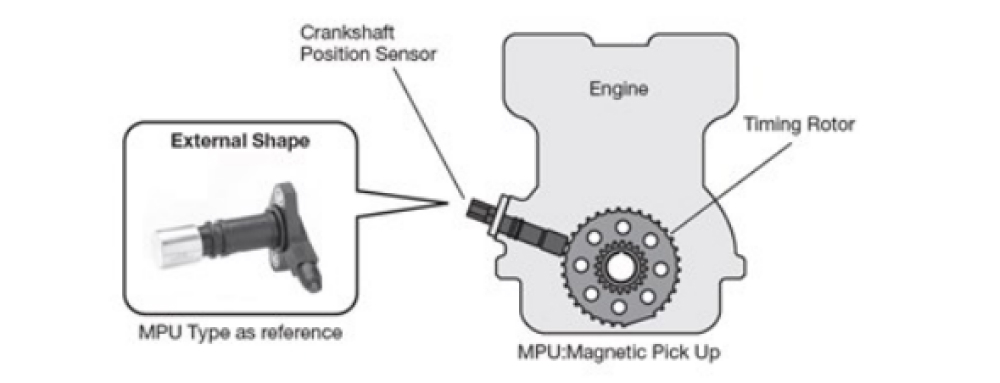
The crankshaft position sensor monitors crankshaft rotation and sends signals to the engine control module. The computer uses this information to control spark timing, fuel delivery, and engine synchronization.
If the signal becomes weak, intermittent, or disappears completely, the engine may misfire, stall, crank without starting, or enter a reduced-performance mode.
Source: newkidscar.com
Primary Function
Tracks crankshaft speed and position.
Engine Impact
Supports proper ignition timing and fuel injection.
Common Symptoms of Failure
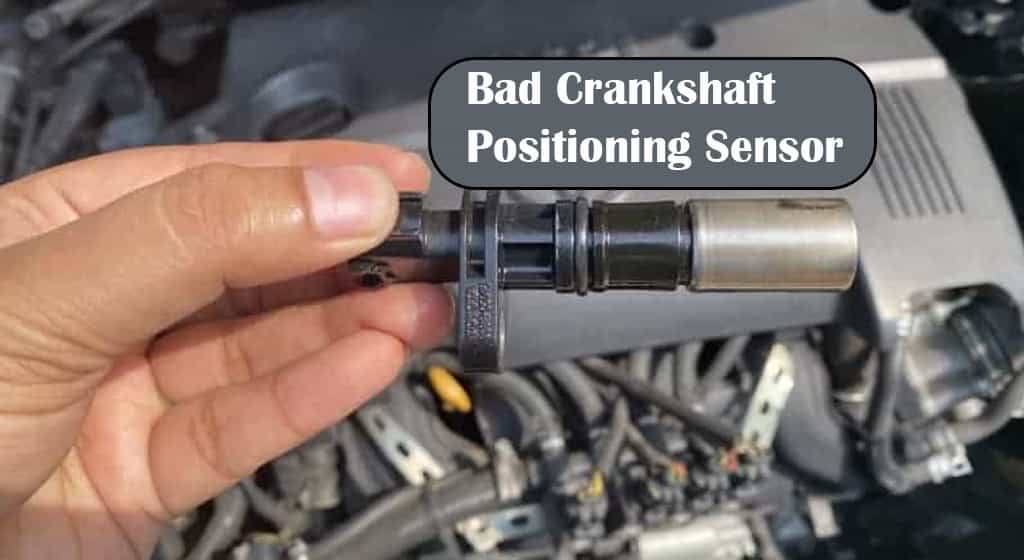
Typical symptoms include hard starting, random stalling, poor acceleration, rough idle, misfires, and an illuminated check engine light.
No Start Condition
The engine may crank normally but fail to start.
Tools and Prerequisites Before Repair
Before beginning repairs, gather the correct tools and review your vehicle’s service information. Sensor location and testing procedures vary by manufacturer and engine design.
Disconnect the battery when working on electrical connectors and follow standard vehicle safety practices.
Source: storage.googleapis.com
Scan Tool
Reads trouble codes and live engine data.
Digital Multimeter
Measures resistance, voltage, and continuity.
Basic Hand Tools
Required for sensor access and replacement.
Useful Diagnostic Codes
Codes related to crankshaft position sensor faults often indicate signal problems, circuit issues, or intermittent communication errors.
Record Codes
Save all codes before clearing them.
How to Diagnose the Problem Before Replacing the Sensor
Diagnosis should begin with a visual inspection. Look for broken wires, loose connectors, oil contamination, corrosion, or signs of physical damage around the sensor and harness.
Next, use a scan tool to check for crankshaft sensor-related trouble codes and monitor engine speed data while cranking. If the engine computer receives no RPM signal during cranking, the sensor or circuit may be at fault.
Source: storage.googleapis.com
Inspect Connector
Check for bent pins and moisture intrusion.
Check Wiring
Look for rubbing, cuts, or heat damage.
Testing With a Multimeter
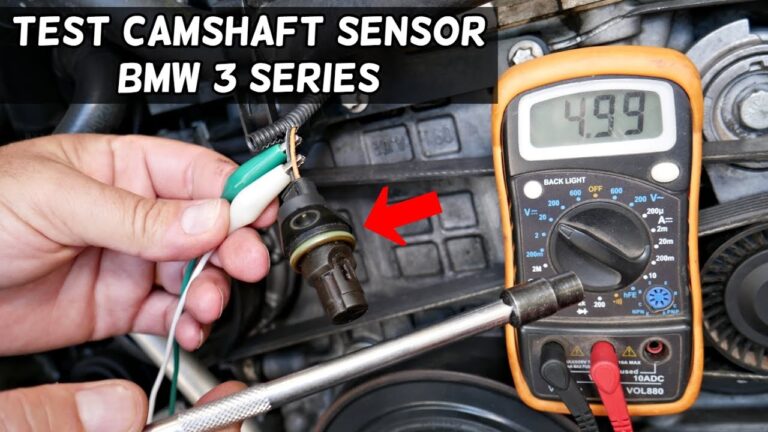
Compare voltage and resistance measurements to factory specifications. Values outside specification may indicate a defective sensor or wiring problem.
Follow Specifications
Use vehicle-specific testing procedures.
How to Fix Crankshaft Position Sensor Issues Step by Step
If testing confirms a failed sensor, replacement is usually the most reliable repair. Most crankshaft position sensors are not serviceable internally.
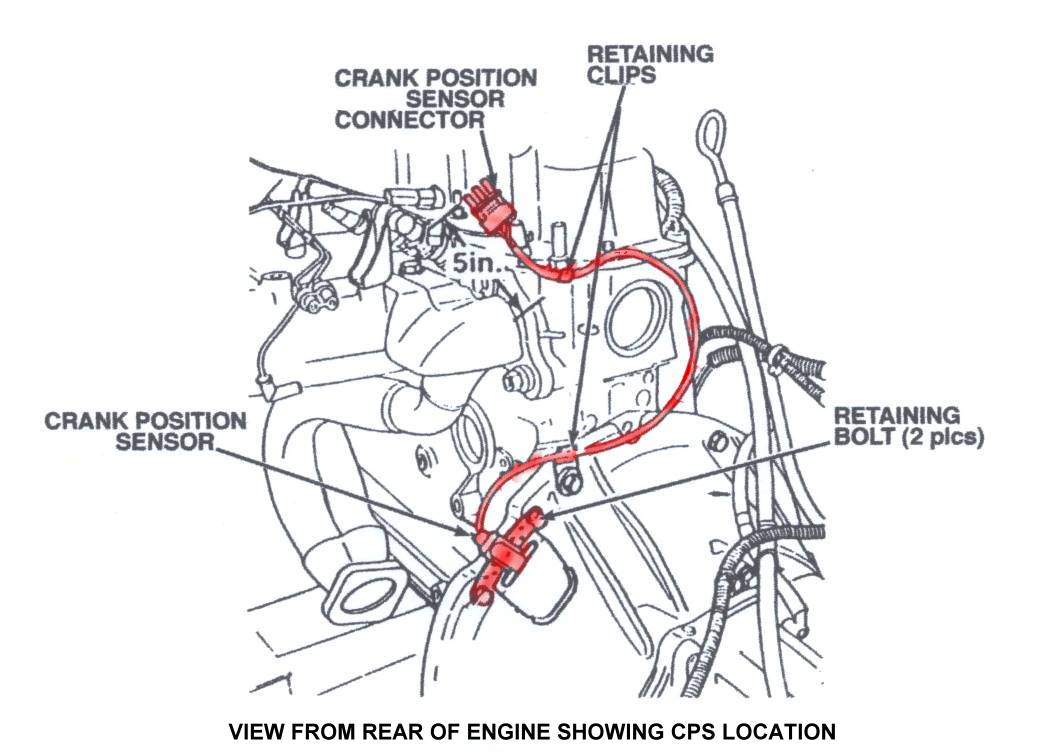
Locate the sensor, disconnect the electrical connector, remove mounting hardware, and carefully extract the sensor. Install the new component according to manufacturer specifications and reconnect all wiring.
Source: 1aauto.com
Step 1
Disconnect the negative battery terminal.
Step 2
Locate and access the sensor.
Step 3
Remove the connector and mounting bolts.
Step 4
Install the replacement sensor.
Step 5
Clear codes and verify operation.
Signs of a Successful Repair
The engine starts normally, diagnostic codes remain cleared, idle quality improves, and RPM data appears correctly on the scan tool.
Verification
Perform a road test and rescan for codes.
When the Problem Continues After Replacement
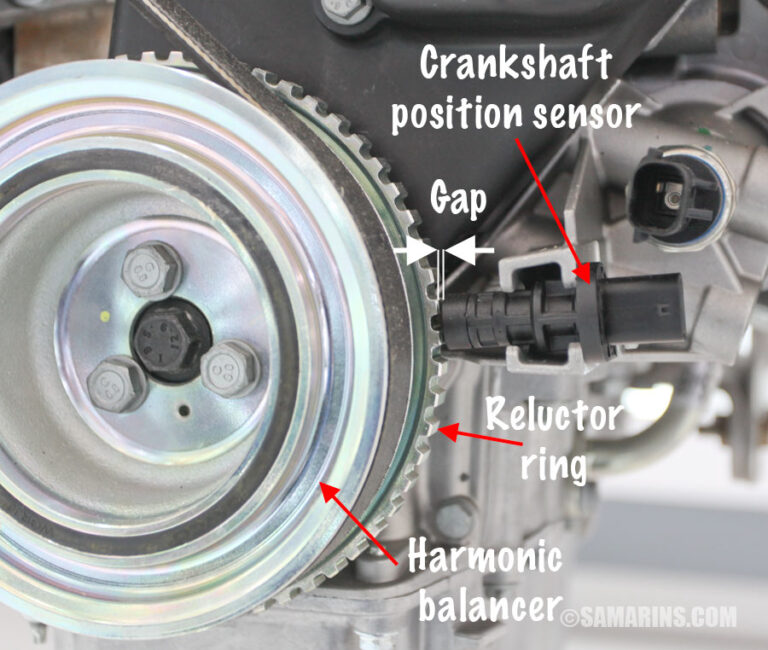
If symptoms remain after installing a new sensor, investigate related components. Wiring harness faults, damaged reluctor rings, poor grounds, timing issues, and engine control module faults can create similar symptoms.
Do not continue replacing parts without additional testing. A systematic diagnosis saves time and reduces repair costs.
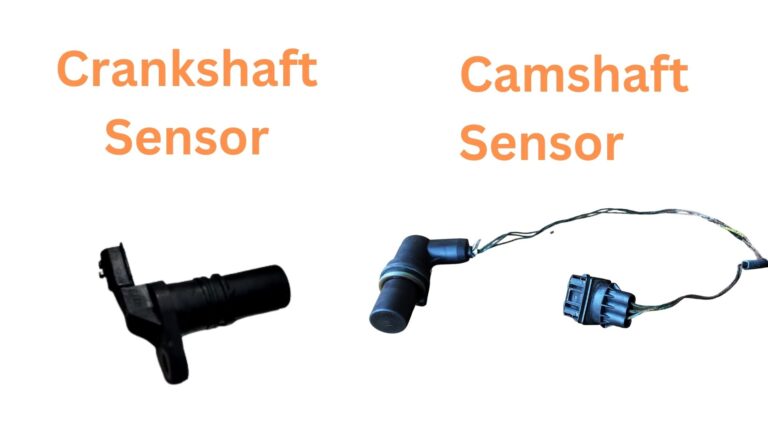
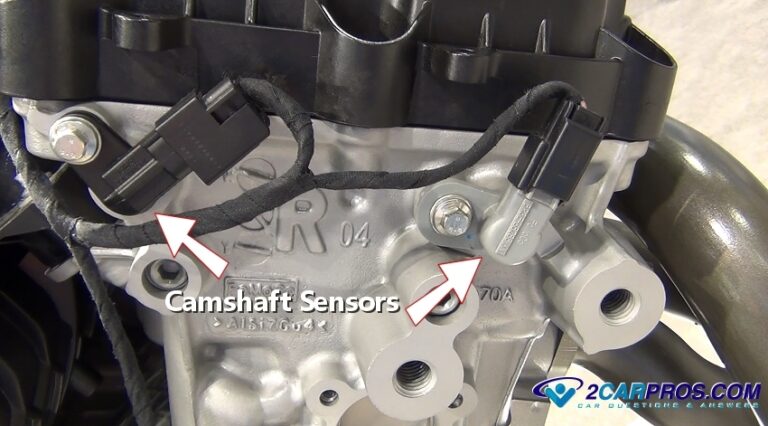
Camshaft sensor codes may point to synchronization issues.
When to Seek Professional Help
Professional diagnosis is recommended if advanced electrical testing, oscilloscope analysis, or engine timing inspection is required.
Complex Faults
Intermittent signal issues often require specialized equipment.
Common Mistakes to Avoid
Many vehicle owners replace the sensor without testing the circuit first. This can leave the original problem unresolved.
Another common mistake is installing a sensor incorrectly or failing to inspect the connector for corrosion and damaged terminals.
Source: speedalternators.com
Skipping Diagnostics
Can lead to unnecessary parts replacement.
Ignoring Wiring
Damaged wiring is a frequent root cause.
Using Incorrect Parts
Poor-quality replacements can create new issues.
Temporary Fixes
Cleaning connectors or repairing damaged wiring may restore operation temporarily, but a failed sensor generally requires replacement.
Permanent Repair
Replace defective components rather than relying on temporary solutions.
Frequently Asked Questions
Q
Can I drive with a bad crankshaft position sensor?
Driving with a failing sensor is risky because the engine can stall unexpectedly or fail to restart. Repair should be completed as soon as possible.
Q
How much does crankshaft position sensor replacement cost?
Costs vary by vehicle make, model, sensor location, and labor requirements. Some vehicles provide easy access while others require significant disassembly.
Q
Can a crankshaft position sensor fail intermittently?
Yes. Heat, vibration, and internal electrical faults can cause intermittent operation that becomes more noticeable as the engine warms up.
Q
Will a bad crankshaft position sensor trigger a check engine light?
In many cases it will. The engine control module may store fault codes related to signal loss, circuit problems, or synchronization errors.
Q
Do I need to reset the computer after replacing the sensor?
Many vehicles benefit from clearing stored diagnostic codes with a scan tool after repairs. Follow manufacturer procedures for your specific vehicle.
✦ Wrapping Up
Conclusion
Understanding how to fix crankshaft position sensor problems begins with accurate diagnosis. Many symptoms can originate from wiring faults, connector damage, or related engine management issues.
When testing confirms sensor failure, replacing the component and verifying proper operation usually restores reliable engine performance. Careful troubleshooting before replacing parts produces the best repair outcome.
💡 Key Takeaway
Scan for codes, inspect wiring, test the sensor against specifications, and replace it only after confirming the fault.
Ethan Brooks is an automotive writer at Auto News 7, covering car news, vehicle maintenance, new model updates, recalls, and practical buying guides. He focuses on clear, useful information that helps drivers understand their vehicles and make better ownership decisions.
Learn whether camshaft and crankshaft sensors are the same, how they work, their differences, symptoms of failure, and when each sensor needs replacement.
Learn whether a camshaft sensor is covered under a powertrain warranty, what affects coverage, common exceptions, and how to file a warranty claim in the United States.
Learn how to test a GM crankshaft position sensor with a multimeter, scan tool, and visual checks. Find bad sensors, wiring faults, and signal problems safely.
Learn how to replace camshaft position sensor connector wiring safely. Follow step-by-step instructions, tools needed, troubleshooting tips, and common mistakes to avoid.
Learn how to test a BMW camshaft position sensor using a scan tool, multimeter, and practical troubleshooting steps. Diagnose faults, symptoms, and sensor failures accurately.