Garden Soil vs Potting Soil: Which One Should You Use and When?
Use garden soil in outdoor beds and potting soil in containers. Garden soil is denser and suited to in-ground planting, while potting soil is made to drain and hold air in a pot.
Have you ever watered a plant in a container, then watched the water run straight through, or found a pot still soggy days later? The right growing medium can help prevent both problems, but the bag labels can make a simple choice feel oddly complicated.
I once filled a large patio pot with garden soil because I had some left over from a bed. The soil settled into a heavy, wet lump, and the plant struggled until I replaced it with a lighter mix. It’s a common mistake, not a dumb one.
I wrote this to help you sort out what these products do, where each belongs, and what to check before buying a bag. You’ll also get a practical way to improve poor soil without hauling every bit of it away.
If you choose well, you can avoid waterlogged roots, save money on the wrong product, and give plants a better start. If you use a dense bed soil in a pot, though, watering and root growth can turn into a chore.
This takes about 10 minutes to read. You’ll come away knowing how to:
- Match a soil product to a bed, raised bed, or container.
- Read a bag label without getting tripped up by marketing terms.
- Improve garden soil or adjust a potting mix for a specific plant.
- Spot drainage problems before they set a plant back.
Garden Soil vs Potting Soil: Which One Belongs Where?
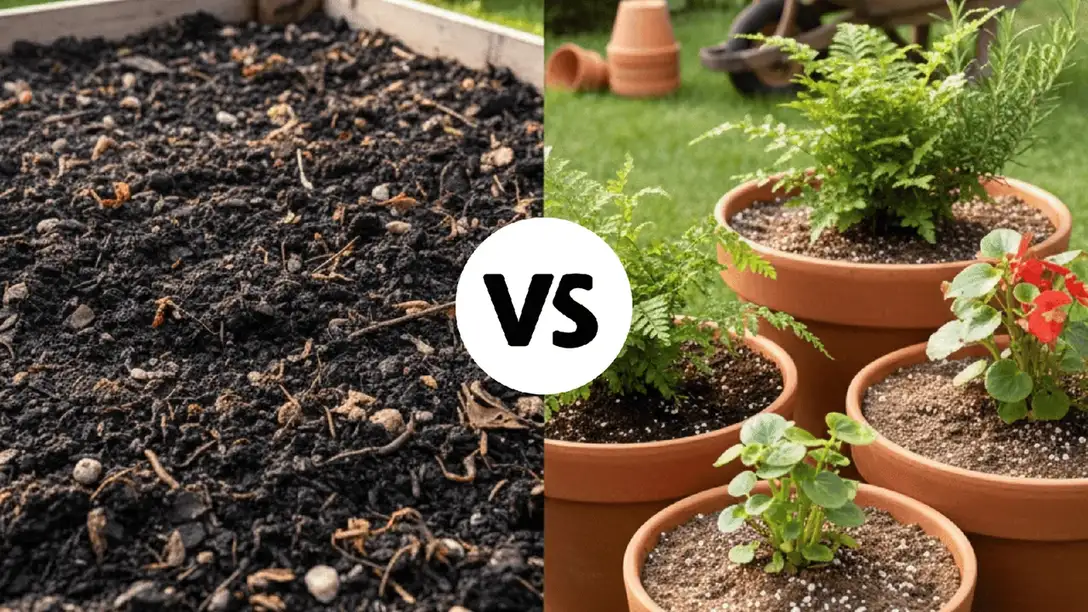
Garden soil belongs in in-ground beds, while potting soil belongs in pots and planters. For a tomato planted in the yard, use the existing bed soil and improve it if needed; for a tomato in a patio container, choose potting soil labeled for containers.
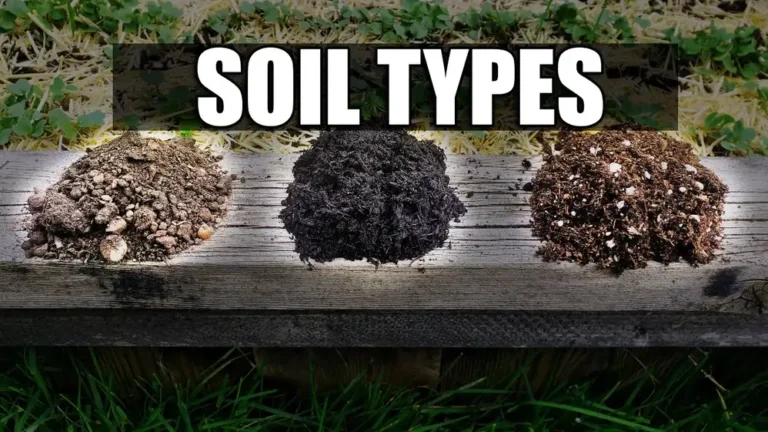
The key difference is how each material behaves in a confined space. Garden soil contains mineral particles such as sand, silt, and clay, along with organic matter. It can support plants in open ground, where extra water can move into the surrounding soil.
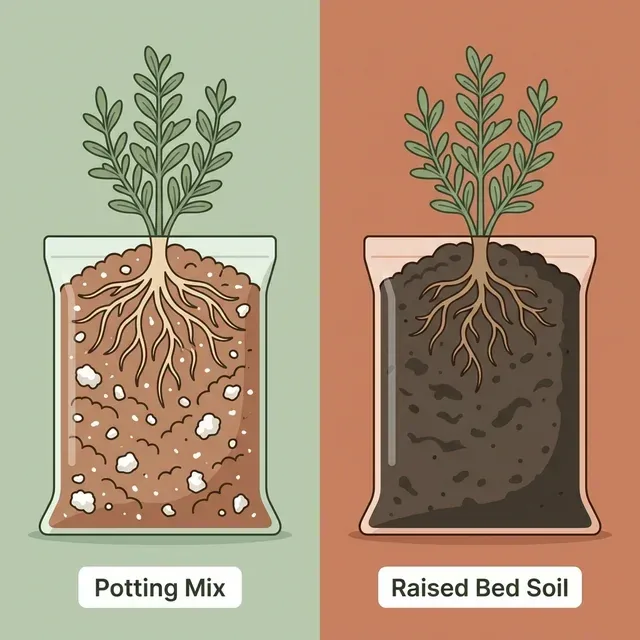
A container has no surrounding earth to absorb water or give roots more room. Potting soil, also called potting mix on many bags, is formulated to be lighter and airier, often with ingredients such as peat moss or coir, bark, and perlite. Those materials create pore space, which holds air and lets excess water drain through the pot’s holes.
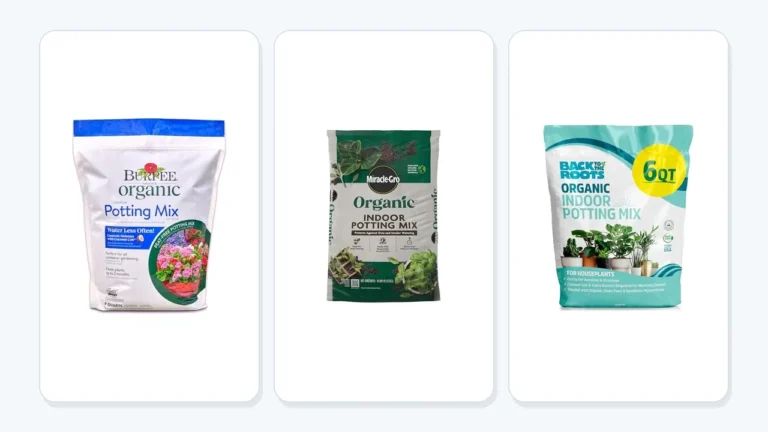
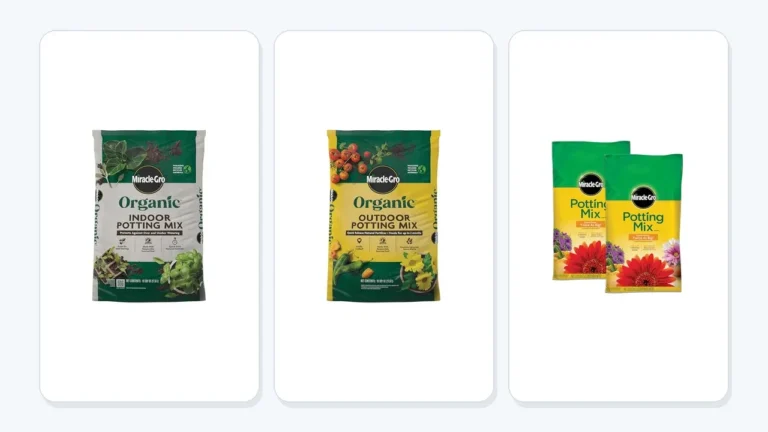
The wording on bags isn’t perfectly consistent. “Potting soil” may contain no actual mineral soil, so check the ingredient list rather than assuming the name tells you everything; the related guide to potting mix versus potting soil explains why those labels can differ.
| Product | Best use | Typical behavior | Watch for |
|---|---|---|---|
| Garden soil | In-ground beds | Dense, connected to surrounding soil | May compact or drain poorly in a pot |
| Potting mix or potting soil | Containers and planters | Lighter, more air space, drains through the pot | May dry faster or need regular feeding |
| Topsoil | Filling or grading outdoor areas | Varies by source and screening | Not automatically suitable for planting |
| Compost | Improving soil or adding organic matter | Adds organic material and can hold moisture | Too much can create excess moisture or nutrients |
Garden soil is not the same thing as topsoil, which generally means the upper layer of earth, sold in bulk or bags. Topsoil quality and texture vary, and a bag marked “topsoil” doesn’t promise the same structure or nutrient content as a garden soil blend. For a closer comparison of those three products, read garden soil, potting soil, and topsoil.
Do you need to replace existing bed soil before planting? Usually not; loosen compacted areas and add suitable organic matter if the soil needs it, rather than dumping a new product over the surface and hoping for the best.
A raised bed sits between a garden bed and a container. Its depth, drainage, and connection to native soil all matter, so choose a raised-bed blend or a suitable garden soil blend rather than automatically filling the whole bed with potting mix.
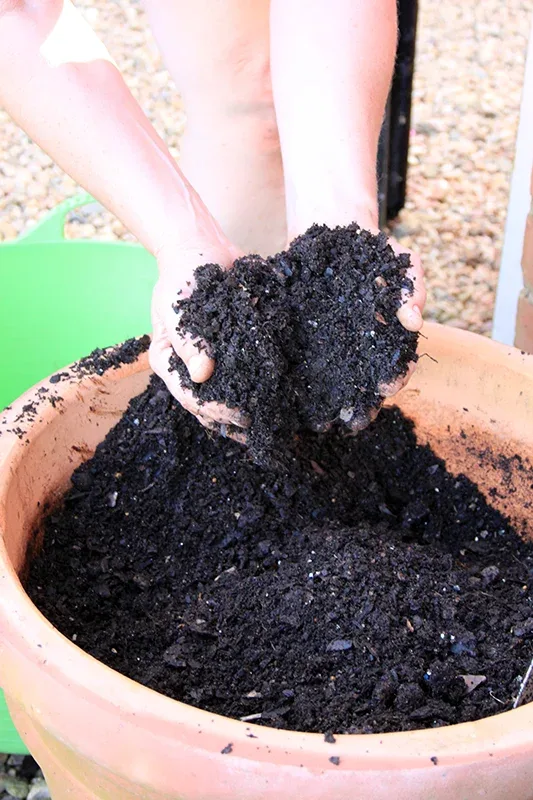
Pro Tip: Before planting, squeeze a handful of damp bed soil. Soil that crumbles when you open your hand is easier to work than soil that stays in a hard, sticky ball.
How to Choose Soil for Beds, Pots, and Raised Beds
Choose by where the roots will grow, then adjust for drainage and the plant’s needs. A deep planter with drain holes still counts as a container, while a shallow bed that sits directly on the ground has a connection to the soil beneath it.
For garden beds, start with the soil you already have. Many plants grow well in native soil once it’s loosened and matched with a sensible amount of compost or other organic matter. Adding a thick layer of a different-textured soil can create a boundary where water moves unevenly, so work improvements into the bed instead of making a sharp, layered sandwich.
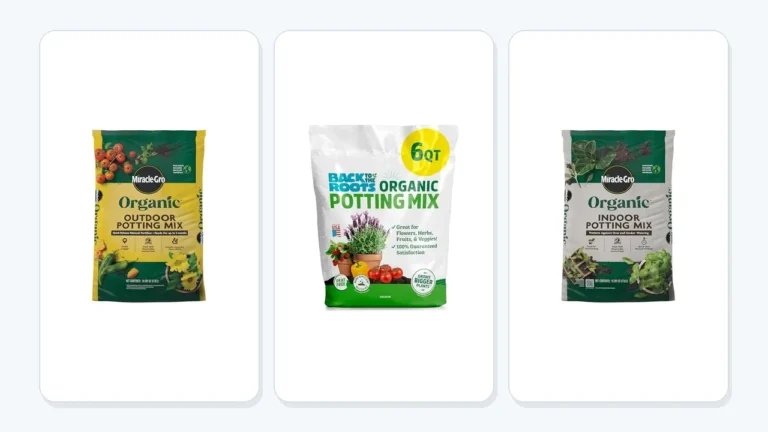
For pots, select a mix intended for containers and check that the pot has drain holes. A bag labeled for seed starting, orchids, cactus, or indoor plants may have a different texture or nutrient level than an all-purpose mix. Pick the product that suits the plant, not just the prettiest picture on the bag.
How can you tell if a potting mix is too coarse or too fine for your plant? Check how quickly it drains after watering and how long it stays evenly moist. A cactus mix is usually built to shed water faster than a standard mix, while a moisture-retentive blend can help plants that dislike drying out.
Raised beds need enough drainage without drying out too quickly. If the bed rests on native soil, loosen the ground below before filling it, where practical; that helps roots and water move beyond the bed’s bottom. For a tall bed with a solid bottom, use a blend meant for raised beds and confirm that excess water has a way out.
I once helped with a container planting where the bag said “all-purpose,” so I assumed it would work for every pot. The mix held too much moisture for a plant that preferred fast drainage, and changing the mix mattered more than adjusting the watering schedule. Broad labels are a starting point, not a promise that one texture fits every plant.
| Growing situation | Good starting choice | Useful adjustment |
|---|---|---|
| In-ground vegetable bed | Existing garden soil | Loosen compacted soil and add compost if needed |
| Patio flower pot | Container potting mix | Match texture to the plant and pot size |
| Raised bed over native soil | Raised-bed or garden soil blend | Check drainage and blend with the bed’s existing soil |
| Indoor houseplant | Indoor potting mix | Use a plant-specific mix when drainage needs differ |
| Seed tray | Seed-starting mix | Keep it evenly moist and avoid heavy garden soil |
A few label details are worth checking before you buy:
- Ingredients: Look for the main materials and whether the product includes fertilizer.
- Intended use: A container mix, seed-starting mix, and garden bed product aren’t interchangeable just because all say “soil.”
- Drainage needs: Perlite, coarse bark, or other bulky materials can add air space, but the right blend depends on the plant.
- Bag condition: Avoid bags that are torn, soaked, or visibly contaminated with weeds or debris.
Important Tip: Don’t add gravel to the bottom of a pot to “fix” drainage. Gravel takes up root space and doesn’t replace drain holes or an airy growing medium.
Improve Soil Without Creating New Problems
Improve the soil that fits the planting site instead of forcing one product to do every job. Garden soil benefits from targeted changes in a bed, while a potting mix may need a different blend or a fresh batch when its structure has broken down.
In a garden bed, begin by loosening compacted soil when it’s not saturated. Wet soil smears and packs down under tools or footsteps, which can make drainage worse. Add compost or another appropriate organic amendment in a measured layer, then mix it into the root zone rather than leaving a thick, separate cap.
Compost can improve soil structure, but more isn’t always better. A very rich bed or pot can hold too much water or supply more nutrients than a plant needs. Follow the product label and consider the plant’s requirements before adding fertilizer or a heavy dose of compost.
For containers, old mix can become compacted, shrink, or lose its airy structure over time. If the mix smells sour, stays soggy, or has collapsed into a dense mass, replacing it is often more sensible than trying to rescue it with random additions. If you reuse a pot, remove old roots and clean the container before filling it again.
Should you mix garden soil into potting mix to save money? I wouldn’t do that for a typical container, because even a modest amount can make the blend heavier and less airy. If cost is the concern, compare bag sizes and use a suitable bulk blend for a raised bed, but keep standard pots filled with a container mix.
Watering habits matter as much as the bag. Water a pot until some drains from the bottom, then empty any saucer that holds standing water; in a garden bed, water deeply enough to moisten the root zone rather than wetting only the surface. Check moisture with a finger or a small trowel instead of watering by calendar alone.
| What you notice | Possible cause | Practical response |
|---|---|---|
| Pot stays wet for days | Dense mix, poor drainage, or a pot without holes | Check the holes and replace compacted mix if needed |
| Water runs down pot sides | Very dry mix pulling away from the container | Rewet gradually and check whether the mix needs replacing |
| Bed soil forms a hard crust | Compaction or bare soil exposed to rain | Add organic matter and protect the surface with mulch |
| Plant wilts in damp soil | Roots may lack air or be damaged | Pause watering and check drainage and root condition |
| Container dries very quickly | Mix is coarse, pot is small, or weather is hot | Water as needed and consider a more moisture-retentive blend |
A word on safety: wear gloves when handling soil or compost, especially if you have cuts on your hands, and wash your hands before eating. Avoid breathing dusty material, and follow the bag’s handling directions; if a product smells strongly of chemicals or appears contaminated, don’t use it around edible plants.
Fresh manure and unfinished compost can be too strong for young roots and may carry unwanted organisms. Use finished, labeled products as directed, and don’t assume that “natural” means harmless or ready for planting.
- Use garden soil for in-ground beds and potting mix for containers.
- Choose raised-bed products based on drainage and whether the bed connects to native soil.
- Check the bag’s ingredients and intended use instead of relying on the front label alone.
- Fix the cause of a moisture problem before adding more soil or fertilizer.
FAQs About Garden Soil vs Potting Soil
Can I use garden soil in pots?
Garden soil generally isn’t a good choice for pots because it can compact and reduce air around roots. A container doesn’t have the surrounding ground to help water move away. Use a potting mix instead, and confirm the container has drain holes.
Can I use potting soil in a garden bed?
Yes, but it’s usually an expensive choice for filling a large bed. Potting mix is made for containers and may dry differently from the native soil around it. For a small planting hole, use it only if the product label supports that use and the plant’s needs fit the mix.
Is potting soil the same as potting mix?
Not always. The labels are often used loosely, and some products called potting soil contain no mineral soil. Check the ingredients and intended use to learn whether the product is a lightweight container medium or a heavier soil blend.
Is topsoil better than garden soil?
Neither is automatically better. Topsoil describes material from the upper layer of earth, while garden soil is often sold as a blend intended for outdoor beds. Quality and texture vary by product, so check the label and use topsoil for planting only when its contents suit the job.
Do I need to add fertilizer to potting soil?
Not always. Some potting mixes contain starter fertilizer or slow-release nutrients, while others don’t. Read the label before adding more, since excess fertilizer can damage roots or lead to unwanted leafy growth.
Why does potting soil dry out so fast?
Potting soil can dry quickly when the mix is coarse, the container is small, or the plant is in hot, windy conditions. Water when the root zone needs it, and choose a moisture-retentive mix if that suits the plant. Don’t add dense garden soil just to slow drying.
Choose the Medium That Fits the Planting Place
The practical choice is simple: use garden soil for beds and a container mix for pots. The part that takes a little thought is matching drainage and moisture to the plant, since a thirsty fern and a drought-tolerant herb won’t be happy in the same texture.
I’d start with the planting location, read the product label, and change the soil only when there’s a clear reason. That saves effort and avoids turning a small planting job into a wheelbarrow-sized fix. Before you buy, check the pot or bed’s drainage, then choose the mix that supports the roots where they’ll actually grow.