Garden Soil vs Potting Soil vs Top Soil: Differences Explained
Garden soil belongs in in-ground beds, potting soil is made for containers, and topsoil is a variable layer of soil used to fill or level outdoor areas. The right choice depends on where your plant will grow and how quickly water needs to drain.
Are you filling a raised bed and staring at bags labeled “garden soil” and “topsoil”? Or did a houseplant stay soggy after you planted it in soil from the yard?
I once used dense outdoor soil in a container because it looked rich and crumbly in the bag. After a few waterings, the surface stayed wet and the pot felt like a brick, so I had to repot the plant. It’s a common mistake, not a dumb one: the bags can look surprisingly similar.
I wrote this to help you sort out what each soil product is for, what the labels leave unclear, and how to pick a blend without wasting money. You don’t need to memorize soil science to make a good choice.
Get the match right and you’ll give roots better access to air and water, avoid hauling the wrong material into a bed, and have fewer drainage headaches. Use a heavy soil in a pot and roots can struggle; use a thin, low-quality fill in a bed and plants may need more care.
This takes about nine minutes to read. By the end, you’ll be able to:
- Choose the right product for beds, containers, and lawn repairs.
- Read soil-bag labels with more confidence.
- Spot drainage and quality problems before planting.
Garden Soil vs Potting Soil vs Top Soil: What Each One Does
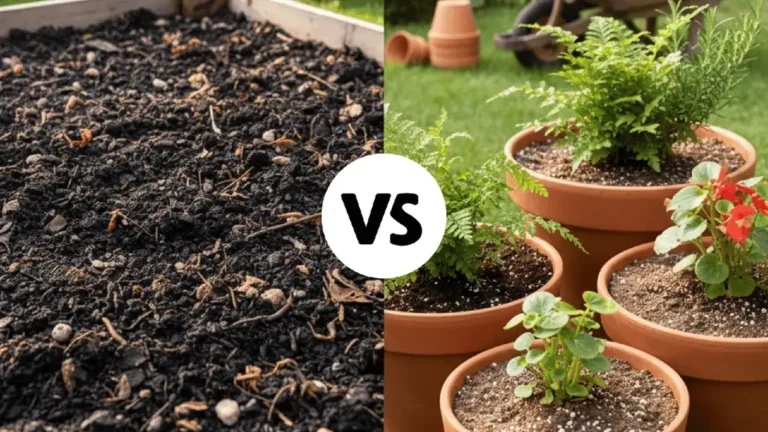
Garden soil is an outdoor amendment for in-ground beds, potting soil is a container-growing product, and topsoil is a broad term for soil sold to fill or improve outdoor ground. For a tomato in a patio pot, choose potting soil; for a flower bed, use garden soil as an amendment; for leveling a low spot, topsoil may fit.
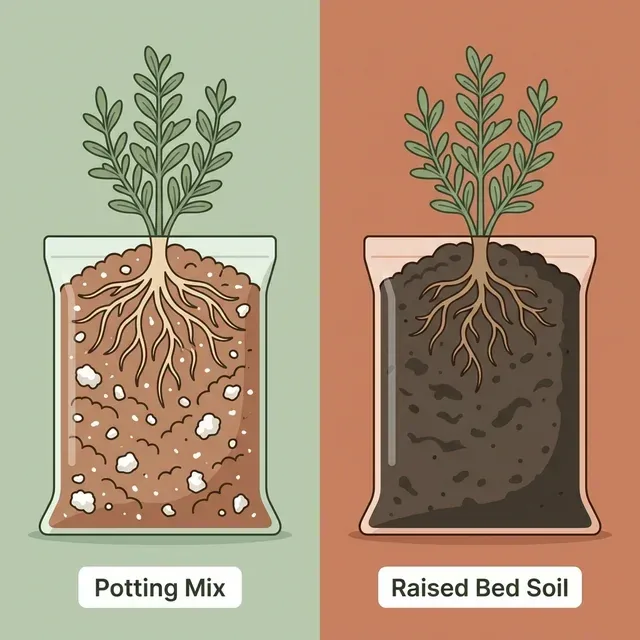
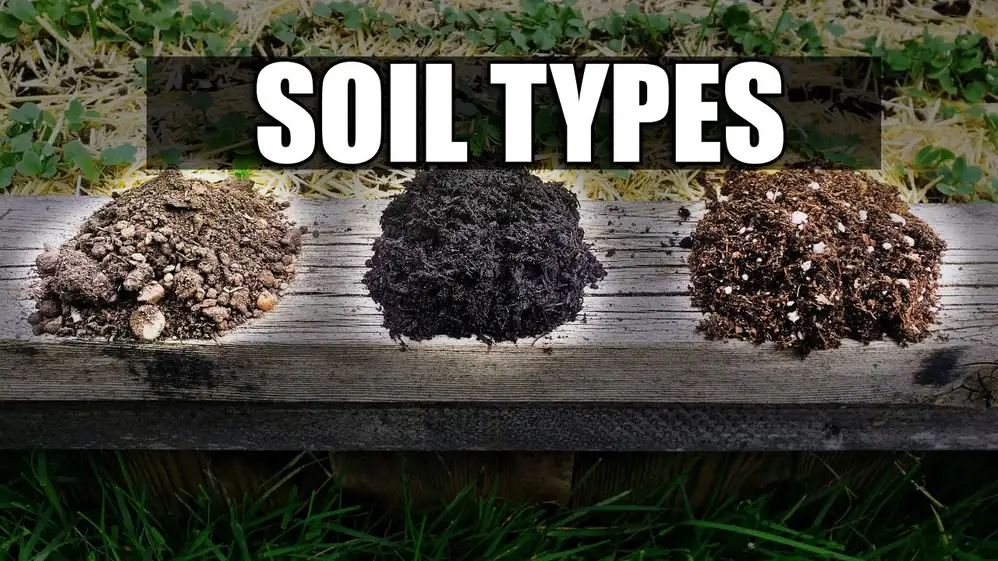
The names point to different jobs, not three interchangeable grades of “good dirt.” Garden soil is typically blended for outdoor beds and is meant to be worked into existing ground. Potting soil is formulated to support roots inside a container, where water and air move differently. Topsoil can vary from screened native soil to a blended fill product, so its label and texture matter.
| Product | Best place to use it | Typical texture and behavior | What to check |
|---|---|---|---|
| Garden soil | In-ground beds and some raised beds | Often heavier than potting soil; intended to mix with native soil | Whether the label says to mix or use as-is |
| Potting soil | Indoor and outdoor containers | Usually lighter, with more pore space for drainage and air | Plant type, drainage ingredients, and fertilizer |
| Topsoil | Filling, grading, or adding soil to outdoor areas | Highly variable; may be sandy, silty, clay-heavy, or blended | Screening, texture, debris, and intended use |
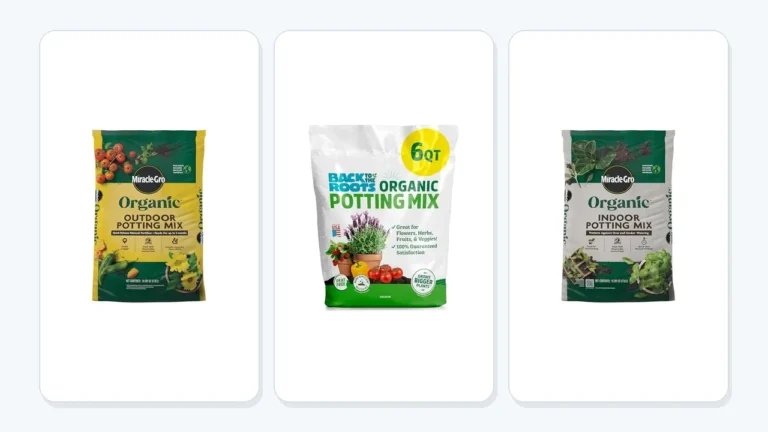
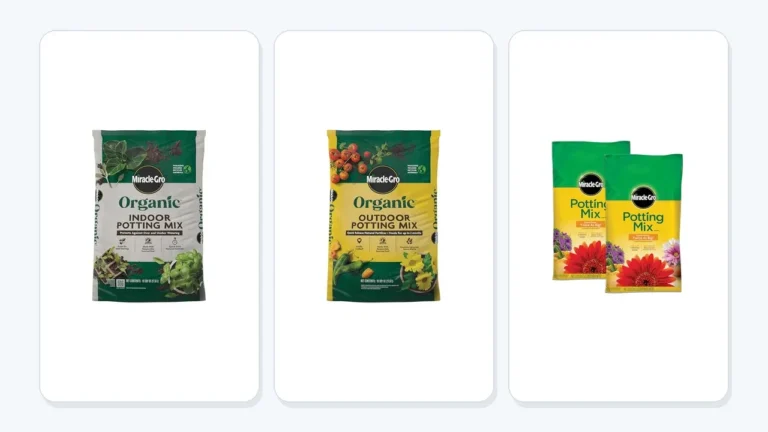
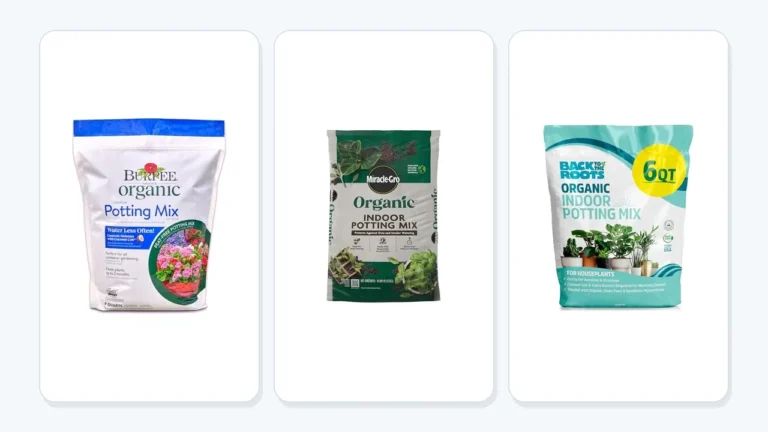
Potting soil is a common label, but many container products are actually potting mix, a growing medium made with ingredients such as peat, coir, bark, perlite, or vermiculite. Some mixes contain no field soil. The distinction matters because potting mix and potting soil can differ in ingredients, weight, water retention, and intended use.
Garden soil isn’t automatically ready to fill a container just because it supports plants outdoors. A garden bed has a much larger soil volume, and excess water can drain away through the ground; a pot has limited space and drainage holes that can clog or be overwhelmed by dense material.
Topsoil isn’t a promise of a specific blend or quality. A bag may contain screened soil, while a bulk delivery might include local soil with a very different amount of clay, sand, organic matter, or stones. The word tells you where the material is generally meant to go, not exactly what’s inside.
Pro Tip: Check the product’s intended use before you buy, then check the ingredients or directions. A label that says “for containers” gives you more useful information than a bag that only says “soil.”
How to Choose Soil for Beds, Pots, and Lawn Work
Match the soil product to the growing space, then adjust for the plant and the condition of the soil already there. A bag can’t fix every problem, so choosing the right material matters more than picking the one with the richest-sounding name.
For an in-ground vegetable bed, garden soil can help improve the existing soil when the label calls for mixing. Work it into the bed rather than laying down a deep, separate layer that has a different texture from the soil below. A sharp boundary between layers can slow water movement and leave roots in an awkward transition zone.
For containers, use a potting product labeled for that purpose. Containers dry out and fill with water faster than garden beds, so their growing medium needs enough pore space, the small gaps that hold air and allow water to drain. A heavy mix can settle, leave roots short of oxygen, and make a large pot unpleasantly heavy to move.
For raised beds, check the bed depth and the product instructions. Some products are sold as garden soil for raised beds, while others are intended to blend with existing soil or compost. A raised bed filled with a product that compacts badly can drain poorly and become difficult to loosen later.
For filling low spots or preparing a bare outdoor area, topsoil may be useful. If you’re repairing a lawn, keep the added layer shallow enough that you don’t bury existing grass blades. For planting, don’t assume that topsoil alone has the structure or organic matter your plants need.
| Your situation | Better starting choice | What to avoid |
|---|---|---|
| Houseplant or patio pot | Potting soil or potting mix | Dense garden soil or unknown yard soil |
| In-ground flower or vegetable bed | Garden soil used as directed | Planting into a thick, unmixed layer |
| New raised bed | Product labeled for raised beds, or a suitable blend | Buying by name alone without checking directions |
| Lawn low spot | Screened topsoil or a suitable lawn fill | A thick layer that smothers grass |
| Large outdoor grading job | Bulk topsoil after checking quality | Assuming all loads have the same texture |
What if you’re deciding between garden soil and potting soil for a raised bed? If the bed sits on the ground and has plenty of depth, garden soil made for beds may work; if it’s a shallow planter or sits on a deck, choose a container product because drainage and weight matter more.
When a label says “garden soil,” read whether it’s intended to be mixed with native soil or used in a raised bed. Some products include compost or other organic material, while others are mostly mineral soil. Those differences affect how the material settles, holds water, and feeds plants.
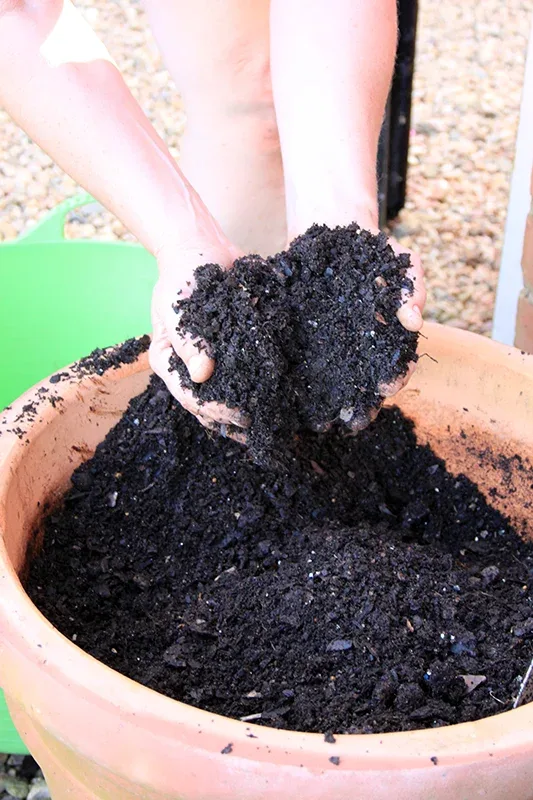
I’ve also had to stop myself from buying a bag based on a dark, rich-looking color. Dark soil can look promising, but color alone doesn’t tell you whether the product drains well or contains the right ingredients. I now check the directions and feel a small handful before I commit to a full bed.
For bigger projects, ordering a small amount first can save you from bringing home a truckload of material you don’t want. Ask what the load contains and whether it’s screened; if the seller can’t answer clearly, use caution.
Use Soil Well and Fix Common Problems
Good soil still needs the right setup: a container needs drainage holes, a bed needs suitable soil beneath it, and any amendment needs to match the existing ground. The same bag can perform well in one spot and poorly in another.
Before planting, look at the material’s texture and moisture. Soil that arrives very wet can feel heavier and clumpier than it will once it dries, while a dry potting mix may resist water at first. Break up large clumps gently, but don’t grind the material into fine dust.
For an in-ground bed, prepare the planting area before adding new soil:
- Remove weeds, large stones, and debris from the area.
- Loosen the existing soil where you’ll plant, without working it when it’s soaking wet.
- Spread the garden soil at the depth stated on the label.
- Mix it into the existing soil if the product directions call for mixing.
- Water the bed and check whether the surface drains and settles as expected.
For a container, start with a pot that has drainage holes. Add potting soil around the plant’s root ball, leave room for watering, and avoid packing the mix down hard. Pressing it firmly can squeeze out air pockets that roots need.
Important Tip: Don’t add gravel to the bottom of a pot as a drainage fix. A gravel layer doesn’t make a container drain better; it takes up room and can leave water sitting higher in the potting mix.
If water runs off the surface instead of soaking in, the material may be too dry, compacted, or crusted. Water slowly in several passes, and break up a surface crust without digging into the plant’s roots. If a container drains very slowly, check that its holes are open and consider replacing a heavy or compacted mix.
| What you notice | Possible reason | A practical response |
|---|---|---|
| Pot stays wet for days | Dense mix, blocked holes, or oversized pot | Clear the holes; check the mix and watering frequency |
| Water runs off dry potting mix | Mix has dried out and resists wetting | Water in slow passes until the mix takes it up |
| Bed settles after watering | Loose fill or organic material decomposing | Top up as needed, following the product’s use directions |
| Lawn grass is covered | Too much topsoil was added at once | Remove excess from grass blades and apply thinner layers |
| Soil has sticks or clods | Material may be unscreened or poorly suited to planting | Screen it or choose a cleaner product for the task |
Can you mix different soil products? Yes, if each product suits the planting space and the blend won’t turn a container mix dense or a bed uneven. Mix materials thoroughly rather than making sharp layers, and follow label directions when a product includes fertilizer or other amendments.
For plant health, remember that “more compost” and “richer soil” aren’t always better. Excess nutrients can harm some plants, and a water-retentive blend may stay too wet for plants that prefer fast drainage. Match the medium to the plant’s needs, then adjust watering based on how quickly the root zone dries.
If you’re unsure whether a bagged product fits a bed or a container, ask what it’s designed to do before buying it. The distinction between garden soil and potting soil is mostly about where and how roots grow, not which product is universally superior.
FAQs About Garden Soil vs Potting Soil vs Top Soil
Can I use garden soil in a pot?
Garden soil usually isn’t a good choice for pots because it can be too dense and hold water differently from a container mix. A potting product is made for limited root space and drainage holes. If garden soil is already in a pot, watch for slow drainage and compacted roots.
Is topsoil the same as garden soil?
Topsoil and garden soil aren’t the same product. Topsoil usually refers to soil sold for filling or improving outdoor ground, while garden soil is generally sold for garden beds. Both vary by seller and ingredients, so check the label and texture instead of relying on the name alone.
Can I plant vegetables directly in topsoil?
Vegetables can grow in topsoil if its texture and quality suit the bed, but the word “topsoil” doesn’t guarantee a good planting medium. Check for stones, debris, and heavy clay, then assess drainage. If the product is sold as fill, it may need an amendment before planting.
Do I need potting soil for every container plant?
Most container plants do best in a product labeled for containers, though the ideal mix can vary by plant. Cacti and other plants that need fast drainage may need a grittier mix than moisture-loving plants. Check plant care directions and the soil label before filling a pot.
Should garden soil be mixed with existing soil?
Garden soil should be mixed with existing soil when the product directions call for it. Mixing helps avoid a distinct layer with a different texture, which can affect water movement and root growth. For a raised bed, follow the label because some products are designed for use without blending.
Choose the Soil That Fits the Job
The easiest way to make this decision is to start with the growing space. Pots need a container mix that leaves room for air and drains through the bottom; in-ground beds need soil suited to outdoor planting; topsoil is mainly a fill or ground-improvement material whose quality can vary.
I’d rather buy a plain product with clear directions than a bag that promises a lot but doesn’t say where it belongs. That small label check can prevent a heavy pot, a soggy root zone, or a bed that needs reworking.
Your next step is simple: measure the space, choose the product made for that use, and read its directions before you spread or plant. If the product’s purpose isn’t clear, ask before buying. A few minutes now can spare you a muddy, frustrating redo later.