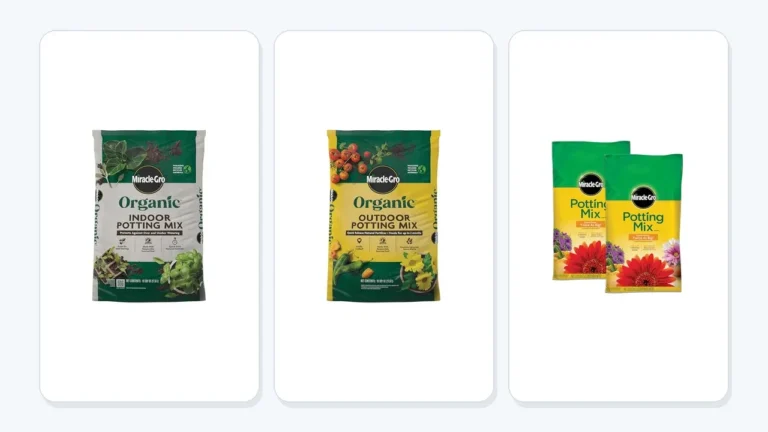
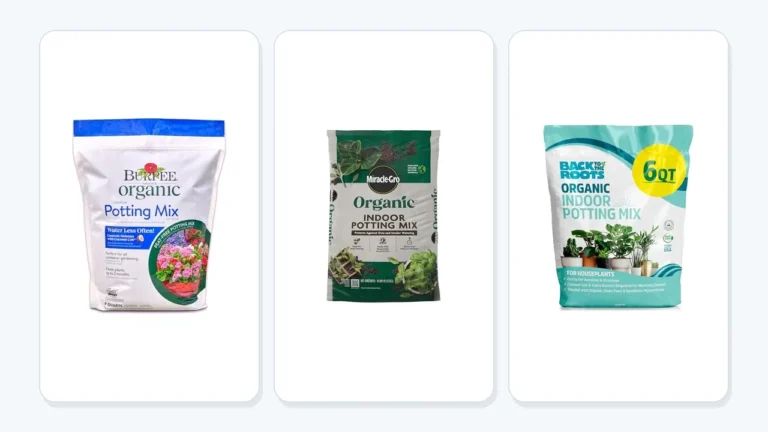
5 Cheap Potting Soil That Still Grows Healthy Plants: Top Picks
Buy cheap potting soil that holds too much water and your plant can sit in a soggy pot, with roots that struggle and leaves that droop. Choose a mix that dries too quickly and you may be watering constantly, or watching a new transplant wilt before it settles in.
For a container, the right mix matters more than a low price on the bag: ordinary garden soil can pack down, while a potting mix is made for the space and drainage needs of a planter. Check how much mix you need, whether the plants will live indoors or outside, and how often you can water, since those details help prevent waste and disappointing growth.
Here’s what this guide will help you sort out:
- How to compare bag size and usable volume before buying.
- Which listed mixes suit outdoor pots, houseplants, and small jobs.
- How to fill a container and water without compacting the mix.
- What to check on the label before choosing a budget bag.
Quick Picks
-
Best For Outdoor Container Plants

Miracle-Gro Organic Outdoor Potting Mix, 16 qt.
A 16-quart mix with quick-release natural fertilizer feeds outdoor container plants for up to two months between repotting.
-
Best For Small All-Purpose Jobs
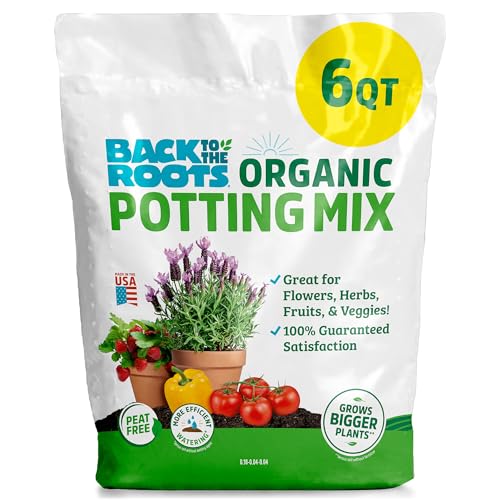
Back to the Roots Organic Potting Soil,
A 6-quart peat-free blend with yucca for moisture control suits small planting jobs across indoor and outdoor containers.
Top 5 Cheap Potting Soils at a Glance
Start with Miracle-Gro Organic Outdoor Mix for outdoor containers that could use a little feeding, or Back to the Roots for a smaller peat-free blend. The biggest differences across these options are intended use, bag quantity, moisture-related features, and whether you want a small bag or a heavy 40-pound mix.
| Product image | Product name | Check product |
|---|---|---|
| 1 |
Miracle-Gro Organic Outdoor Potting Mix, 16 qt. | Check Price |
| 2 |
Back to the Roots Organic Potting Soil, | Check Price |
3 |
Miracle-Gro Organic Indoor Potting Mix, 16 qt. | Check Price |
4 |
Miracle-Gro Moisture Control Potting Mix, 8 qt. | Check Price |
5 |
Michigan Peat Garden Magic General Purpose Potting | Check Price |
5 Best Cheap Potting Soils: Detailed Reviews
When I chose among cheap potting soil options, I paid attention to where each mix is meant to go, how much comes in the bag, and what the stated ingredients or moisture features can do for a beginner. Matching indoor and outdoor use matters because a bag meant for outdoor pots may not suit a houseplant routine, while a size mismatch can leave you buying too much or running short.
The choices here range from a 6-quart bag for a few small pots to a 40-pound general-purpose mix, with separate options for indoor plants, outdoor containers, and moisture control. Comparing them side by side makes it easier to weigh the work you’ll do, the amount you need, and the care habits your plants require before you open a bag.
1. Miracle-Gro Organic Outdoor Potting Mix, 16 qt.
A 16-quart mix with quick-release natural fertilizer feeds outdoor container plants for up to two months between repotting.
- Size16QT
- Colorbrown
- Number Of Items1
- COVERAGEOne 16 qt. bag of Miracle-Gro Organic Outdoor Potting Mix fills one 12-inch pot with garden soil for containers (am
Miracle-Gro Outdoor Mix is an outdoor container mix for someone planting flowers, vegetables, herbs, annuals, or perennials in pots. The 16-quart bag is described as enough for one 12-inch pot, though the root ball can change how much mix you need.
The mix includes quick-release natural fertilizer, meaning plant food that becomes available soon after planting rather than being only a slow, long-term feed. The stated feeding period is up to two months, which can reduce the need to add fertilizer right away, though you should still follow the plant’s own care needs. This can be useful if you’re getting a patio pot started and want to keep early care simple.
The blend also uses responsibly sourced peat, according to its description. Peat is a moisture-holding material used in potting mixes, so the bag’s intended use and your watering habits matter; don’t assume every outdoor pot needs the same schedule. One thing to plan for is the stated 16-quart quantity: measure your container and account for the plant’s root ball before buying multiple bags.
Pros:
- 16-quart bag, enough for a stated 12-inch pot.
- Includes quick-release natural fertilizer for new container plantings.
- Feeds plants for up to two months, per the product details.
- Suitable for listed flowers, vegetables, herbs, and more.
- Made with responsibly sourced peat, as described.
Cons:
- Intended for outdoor container plants, not a dedicated indoor mix.
- The amount needed can vary with the root ball.
- Feeding period does not remove the need to monitor plant care.
Buy it if: you’re filling an outdoor container, because the 16-quart bag and included fertilizer can cover a straightforward planting job.
Skip it if: you need a small bag for one modest indoor pot, because this mix is intended for outdoor containers and a smaller indoor-focused mix may fit your job better. For another fit, consider Back or Miracle.
I’d put Miracle-Gro Outdoor Mix near the top for a beginner filling patio containers, since the stated coverage and feeding period are easy to plan around. I’d still check the bag quantity against your pot size rather than trusting a rough guess from the shelf. Pick it if the plants will live outdoors and the 16-quart amount suits your planting plan.
2. Back to the Roots Organic Potting Soil,
A 6-quart peat-free blend with yucca for moisture control suits small planting jobs across indoor and outdoor containers.
- Size6 Quart
- ColorPremium Potting Mix
- WeightNot listed; check details
- DimensionsNot listed; check details
Back to the Roots Mix is a small all-purpose potting blend for someone who wants to plant a few containers without storing a large leftover bag. It comes in a 6-quart size and is described for herbs, vegetables, fruits, and flowers in indoor or outdoor containers.
The mix is labeled peat-free and made with upcycled plant matter and wood fines. That gives you a choice if avoiding peat is important to your buying decision, but the description alone does not establish a separate environmental certification. The smaller bag can also make a single repotting or a couple of small pots easier to manage than a large sack.
The blend includes yucca extract, a plant-derived ingredient the description connects with moisture control, and dolomitic limestone for pH balancing. In plain terms, the mix is intended to help manage moisture and soil acidity, but it won’t replace checking the plant’s watering needs. Its main limitation is quantity: six quarts can disappear quickly when filling larger planters, so estimate your container volume first.
Pros:
- 6-quart size suits a small planting or repotting job.
- Peat-free blend for buyers seeking that material choice.
- Described for indoor and outdoor containers.
- Yucca extract is included for moisture control.
- Listed for herbs, vegetables, fruits, and flowers.
Cons:**
- Smaller bag may not cover a large planter.
- Moisture-control ingredients do not set a watering schedule.
- The description does not provide a measured volume beyond 6 quarts.
Buy it if: you have a few small pots to fill, because the 6-quart bag and all-purpose use avoid storing a larger quantity.
Skip it if: you’re filling several deep containers, because six quarts may not stretch far and a larger bag may be more practical. Miracle-Gro Organic Outdoor Potting Mix, 16 and Miracle-Gro Organic Indoor Potting Mix, 16 are worth a closer look instead.
What I like about Back to the Roots Mix is that its intended uses are broad while the bag is compact. That combination makes sense for someone with limited storage or one small planting project. Check the amount you need and whether the peat-free blend matches your preferences before bringing it home.
3. Miracle-Gro Organic Indoor Potting Mix, 16 qt.
The catalog lists HELPS REGULATE SOIL MOISTURE: Miracle-Gro Organic Indoor Potting Soil Mix is an organic potting soil that prot. Compare fit and care needs before choosing.
- Size16.qt
- COVERAGEOne 16 qt. bag of Miracle-Gro Organic Indoor Potting Mix fills one 12-inch container with potting soil for indoor p
- WeightNot listed; check details
- DimensionsNot listed; check details
Miracle-Gro Indoor Mix is aimed at someone potting houseplants, indoor herbs, or starter plants, including seeds. Its 16-quart bag is described as enough for one 12-inch container, with actual coverage depending on how much space the plant’s root ball takes up.
The mix is described as containing sphagnum peat moss, coir, and quick-start natural fertilizer. Coir is a fiber made from coconut husks; in a potting blend, it contributes a material that can hold moisture. The listed mix is intended to help regulate soil moisture, which may be useful if your watering tends to swing between too much and too little, but it doesn’t make overwatering impossible.
The indoor focus is the useful distinction here: the bag is described for houseplants and herbs, and it can also be used for seed starting. That makes it a flexible choice if you’re filling containers inside or starting plants in small pots. A 16-quart bag can be awkward to store after opening, so keep unused mix protected and check how much your project actually needs.
Pros:
- Intended for indoor container plants and houseplants.
- Listed for herbs and seed starting, too.
- Includes coir and quick-start natural fertilizer.
- Moisture regulation is a stated aim of the blend.
- 16-quart bag is described as enough for one 12-inch pot.
Cons:
- A full bag may be more than one small plant needs.
- Moisture regulation does not prevent poor watering habits.
- Coverage varies with the plant’s root ball.
Buy it if: you’re potting houseplants or starting seeds indoors, because the stated uses include both jobs in one mix.
Skip it if: your planting is limited to outdoor patio containers, because an outdoor-focused mix may better match that use. If those trade-offs rule it out, Miracle or Back may suit you better.
I’d consider Miracle-Gro Indoor Mix when a beginner wants one bag for houseplants and seed starting rather than a general outdoor blend. Its moisture-related purpose is helpful context, not a reason to water on autopilot. Make sure you have somewhere dry to store the remaining mix, and choose it if the indoor uses match your plants.
4. Miracle-Gro Moisture Control Potting Mix, 8 qt.
The catalog lists FEEDS UP TO 6 MONTHS: Miracle-Gro Moisture Control Potting Soil Mix feeds plants for up to 6 months and Grows . Compare fit and care needs before choosing.
- Size8 qt. (2-pack)
- Number Of Items2
- COVERAGEThis bundle comes with two 8 qt. bags of Miracle-Gro Moisture Control Potting Mix; each bag fills two 8-inch contai
- WeightNot listed; check details
Miracle-Gro Moisture Control is a container mix for someone who wants a buffer against watering too often or letting pots dry out. The package is a two-pack of 8-quart bags, and each bag is described as enough for two 8-inch containers, with the root ball affecting coverage.
The mix includes sphagnum peat moss, coir, and a wetting agent. A wetting agent helps water spread through a mix that might otherwise resist getting wet evenly; the product description says this blend absorbs up to 33% more water than basic potting soil without those listed materials. That can help a container hold water between checks, though a pot still needs a drainage hole and a plant-specific watering routine.
The product details also say the mix feeds plants for up to six months. That’s a useful stated interval to keep in mind, but it doesn’t tell you every plant will need the same feeding schedule. A moisture-retaining mix may be a poor fit if your pot has no drainage or you tend to keep soil wet, so consider your watering habits before choosing it.
Pros:
- Two 8-quart bags make the total quantity easier to divide.
- Described for flowers, vegetables, annuals, perennials, and shrubs.
- Includes a wetting agent, peat moss, and coir.
- Stated to absorb up to 33% more water than basic mix.
- Feeds plants for up to six months, per the description.
Cons:
- The moisture-retaining aim may not suit consistently wet conditions.
- Containers still need drainage holes.
- The two-pack can be more than a single small pot requires.
Buy it if: your container plants dry out quickly between checks, because the blend is designed to absorb and retain more water than basic mix.
Skip it if: your pots stay wet or lack drainage, because added moisture retention may make those conditions harder to manage.
To me, the useful part of Miracle-Gro Moisture Control is the two-bag format plus a clearly stated moisture feature. That’s a practical pairing for a few outdoor containers, provided your pots drain well. Check that your watering habits and plant types suit a mix designed to hold more water before choosing it.
5. Michigan Peat Garden Magic General Purpose Potting
The catalog lists Versatile Potting Soil: Let your plants grow healthy and strong with this general-purpose potting soil featuri. Compare fit and care needs before choosing.
- Size40 lbs
- Number Of Items1
- WeightNot listed; check details
- DimensionsNot listed; check details
Michigan Peat Garden Magic is a general-purpose mix for someone who wants one large bag for a range of indoor and outdoor planting jobs. The package is listed as 40 pounds, and the description says it can be used in flower pots, raised garden beds, and other planters.
The blend includes reed sedge peat, organic peat moss, and other materials, according to its description. Peat-based ingredients can hold moisture, and this mix is specifically described as retaining moisture through moderate dry periods. That may suit containers that dry out between waterings, but a large bag is a commitment: make sure you have storage space and a use for the quantity before hauling it home.
The description says the mix is ready to use from the bag without additional mixing. That removes one task for a beginner, but it doesn’t mean you can skip checking drainage or plant needs. One limitation is that the supplied details don’t give a quart volume, so you can’t directly compare its usable container volume with the bags measured in quarts.
Pros:
- 40-pound bag for larger planting jobs.
- Described for indoor and outdoor use.
- Can be used in pots and raised garden beds.
- Moisture retention is a stated feature.
- Ready to use from the bag, according to the description.
Cons:**
- Heavy bag may be awkward to lift or store.
- No quart volume is stated for direct volume comparison.
- Large quantity may be wasteful for one small pot.
Buy it if: you have several planters or a raised bed to fill, because the 40-pound bag is intended for broad household planting use.
Skip it if: you only need soil for a tiny pot, because the heavy bag is likely more material than that job calls for.
I’d reserve Michigan Peat Garden Magic for someone with enough space and several planting jobs, not a first-time buyer with one windowsill pot. The ready-to-use description is convenient, while the 40-pound weight deserves a little planning. Check the bag size and lifting needs, then choose it if you can use and store the quantity.
How to Choose the Best Cheap Potting Soil
The best cheap potting soil is the mix that suits your plant, container, and watering habits without leaving you with a half-used bag that has nowhere to live. Start with the intended use on the label, then compare quantity and moisture features instead of judging by the lowest shelf price alone.
Match the mix to the planting location
Indoor and outdoor mixes are not automatically interchangeable for every planting situation. Look for clear wording about houseplants, outdoor containers, seed starting, or raised beds, then choose a use that matches where the pot will sit.
If you’re shopping for indoor plants, an indoor-focused mix may be easier to evaluate than a broad garden-use bag. If you’re filling patio containers, choose a mix that names outdoor container plants among its uses. Labels can help narrow the options, but the plant’s own growing needs still matter.
A broad-use bag can be handy if you plant different kinds of containers. For more general comparisons of materials and use cases, see potting soil mix options when you’re deciding what kind of blend fits your plants.
Estimate the amount before you buy
Bag sizes can be listed in quarts, pounds, or both, and pounds do not tell you the same thing as a volume measurement. Use the stated coverage when available, and remember that the plant’s root ball takes up room that soil would otherwise fill.
Measure the container’s width and depth, then check the package for a coverage estimate in a pot size similar to yours. For example, Miracle-Gro Outdoor Mix is described as filling one 12-inch pot, while Back to the Roots comes in a 6-quart bag. These details are useful starting points, not a guarantee that every pot of the same width needs exactly the same amount.
If you’re choosing between a small bag and a larger one, compare the amount you can use before the mix is opened and stored. A lower price for a large quantity isn’t a saving if most of it dries out, gets wet, or sits unused.
Consider how you water
Moisture control describes how a mix handles water, not a promise that you can water any way you like. Some mixes list ingredients or features meant to help hold or distribute moisture, while others offer no specific claim of that kind.
If you often forget to water, a mix described as moisture-retaining may offer some cushion, but check the pot for drainage and watch the plant’s response. If you water often, an extra moisture-retaining feature may be less helpful. Don’t treat a bag feature as a replacement for checking whether the soil is still damp.
A simple habit helps: press a finger into the mix near the surface before watering, then follow the plant’s care needs. Pot size, room temperature, sunlight, and airflow can all affect how quickly a container dries.
Read the ingredients and label claims carefully
Ingredient names tell you something about the mix, but they don’t prove every performance or environmental claim you might care about. These options describe materials such as peat, coir, wood fines, plant matter, yucca extract, and limestone; choose based on the stated details and your own preferences.
If avoiding peat matters to you, look for an explicit peat-free description, as Back to the Roots provides. If you want to compare products described as organic, read the exact wording and any certification details on the bag; a marketing description alone does not establish an independent certification. The organic-focused buying guide organic potting soil choices can help you think through that distinction.
Also check whether fertilizer is included and how long the stated feeding period lasts. That can help you avoid adding more plant food too soon, but follow the bag and the plant’s own care instructions.
Make sure the pot can drain
A drainage hole gives extra water a way out, which matters because roots sitting in overly wet mix may struggle. If a container has no hole, decide how you’ll manage watering before planting rather than assuming a moisture-control blend will solve the problem.
Check that the pot has a suitable saucer or place to catch runoff, especially indoors. Don’t fill the bottom with rocks as a substitute for a drainage hole; the water still needs a clear route out of the container. If you’re using a decorative outer pot, keep an eye out for water collecting underneath the planted pot.
How to Use Potting Soil for the Best Results
Good results start with a clean container, a suitable mix, and careful watering after planting. Take a few minutes to prepare the pot before you open the bag, so you’re not balancing a plant while searching for a drainage tray.
First, check that the pot is clean and has a drainage hole if the plant needs one. If you’re reusing a container, remove old loose soil and debris before adding fresh mix. Set the pot where it will stay, since a filled planter can be much heavier than an empty one.
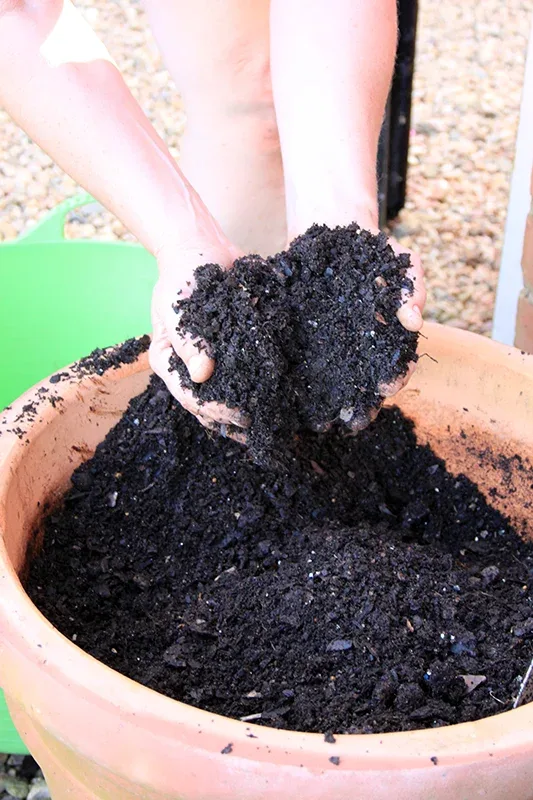
Open the bag and loosen any packed mix with your hands or a small garden tool. Don’t crush it into a dense block or press it hard into the pot. The goal is to fill the container evenly while leaving enough room for the plant and water.
For a transplant, add enough mix to support the root ball at a sensible height. Loosen the root ball as directed for the plant, position it in the center, and add mix around the sides. Avoid burying the stem deeper than the plant was growing before unless its care instructions say otherwise.
For seeds, follow the seed packet’s directions about planting depth and spacing. The indoor Miracle-Gro mix is described for seed starting, but the right depth and warmth depend on the seed rather than the soil bag. Add water gently so you don’t wash seeds into a corner or uncover them.
After filling the pot, water thoroughly and allow excess water to drain. The product directions for the Miracle-Gro mixes specify watering after planting, and that’s a sensible first step for settling the mix around roots. Empty water from an indoor saucer rather than leaving the pot standing in runoff.
Give a new planting a brief check over the next few days. Look for a pot that drains, mix that is not pulling away from the sides, and leaves that appear stable rather than suddenly limp. Avoid adding extra fertilizer just because a plant looks slow; check whether it needs time, more suitable light, or a different watering routine.
How to Make Your Potting Soil Last Longer
Keep unused mix dry, covered, and away from pests so the remaining material stays easier to handle. A basic storage routine can help prevent a bag from turning into a damp, clumpy mess before you need it again.
After opening a bag, fold the top closed and secure it, or move the remaining mix into a clean container with a lid. Store it somewhere protected from rain and standing water. Keep the bag off a wet floor if you’re using a shed, garage, or basement.
Write the opening date on the bag or storage container. That small note helps you remember how long the mix has been open, especially if you garden only in spring and summer. Before reusing stored mix, check for excess moisture, a strong unusual odor, visible pests, or debris that should not be in the pot.
Do not let an opened bag sit where animals can tear it or where wind can scatter loose mix. Keep the container closed between uses, and avoid storing potting soil beside chemicals or substances that could spill into it. If the mix is wet from a leak or contaminated, don’t simply assume it is fine to use.
For planted pots, protect the mix from unnecessary disturbance. Don’t repeatedly dig around roots to check whether the soil is damp; a simple surface check is less disruptive. Add water only as needed for the plant and allow drainage after watering.
There is no single calendar schedule that suits every plant or bag. Check stored mix before each planting, and follow any care directions on the package. If a container has been sitting outside through weather, inspect it before bringing the soil indoors or using it for a new planting.
Common Mistakes to Avoid When Buying and Using Potting Soil
Small buying and care errors can waste more soil than choosing a slightly different bag would. Avoid these common missteps by matching the package to the actual planting job.
- Buying by the lowest price alone: You may end up with too little or the wrong type. Compare bag quantity and intended use before deciding.
- Treating pounds and quarts as the same measure: They describe weight and volume, not interchangeable amounts. Use the stated coverage or volume when estimating container needs.
- Ignoring indoor or outdoor directions: A mix’s stated use helps you choose a suitable starting point. Read the label and match it to where the plant will grow.
- Filling a pot without checking drainage: Excess water can collect around roots. Choose a container with a drainage hole where appropriate and catch indoor runoff.
- Packing the mix down hard: Dense soil leaves less open space around roots. Add the mix gently and settle it with water rather than forceful pressing.
- Watering on a fixed schedule without checking: Pots dry at different rates. Check the mix and adjust to the plant, pot, and room conditions.
- Adding fertilizer immediately without checking the bag: Some mixes include plant food. Read the stated feeding period first so you don’t add more by reflex.
- Opening a large bag before measuring: Leftover mix can be hard to store. Estimate your project first, then close and protect any remaining soil.
A quick check before planting prevents most of these headaches: confirm the bag’s use, quantity, and fertilizer details, then check the pot’s drainage. Those steps take less time than trying to fix a poor match after the plant is settled in.
How to Set Up Potting Soil in a Container
Setting up the mix is straightforward, but preparing the pot and estimating the fill level helps avoid spilled soil and buried stems. Use the package directions when they differ from these general steps.
- Choose the pot’s final location. Move the empty container before filling it, especially if it is large or will sit on a shelf.
- Check the drainage hole. Make sure it is open and place a saucer beneath an indoor pot to catch runoff.
- Estimate the amount of mix. Use package coverage as a guide, allowing room for the plant’s root ball.
- Loosen the mix in the bag. Break up tightly packed material gently without crushing it into a finer, denser mass.
- Add a base layer. Pour in enough mix to position the root ball at an appropriate height.
- Place the plant or seeds. Follow the plant or seed directions, since planting depth differs across plants.
- Fill around the roots. Add mix in small amounts and avoid pressing it down hard.
- Water and let the pot drain. Add water thoroughly, then empty collected runoff from an indoor saucer.
The likely stumbling point is filling too high before the plant is in place. Leave enough room near the rim to water without sending mix over the edge, and don’t bury stems or seed rows by adding a last-minute mound.
Common Questions About Potting Soil
Is cheap potting soil okay for houseplants?
Yes, a lower-cost mix can work for houseplants if its stated use and ingredients suit the plant and container. Check whether the bag is intended for indoor pots, whether it includes fertilizer, and how much moisture it is designed to hold. A drainage hole and appropriate watering matter as much as the bag choice.
How much potting soil do I need for a 12-inch pot?
Use the package’s coverage estimate as a starting point, because root-ball size changes how much mix a pot takes. Miracle-Gro Outdoor Mix and Indoor Mix are each described as enough for one 12-inch container. Measure your pot and leave room for the plant rather than filling it to the rim.
Can I use outdoor potting soil indoors?
Sometimes the package may list broad container use, but check the exact directions before bringing an outdoor mix inside. Indoor use also means planning for drainage water, storage, and the plant’s needs. If you’re potting houseplants, an indoor-focused mix gives you a clearer match to that job.
Does potting soil with fertilizer need more plant food?
Not right away in every case. Check whether the mix includes fertilizer and how long the stated feeding period lasts, then follow the plant’s care needs. Adding extra fertilizer automatically can be unnecessary, while a plant’s condition and growth stage may change what it needs later.
Is peat-free potting soil better?
Peat-free describes an ingredient choice, not a guarantee that a mix will suit every plant or watering routine. If avoiding peat matters to you, look for a clear statement on the bag, then compare quantity, intended use, and care directions. Back to the Roots is described as peat-free and contains yucca for moisture control.
How should I store an opened bag of potting soil?
Close the bag or transfer the remaining mix to a clean, covered container, then store it somewhere dry and protected from pests. Before using it again, check for unwanted dampness, debris, or pests. Keep it away from leaks and avoid leaving the bag open where wind or animals can scatter the mix.
Choose the Bag That Fits Your Next Planting Job
Before you buy, write down where the plant will grow, how many containers you’re filling, and whether you tend to water too often or forget. Then match those needs to the bag’s intended use and amount, and choose the smallest practical quantity that covers your project.