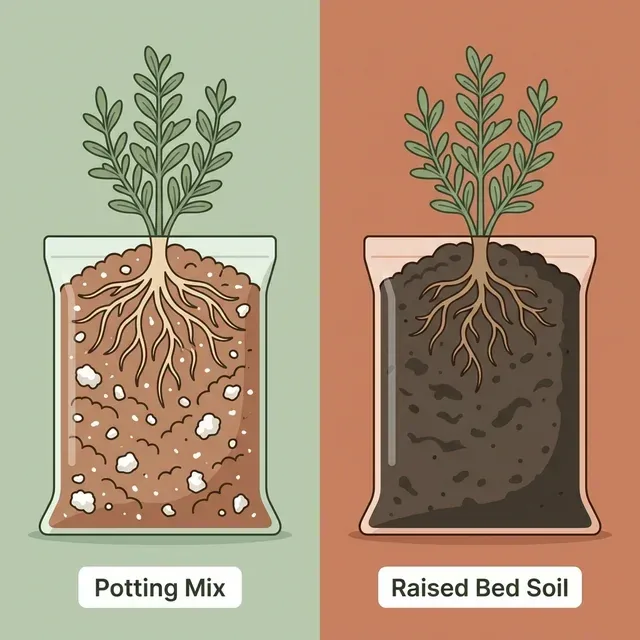
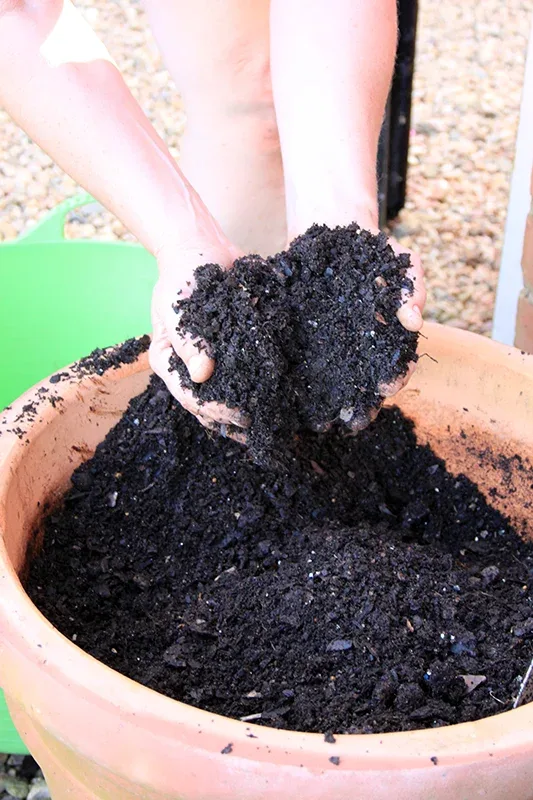
5 Best Organic Potting Soil: Natural Mixes for Healthier Plants
A bag of potting soil can look right on the shelf and still leave you with a droopy plant, a pot that stays soggy, or a mix that dries out before you remember to water again. Choosing a mix that doesn’t suit the plant or container can mean wasted soil and a second repotting job. If you’re growing indoors, you may also be trying to avoid a messy floor or unwanted little flies.
The first things to check are where you’ll grow, how quickly the mix drains, and whether the bag’s volume will fill your containers. A soil blend meant for outdoor pots may not suit a small houseplant, and a bag that looks generous can disappear into one large planter faster than you’d expect.
Here’s what this guide will help you sort out:
- Which mixes make sense for indoor pots, outdoor containers, and mixed use.
- How ingredients such as coir, peat moss, and castings affect care.
- How to estimate the amount of soil you need before opening a bag.
- What to check on the package and what to do after planting.
Quick Picks
-
Best For Indoor And Outdoor Pots

Burpee Premium Organic Potting Mix Garden Soil
Coco coir helps balance moisture and drainage, while slow-release nutrition supports growers filling indoor or outdoor containers.
-
Best For Indoor Houseplants

Miracle-Gro Organic Indoor Potting Mix, 16 qt.
Peat moss, coir, and natural fertilizer make a moisture-regulating mix for houseplants, herbs, and seed starting.
Top 5 Organic Potting Soils at a Glance
Burpee’s mix is a useful first look for someone filling indoor and outdoor containers, while Miracle-Gro’s indoor blend is aimed at houseplants and seeds. The other choices range from a small peat-free indoor bag to a larger amended mix, so the main differences are intended setting, volume, and the kinds of ingredients each grower wants.
| Product image | Product name | Check product |
|---|---|---|
| 1 |
Burpee Premium Organic Potting Mix Garden Soil | Check Price |
| 2 |
Miracle-Gro Organic Indoor Potting Mix, 16 qt. | Check Price |
3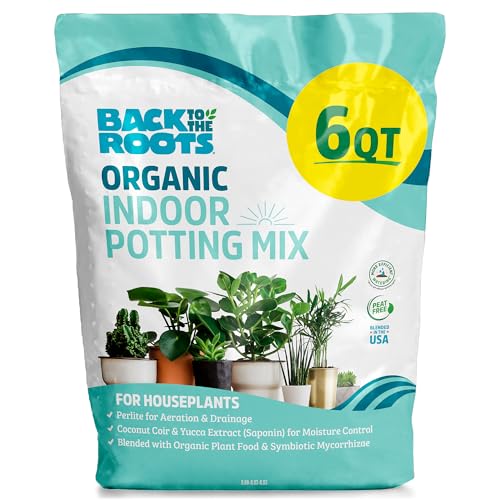 |
Back to the Roots Organic Indoor Potting | Check Price |
4 |
Miracle-Gro Organic Outdoor Potting Mix, 16 qt. | Check Price |
5 |
FoxFarm Happy Frog Potting Soil with 2 | Check Price |
5 Best Organic Potting Soils: Detailed Reviews
When I chose the best organic potting soil, I paid attention to where each mix is meant to be used, what its listed ingredients may do for watering and feeding, and how much soil the bag holds. Those details can help you avoid buying an outdoor blend for a houseplant or discovering halfway through planting that the bag won’t fill the pot.
The group includes indoor and outdoor options, smaller bags for a few plants, and larger volumes for several containers. Looking at those differences side by side makes it easier to match the mix to your space and routine instead of buying a bag because the front label sounds reassuring.
1. Burpee Premium Organic Potting Mix Garden Soil
Coco coir helps balance moisture and drainage, while slow-release nutrition supports growers filling indoor or outdoor containers.
- Size9 Quart
- ColorPotting Mix
- Number Of Items1
- WeightNot listed; check details
Burpee Potting Mix is a container blend for people who want one soil for indoor and outdoor pots, including vegetables, flowers, and herbs. Its listed ingredients include coco coir, a material made from coconut husks that can help the mix hold moisture while allowing air and water to move around roots.
That balance matters because potting soil that stays waterlogged can make routine care harder, while a mix that dries too quickly can leave you chasing the watering can. Coir doesn’t remove the need to check your plant, but the blend is described as helping retain moisture and improve drainage, two useful goals in containers.
Burpee also says the mix feeds plants immediately and provides slow-release nutrition for up to three months. Slow-release means nutrients become available over time rather than all at once, which can reduce the need to start feeding right after planting; still, check the bag directions before adding fertilizer, since extra feeding may not be needed at first.
The package is described as a 9-quart bag, a modest amount for a few smaller pots rather than a patio full of large planters. The mix is also described as OMRI Listed, but that label should not be stretched into a claim that every ingredient or use has been independently proven safe for every situation.
Pros:
- Coco coir helps retain moisture while supporting drainage.
- Listed for indoor and outdoor container use.
- Suitable for vegetables, flowers, and herbs.
- Immediate and slow-release nutrition are both described.
- 9-quart size may suit a small planting job.
Cons:
- A 9-quart bag may not stretch far across large pots.
- The mix’s feeding period means you should check before adding fertilizer.
- The feature details don’t identify every ingredient or its proportion.
Buy it if: you want one mix for a few indoor or outdoor containers, because coco coir helps balance moisture and drainage.
Skip it if: you need enough mix for many large planters, because the 9-quart bag may run short, and a larger-volume potting mix would suit you better. For another fit, consider Miracle or Back.
I’d keep Burpee near the top for someone who wants a multipurpose container mix rather than separate soil for each setting. Coco coir and the stated feeding window give a beginner a clear starting point for watering and early care. I’d still check the package for the current ingredient details and directions before adding fertilizer.
Choose Burpee if a 9-quart bag fits the size of your planting job.
2. Miracle-Gro Organic Indoor Potting Mix, 16 qt.
Peat moss, coir, and natural fertilizer make a moisture-regulating mix for houseplants, herbs, and seed starting.
- Size16.qt
- COVERAGEOne 16 qt. bag of Miracle-Gro Organic Indoor Potting Mix fills one 12-inch container with potting soil for indoor p
- WeightNot listed; check details
- DimensionsNot listed; check details
Miracle-Gro Indoor Mix is intended for indoor container plants, houseplants, herbs, and seed starting. The listed blend includes sphagnum peat moss, coir, and quick-start natural fertilizer, so it brings together materials used for moisture management with a source of early nutrients.
Peat moss is a plant material commonly used in potting blends to help hold water. Coir is also listed, and the mix is described as helping protect against both overwatering and underwatering; that wording is a useful aim, not a substitute for checking whether the pot has drainage holes or feeling the soil before watering.
The bag’s directions give a practical starting point: one 16-quart bag fills one 12-inch container, though the amount can vary with the root ball. That estimate can help you plan a repot, but don’t treat it as an exact promise if your plant has a large root system or you’re filling a different pot shape.
The indoor focus makes this a more specific choice than a general outdoor mix. Use the package instructions for seeds and transplants, and be careful not to bury a plant’s stem deeper than it was growing before; the soil alone can’t correct poor planting depth or a pot without suitable drainage.
Pros:
- Made for indoor containers and houseplants.
- Includes peat moss and coir for moisture management.
- Quick-start natural fertilizer is listed in the blend.
- Use is described for seed starting and herbs.
- 16-quart bag has a stated 12-inch-pot coverage estimate.
Cons:**
- Indoor focus may not suit someone mainly filling outdoor containers.
- The coverage estimate can vary with root-ball size.
- The moisture claim doesn’t replace proper watering or drainage.
Buy it if: you’re potting houseplants or starting seeds indoors, because the blend is made for indoor containers and includes quick-start natural fertilizer.
Skip it if: your main job is filling outdoor pots, because this mix is described for indoor use, and an outdoor container blend would suit you better. Burpee and Back are worth a closer look instead.
What I like here is the clear indoor purpose and the coverage estimate, which help a beginner decide whether one bag is enough. The listed ingredients also make the blend’s moisture focus easier to understand than a bag with no ingredient details. I’d double-check the current label for planting and watering directions, especially for seeds.
Pick Miracle-Gro Indoor Mix if most of your planting will happen inside.
3. Back to the Roots Organic Indoor Potting
The catalog lists Includes 6qt of Back to the Roots Indoor Potting Mix. Our Potting Mix contains organic yucca extract that aids. Compare fit and care needs before choosing.
- Size6 Quart
- ColorIndoor Potting Mix
- Release Date2023-01-01T00:00:01Z
- Number Of Items1
Back to the Roots Indoor Potting Mix is a small-bag option for houseplant growers who want a peat-free blend. The listed ingredients include organic yucca extract, which is described as helping the mix retain moisture, and the bag contains 6 quarts.
The mix also lists mycorrhizae, beneficial fungi that can live alongside roots and are described as supporting root development and nutrient uptake. That’s a helpful ingredient to know about, but it doesn’t mean every plant will respond the same way or that you can skip basic care such as using a suitable pot and watering appropriately.
Another listed ingredient is dolomitic limestone, which is described as helping balance soil acidity and alkalinity. Soil acidity affects which nutrients a plant can access, so this is relevant to growing conditions; if you’re raising a plant with unusual soil needs, check its care requirements rather than assuming one general mix will match them.
The feature details say the mix is made without bark or compost and is less prone to indoor gnats and pests. That is a comparative claim, not a promise that pests can never appear, since insects can arrive with a plant, contaminated tools, or other growing materials. The small bag is best considered for a limited number of pots.
Pros:
- Peat-free blend suits growers seeking a mix without peat.
- Yucca extract is described as helping retain moisture.
- Mycorrhizae are included to support roots and nutrient uptake.
- Dolomitic limestone is listed for balancing acidity and alkalinity.
- 6-quart size may suit a few indoor plants.
Cons:
- A 6-quart bag may be too small for several large pots.
- The ingredient details don’t give proportions for the blend.
- Lower pest risk is not a guarantee that gnats won’t appear.
Buy it if: you’re refreshing a few houseplant pots and prefer a peat-free mix, because the blend includes yucca extract and listed mycorrhizae.
Skip it if: you need a large quantity for a shelf full of plants, because 6 quarts may not go far, and a larger bag would suit you better. If those trade-offs rule it out, Burpee or Miracle may suit you better.
I’d consider Back to the Roots for a smaller indoor planting job where peat-free ingredients are a priority. The listed yucca extract gives a beginner a reason to pay attention to moisture, while the mix’s other ingredients are described in plain terms. I’d check the package for the complete directions and make sure the 6-quart amount covers your pots.
This is a sensible pick for someone repotting a few houseplants, not an entire indoor jungle.
4. Miracle-Gro Organic Outdoor Potting Mix, 16 qt.
The catalog lists OUTDOOR POTTING SOIL: Miracle-Gro Organic Outdoor Potting Mix contains a quick-release natural plant fertilize. Compare fit and care needs before choosing.
- Size16QT
- Colorbrown
- Number Of Items1
- COVERAGEOne 16 qt. bag of Miracle-Gro Organic Outdoor Potting Mix fills one 12-inch pot with garden soil for containers (am
Miracle-Gro Outdoor Mix is made for outdoor container plants such as flowers, vegetables, herbs, annuals, and perennials. It includes quick-release natural fertilizer and is described as feeding plants for up to two months, which can make early feeding simpler for someone planting several outdoor pots.
Quick-release fertilizer supplies nutrients sooner than a slow-release feed, according to the way the mix is described. That can be convenient during planting, but it also means you should read the label before adding another fertilizer product; doubling up without checking can give a plant more than the package directions call for.
The blend is made with peat moss, which is described as responsibly sourced from certified producers. Peat moss is used in potting mixes to help retain water, but outdoor pots still dry at different rates depending on their size, sun, wind, and drainage. A moisture-holding ingredient doesn’t mean a container can go days without a check during hot weather.
One 16-quart bag is described as filling a 12-inch pot, with the amount varying according to the plant’s root ball. That gives you a rough planning figure, not a guarantee, especially if the container is unusually deep or wide. This mix is specifically described for outdoor containers, so indoor growers should choose according to the plant and package directions rather than treating all potting soil as interchangeable.
Pros:
- Made for outdoor container plants.
- Named uses include flowers, vegetables, herbs, annuals, and perennials.
- Quick-release natural fertilizer is included.
- Feeding is described as lasting up to two months.
- 16-quart bag has a 12-inch-pot coverage estimate.
Cons:
- Outdoor focus may not suit indoor houseplants.
- Fertilizer is included, so check before adding more.
- Coverage varies with the size of the root ball.
Buy it if: you’re planting outdoor containers and want early feeding included, because the mix contains quick-release natural fertilizer.
Skip it if: you’re filling indoor houseplant pots, because this blend is described for outdoor containers, and an indoor potting mix would suit you better.
I’d rank Miracle-Gro Outdoor Mix as the straightforward option for someone setting up patio or garden containers. Its named uses and stated feeding period make it easier to understand what job the blend is meant to do. I’d check the label before using extra fertilizer and estimate volume before buying, since a single bag may cover less than you expect.
Pick it when outdoor containers are the main task.
5. FoxFarm Happy Frog Potting Soil with 2
The catalog lists BUNDLE OF 3 ITEMS: You will receive one 2cu ft bags of Happy Frog Potting Soil and two customizable plant tags. Compare fit and care needs before choosing.
- ColorBrown/White
- Size1
- Number Of Items1
- WeightNot listed; check details
FoxFarm Happy Frog Potting Soil is a ready-to-use amended blend for container plants indoors or outdoors, with a listed volume of 2 cubic feet. An amended mix is potting soil with additional ingredients added for plant care; this blend lists earthworm castings, bat guano, aged forest products, and soil microbes.
Earthworm castings are a soil ingredient made from worm waste, and bat guano is an animal-derived fertilizer ingredient. Both are listed as part of the blend’s added nutrition, but the provided details don’t state their amounts or a feeding schedule. Read the bag before adding fertilizer, particularly if you’re growing in a small container where too much added feed can be harder to manage.
The blend also has a custom mix of soil microbes, described as helping root efficiency and nutrient uptake. Soil microbes are tiny living organisms in the growing medium; their presence may support growing conditions, but it doesn’t replace light, water, a suitable pot, or care matched to the plant.
FoxFarm says the mix can be used for container plants, trees, shrubs, roses, and other named examples. The directions recommend choosing a container 2 to 3 times the diameter of the plant’s root mass for trees and shrubs, a detail worth following rather than putting a large root system into a cramped pot. The bundle also includes two customizable plant tags, useful for labeling varieties or planting dates.
Pros:
- Ready-to-use blend is listed for indoor and outdoor containers.
- Earthworm castings and bat guano are included.
- Soil microbes are listed for root and nutrient support.
- Named uses include trees, shrubs, and roses.
- Two plant tags can help track varieties or dates.
Cons:
- The large volume may be more than a few small pots need.
- The provided details don’t state ingredient proportions or a feeding schedule.
- The amended ingredients may not suit someone seeking a simple blend.
Buy it if: you’re filling several containers or potting a larger plant, because the ready-to-use blend comes in a stated 2-cubic-foot bag.
Skip it if: you only need soil for one small houseplant, because the large volume may be unnecessary, and a smaller bag would suit you better.
To me, the useful part of FoxFarm Happy Frog is the combination of a large ready-to-use volume and clearly named amendments. That may save a trip back to the store when you’re filling several containers, while the plant tags are a small but practical extra. I’d check the bag for ingredient amounts and feeding directions before mixing in anything else.
Choose FoxFarm if you have several pots or a larger container to fill.
How to Choose the Best Organic Potting Soil
The best organic potting soil is the mix that suits your plant, pot, and watering habits, not simply the one with the longest ingredient list. Start with the intended setting, then compare volume, moisture needs, added nutrients, and any label claims that matter to you.
Match the mix to the growing space
Indoor and outdoor containers face different conditions. Indoor pots may get less airflow and less direct sun, while outdoor pots can dry quickly in heat and wind, so begin by checking that the package says the mix is intended for your setting.
If you grow both indoors and outdoors, a blend described for both settings may be convenient, but “all-purpose” doesn’t mean every plant has identical needs. Some mixes in this roundup are clearly described as indoor-only or outdoor-focused, so don’t assume you can use them interchangeably.
For a broader comparison of general container blends, potting soil options can help you think through how intended use and ingredients shape a buying choice. Keep your own plants and pots in mind as you read; the right label is the one that matches the job you actually have.
Estimate how much soil you need
Bag volume is usually the easiest way to compare quantity. A quart is a unit of volume, and the product details may give a rough pot-coverage estimate; use it as a planning aid rather than an exact fill line because the root ball takes up space.
Measure your container’s width and depth before shopping, and count how many pots you plan to fill. If you’re repotting a plant, remember that a larger container can require much more mix than a small nursery pot, even if the difference in width seems modest.
The listed bags here range from 6 quarts to a stated 2 cubic feet, so they suit different jobs. Don’t buy by bag size alone: check the package’s coverage directions, then allow for the plant’s roots and any empty space you intend to leave at the top.
Read the ingredient list for a reason
Ingredients matter because they influence how a mix holds water and supplies nutrients. Coir and peat moss are commonly used to manage moisture, while castings, guano, or fertilizer may contribute nutrients; a blend’s description can tell you what it is designed to do, but not necessarily the amount of each ingredient.
If you want to avoid a particular ingredient, check the package rather than relying on a broad front-label claim. For a beginner’s plain-language overview of common blends and ingredients, potting soil basics can help you understand why different mixes are made for different jobs.
Don’t assume that “organic” means a product is suitable for every plant, safe in every setting, or independently certified. Look for the specific label or certification information you require, and confirm it on the package; a keyword or a general product description isn’t proof of a particular standard.
Think about watering and drainage
A potting mix should work with a container that lets excess water escape. Drainage holes matter because roots need air as well as water, and a moisture-retaining ingredient cannot compensate for a pot that traps water at the bottom.
Consider your routine honestly. If you tend to forget watering, a mix described as helping retain moisture may be appealing, but you’ll still need to check the soil. If you water frequently, use a pot with working drainage and avoid adding water automatically just because the surface looks dry.
Check the feeding directions
Some blends include fertilizer or describe a period of feeding, while others give fewer details. Check whether the bag says nutrients are included, how long they are intended to last, and when the manufacturer says to begin additional feeding.
More fertilizer isn’t automatically better. Follow the package directions and the needs of the plant, especially for young plants and seedlings, which may need more careful feeding than established container plants.
Consider the size of the planting job
Small bags can make sense for a few indoor plants, reduce leftover storage, and keep the cost of a small project in check. Larger bags are more practical for many containers, but they can be heavy and awkward to store once opened.
If budget is the deciding factor, compare the amount you’ll actually use and the intended purpose rather than choosing only by the lowest shelf price. This guide to lower-cost potting soil can support that comparison, but check that a less expensive option still matches your plant and container needs.
How to Use Organic Potting Soil for the Best Results
Use potting soil by matching it to the plant, filling a suitable container, and watering according to the plant’s needs. A good blend helps, but planting depth, drainage, light, and care still shape how well a container grows.
- Read the bag before opening it. Confirm whether the mix is for indoor or outdoor use, which plants it names, and whether fertilizer is already included.
- Choose a pot with drainage. Check that the holes are open and that the container is large enough for the plant’s roots without making a small plant sit in excessive wet soil.
- Loosen the mix gently. Break up compacted clumps with your hands, but don’t grind the soil into dust or pack it tightly into the pot.
- Add enough mix to set the plant at the right height. Leave room at the top for watering, and keep the plant’s stem and crown at the depth recommended for that plant.
- Set the roots in place. If transplanting, loosen a tightly bound root ball gently and spread the roots where possible without tearing them apart.
- Fill around the roots. Add soil in small amounts and press lightly so the plant stands upright; hard packing can reduce air spaces and make watering uneven.
- Water thoroughly, then let excess drain. Follow the package directions and the plant’s care needs, and empty standing water from a saucer when appropriate.
- Label seedlings or similar plants. A plant tag can record the variety and planting date, which is helpful when several pots look alike.
For seeds, follow the seed packet’s depth and moisture directions. A potting mix described for seed starting may be suitable, but seeds differ, so don’t bury every seed at the same depth or keep all containers equally wet.
How to Make Your Organic Potting Soil Last Longer
Store unused soil sealed and dry, and protect planted containers from care that keeps the mix soggy or compacted. Potting soil itself doesn’t have a simple one-size-fits-all replacement date, so judge it by its condition and how the plant is growing.
Close an opened bag securely to keep out rain, pests, and debris. Store it in a dry, sheltered place rather than directly on damp ground, and keep the bag away from children and pets; follow any handling or storage directions printed on the package.
Before reusing soil, look for a sour or unpleasant smell, persistent waterlogging, or visible pests. Those signs call for closer attention, not an automatic diagnosis: check the plant’s roots and drainage, and don’t reuse a mix that appears contaminated or has been affected by a plant problem you don’t understand.
Avoid compressing the soil in storage or in the pot. Compacted mix can be harder to wet evenly and can limit air around roots, so loosen it gently when filling a container and avoid pushing down hard to make more room.
Keep a simple care note for each group of plants. Record the planting date, the mix used, and any fertilizer added; that makes it easier to follow the bag’s feeding period and avoid applying nutrients again too soon.
Common Mistakes to Avoid When Buying and Using Organic Potting Soil
- Choosing a mix without checking its intended setting: An indoor or outdoor focus can matter; match the package directions to where the container will grow.
- Underestimating the amount needed: Small bags can run out quickly; measure pots and use the stated coverage as a rough estimate.
- Treating moisture claims as a watering schedule: Ingredients may help manage water, but check the soil and the plant before watering.
- Using a pot without drainage: Excess water can collect around roots; make sure drainage holes are clear before planting.
- Adding fertilizer without reading the bag: Some mixes already contain feed; follow the directions before adding more.
- Packing soil tightly around roots: Hard pressure can reduce air spaces; settle the mix gently and water to help it sit in place.
- Assuming “organic” answers every safety or certification question: The word alone doesn’t establish a particular standard; check the exact package label for the claim you need.
Common Questions About Organic Potting Soil
Is organic potting soil safe for vegetables and herbs?
A mix described for vegetables and herbs may be intended for those container plants, but the word “organic” alone doesn’t prove a specific safety certification. Read the package for named uses and any label or certification details you require. Follow instructions for edible plants, and use clean containers and watering practices.
Can I use indoor potting soil outside?
Use a mix outdoors only if its directions support that setting and the plant is suited to outdoor conditions. Indoor blends may be formulated for houseplants and seed starting, while outdoor mixes may include feeding directions for container plants. Check the package rather than assuming that all bagged soil works the same way.
How much potting soil do I need for a 12-inch pot?
The amount depends on the pot’s shape and depth, how much space the plant’s root ball occupies, and the fill level you need. Some bags provide an estimate for a 12-inch container, but treat it as a guide rather than a precise measure. Check the package and compare it with your pot’s dimensions.
Does potting soil with fertilizer need more fertilizer?
Not necessarily at first. Check the bag for the type of fertilizer included and how long the mix is described as feeding plants, then follow its directions and the plant’s needs. Adding more without checking can lead to unnecessary feeding, especially for new transplants or seedlings.
Is potting soil the same as garden soil?
No, garden soil and potting mix are meant for different growing situations. Potting mixes are formulated for containers, where drainage and weight matter, while garden soil is used in the ground. Check the label for the intended use, and don’t fill a container with garden soil unless its directions say it is suitable.
How should I store an opened bag of potting soil?
Seal the bag to keep out rain, debris, and pests, then store it in a dry sheltered place. Avoid leaving it on wet ground or where children and pets can reach it. Before using stored soil, check for an unusual smell, visible pests, or signs that water has soaked into the bag.
Before You Buy, Check the Bag and Your Pots
Start with the plants you’re potting, the place they’ll grow, and the volume your containers need. Then read the package directions for intended use, ingredients, feeding, and any certification detail that matters to you before adding a bag to your cart.