No, all oil pressure sensors are not the same. They can differ in electrical design, pressure range, thread size, connector shape, signal output, and vehicle-specific calibration. Always match a replacement to your vehicle’s exact engine and manufacturer specifications.
For drivers and DIY mechanics in the United States, choosing the correct oil pressure sensor means checking more than whether a part fits into the engine. Domestic vehicles, imported cars, pickup trucks, SUVs, and older models can use different oil pressure monitoring systems, even when their sensors look nearly identical. A physically compatible part may still send the wrong signal to the instrument cluster or engine control module.
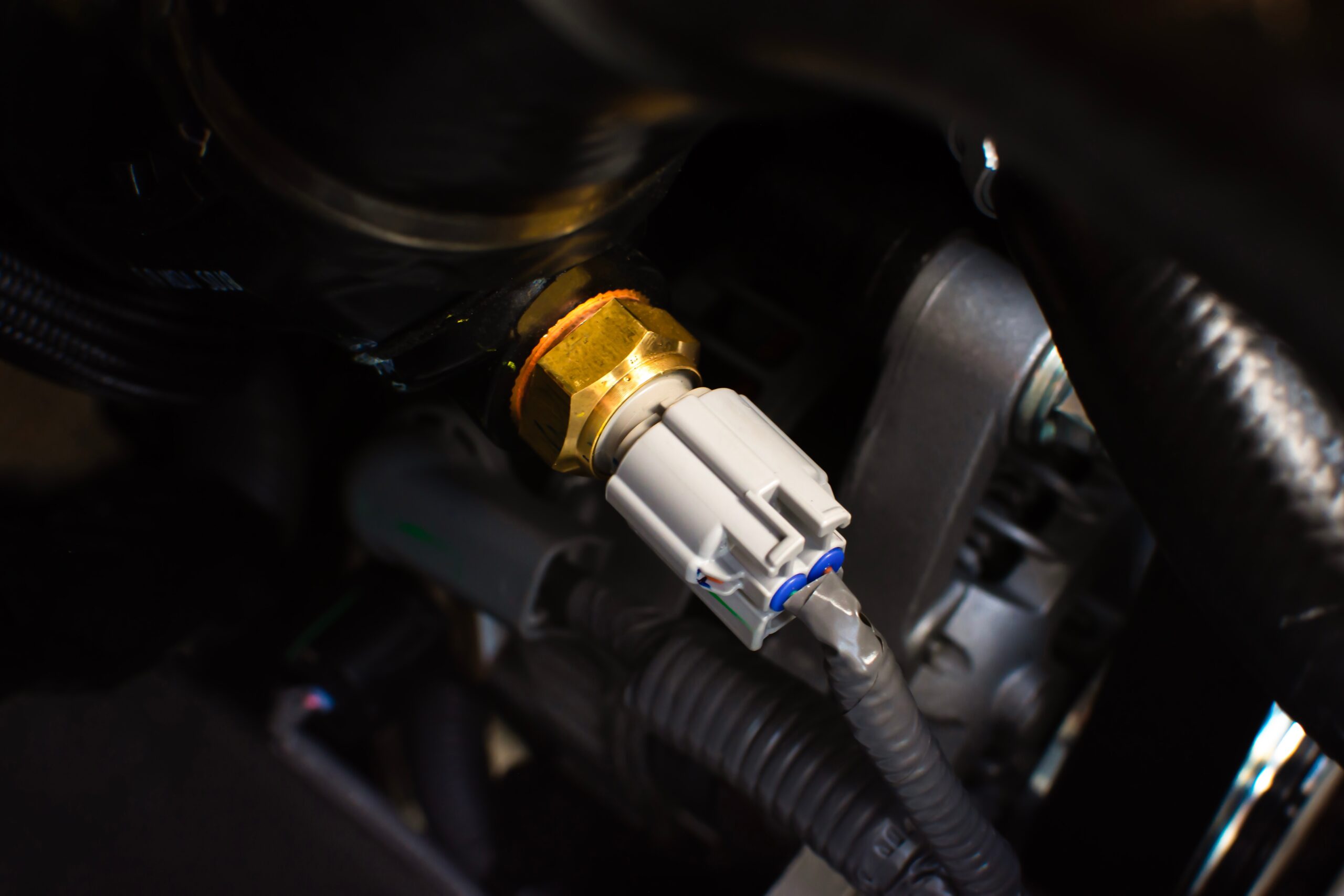
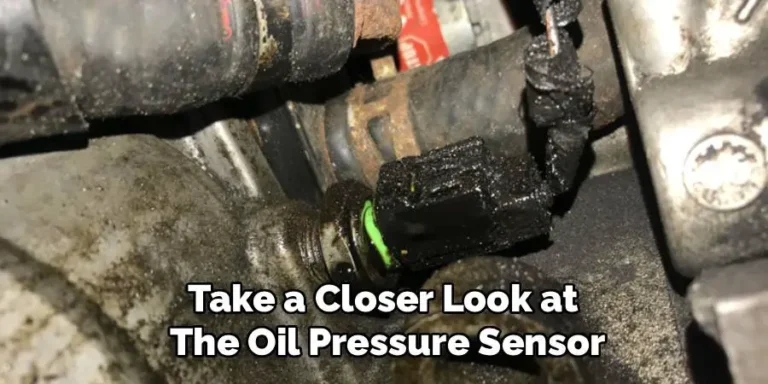
An oil pressure sensor monitors engine oil pressure and converts it into an electrical signal that a gauge, warning system, or electronic control module can interpret. Some vehicles use a variable-output pressure transducer, while others use a simple pressure switch that activates a warning light. Before buying a replacement, verify the original part number, engine application, electrical specifications, and installation requirements.
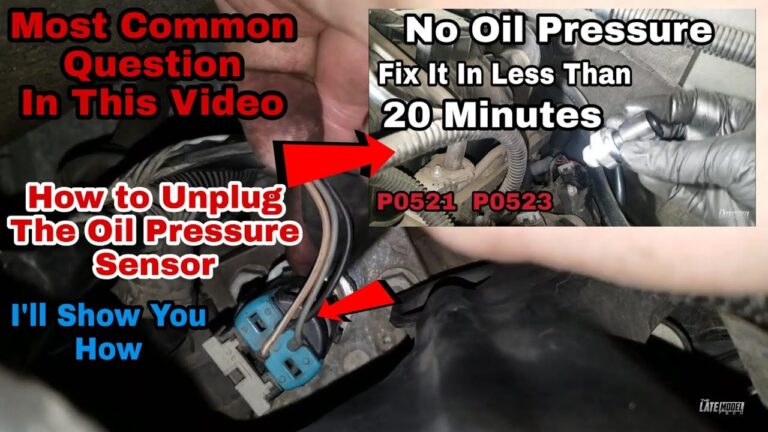
Source: samarins.com
Why Are Oil Pressure Sensors Different?
Oil pressure sensors differ because manufacturers design engine monitoring systems around specific pressure ranges, electrical signals, mounting arrangements, and control strategies. The sensor must communicate correctly with the vehicle’s gauge, warning circuit, or engine control module.
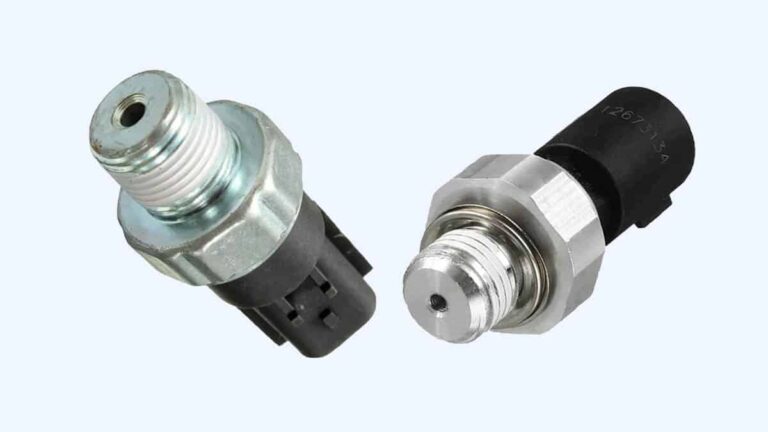
Two sensors may have similar metal bodies and threaded mounting points but use different internal electronics. Installing an incompatible unit can cause an inaccurate gauge reading, a persistent warning light, an incorrect diagnostic trouble code, or a failure to detect a pressure problem correctly.
The most reliable way to determine compatibility is to identify the original equipment part number and verify the replacement against an application catalog or the vehicle manufacturer’s service information.
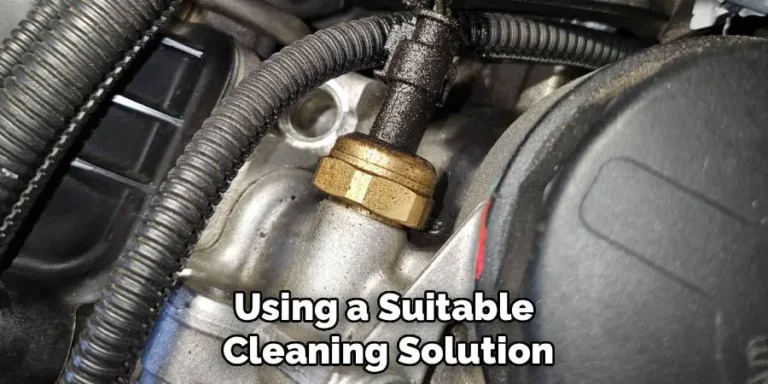
Source: efi-service.com
Different electrical functions
Some units act as on-off switches, while others measure changing pressure and produce a variable electrical signal.
Different operating ranges
Sensors are designed for specified pressure ranges and signal characteristics. A replacement with an unsuitable range may not report pressure correctly.
Different mounting specifications
Thread diameter, thread pitch, sealing method, body dimensions, and required installation clearance can vary.
Different vehicle electronics
The instrument cluster and engine control module expect a particular signal or switching behavior. A sensor that does not meet those requirements may not work properly.
Do All Vehicles Use the Same Type of Oil Pressure Sensor?
No. Some vehicles use a dedicated pressure switch for a dashboard warning light. Others use an analog or electronic pressure transducer to provide pressure information to the engine control module or instrument cluster. Certain systems combine electronic monitoring with a separate warning strategy.
The design can vary between manufacturers and between engines from the same manufacturer. A replacement for one Chevrolet, Ford, Toyota, Honda, or Ram application should not be assumed to fit another vehicle from that brand.
Older vehicles
Some use simple pressure switches or dedicated gauge-sender designs, depending on the original equipment.
Modern vehicles
Many use electronically integrated monitoring systems with specific signal requirements and diagnostic logic.
Oil Pressure Sensor vs. Oil Pressure Switch: What Is the Difference?
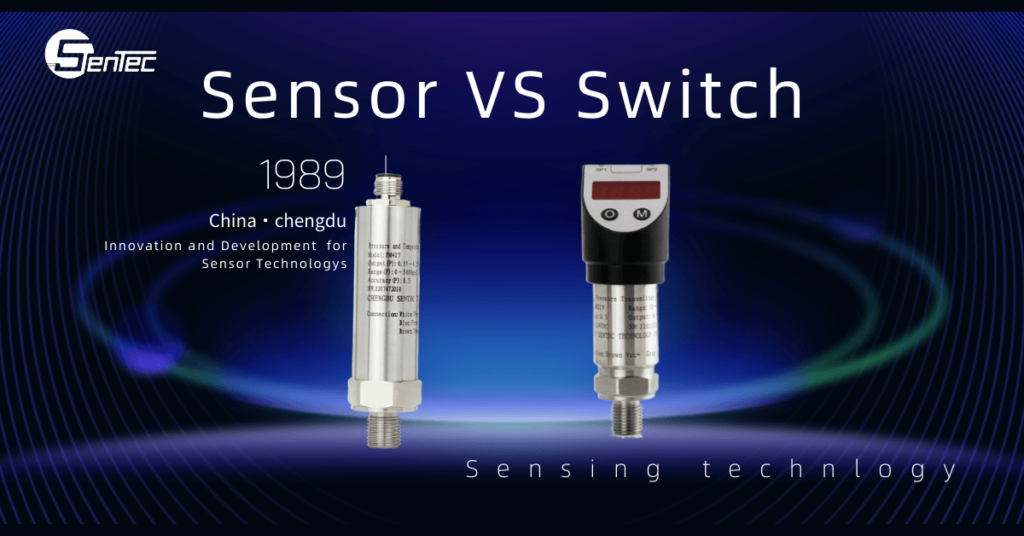
An oil pressure sensor generally measures pressure and communicates a changing signal, while an oil pressure switch changes electrical state when pressure crosses a specified threshold. Automotive terminology is not completely consistent, so some catalogs and repair manuals use the word sensor for components that function primarily as switches.
The distinction matters when choosing a replacement. A variable-output sensor cannot automatically replace a simple switch, and a basic switch cannot provide the continuous pressure information expected by a variable-input gauge or electronic control system.
Check the original component’s documented function rather than relying only on its name in an online listing. A connector with one terminal does not always prove that a component is a switch, and a multi-pin connector does not by itself establish its signal type.
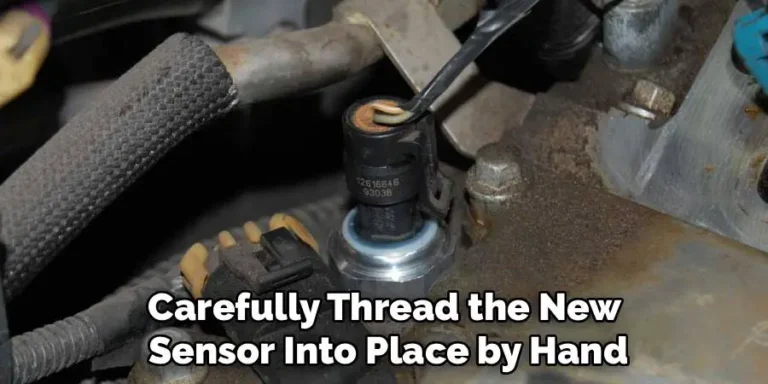
Source: cdsentec.com
Pressure switch
Typically changes between electrical states at a specified pressure threshold and may operate a warning light or signal circuit.
Variable-output pressure sensor
Produces a changing electrical signal corresponding to pressure, according to its specified design and calibration.
Gauge sender
Provides a signal suitable for a particular gauge system. Its resistance or voltage characteristics must match the intended application.
Can You Replace an Oil Pressure Switch With a Sensor?
Not unless the replacement is explicitly approved for that application. A switch and a variable-output sensor can have different wiring requirements and communicate in different ways. A component that screws into the same opening may still be electrically incompatible.
Use the vehicle wiring diagram and manufacturer-approved parts information to determine which component is required. Do not modify wiring or install adapters based solely on physical fit.
Verify the circuit
Determine whether the original component switches a circuit or supplies a variable pressure signal.
Match the specification
Confirm the required output, connector pin arrangement, operating range, and approved part number.
What Determines Oil Pressure Sensor Compatibility?
Correct compatibility depends on the complete mechanical and electrical specification, not simply the component’s appearance. Before ordering, compare the original part number with the proposed replacement and confirm that the catalog specifically lists the correct engine and vehicle configuration.
The following table summarizes the main details to verify. Exact values must come from the manufacturer’s documentation or a reliable parts catalog for the specific application.
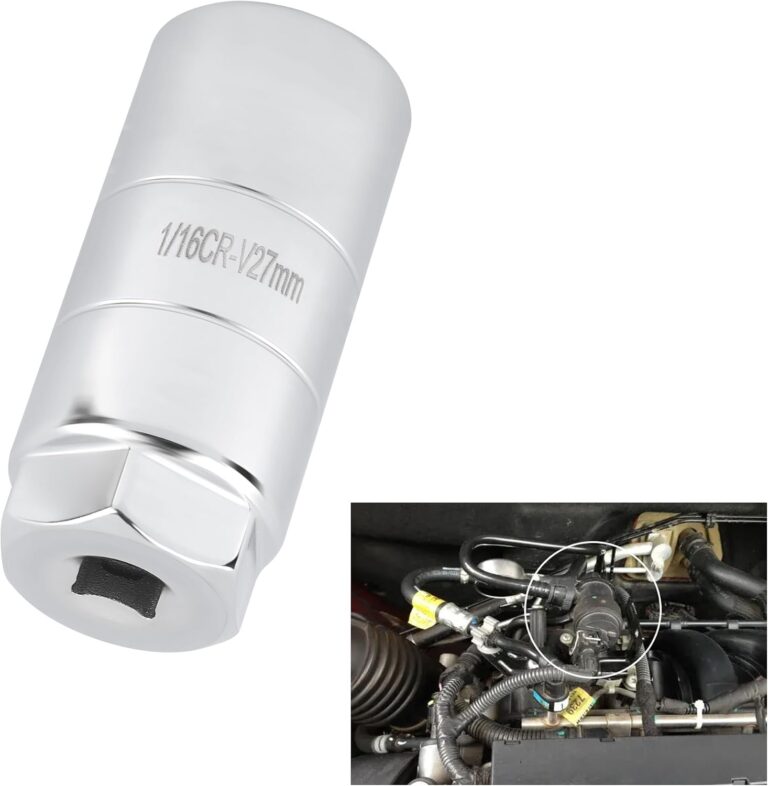
Source: www.youtube.com > Course Solutions
Vehicle and engine identification
Record the model year, make, model, engine size or engine code, and any relevant production or trim differences.
Original equipment part number
Use the number stamped on the original component when readable, then check for official supersessions or approved replacement numbers.
Electrical connector
Compare the connector keying, terminal count, pin arrangement, and electrical specifications. Similar-looking connectors may use different pin assignments.
Pressure and output specifications
Confirm the operating range, switching threshold if applicable, and resistance, voltage, or other signal characteristics required by the vehicle.
Thread and sealing method
Verify thread diameter, pitch, thread type, sealing washer or O-ring requirements, and whether the component relies on its threads for electrical grounding.
Are Oil Pressure Sensor Threads Universal?
No. Oil pressure sensors can use different thread diameters, pitches, and thread standards. Some applications use tapered pipe threads, while others use straight threads with a washer or O-ring to form the seal. Two threaded components may start threading into the same opening without having the correct specification.
Forcing a sensor with the wrong thread can damage the engine’s mounting port, cause an oil leak, or leave the component improperly secured. Confirm the exact thread specification and sealing arrangement before installation. Do not use excess sealant to compensate for an incompatible thread.
Thread diameter and pitch
Both measurements must match the specified mounting port.
Sealing design
Use the specified washer, O-ring, or thread-sealing method for the application.
Electrical grounding
Some designs depend on metal-to-metal contact for grounding, so unapproved insulating sealant can interfere with operation.
Does the Number of Connector Pins Matter?
Yes, but pin count is only one compatibility check. A sensor with the same number of terminals as the original can still have a different pin assignment, output signal, or internal circuit. Compare the wiring diagram and connector specification rather than matching the plug alone.
Connector shape
The plug must lock securely without forcing or modifying it.
Terminal assignment
Power, ground, and signal connections must match the documented circuit where applicable.
Can You Use a Universal Oil Pressure Sensor?
A universal oil pressure sensor can work in more than one application, but only when its documented specifications match the vehicle’s requirements. The term universal does not mean that every sensor will fit every engine or communicate correctly with every dashboard or engine control module.
Some aftermarket components are listed for multiple vehicles because they share the same original equipment specification. Others require a compatible gauge, adapter, or separately specified wiring arrangement. An adapter may solve a mounting difference, but it cannot correct an incompatible electrical output or calibration.
For a factory warning light or engine management system, choose a part cataloged for the exact application. For an aftermarket mechanical or electronic gauge, match the sender to the gauge manufacturer’s stated requirements.
Source: sino-insts.com
When a universal part may work
The manufacturer explicitly supports the pressure range, signal type, electrical characteristics, mounting, and application.
When a universal part is unsuitable
The signal is incompatible, the pressure range differs, the thread or seal is incorrect, or the vehicle manufacturer does not approve the substitution.
When an adapter is acceptable
The adapter is specifically suitable for the application, preserves a reliable seal, provides sufficient clearance, and does not interfere with the sensor’s operation.
Are Aftermarket Oil Pressure Sensors as Good as OEM Sensors?
An aftermarket sensor can be a suitable replacement when it meets the required original equipment specifications and has documented application compatibility. OEM refers to original equipment manufacturer parts or specifications, while aftermarket parts are supplied by other manufacturers. Quality and compatibility depend on the individual part, not just the category.
A reputable aftermarket replacement may provide the required function without being sold under the vehicle brand. However, a low-priced listing with incomplete specifications or unclear fitment creates more uncertainty. Check the warranty, manufacturer identification, application coverage, and any published technical data before purchasing.
Choose by specification
Prioritize verified application fitment and correct electrical and mechanical characteristics over appearance or price alone.
Check superseded numbers
A newer part number may legitimately replace an older one if the vehicle manufacturer or parts supplier confirms the interchange.
Avoid unsupported substitutions
Do not assume that a sensor is compatible merely because a seller describes it as a direct replacement.
How to Find the Correct Oil Pressure Sensor for Your Vehicle
The safest way to select a replacement is to identify the vehicle precisely, confirm the original part number, and verify the complete specification before installation. This prevents common ordering errors caused by similar-looking components or broad compatibility claims.
Use the following process whether you are buying from an auto parts store in the United States, an online retailer, or a dealership parts department.
Source: hitchesguide.com
Step 1: Identify the vehicle
Gather the model year, make, model, engine code or displacement, and relevant production details. Use the VIN where a parts catalog requires it.
Step 2: Locate the original sensor information
Consult the owner’s documentation, service manual, dealership parts catalog, or a reliable parts database. Record the original part number if available.
Step 3: Verify replacement interchange
Confirm that the replacement is explicitly listed for the engine and that any superseded number is recognized by the supplier or manufacturer.
Step 4: Compare mechanical details
Check the thread, sealing method, body dimensions, mounting position, and clearance around nearby engine components.
Step 5: Compare electrical details
Verify the connector, terminal arrangement, pressure range, signal output, and switching threshold where applicable.
Step 6: Follow installation specifications
Use the specified torque, sealing method, and connector procedure. Do not guess the torque or apply thread sealant unless the service information calls for it.
What If the Original Sensor Part Number Is Unreadable?
If the original marking is damaged or inaccessible, use the vehicle’s VIN and exact engine identification to search the official parts catalog. A repair manual or dealership parts department can help distinguish between similar components used in different production configurations.
Do not identify the replacement by exterior appearance alone. If the catalog lists several possibilities, confirm the connector, mounting thread, engine application, and any production-date restrictions before ordering.
Use application-specific information
A VIN-based lookup can help identify the correct configuration, although unusual modifications or engine swaps may require additional verification.
Inspect before installation
Compare the replacement with the original and confirm all documented specifications before connecting or tightening it.
What Happens If You Install the Wrong Oil Pressure Sensor?
An incompatible oil pressure sensor may cause incorrect readings, warning lights, diagnostic trouble codes, or an oil leak. The exact result depends on how the replacement differs from the required component. A mechanical mismatch can damage the mounting port, while an electrical mismatch can prevent the vehicle from interpreting pressure correctly.
A sensor fault and a genuine low-pressure condition can produce similar dashboard warnings. Never assume that a warning is harmless simply because a replacement sensor was installed recently. Check the engine’s actual oil pressure using the manufacturer’s diagnostic procedure when necessary.
Source: czshinemotor.com
Incorrect gauge reading
A mismatched sender or calibration can cause a gauge to display an inaccurate pressure value.
Warning light stays on
An incompatible switching threshold, wrong signal, wiring problem, or genuine low oil pressure may keep the warning active.
Diagnostic trouble codes
The control module may detect a signal that is missing, implausible, or outside the expected electrical range.
Oil leakage
An incorrect thread, damaged seal, or improper installation can allow engine oil to escape.
Engine damage risk
If an incorrect signal conceals genuinely low oil pressure, continued operation can damage bearings and other lubricated components.
Can a Wrong Sensor Damage the Engine?
A mismatched sensor does not automatically damage the engine mechanically. The greater risk is an incorrect pressure indication or a leaking installation that goes unrecognized. If the engine is genuinely losing oil pressure, continued driving can cause severe internal damage regardless of which sensor is fitted.
If the red oil pressure warning appears while the engine is running, safely pull over and shut the engine off as soon as possible. Check the oil level when safe, but understand that a normal dipstick reading does not prove that oil pressure is adequate. Arrange diagnosis or towing if low pressure is suspected.
Stop the engine when pressure loss is suspected
Do not continue driving to see whether the warning disappears if the engine may have insufficient oil pressure.
Verify actual pressure
A qualified technician can use an appropriate mechanical pressure gauge and the vehicle’s service specifications to determine whether the pressure is within limits.
Common Mistakes When Replacing an Oil Pressure Sensor
Most compatibility mistakes happen when a replacement is selected by appearance, price, or a broad vehicle-brand description rather than by its actual specifications. Checking the part number and service information before installation is more reliable than trying a component and seeing whether the warning light goes away.
Avoid these common errors when purchasing or fitting a replacement sensor.
Source: hitchesguide.com
Assuming identical appearance means identical function
Different internal circuits and output characteristics can be hidden inside nearly identical housings.
Ignoring engine variations
A model year may include several engines or production configurations with different parts.
Forcing the connector or threads
A connector that will not lock or a sensor that will not thread smoothly may be incorrect. Stop and recheck the specifications.
Using excessive thread sealant
Unapproved sealant can affect the sealing surface or electrical grounding on designs that depend on conductive contact.
Replacing the sensor without checking oil pressure
A failed oil pump, worn bearings, low oil level, or another lubrication problem can cause a warning that a new sensor will not fix.
Overtightening the replacement
Excessive torque can damage the sensor or engine port. Follow the specified torque and installation method for the exact application.
How Do You Know the Replacement Is Working?
After installation, inspect the area for leaks, confirm that the connector is fully seated, and follow the vehicle’s prescribed verification procedure. The dashboard reading or warning should behave as specified for the operating conditions, but a normal-looking reading alone does not establish that actual oil pressure is correct.
If a warning remains, the gauge behaves erratically, or a diagnostic code returns, check the wiring, connector terminals, ground where applicable, and sensor signal using the service manual. Verify actual oil pressure if the symptoms suggest a lubrication problem.
Check for leaks
Inspect the mounting area with the engine off first, then follow the approved procedure for checking under operating conditions.
Confirm the electrical connection
Look for damaged wiring, corrosion, loose terminals, and an improperly locked connector.
Recheck the warning or gauge
Compare system behavior with the manufacturer’s expected operation and investigate any persistent abnormal indication.
Frequently Asked Questions
Q
Are all oil pressure sensors interchangeable?
No. Oil pressure sensors can differ in thread size, sealing method, pressure range, connector, signal output, and switching threshold. Use a replacement that is confirmed compatible with your exact vehicle and engine.
Q
Can I use an oil pressure sensor from another car?
Only if the component is documented as compatible with your vehicle’s specifications. A sensor from another car may look identical but provide a different signal or use a different mounting thread. Confirm the part number and application before installation.
Q
Are oil pressure sensors the same for all car brands?
No. Different manufacturers and engine families can use different sensor designs and electrical specifications. Even vehicles from the same brand may require different parts depending on the model year, engine, and equipment.
Q
Can I replace an oil pressure sensor with an oil pressure switch?
Not unless the replacement is specifically approved for the vehicle’s system. A pressure switch usually provides an on-off signal, while a variable-output sensor can measure changing pressure. Substituting one for the other can cause incorrect readings or warning-system problems.
Q
Do aftermarket oil pressure sensors fit as well as OEM sensors?
Some aftermarket sensors are direct replacements that meet the required specifications, while others may not match the original part. Verify the exact application, electrical output, thread, sealing arrangement, and manufacturer documentation before buying.
Q
How do I find the correct oil pressure sensor without the original part number?
Use the vehicle identification number, model year, make, model, and exact engine information to search a reliable parts catalog or contact a dealership parts department. Confirm the connector and mounting specifications before installation, especially if the vehicle has an engine swap or aftermarket modifications.
Q
Will a different oil pressure sensor cause the warning light to stay on?
Yes, an incompatible sensor can cause a warning light to remain on or display incorrect pressure. However, the same symptom can result from damaged wiring, a faulty connector, low oil level, or genuinely low engine oil pressure. If the red oil pressure warning appears while driving, stop the engine safely and investigate before continuing.
✦ Wrapping Up
Conclusion
All oil pressure sensors are not the same. They vary in electrical function, pressure range, thread specification, connector design, and vehicle compatibility. A replacement must match the requirements of the particular engine and its oil pressure monitoring system, even when another sensor looks physically identical.
For the most reliable result, verify the original equipment part number or use a vehicle-specific parts catalog. Follow the manufacturer’s installation instructions and investigate any persistent oil pressure warning rather than assuming that a new sensor has resolved the underlying problem.
💡 Key Takeaway
Before purchasing an oil pressure sensor, confirm your vehicle’s year, make, model, engine, original part number, connector, thread, and electrical specifications. If the oil pressure warning remains on or actual low pressure is suspected, shut the engine off and have the lubrication system diagnosed before driving again.
Ethan Brooks is an automotive writer at Auto News 7, covering car news, vehicle maintenance, new model updates, recalls, and practical buying guides. He focuses on clear, useful information that helps drivers understand their vehicles and make better ownership decisions.
Learn how to reset oil pressure sensor warnings safely, distinguish pressure faults from oil-life reminders, and know when diagnosis or repair is required.