Most vehicles do not have a fixed mileage or time interval for replacing the coolant temperature sensor. In the United States, the best practice is to replace it when testing confirms that it is inaccurate, damaged, or failing, while following the vehicle manufacturer’s maintenance and repair instructions.
For drivers in the United States, a coolant temperature sensor is generally a condition-based replacement item rather than a routine maintenance part. Unlike engine oil, brake fluid, or scheduled coolant service, the engine coolant temperature sensor usually is not replaced automatically at a specific mileage. Some aftermarket guidance places typical sensor life around 100,000 miles, but that figure should be treated as a rough lifespan estimate, not a universal replacement schedule.
The sensor measures engine coolant temperature and sends that information to the engine control module. The computer can use the signal to manage fuel delivery, ignition-related strategies, emissions functions, and, on some vehicles, cooling-fan operation. Because several other faults can create similar symptoms, replacing the sensor without confirming the diagnosis can waste money and leave the actual problem unresolved.
Source: video-thumbnails-1a.s3.amazonaws.com
Is There a Set Interval for Replacing a Coolant Temperature Sensor?
No. Most vehicles do not specify a routine coolant temperature sensor replacement interval in the same way they specify oil changes or coolant service. The appropriate interval depends on the vehicle manufacturer’s service information and the actual condition of the sensor and its circuit.
The absence of a scheduled interval does not mean the sensor lasts indefinitely. The component operates in a hot, chemically active environment and can eventually develop internal electrical faults, contamination, corrosion, connector problems, or sealing issues. A sensor that produces an incorrect temperature signal can affect engine management even when the engine itself is mechanically healthy.
A useful distinction is between coolant replacement and coolant temperature sensor replacement. Changing coolant according to the manufacturer’s schedule helps control corrosion and contamination, but changing coolant does not automatically mean the temperature sensor should also be replaced.
Source: i.ytimg.com
Routine maintenance item
Engine oil, filters, and some coolant services normally have scheduled intervals. The coolant temperature sensor usually does not.
Condition-based component
The sensor is normally replaced when diagnostic testing shows that its temperature signal is inaccurate or the component is physically damaged.
Vehicle-specific requirements
The owner’s manual and factory service information take priority because sensor design, location, diagnostics, and maintenance requirements vary by vehicle.
How Long Does a Coolant Temperature Sensor Usually Last?
There is no dependable universal lifespan. Some sensors remain functional well beyond 100,000 miles, while others fail earlier because of corrosion, extreme operating conditions, coolant contamination, electrical faults, or damage during cooling-system repairs. Around 100,000 miles can be used as a rough point at which an older sensor deserves closer attention if symptoms or diagnostic evidence appear, but it should not be treated as a mandatory replacement mileage.
The condition of the cooling system matters. A poorly maintained system can promote corrosion around components exposed to coolant passages, potentially shortening sensor life. RepairPal notes that corrosion-related sensor failures may commonly appear after the 100,000-mile range when cooling-system maintenance has been neglected, but that observation does not establish a universal service interval.
Under 100,000 miles
Do not replace the sensor solely because of mileage. Diagnose it if symptoms or fault codes appear.
Around or beyond 100,000 miles
Age and mileage make inspection more reasonable, especially if the vehicle has cooling-system corrosion, recurring temperature problems, or a history of sensor-related faults.
Any mileage with symptoms
A sensor can fail early, so confirmed symptoms or diagnostic results take priority over mileage.
What Causes a Coolant Temperature Sensor to Fail?
Heat, coolant exposure, corrosion, electrical problems, and physical damage can all contribute to coolant temperature sensor failure. The sensor is typically installed in or near a coolant passage, so it must withstand repeated heating and cooling cycles while maintaining an accurate electrical response.
The sensor itself is not always the problem. A damaged connector, broken wire, poor electrical connection, low coolant level, coolant leak, thermostat problem, or engine-control issue can produce symptoms that resemble a failed sensor. Proper diagnosis is therefore more useful than replacing the part based only on a dashboard symptom.
Coolant condition is particularly relevant. Contaminated or poorly maintained coolant can contribute to corrosion in the cooling system. If a sensor is removed during a repair and significant corrosion or contamination is found, the broader cooling system may require attention rather than simply installing another sensor.
Source: i.ytimg.com
Heat cycling
Repeated exposure to high and changing engine temperatures can eventually affect electronic components and seals.
Corrosion
Corrosion in coolant passages or at electrical connections can interfere with sensor operation and signal quality.
Coolant contamination
Incorrect, degraded, or contaminated coolant can contribute to cooling-system problems that may affect components around the sensor.
Connector or wiring faults
A damaged connector or circuit can mimic a defective sensor and should be checked before replacement.
Why Coolant Maintenance Matters to Sensor Life
Following the vehicle manufacturer’s coolant specification and service interval helps maintain the cooling system, including components exposed to coolant passages. The correct coolant type, concentration, and service procedure vary by vehicle, so the owner’s manual should be used rather than relying on a generic coolant interval.
If coolant must be drained to replace a sensor, the system should be refilled with the correct coolant and properly bled when the vehicle requires an air-removal procedure. Trapped air or an incorrect coolant level can create additional cooling problems after the repair.
Use the specified coolant
Follow the vehicle manufacturer’s coolant type and mixture requirements.
Check for leaks
A low coolant level can interfere with sensor operation and may indicate a separate cooling-system fault.
Bleed the system when required
Some cooling systems require a specific procedure to remove trapped air after coolant is drained.
What Are the Signs That a Coolant Temperature Sensor Needs Replacement?
The strongest reason to replace a coolant temperature sensor is confirmed failure or an unreliable temperature signal. Common symptoms include an erratic temperature gauge, Check Engine light, hard starting, rough idle, poor fuel economy, stalling, unusual exhaust emissions, or overheating. None of these symptoms proves by itself that the sensor has failed.
The engine control module relies on coolant temperature information to determine operating conditions. If the computer receives an implausible or inaccurate signal, it may make incorrect adjustments to fuel delivery and other engine-control functions. Depending on the vehicle, an inaccurate signal can also affect cooling-fan control.
Overheating deserves particular attention. A faulty sensor can contribute to cooling-control problems on vehicles that use the sensor signal for fan operation, but a thermostat, cooling fan, relay, wiring, water pump, radiator, low coolant level, or other component can also cause overheating. If the temperature warning indicates overheating, do not continue driving simply because you suspect the sensor.
Source: i.ytimg.com
Erratic temperature reading
A gauge that jumps unexpectedly, remains unusually cold, or reports an implausible temperature can indicate a sensor or circuit problem.
Check Engine light
A stored diagnostic trouble code involving coolant temperature can point toward the sensor or its circuit, but the code should be interpreted with other test results.
Hard starting or rough running
An inaccurate temperature signal can cause inappropriate engine-management decisions, particularly during cold starts.
Poor fuel economy
Incorrect coolant-temperature information can affect fuel-control strategies and contribute to excessive fuel consumption.
Overheating
Overheating may occur when a faulty temperature signal interferes with cooling control, but other cooling-system faults must also be considered.
Do Not Confuse Sensor Symptoms With Coolant System Symptoms
A temperature problem does not automatically mean the sensor is bad. For example, an engine that runs hot may have a low coolant level or faulty thermostat rather than a defective sensor. Similarly, a temperature gauge that reads incorrectly can result from a wiring or instrument problem.
Before buying a replacement sensor, verify the fault. A scan tool can reveal stored codes and live coolant-temperature data, while a technician can compare the reported temperature with actual engine conditions and test the sensor circuit when necessary.
Sensor fault
The sensor’s electrical response is incorrect or outside the manufacturer’s specification.
Wiring fault
The sensor may be healthy, but the signal cannot reliably reach the engine control module.
Thermostat fault
A thermostat that remains open or closed can create abnormal temperature behavior without a sensor failure.
Low coolant or leak
Insufficient coolant can create cooling problems and can also affect what the sensor is able to measure.
How to Decide When to Replace the Coolant Temperature Sensor
The safest approach is to diagnose the fault first and replace the sensor only when the evidence points to it. This prevents unnecessary parts replacement and reduces the risk of overlooking a cooling-system problem that could damage the engine.
Start with the vehicle’s service information. Confirm the correct sensor location, diagnostic specifications, coolant type, installation procedure, and any required bleeding or relearning procedure. Different vehicles can use different sensor designs and may have more than one temperature-related sensor.
If a diagnostic code is present, do not assume the code automatically identifies the failed component. Inspect the sensor connector and wiring, check coolant level and condition, and compare live temperature data with the engine’s actual temperature as appropriate for the vehicle. A professional diagnostic scan may be appropriate when the symptoms are unclear.
Source: i.ytimg.com
Step 1: Check the maintenance information
Use the owner’s manual or factory service information to determine the vehicle-specific requirements.
Step 2: Check coolant level and leaks
Correct low coolant or an active leak before blaming the sensor.
Step 3: Scan for diagnostic codes
Use an appropriate OBD diagnostic tool to identify stored or pending faults related to temperature or engine management.
Step 4: Inspect the connector and wiring
Look for corrosion, loose terminals, damaged insulation, broken wires, or poor connections.
Step 5: Test the sensor
Use the manufacturer’s specified resistance, voltage, temperature, or live-data tests rather than a generic pass/fail assumption.
Step 6: Replace only when confirmed
Install the correct replacement sensor when testing identifies the sensor as defective.
Step 7: Refill, bleed, and verify
Restore the cooling system according to the manufacturer’s procedure, check for leaks, clear relevant codes when appropriate, and confirm normal temperature behavior.
When DIY Replacement Is Reasonable
A moderately experienced DIYer may be able to replace a coolant temperature sensor when the sensor is accessible and the vehicle’s service procedure is straightforward. The engine must be completely cool before opening a pressurized cooling system or removing a sensor exposed to coolant.
Use the correct replacement part and installation torque or sealing method specified for the vehicle. Over-tightening a threaded sensor can damage the sensor or the mounting threads. After installation, check for coolant leaks and confirm that the temperature signal and engine operation are normal.
Work only on a cool engine
Hot coolant and a pressurized cooling system can cause serious burns.
Protect the electrical connector
Do not force or pry the connector in a way that can damage its locking mechanism or terminals.
Use the specified installation method
Thread sealant, sealing washers, O-rings, and torque requirements differ among vehicles.
Verify the repair
After installation, inspect for leaks and confirm normal temperature readings and engine behavior.
Common Mistakes to Avoid When Replacing a Coolant Temperature Sensor
The most common mistake is replacing the sensor based solely on a symptom. Because temperature-related problems can originate from the thermostat, wiring, coolant level, cooling fan, radiator, water pump, or engine-control system, diagnosis should come before parts replacement.
Another mistake is confusing the coolant temperature sensor with a separate temperature switch or gauge sender. Some vehicles use multiple temperature-related components, and their locations and functions are not interchangeable. Always verify the exact component for the vehicle’s engine and model year.
Finally, do not ignore the cooling system after installing a sensor. A coolant leak, trapped air, incorrect coolant mixture, or unresolved overheating problem can cause the vehicle to remain unsafe even when a new sensor is installed.
Source: video-thumbnails-1a.s3.amazonaws.com
Replacing the sensor without testing
A similar symptom can come from wiring, coolant level, thermostat, fan, or another cooling-system component.
Using the wrong sensor
Temperature sensors can look similar while having different electrical characteristics or applications.
Opening a hot cooling system
Wait until the engine and cooling system are safely cool before removing a pressurized cap or coolant sensor.
Skipping the leak check
A poorly sealed replacement sensor can allow coolant loss and create another overheating risk.
Ignoring persistent symptoms
If the temperature remains abnormal after replacement, continue diagnosis instead of repeatedly replacing sensors.
When to Stop Driving and Get Professional Help
If the engine is overheating, the temperature warning is illuminated, coolant is rapidly leaking, steam is escaping from the engine compartment, or the temperature gauge is entering the danger zone, stop operating the vehicle when it is safe to do so and allow the engine to cool. Continuing to drive an overheating engine can result in severe mechanical damage.
Professional diagnosis is also appropriate when the vehicle has persistent temperature problems after sensor replacement, multiple diagnostic codes, difficult-to-access components, significant coolant contamination, or wiring faults. A qualified technician can test the complete circuit and cooling system rather than treating the sensor as an isolated part.
Overheating warning
Treat an overheating warning as a cooling-system problem that requires immediate attention.
Persistent fault after replacement
The original problem may involve wiring, thermostat operation, coolant circulation, or engine-control electronics.
Severe coolant leak
A significant leak should be repaired before normal driving resumes.
Frequently Asked Questions
Q
How often should a coolant temperature sensor be replaced?
There is usually no fixed replacement interval. Replace the coolant temperature sensor when diagnostic testing confirms that it is faulty, its signal is unreliable, or the component is physically damaged. Follow the vehicle manufacturer’s service information for the specific model.
Q
Can a coolant temperature sensor last 100,000 miles?
Yes. Many sensors can remain functional for 100,000 miles or longer, but there is no guarantee. Around 100,000 miles is sometimes cited as a rough lifespan reference rather than a mandatory replacement point. Cooling-system condition, corrosion, heat exposure, and electrical problems can cause earlier failure.
Q
Should I replace the coolant temperature sensor when I change the coolant?
Usually no. Coolant replacement and coolant temperature sensor replacement are separate maintenance decisions. Replace the sensor when it fails testing or the manufacturer specifically calls for it. Changing coolant does not automatically justify replacing a functioning sensor.
Q
What happens if I do not replace a bad coolant temperature sensor?
A faulty sensor can cause inaccurate temperature information to reach the engine control module. Depending on the vehicle and failure mode, this can contribute to poor fuel economy, hard starting, rough running, emissions problems, incorrect temperature readings, cooling-fan problems, or overheating. An unresolved overheating condition can cause serious engine damage.
Q
How can I tell whether the sensor or thermostat is bad?
The symptoms can overlap, so diagnosis is necessary. A scan tool can provide coolant-temperature data and diagnostic codes, while additional testing can evaluate the sensor circuit and thermostat operation. A professional technician can compare the reported temperature with actual engine conditions and test the relevant components.
✦ Wrapping Up
Conclusion
The answer to how often to replace a coolant temperature sensor is different from the answer for scheduled maintenance parts: there is generally no universal mileage or time interval. The sensor should normally remain in service until testing indicates that it has failed, its signal is inaccurate, or the component has been damaged. A rough 100,000-mile lifespan reference can help put sensor age into perspective, but it should not be used as an automatic replacement rule.
For U.S. drivers, the most reliable approach is to follow the vehicle manufacturer’s service information, maintain the cooling system correctly, and investigate symptoms before buying a replacement sensor. If the vehicle is overheating or continues to show abnormal temperature behavior, address the problem promptly rather than assuming a new sensor will solve it.
💡 Key Takeaway
Do not replace a coolant temperature sensor simply because the vehicle has reached a certain mileage. Check the manufacturer’s service information, diagnose the sensor and its circuit when symptoms occur, and replace the component when testing confirms that it is defective.
Ethan Brooks is an automotive writer at Auto News 7, covering car news, vehicle maintenance, new model updates, recalls, and practical buying guides. He focuses on clear, useful information that helps drivers understand their vehicles and make better ownership decisions.
Learn what a knock sensor is, how it works, where it is located, common symptoms of failure, and why it is essential for engine performance and protection.
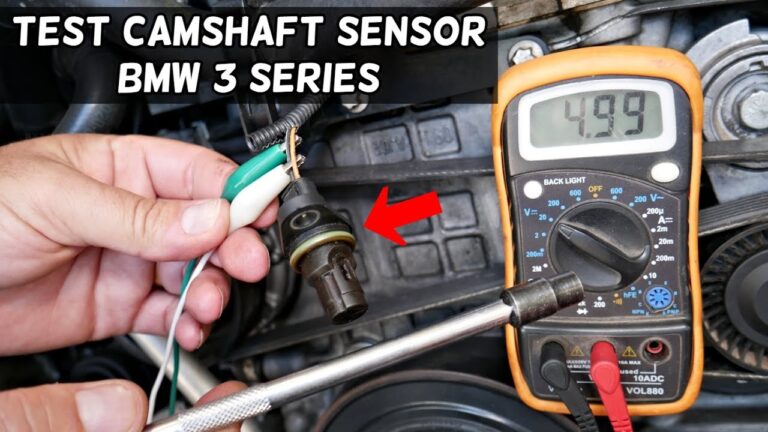
Learn how to test a BMW camshaft position sensor using a scan tool, multimeter, and practical troubleshooting steps. Diagnose faults, symptoms, and sensor failures accurately.
Learn whether a knock sensor code is serious, what causes it, the risks of ignoring it, common symptoms, repair costs, and when immediate diagnosis is necessary.
Learn whether a knock sensor can leak oil, what causes oil around the sensor, common symptoms, diagnosis steps, repair options, and when professional service is needed.