Most cars have one primary engine coolant temperature sensor, but some vehicles use two or more coolant temperature sensing devices depending on the engine design and the systems being monitored.
For vehicles sold in the United States, there is no universal number of coolant temperature sensors that applies to every car, truck, or SUV. A typical modern vehicle may use one engine coolant temperature sensor, with the engine control module using its signal for engine management and sharing temperature information with the instrument cluster. Other vehicles use separate sensors or senders for the engine computer, dashboard gauge, radiator circuit, or another cooling loop.
The number depends on the vehicle’s year, make, model, engine, and cooling-system design. A separate gauge sender does not necessarily mean the engine has a second primary ECT sensor, and a sensor used for an auxiliary cooling circuit should not automatically be treated as the main engine coolant sensor. The vehicle-specific service information is the most reliable way to determine the exact number and identify each sensor.
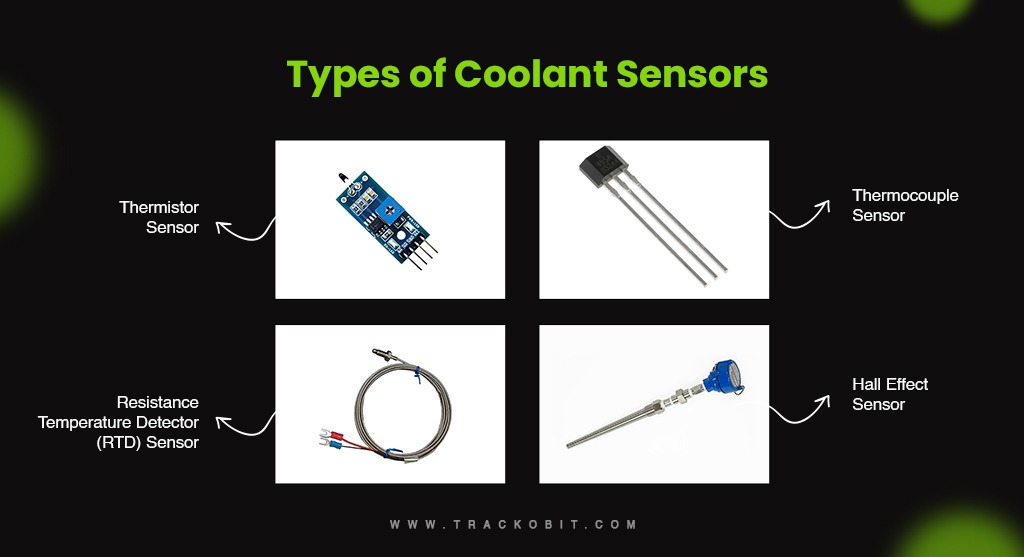
Source: storage.googleapis.com
How Many Coolant Temperature Sensors Does a Car Usually Have?
The most useful general answer is one primary engine coolant temperature sensor, although some vehicles have two or more. Modern engine management systems commonly use an ECT sensor to measure coolant temperature and send an electrical signal to the engine control module or powertrain control module. The computer uses that information to manage engine operation and related systems.
Some vehicles use a single sensor with one temperature signal that is processed by the vehicle electronics for multiple purposes. Other vehicles use separate sensors or senders because the engine computer and instrument cluster have different electrical requirements. Older vehicle designs are particularly likely to have a dedicated temperature sender for the gauge.
There are also vehicles with additional temperature sensors associated with separate cooling circuits or specific components. For example, a vehicle can have another temperature-sensing device for a radiator outlet, transmission cooling system, turbocharger-related cooling circuit, or other specialized application. These should be distinguished from the primary engine coolant temperature sensor.
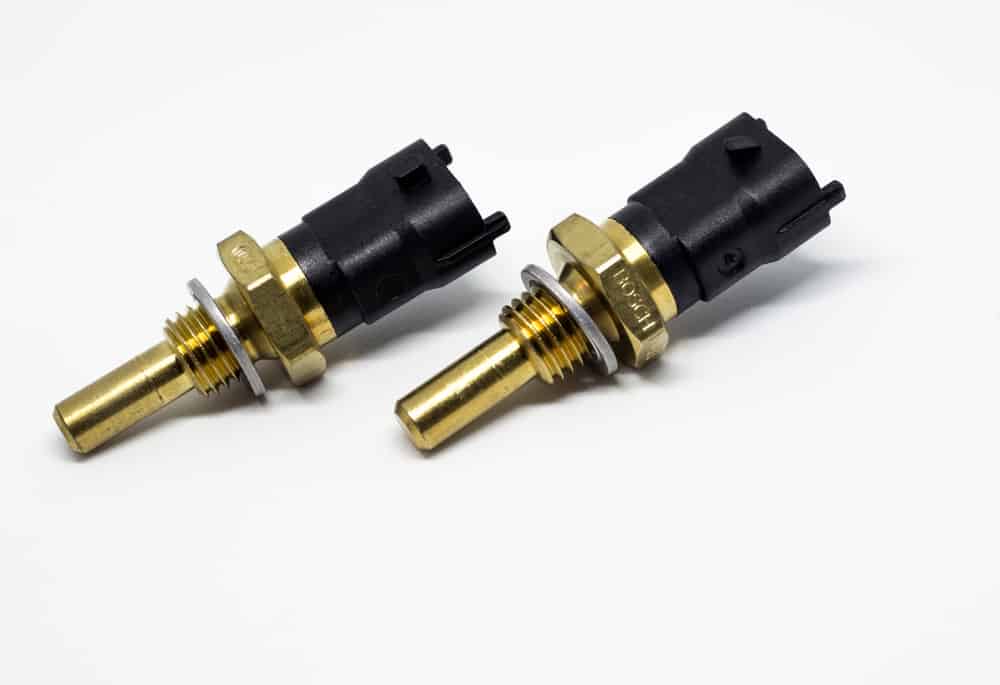
Source: hitchesguide.com
One sensor
A single ECT sensor measures engine coolant temperature and its signal is used by the engine computer. The computer may also provide temperature information to the dashboard and other systems.
Two sensors
One sensor may provide information to the engine computer while another temperature sender or sensor serves the instrument cluster or another cooling-system function.
More than two
Additional sensors can appear on vehicles with multiple cooling circuits or specialized temperature-monitoring requirements.
Why the Number Varies by Vehicle
Automakers design temperature sensing around the needs of a particular engine and electronic architecture. The sensor count can therefore change between different models from the same manufacturer and even between different engines offered in the same model year.
The safest assumption is not that every car has one sensor or that every modern car has two. Instead, treat the sensor count as vehicle-specific information and confirm it using the factory service information or a reliable vehicle-specific parts catalog.
Vehicle age
Older electrical systems may use a separate temperature sender for the dashboard gauge.
Engine design
Different engines can place and configure temperature sensors differently even when they are installed in the same vehicle.
Cooling-system complexity
Separate or specialized cooling circuits can require additional temperature measurements.
What Does the Main Coolant Temperature Sensor Do?
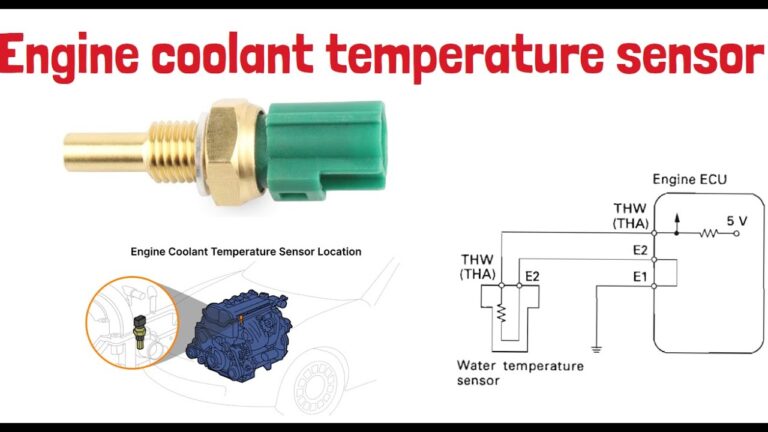
The main engine coolant temperature sensor measures the temperature of the coolant around the engine and sends an electrical signal to the engine control system. A common ECT sensor uses a negative temperature coefficient thermistor, meaning its electrical resistance decreases as coolant temperature increases.
The engine computer interprets the sensor signal to determine whether the engine is cold, warming up, or at operating temperature. That information can affect fuel delivery, ignition timing, emissions control strategies, idle operation, and cooling-fan operation, depending on the vehicle’s control system.
Because the ECT signal can influence several engine functions, a faulty sensor or damaged sensor wiring can cause symptoms that appear unrelated to the cooling system. Poor starting, abnormal idle behavior, increased fuel consumption, a check-engine light, or incorrect temperature information can occur when the sensor signal is implausible.
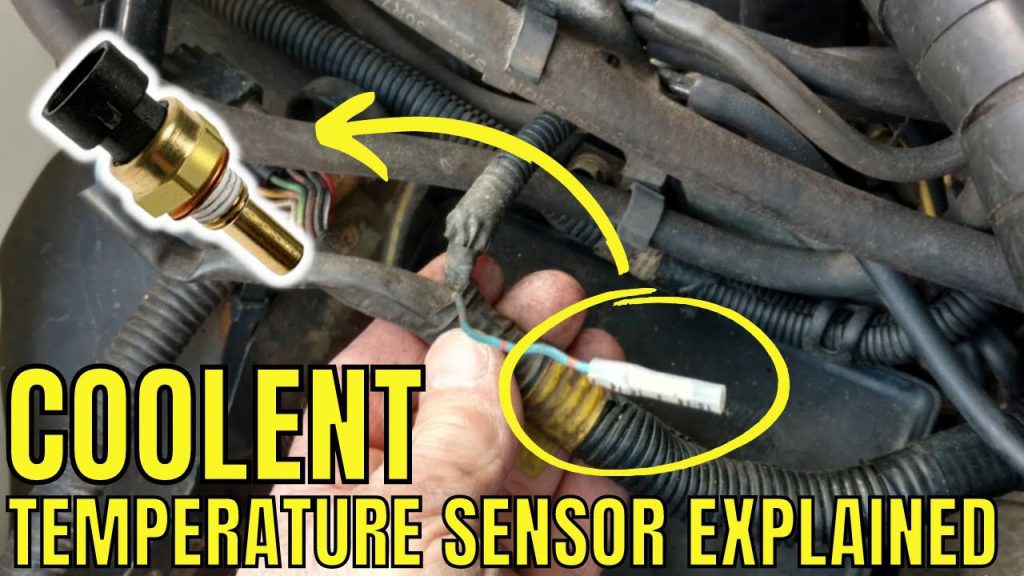
Source: hitchesguide.com
Engine management
The engine computer uses coolant temperature information when determining appropriate operating strategies.
Cooling fan control
On many vehicles, the control system uses coolant temperature information to determine when cooling fans should operate.
Temperature information
The vehicle electronics may use the ECT signal to provide temperature information to the instrument cluster or other modules.
ECT Sensor Versus Temperature Sender
The terms ECT sensor, coolant temperature sensor, coolant temperature sender, and temperature sender are sometimes used interchangeably, but they do not always identify the same component. An ECT sensor generally refers to a device that provides coolant temperature data to an electronic control module. A temperature sender may specifically refer to a device that supplies information to a gauge or warning circuit.
On some vehicles, one physical unit can contain multiple sensing circuits or serve more than one function. On others, the ECT sensor and gauge sender are separate components installed in different locations. This distinction matters when diagnosing a fault or ordering a replacement.
ECT sensor
Usually provides a temperature signal to the engine control system.
Gauge sender
May provide a dedicated signal for the instrument cluster on vehicles that use a separate sender.
Can a Car Have Two Coolant Temperature Sensors?
Yes. A vehicle can have two coolant temperature sensors or a combination of an ECT sensor and a separate temperature sender. A common reason is to provide independent temperature information for the engine computer and the driver’s temperature gauge.
In a two-sensor arrangement, the primary ECT sensor may be installed in a coolant passage near the cylinder head, engine block, coolant outlet, or thermostat housing. A second sensor or sender can be installed elsewhere in the cooling system and connected to the instrument cluster or another control circuit.
The existence of two sensors does not mean both components perform the same job. Their connector design, resistance characteristics, mounting location, and electrical circuits can differ. Replacing the wrong one can leave the original problem unresolved.
Source: hitchesguide.com
ECU or PCM sensor
Supplies engine coolant temperature data used by the engine control system.
Dashboard sender
Can provide a dedicated signal for the temperature gauge or warning system on vehicles designed with separate circuits.
Auxiliary sensor
May monitor another part of a specialized cooling system rather than the primary engine coolant temperature.
What Happens When Two Sensors Have Different Readings?
Different temperature readings do not automatically prove that one sensor is defective. The sensors may be positioned in different coolant passages, so they can legitimately measure different temperatures. Coolant temperature can vary between the engine outlet, radiator inlet, radiator outlet, and other parts of a cooling circuit.
If two readings appear inconsistent, diagnosis should begin with the vehicle’s service specifications, sensor locations, scan-tool data, wiring condition, and the actual coolant temperature. A sensor should not be condemned solely because its reading differs from another sensor in a different location.
Check sensor location
Determine whether the sensors are measuring coolant at different points in the system.
Compare with specifications
Use the vehicle manufacturer’s temperature and electrical specifications rather than a generic resistance value.
Inspect wiring
A poor connection, damaged wire, or corrosion can produce an incorrect signal that looks like a sensor failure.
Where Are Coolant Temperature Sensors Located?
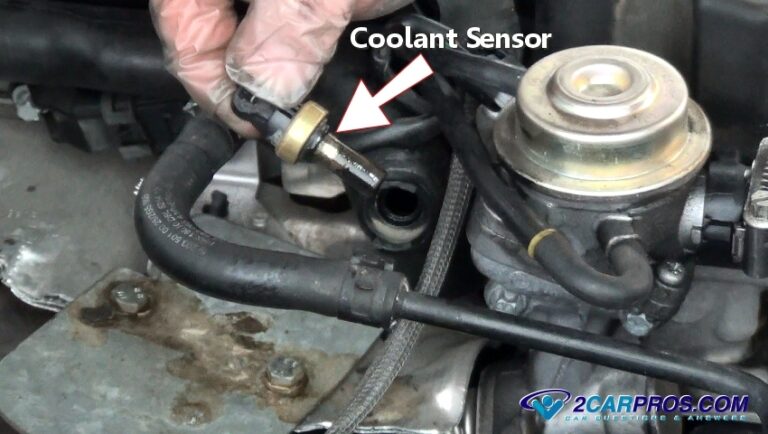
Coolant temperature sensors are normally installed where they can sense engine coolant directly. Common locations include the thermostat housing, cylinder head, engine block, coolant outlet, or another coolant passage. The exact position varies significantly by vehicle.
A sensor located near the thermostat housing is common because that position can provide useful information about coolant leaving the engine. However, location alone cannot identify whether a component is the primary ECT sensor, a gauge sender, or another temperature sensor.
Some engines have more than one coolant passage or cooling circuit, so a vehicle can have temperature sensors in different locations. A visual inspection can help locate them, but the wiring diagram or service manual is often necessary to determine what each component controls.
Source: napaechlin.com
Thermostat housing
A common mounting location because the sensor can monitor coolant temperature near the thermostat and engine coolant outlet.
Cylinder head
Some engines place the primary temperature sensor in or near the cylinder head coolant passages.
Engine block
The sensor may thread directly into a coolant passage in the engine block.
Other coolant passages
Additional sensors can be positioned elsewhere when the vehicle requires separate temperature measurements.
How to Find Every Coolant Temperature Sensor on Your Vehicle
Start with the vehicle’s service information for the exact engine. Look for terms such as engine coolant temperature sensor, ECT sensor, coolant temperature sender, temperature switch, radiator temperature sensor, or coolant outlet temperature sensor. Then compare the documented locations with the components installed on the vehicle.
Do not rely only on the number of electrical connectors you see around the engine. Other components can also use electrical connectors and may be located near coolant passages. Identification should be based on the wiring diagram, component description, and mounting location together.
Use the exact engine information
The same vehicle model can have different sensor layouts depending on engine option and production configuration.
Trace the wiring
Follow the sensor wiring to determine whether it connects to the engine control module, instrument cluster, or another circuit.
Confirm before removal
Verify the component’s function before disconnecting or removing it, especially when coolant loss or hot-engine work could be involved.
How Do You Know Which Coolant Temperature Sensor Is Faulty?
The first step is to identify which sensor is associated with the reported symptom. A dashboard gauge problem does not automatically mean the primary ECT sensor is defective, and an engine-control fault code does not automatically identify every temperature-sensing device on the vehicle.
A scan tool can be useful because it can show the coolant temperature value being reported to the engine control module. Compare the reported value with the actual engine condition and with the manufacturer’s specifications. If the reading is implausible, inspect the sensor connector and wiring before replacing the sensor.
A faulty sensor can produce an abnormal resistance or voltage signal, but the correct test values depend on the specific sensor and vehicle. Generic resistance charts should not replace the manufacturer’s specifications.
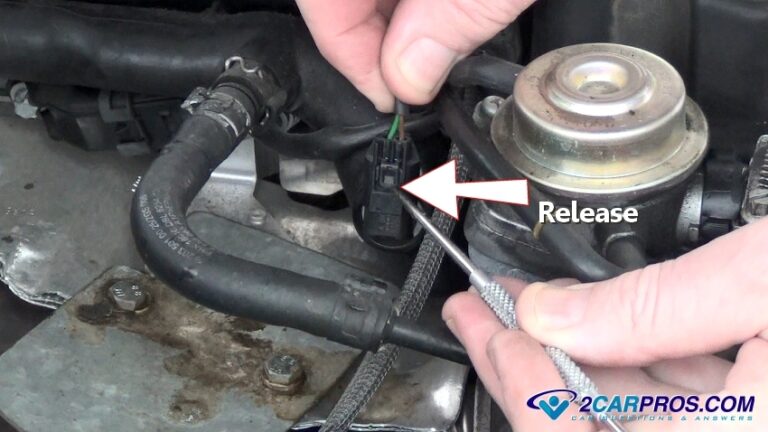
Source: 2CarPros
Check diagnostic trouble codes
A diagnostic code can identify an ECT circuit or temperature-signal problem, but additional testing is usually needed to determine whether the sensor, wiring, connector, or another component is responsible.
Compare scan data
Look at the coolant temperature reported by the engine computer and consider whether it is reasonable for the engine’s actual temperature.
Inspect the connector
Look for corrosion, loose terminals, damaged wiring, contamination, or poor connections.
Test against specifications
Use the exact manufacturer’s resistance, voltage, temperature, and circuit-testing specifications for the vehicle.
Do Not Replace Both Sensors Automatically
If a vehicle has two coolant temperature sensors, replacing both simply because one has failed is not normally necessary. Each sensor should be diagnosed according to its function and circuit. A faulty temperature reading can also result from wiring damage, a poor connector, a coolant-flow problem, or another control-system issue.
When coolant must be drained or a sensor is removed, allow the engine to cool fully and follow the manufacturer’s service procedure. Opening a pressurized cooling system while the engine is hot can cause serious burns.
Diagnose first
Identify the affected circuit before buying replacement parts.
Use vehicle-specific specifications
Sensor testing values vary by design and should come from reliable service information.
Work safely
Never open a hot, pressurized cooling system simply to inspect or replace a sensor.
Can There Be More Than Two Coolant Temperature Sensors?
Yes. Some vehicles can have more than two coolant temperature sensing devices when the cooling system or vehicle electronics require additional measurements. These configurations are less universal than the basic one-sensor arrangement, so the exact application matters.
An additional sensor can monitor a different point in the engine cooling system or a separate liquid cooling circuit. Turbocharged, high-performance, hybrid, and other specialized vehicle designs may use additional temperature measurements for systems that have cooling requirements beyond the main engine circuit.
The term coolant temperature sensor can therefore describe several different components on a particular vehicle. The important distinction is what coolant circuit and control system each sensor monitors.
Source: studylib.net
Multiple cooling circuits
A vehicle with separate liquid-cooling circuits may require independent temperature measurements.
Different measurement points
Sensors positioned at different locations can provide temperature information about different sections of a cooling system.
Specialized systems
Some vehicle architectures require additional temperature data for components or systems beyond conventional engine cooling.
Why More Sensors Do Not Necessarily Mean Better Cooling
Additional sensors provide more information, but they do not by themselves improve the physical ability of a cooling system to remove heat. Their value comes from allowing the vehicle’s control system to monitor and manage different temperatures.
A vehicle should therefore not be judged by how many coolant temperature sensors it has. Sensor count is primarily a consequence of the vehicle’s design and control strategy.
Sensors measure
Temperature sensors provide data about coolant conditions at specific locations.
Controllers respond
The vehicle’s electronic control systems can use those measurements to make decisions about engine operation or cooling.
How to Determine the Exact Number for Your Car
If you need the exact number of coolant temperature sensors on your vehicle, use the vehicle identification information and the exact engine configuration rather than relying on a general rule. The same model can have different sensor layouts across model years and engines.
The most reliable process is to identify the engine, consult the factory service information or a reputable vehicle-specific parts catalog, locate every documented coolant temperature sensor or sender, and then verify the wiring and connector arrangement on the vehicle.
If you are replacing a component, compare the replacement part with the original sensor’s connector, mounting method, and application information. Do not assume that two sensors with similar physical shapes perform the same function.
Source: storage.googleapis.com
1. Identify the vehicle
Record the model year, make, model, engine, and relevant drivetrain or engine option.
2. Check service information
Look for the ECT sensor, coolant temperature sender, temperature switch, and other coolant temperature devices listed for that exact configuration.
3. Locate the components
Compare the documented sensor locations with the actual engine and cooling system.
4. Identify each circuit
Use wiring information to determine which module or gauge each sensor serves.
5. Confirm before replacement
Match the sensor application and specifications before removing or ordering a replacement part.
What Information Do You Need?
At minimum, you should know the vehicle’s year, make, model, and engine. A VIN can provide an even more precise identification when parts catalogs or factory service information require it. Engine options and production changes can alter sensor applications.
If a diagnostic trouble code is involved, record the exact code as well. The code can help distinguish an engine coolant temperature circuit issue from a problem involving another temperature sensor.
Model year
Sensor configurations can change between model years.
Engine
Different engines in the same model can use different sensor locations and counts.
Diagnostic information
The exact fault code and symptoms can help identify which temperature circuit requires attention.
Frequently Asked Questions
Q
Is there usually one or two coolant temperature sensors?
There is no universal number. Many vehicles have one primary ECT sensor, while some have two separate coolant temperature sensing devices. A common two-sensor arrangement uses one sensor for engine management and another sender or sensor for the dashboard gauge or another circuit.
Q
Does one coolant temperature sensor control everything?
On many vehicles, one ECT sensor provides the engine computer with the main coolant temperature signal. The computer can then use that information for several functions and may share it with other vehicle systems. However, some vehicles use separate sensors for specific functions.
Q
Can a car have three coolant temperature sensors?
Yes. A vehicle can have three or more temperature-sensing devices when its engine or cooling architecture requires additional measurements. These can include sensors for different cooling passages or separate cooling circuits. The exact arrangement depends on the vehicle.
Q
Are the coolant temperature sensor and temperature sender the same thing?
Not always. An ECT sensor generally supplies coolant temperature information to an electronic control module, while a temperature sender can refer to a component dedicated to the dashboard gauge or warning circuit. Some vehicles combine multiple functions into one physical unit, while others use separate components.
Q
How can I tell which coolant temperature sensor I need to replace?
Identify the vehicle’s exact year, make, model, and engine, then use the service information or a reliable vehicle-specific parts catalog to determine the sensor’s function and location. If a diagnostic code is present, use it along with scan data and wiring information. Do not select a replacement solely by appearance.
✦ Wrapping Up
Conclusion
The answer to how many coolant temperature sensors are there depends on the vehicle. One primary ECT sensor is a common configuration, but some cars use a second coolant temperature sensor or a separate temperature sender for the dashboard. Specialized vehicles can have additional sensors for different cooling circuits or measurement points.
The key is to distinguish the primary engine coolant temperature sensor from other temperature-sensing devices. Sensor count, location, connector type, and function can vary by year, make, model, and engine. Before replacing a sensor, confirm the exact application and diagnose the affected circuit rather than assuming every temperature sensor performs the same job.
💡 Key Takeaway
For your exact vehicle, verify the year, make, model, engine, sensor locations, and wiring diagram in the appropriate service information before diagnosing or replacing a coolant temperature sensor.
Ethan Brooks is an automotive writer at Auto News 7, covering car news, vehicle maintenance, new model updates, recalls, and practical buying guides. He focuses on clear, useful information that helps drivers understand their vehicles and make better ownership decisions.
Learn how to remove a coolant temperature sensor safely. Follow this step-by-step guide for locating the sensor, disconnecting the wiring, draining coolant, removing the sensor, and checking for leaks.
Learn what a knock sensor is, how it works, where it is located, common symptoms of failure, and why it is essential for engine performance and protection.
Learn how to check an engine coolant temperature sensor with a multimeter or OBD-II scanner. Follow safe testing steps, resistance checks, symptoms, and troubleshooting tips.
Learn whether the coolant temperature sensor controls the radiator fan, how the ECM uses its signal, common failure symptoms, and how to diagnose fan problems safely.