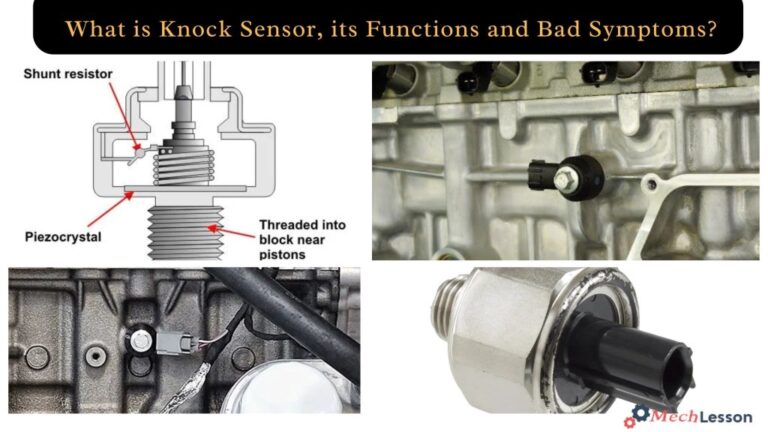
A knock sensor is a piezoelectric vibration sensor that detects abnormal engine combustion and sends signals to the engine control module.
In the United States, modern gasoline vehicles rely on electronic engine management systems to balance power, fuel economy, and emissions. One important component in this system is the knock sensor, which helps prevent engine damage caused by abnormal combustion events known as engine knock or detonation.
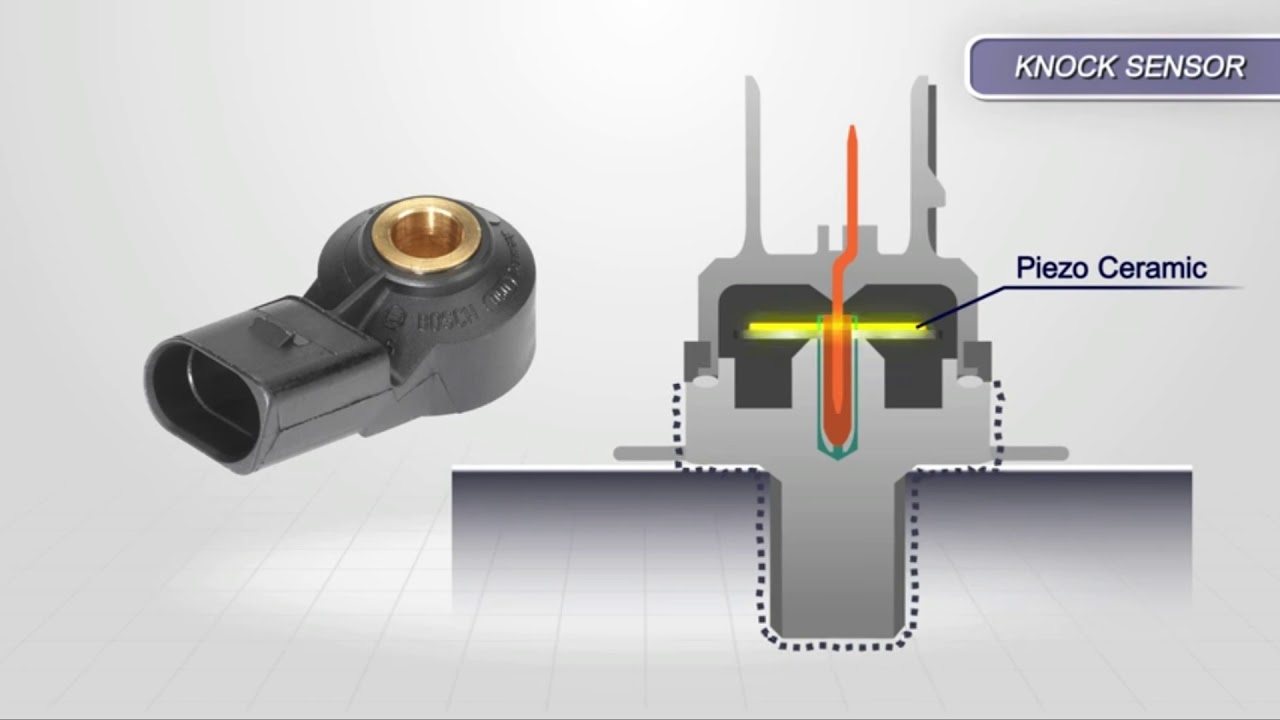
When asking what type of sensor is a knock sensor, the most accurate answer is that it is a piezoelectric vibration sensor. It converts engine vibrations into electrical signals that the engine control module analyzes to determine whether combustion is occurring normally or if ignition timing adjustments are needed.
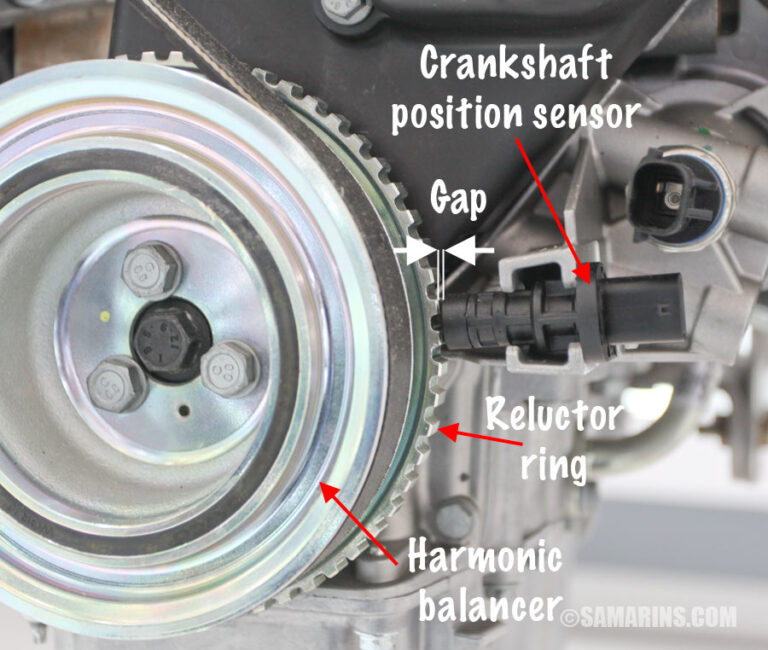
Source: i.ytimg.com
What Type of Sensor Is a Knock Sensor?
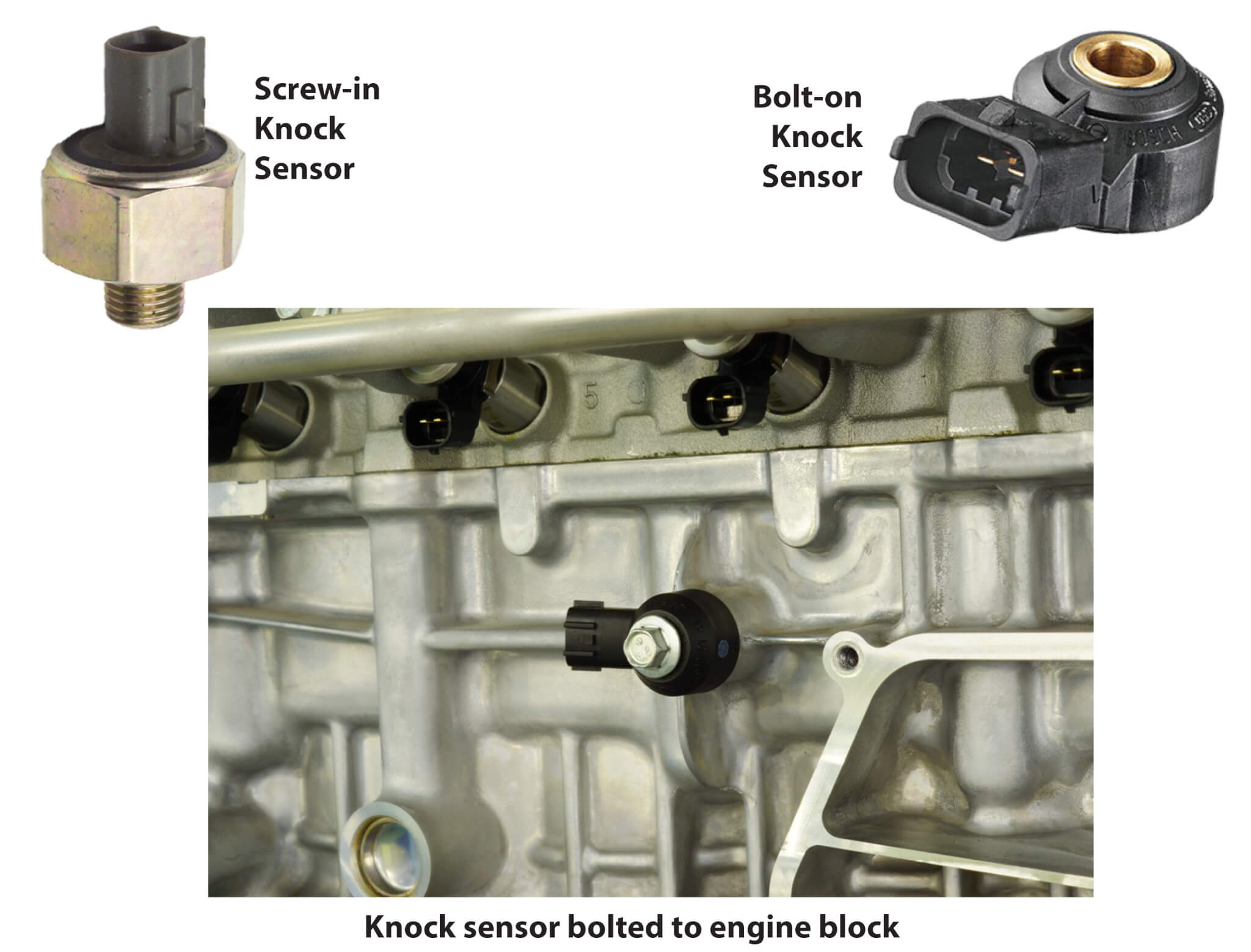
A knock sensor is a piezoelectric sensor designed to detect vibrations caused by abnormal combustion inside an engine. The sensor is mounted on the engine block or cylinder head where it can monitor vibration activity directly from the engine structure.
Unlike temperature sensors, pressure sensors, or position sensors, a knock sensor specializes in detecting specific vibration frequencies associated with engine knock. The sensor converts these vibrations into electrical voltage signals that can be interpreted by the engine control module.
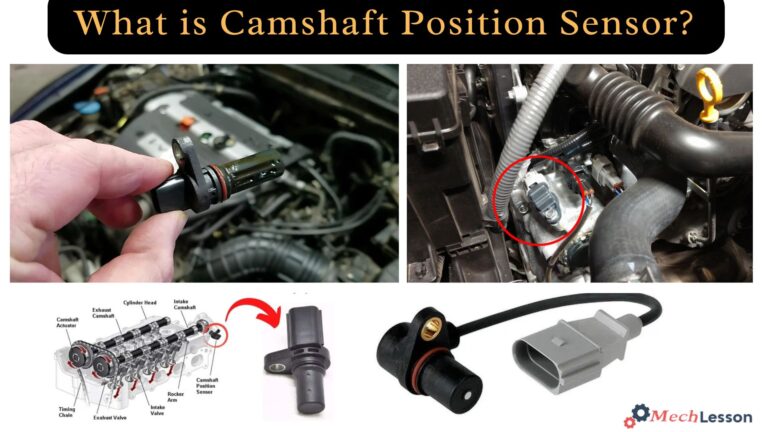
Source: ricksfreeautorepairadvice.com
Sensor Category
Piezoelectric vibration sensor.
Primary Function
Detect abnormal combustion vibrations.
Output Signal
Electrical voltage generated from vibration.
Why Piezoelectric Technology Is Used
Piezoelectric materials generate electrical voltage when subjected to mechanical stress. This makes them ideal for detecting the tiny vibrations produced during engine knock events. The technology is reliable, durable, and sensitive enough to recognize abnormal combustion before serious damage occurs.
High Sensitivity
Detects subtle vibration changes.
Fast Response
Provides immediate feedback to the engine computer.
How a Knock Sensor Works
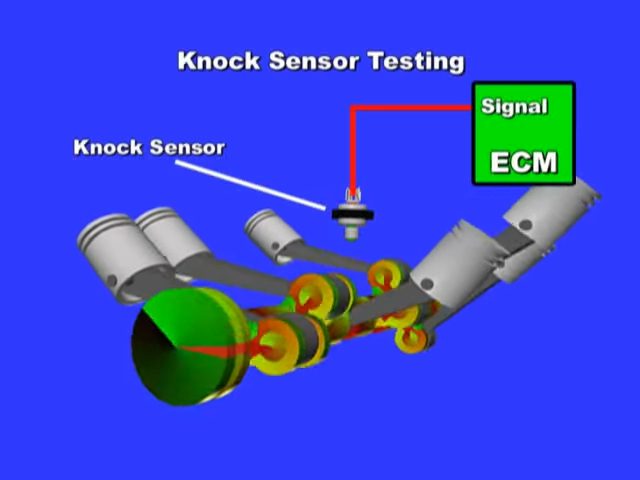
The knock sensor continuously monitors vibrations in the engine. During normal combustion, the engine produces predictable vibration patterns. When detonation or pre-ignition occurs, the vibration frequency changes significantly.
The sensor detects these abnormal vibrations and sends a voltage signal to the engine control module. The control module then adjusts ignition timing to reduce or eliminate knocking, helping protect engine components.
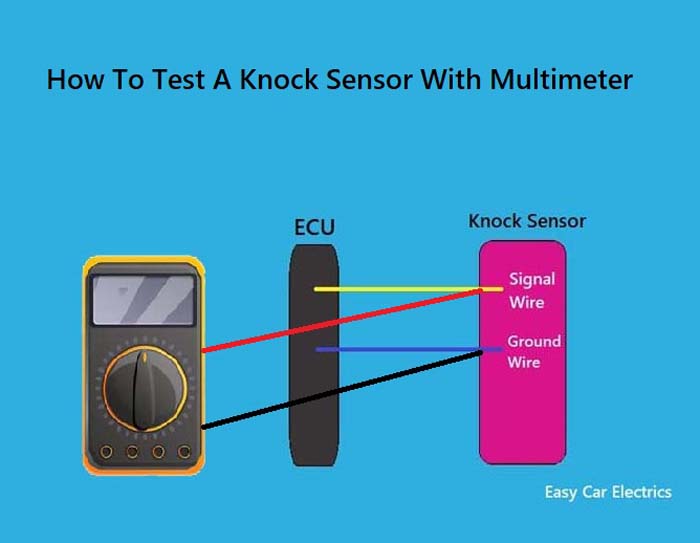
Source: toolsweek.com
Detect
Monitor engine vibration levels.
Analyze
Send signals to the control module.
Protect
Allow timing adjustments to prevent damage.
Signal Conversion Process
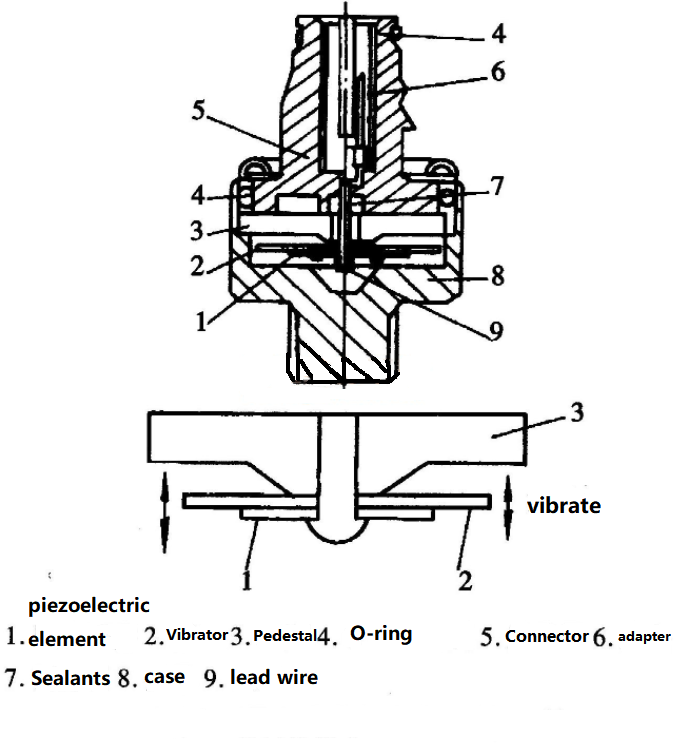
Mechanical vibrations compress the piezoelectric element inside the sensor. This compression generates a small electrical voltage that varies according to vibration intensity and frequency.
Mechanical Input
Engine vibration enters the sensor housing.
Electrical Output
Piezoelectric crystal produces voltage.
Types of Knock Sensors Used in Vehicles
Automotive manufacturers commonly use two major knock sensor designs. Both operate using piezoelectric technology, but their construction and signal characteristics differ.
The type selected depends on engine design, performance requirements, and electronic control system specifications.
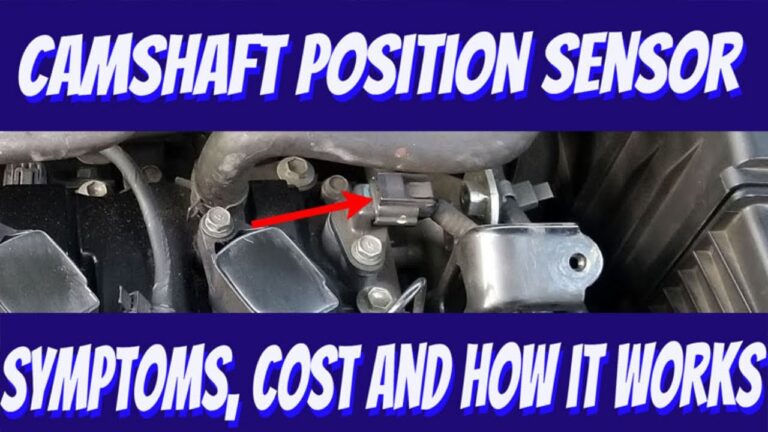
Source: icdrex.com
Resonant Sensor
Designed to detect a specific frequency range.
Wideband Sensor
Monitors a broader range of frequencies.
Resonant vs Wideband Sensors
Resonant sensors focus on a narrow frequency associated with engine knock, while wideband sensors can monitor a wider spectrum and provide more detailed vibration information to advanced engine management systems.
Resonant Design
Simpler and focused on specific knock frequencies.
Wideband Design
Offers greater detection flexibility.
Why Knock Sensors Are Important
Engine knock can create extremely high cylinder pressures and temperatures. If left unchecked, it can damage pistons, valves, cylinder heads, and bearings.
A functioning knock sensor allows the engine control module to react quickly, reducing the risk of long-term engine damage while maintaining efficient performance.
Source: res.utmel.com
Engine Protection
Helps prevent detonation-related damage.
Fuel Efficiency
Supports optimal ignition timing.
Emissions Control
Assists proper combustion management.
Impact on Modern Engines
Turbocharged and high-compression engines depend heavily on accurate knock detection because these engines operate closer to performance limits where detonation risks are higher.
Turbocharged Vehicles
Require precise knock monitoring.
Signs of a Faulty Knock Sensor
When a knock sensor fails, the engine control module may no longer receive accurate vibration data. As a result, engine timing may become less efficient or protective strategies may activate.
Drivers often notice reduced performance, lower fuel economy, or an illuminated check engine light.
Source: miro.medium.com
Check Engine Light
Common indicator of knock sensor issues.
Poor Acceleration
Timing adjustments may reduce power.
Reduced Fuel Economy
Engine may operate conservatively.
When Professional Diagnosis Is Needed
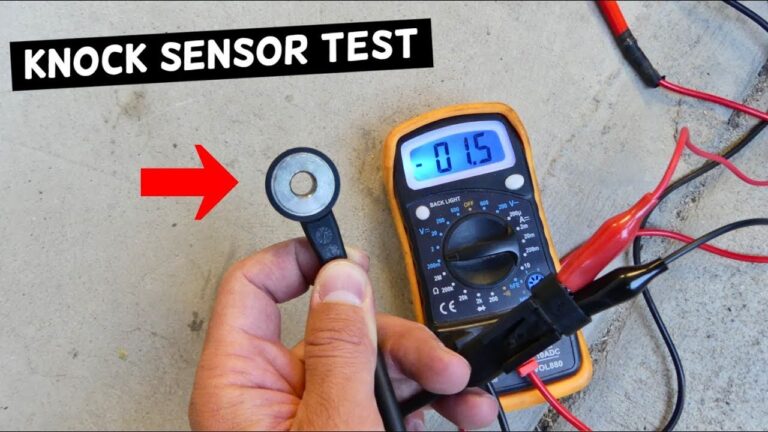
A scan tool and diagnostic testing are often necessary because symptoms can overlap with ignition, fuel, and engine management problems.
Diagnostic Trouble Codes
Help identify sensor-related faults.
Knock Sensor Comparison With Other Engine Sensors
Many engine sensors gather information for the engine control module, but each serves a different purpose. The knock sensor stands out because it specializes in vibration-based combustion monitoring.
Understanding this distinction helps explain why a knock sensor is classified as a vibration sensor rather than a temperature, pressure, or position sensor.
Source: blogmedia.testbook.com
Knock Sensor
Detects vibration from abnormal combustion.
Oxygen Sensor
Measures exhaust oxygen content.
MAP Sensor
Measures intake manifold pressure.
Unique Characteristics
The knock sensor is one of the few automotive sensors specifically designed to monitor mechanical vibration frequencies instead of thermal, chemical, or pressure-related data.
Vibration Focus
Specialized for combustion event detection.
Frequently Asked Questions
Q
Is a knock sensor a pressure sensor?
No. A knock sensor is primarily a piezoelectric vibration sensor. It detects vibrations in the engine structure rather than measuring pressure directly.
Q
What does a knock sensor detect?
A knock sensor detects abnormal engine vibrations caused by detonation, pre-ignition, or engine knock during combustion.
Q
Can a vehicle run without a knock sensor?
Many vehicles can still run if a knock sensor fails, but engine performance, efficiency, and protection may be reduced. Continued operation without proper knock detection can increase engine risk.
Q
Where is the knock sensor located?
The knock sensor is typically mounted on the engine block, cylinder head, or intake valley depending on engine design.
Q
Why do modern engines need knock sensors?
Modern engines often use higher compression ratios and turbocharging. Knock sensors help maintain performance while protecting engine components from harmful detonation.
✦ Wrapping Up
Conclusion
The answer to what type of sensor is a knock sensor is straightforward: it is a piezoelectric vibration sensor designed to detect abnormal combustion events inside an engine. By converting engine vibrations into electrical signals, it allows the engine control module to make rapid adjustments that protect the engine.
Understanding how knock sensors work helps vehicle owners appreciate their role in engine performance, efficiency, and long-term reliability. A properly functioning knock sensor is an essential part of modern engine management systems.
💡 Key Takeaway
If your vehicle shows knock sensor fault codes or symptoms, diagnose the issue promptly to maintain engine performance and prevent potential engine damage.
Ethan Brooks is an automotive writer at Auto News 7, covering car news, vehicle maintenance, new model updates, recalls, and practical buying guides. He focuses on clear, useful information that helps drivers understand their vehicles and make better ownership decisions.
Learn how to diagnose a bad crankshaft position sensor with symptoms, testing methods, scan tool checks, multimeter tests, and practical troubleshooting steps.
Learn how often to replace camshaft position sensor components, expected lifespan, warning signs, replacement costs, and when replacement is necessary.
Learn how much to replace a camshaft position sensor in the United States, including parts, labor, DIY costs, symptoms, and factors that affect repair pricing.
Learn what are symptoms of a bad knock sensor, how a faulty knock sensor affects engine performance, common warning signs, causes, diagnosis methods, and when replacement is necessary.