Diagnose a bad knock sensor by checking trouble codes, inspecting wiring, and testing sensor operation.
For drivers across the United States, a faulty knock sensor can cause poor engine performance, reduced fuel economy, and a persistent check engine light. The sensor plays a critical role in helping the engine control module detect abnormal combustion and adjust ignition timing to protect the engine.
When learning how to diagnose a bad knock sensor, start with the easiest and safest checks. Scan for diagnostic trouble codes, inspect the sensor circuit, evaluate engine symptoms, and perform electrical testing before replacing parts.
Source: wallpapers.com
What Does a Knock Sensor Do?
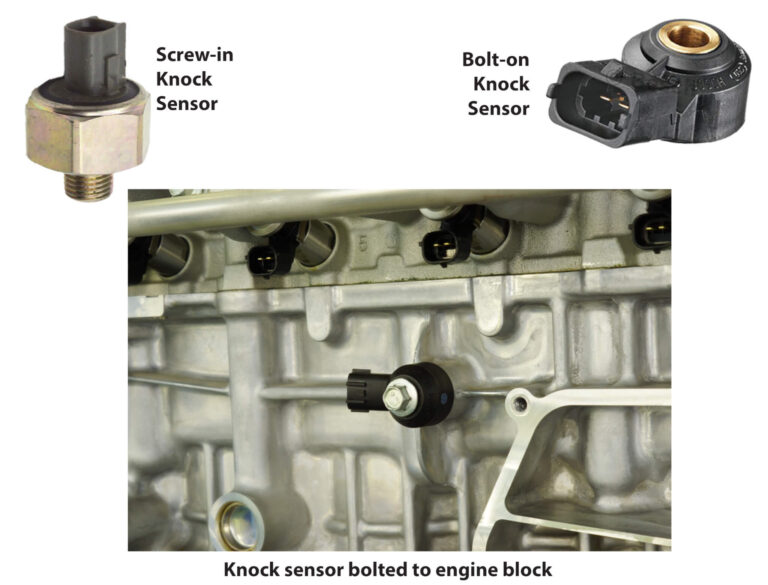
A knock sensor detects vibrations caused by abnormal combustion, commonly called engine knock or detonation. It sends signals to the engine control module so ignition timing can be adjusted.
Without accurate sensor data, the engine may run with incorrect timing. This can reduce power, increase fuel consumption, and potentially increase engine wear.
Source: screenrant.com
Primary Function
Detects engine knock and reports it to the engine computer.
Engine Protection
Helps prevent damaging combustion events.
Why Knock Sensors Matter
Modern engines rely on precise ignition timing. Accurate knock sensor feedback allows the engine to balance performance, efficiency, and durability.
Performance Benefit
Supports optimal ignition timing under varying driving conditions.
Common Symptoms of a Bad Knock Sensor
Several symptoms can indicate a failing knock sensor, although some may overlap with other engine problems. Diagnosis should always include code scanning and testing.
Symptoms may appear gradually or suddenly depending on whether the issue involves the sensor itself, its wiring, or the engine control system.
Source: collider.com
Check Engine Light
One of the most common warning signs.
Reduced Power
The engine computer may retard timing excessively.
Poor Fuel Economy
Incorrect timing can reduce efficiency.
Symptoms Versus Causes
A bad knock sensor is not the only cause of these issues. Wiring faults, connector corrosion, and actual engine knock can produce similar symptoms.
Important Check
Always confirm the root cause before replacing parts.
Step-by-Step Guide on How to Diagnose a Bad Knock Sensor
Start by connecting an OBD-II scanner and recording all stored and pending trouble codes. Common knock sensor codes often point to circuit problems, signal issues, or sensor performance faults.
Next, perform a visual inspection of the wiring harness, connectors, and sensor mounting area. Look for corrosion, broken wires, loose connections, or physical damage.
Source: www.empireonline.com
Step 1
Scan and record trouble codes.
Step 2
Inspect wiring and connectors.
Step 3
Check for engine knock or related mechanical problems.
Step 4
Test sensor circuits according to vehicle specifications.
Tools You May Need
Useful diagnostic tools include an OBD-II scanner, digital multimeter, service information, and basic hand tools for accessing the sensor.
Multimeter
Measures resistance and circuit continuity.
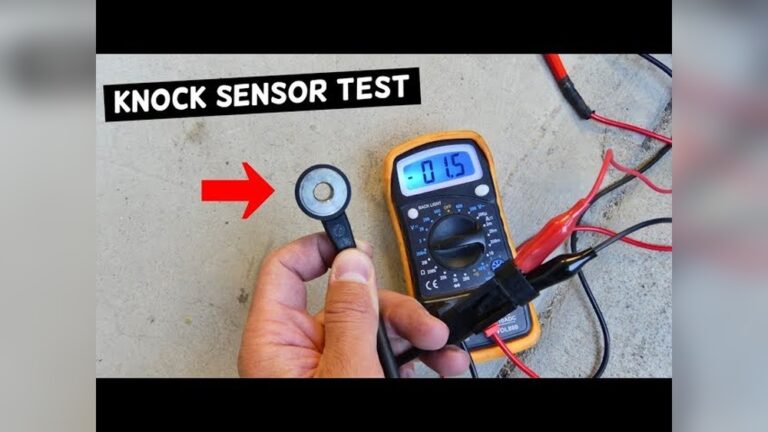
Testing the Knock Sensor with a Multimeter
Many manufacturers provide resistance specifications for knock sensors. Compare measured values with the specifications in the vehicle service manual.
A reading outside the specified range may indicate a faulty sensor. However, always verify wiring integrity before concluding that the sensor itself has failed.
Source: www.nytimes.com
Disconnect Safely
Turn off the engine before electrical testing.
Compare Specifications
Use manufacturer data for accurate evaluation.
Signs of a Successful Test
The sensor, wiring, and connectors should meet specification and show no intermittent faults during inspection.
Consistent Results
Stable readings improve diagnostic confidence.
When Diagnosis Fails and Professional Help Is Needed
Some vehicles place knock sensors beneath intake components, making access difficult. Advanced scan tool data may also be necessary to verify sensor activity under load.
If trouble codes return after repairs or if engine knock persists, professional diagnosis may be necessary. Continuing to drive with severe knock can increase the risk of engine damage.
Source: www.moviefone.com
Seek Assistance
Consult a qualified technician when test results are inconclusive.
Avoid Guesswork
Replacing parts without testing can increase repair costs.
Safety Considerations
Work on a cool engine and follow manufacturer procedures whenever electrical connectors or engine components are removed.
Engine Protection
Address persistent knocking immediately.
Frequently Asked Questions
Q
Can I drive with a bad knock sensor?
Many vehicles remain drivable, but performance and fuel economy may suffer. If engine knock is present, repairs should not be delayed.
Q
What trouble codes are associated with knock sensors?
Codes vary by manufacturer, but common examples include knock sensor circuit and performance-related fault codes.
Q
Can bad fuel cause knock sensor codes?
Poor fuel quality can contribute to engine knock, which may influence knock sensor readings and related diagnostic codes.
Q
How much does knock sensor replacement typically cost?
Costs vary significantly by vehicle because sensor location and labor requirements differ from one model to another.
Q
Can a bad knock sensor reduce fuel economy?
Yes. Incorrect ignition timing adjustments can reduce engine efficiency and increase fuel consumption.
✦ Wrapping Up
Conclusion
Understanding how to diagnose a bad knock sensor starts with recognizing symptoms, scanning for codes, and inspecting the sensor circuit. A systematic approach helps avoid unnecessary parts replacement.
Most accurate diagnoses combine trouble code analysis, visual inspection, and electrical testing. When results remain unclear, professional diagnostic equipment can provide additional insight.
💡 Key Takeaway
Scan for codes first, inspect wiring carefully, and confirm sensor performance with testing before replacing any components.
Ethan Brooks is an automotive writer at Auto News 7, covering car news, vehicle maintenance, new model updates, recalls, and practical buying guides. He focuses on clear, useful information that helps drivers understand their vehicles and make better ownership decisions.
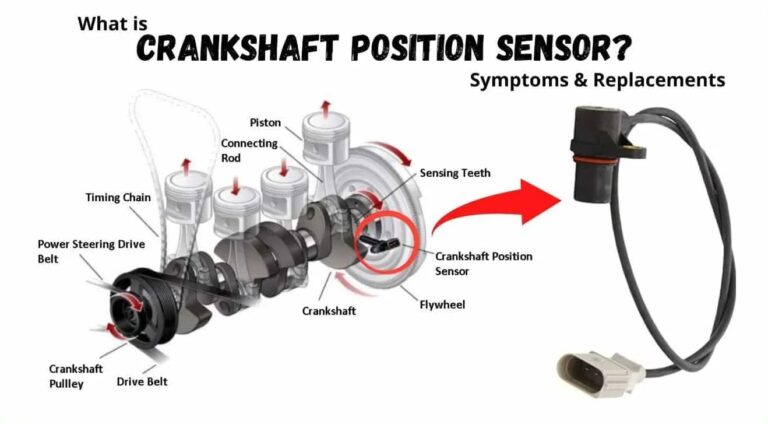
Can a crankshaft position sensor cause loss of power? Learn how a failing CKP sensor affects engine performance, common symptoms, diagnosis, and repair.
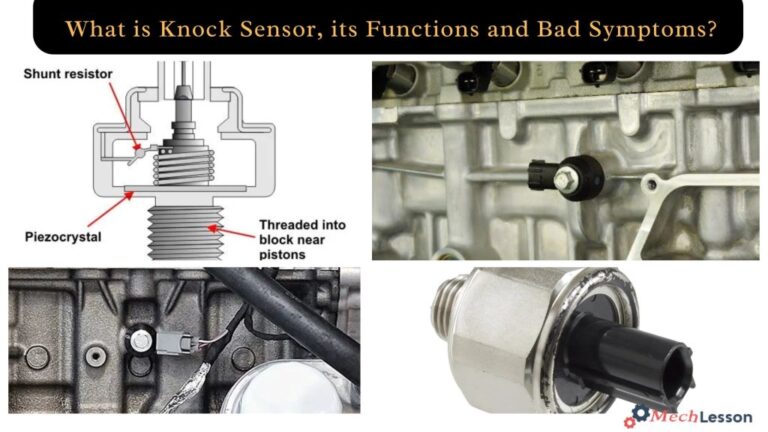
Learn what a knock sensor is, how it works, where it is located, common symptoms of failure, and why it is essential for engine performance and protection.
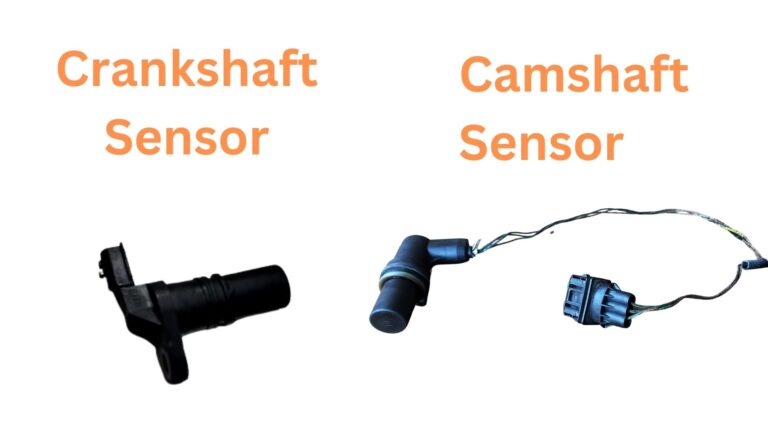
Learn whether camshaft and crankshaft sensors are the same, how they work, their differences, symptoms of failure, and when each sensor needs replacement.
Learn how to replace camshaft position sensor components with a detailed step-by-step guide, tools list, troubleshooting tips, safety advice, and common mistakes to avoid.
Learn how to test a Toyota knock sensor using a multimeter, scan tool, and visual inspection. Follow a practical step-by-step process to diagnose knock sensor problems in Toyota vehicles.