Test a Jeep Cherokee crankshaft position sensor by checking its specified resistance, wiring, power or signal, and crankshaft signal during cranking.
If your Jeep Cherokee cranks but will not start, stalls unexpectedly, or has an intermittent no-start condition, the crankshaft position sensor is one component worth testing. On many U.S.-market Cherokee models, especially the XJ with the 4.0L inline-six, the crankshaft position sensor is mounted near the transmission bellhousing and reads the rotating flywheel or flexplate.
The exact test depends on the Cherokee year, engine, transmission, and sensor design. Older 4.0L Cherokee service information specifies a resistance check for the crankshaft position sensor, while later systems may require circuit and signal testing rather than relying on resistance alone. Always compare your measurement with the specification for your exact vehicle before condemning the sensor.
Source: brrlt.org
What the Jeep Cherokee crankshaft position sensor does
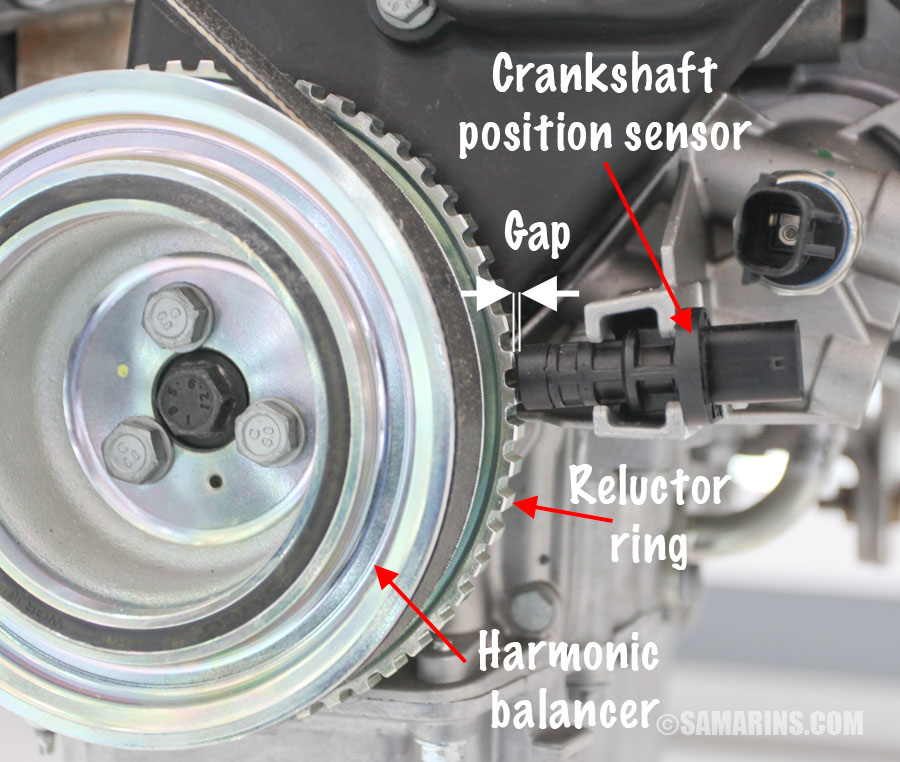
The crankshaft position sensor, commonly called the CKP sensor or crank sensor, tells the engine computer where the crankshaft is and how fast it is turning. The powertrain control module uses this information to coordinate ignition and fuel delivery.
On the 4.0L Jeep Cherokee, the sensor is associated with the transmission bellhousing and detects features on the flywheel or flexplate. Because the engine computer needs a crankshaft signal to control engine operation, a missing or unreliable signal can cause a no-start, stalling, or hard-start condition.
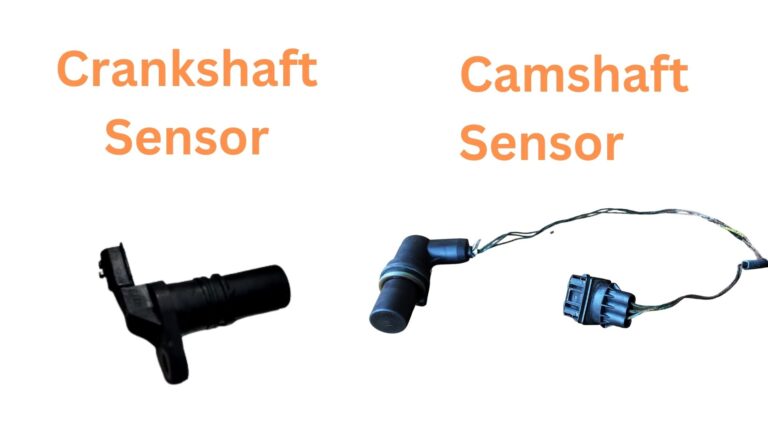
The sensor should not be confused with the camshaft position sensor. The two sensors have different jobs and locations. A Cherokee can have symptoms that overlap between crankshaft, camshaft, ignition, fuel, and wiring faults, so testing the CKP circuit is more reliable than replacing the sensor based on symptoms alone.
Source: storage.googleapis.com
Crankshaft position
The CKP sensor provides the computer with information about crankshaft position and rotational speed.
Engine synchronization
The PCM uses the crankshaft signal with other engine inputs to determine when ignition and fuel events should occur.
No-start diagnosis
A missing CKP signal can prevent normal engine operation, but the sensor itself is not automatically the cause.
Where is the crankshaft position sensor on a Jeep Cherokee
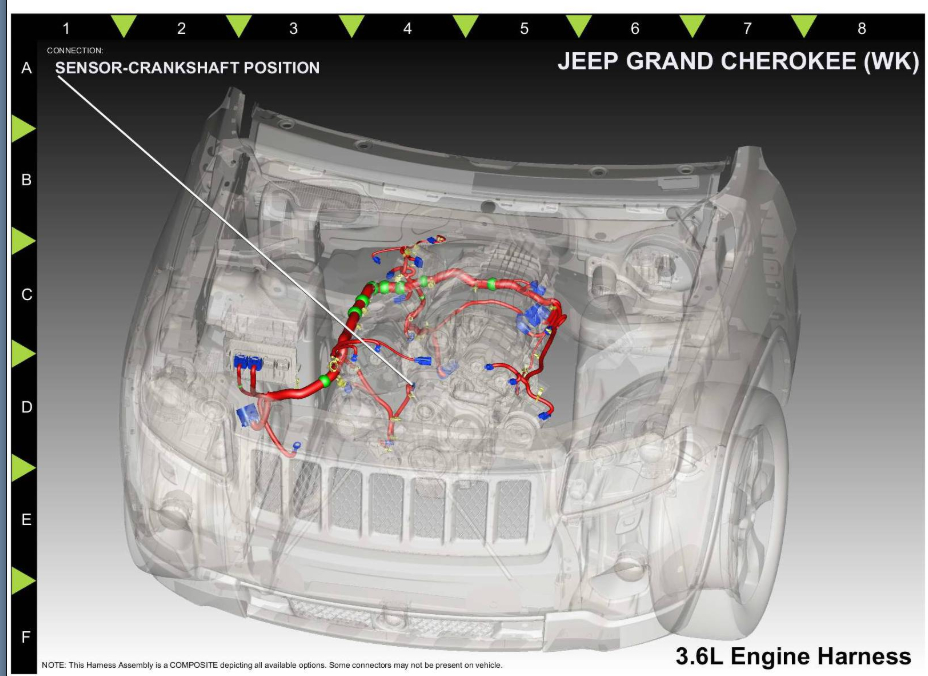
On many 4.0L XJ Jeep Cherokee models, the crankshaft position sensor is mounted at the left or rear area of the engine near the transmission bellhousing. Access can vary with the model year, drivetrain, exhaust arrangement, and transmission.
Do not assume that every Cherokee uses the same location or mounting arrangement. Before testing or removing the sensor, identify the exact model year and engine and verify the component location in the appropriate service information.
Symptoms that can point to a bad crankshaft position sensor
A failing crankshaft position sensor can produce a no-start or intermittent starting problem, but the symptoms are not unique to the CKP sensor. The same symptoms can result from wiring faults, poor connections, loss of sensor power or ground, ignition problems, fuel problems, or other engine-control faults.
An intermittent failure can be particularly difficult to diagnose. A sensor may work when cold and fail after heat builds up, or the connector and wiring may move enough during engine vibration to interrupt the signal.
Use the symptoms as a reason to test the circuit, not as proof that the sensor has failed.
Source: mail.troubleshootmyvehicle.com
Cranks but does not start
The starter turns the engine, but the engine does not begin normal combustion.
Intermittent stalling
The engine may shut off unexpectedly if the crankshaft signal disappears while driving or idling.
Hard starting
An inconsistent sensor signal can contribute to difficult starting, especially when the failure is intermittent.
Diagnostic trouble codes
A CKP-related code can support the diagnosis, but a code does not by itself prove that the sensor is defective.
Check for other causes before replacing the sensor
A no-start Cherokee should also be checked for battery voltage, engine cranking speed, fuel delivery, ignition output, connector condition, and relevant wiring. If the engine computer does not receive a crankshaft signal, several systems can appear to fail even though the root problem is a single circuit.
Look closely at the CKP connector and harness for corrosion, broken insulation, stretched wires, oil contamination, or evidence that the harness has contacted hot exhaust components.
Tools you need to test a Jeep Cherokee crankshaft position sensor
A basic electrical test can start with a digital multimeter. You may also need a scan tool capable of displaying engine RPM while the engine is cranking. The required equipment depends on how far the diagnosis needs to go.
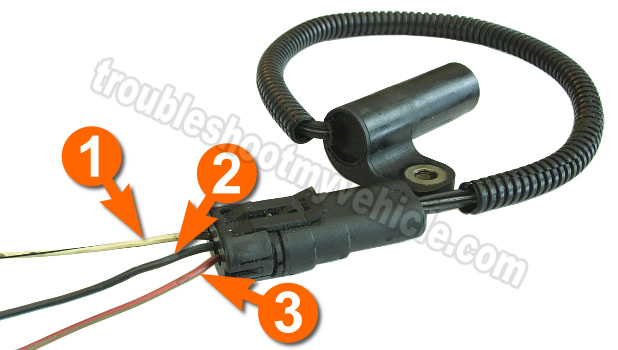
Use the vehicle’s wiring diagram or service information to identify the correct connector terminals. Do not guess terminal locations based only on wire color because wire colors and connector layouts can differ between model years.
If you must reach the sensor underneath the vehicle, use a level surface, appropriate jack stands or a lift, and proper wheel chocking. Never rely on a hydraulic jack alone to support the vehicle.
Source: hitchesguide.com
Digital multimeter
Useful for resistance, voltage, continuity, and some signal checks when used according to the vehicle-specific procedure.
Scan tool
A scan tool that displays engine RPM during cranking can help determine whether the PCM is detecting crankshaft rotation.
Vehicle wiring information
The wiring diagram identifies the correct power, ground, signal, and connector terminals for the specific Cherokee.
Basic hand tools
Accessing the sensor may require sockets, extensions, and other tools depending on the model and engine.
Safety before electrical testing
Turn the ignition off before disconnecting electrical connectors unless the specific test requires the ignition on. Keep hands, clothing, and meter leads away from belts, fans, pulleys, and other moving parts when the engine is cranking or running.
Do not short connector terminals together with a test probe. Back-probe carefully when the procedure calls for a connected circuit measurement, and avoid damaging the weather seal or terminal.
How to test crankshaft position sensor Jeep Cherokee with a multimeter
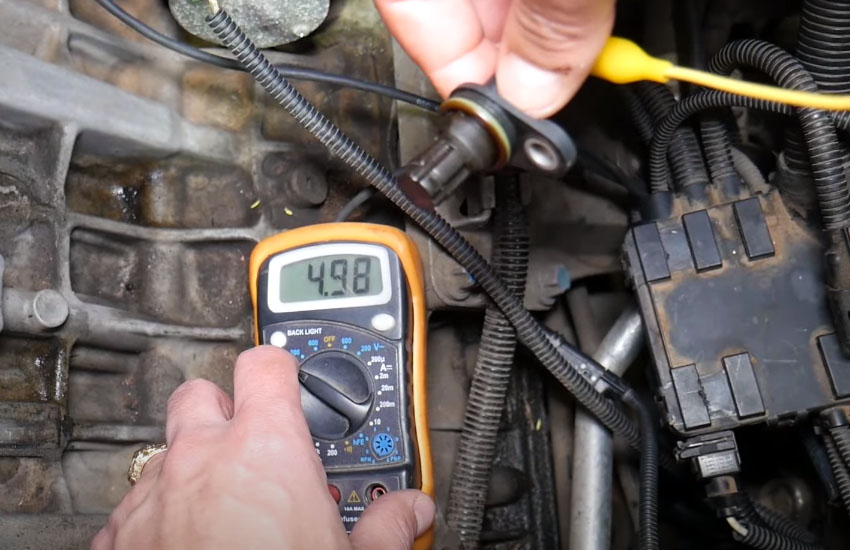
For older Jeep Cherokee applications that specify a resistance test, start by disconnecting the crankshaft position sensor connector and measuring resistance across the specified sensor terminals. The correct resistance range is vehicle-specific and may also depend on temperature.
For example, factory service information for certain older 4.0L Cherokee applications specifies approximately 200 ohms plus or minus 75 ohms at normal operating temperature, while another older Cherokee service procedure specifies 125 to 275 ohms. These figures demonstrate why you should not apply one resistance specification to every Cherokee.
If your exact service information calls for a resistance test, compare your meter reading with that specification. A reading outside the specified range is evidence of a sensor problem, but a reading within range does not necessarily prove that the sensor and its circuit are good.
Source: autotoride.com
Step 1: Identify the exact vehicle
Confirm the Cherokee model year, engine, transmission, and applicable sensor design before choosing a resistance specification.
Step 2: Switch the ignition off
Turn the ignition off and disconnect the sensor connector before performing a resistance test unless the service procedure says otherwise.
Step 3: Set the multimeter
Select the resistance or ohms setting and choose an appropriate range if the meter is not autoranging.
Step 4: Measure the specified terminals
Place the meter probes on the sensor terminals identified by the vehicle-specific service information.
Step 5: Compare the result
Compare the measured resistance with the specification for the exact Cherokee application and test temperature.
Step 6: Continue diagnosis if resistance passes
If resistance is within specification, inspect the connector and wiring and perform the appropriate signal or scan-tool test instead of automatically replacing the sensor.
What if the resistance is too high or too low
A resistance reading substantially outside the specified range can indicate an open or shorted sensor winding or another internal sensor fault on applications where resistance testing is specified. Before replacing the sensor, repeat the measurement with clean probes and verify that you selected the correct terminals.
If the measurement changes dramatically when the connector or harness is moved, inspect the connector and wiring for an intermittent fault. A damaged harness can create a sensor-like symptom.
How to test the crankshaft signal while cranking
A resistance test only checks one electrical characteristic of the sensor. A better diagnosis on many systems is to determine whether the PCM is receiving a valid crankshaft signal while the engine turns.
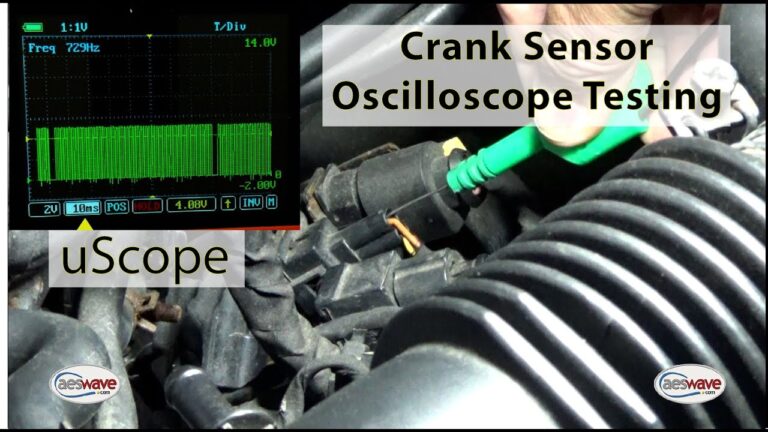
One practical method is to connect a compatible scan tool and observe engine RPM while the starter cranks the engine. If the scan tool shows no engine RPM during cranking, the CKP sensor circuit becomes a strong area for further testing, but the sensor is not automatically proven defective. The problem could also involve the wiring, connector, power or ground circuit, PCM input, or another related fault.
Some Jeep Cherokee systems require a more specific voltage or waveform test. Follow the service information for the exact year rather than applying a generic three-wire sensor test to a different sensor design.
Source: youtube.com
Observe cranking RPM
Use a compatible scan tool to determine whether the engine computer recognizes crankshaft rotation while the starter is operating.
Inspect the connector
Look for loose terminals, corrosion, damaged seals, broken locks, or wires pulled from the connector.
Check circuit continuity
Use the vehicle wiring diagram to test the relevant circuit between the sensor and PCM when the service procedure calls for it.
Check power and ground when applicable
Verify the sensor supply and ground circuits using the specified test points and ignition condition for the particular Cherokee.
Why a good sensor can still produce a bad result
The PCM needs more than an intact sensor. It also needs the sensor’s signal to travel through an intact circuit. A corroded connector, broken conductor, poor ground, damaged shielding, or excessive sensor-to-reluctor spacing can interfere with the signal.
On some older Cherokee applications, sensor positioning and mounting are particularly important because the sensor must be positioned correctly relative to the flywheel sensing area. If the sensor has recently been replaced, inspect its mounting and hardware before assuming the new component is defective.
How to diagnose the wiring and connector before replacing the sensor
If the CKP sensor passes its basic test but the Cherokee still has a no-start or stalling problem, inspect the complete circuit. Testing the sensor alone can miss a fault between the sensor and PCM.
Start at the sensor connector. Check for corrosion, bent terminals, loose terminal tension, damaged insulation, oil contamination, and wires that have been pulled or stretched. Follow the harness toward the engine and look for areas where heat, vibration, or rubbing could damage the wiring.
When continuity testing is required, disconnect the appropriate components before checking the circuit. A continuity result should not be treated as proof that a circuit can carry the required signal under operating conditions. Voltage-drop or signal testing may be necessary for intermittent or high-resistance faults.
Source: mechlesson.com
Connector condition
A clean-looking connector can still have a loose or poorly seated terminal, so inspect terminal fit when the service procedure permits.
Harness damage
Look for chafing, melted insulation, broken conductors, and contact with hot exhaust components.
Ground circuit
A poor ground can cause incorrect sensor operation or an unreliable signal even when the sensor itself tests normally.
PCM circuit
If sensor and harness checks pass but the expected signal is absent, the diagnostic process may need to continue toward the PCM input and related circuits.
Check the mounting and sensor-to-flywheel relationship
The CKP sensor reads features on the rotating flywheel or flexplate, so its position matters. On certain older Jeep Cherokee applications, factory service information specifically addresses sensor positioning and mounting because the distance from the sensing ring affects signal strength.
If the sensor was recently installed, verify that the correct sensor, mounting hardware, and installation method were used. Do not substitute generic bolts where the factory design uses specially specified mounting hardware.
Common mistakes when testing a Jeep Cherokee crankshaft sensor
The most common mistake is using a resistance number found for one Cherokee model on another model year. CKP sensor construction and testing procedures can vary, so the specification must match the vehicle.
Another mistake is replacing the sensor because a diagnostic code mentions the crankshaft position circuit. A fault code can identify a circuit or signal problem without identifying which component caused it.
Finally, do not overlook the difference between testing a disconnected sensor and testing the live circuit. Resistance, supply voltage, signal output, and scan-tool RPM answer different diagnostic questions.
Source: youtube.com
Using the wrong specification
Never assume that an ohms specification from another Jeep engine or model year applies to your Cherokee.
Testing the wrong sensor
Make sure you are working with the crankshaft position sensor rather than the camshaft position sensor.
Ignoring temperature
If the factory specification is given at a particular temperature, perform the measurement under the required conditions.
Skipping wiring checks
A sensor cannot produce a usable signal if its power, ground, signal, or connector circuit is damaged.
Replacing parts too early
Confirm the failed circuit or component before purchasing a replacement sensor.
When professional diagnosis makes sense
Professional help is appropriate when the Cherokee requires extensive access, the wiring diagram is unclear, the fault is intermittent, or the diagnosis has progressed to PCM-level testing. A shop with suitable scan and electrical diagnostic equipment can evaluate live data and signal integrity more thoroughly.
If the vehicle must be raised for access to the sensor, use professional lifting equipment or have the work performed by a qualified technician if you are not experienced with safely supporting a vehicle.
Frequently Asked Questions
Q
How do I test a crankshaft position sensor on a Jeep Cherokee?
Start by identifying the exact Cherokee year and engine, then use the applicable service procedure. Depending on the application, testing can include sensor resistance, connector and wiring checks, circuit voltage, and verification that the PCM detects engine RPM while cranking.
Do not use one universal resistance specification for every Jeep Cherokee because the required test and specification can vary by application.
Q
What resistance should a Jeep Cherokee crankshaft position sensor have?
The correct resistance depends on the Cherokee model, engine, sensor design, and test temperature. Some older 4.0L Cherokee service procedures specify approximately 200 ohms plus or minus 75 ohms, while another older application specifies 125 to 275 ohms.
Use the specification for the exact vehicle rather than treating either figure as a universal Jeep value.
Q
Can a crankshaft position sensor test good with an ohmmeter and still be bad?
Yes. A resistance test checks an electrical characteristic of the sensor but does not necessarily verify its dynamic signal under cranking conditions. A sensor can also be affected by wiring, connector, mounting, temperature, or an intermittent internal fault.
If resistance is within specification but the Cherokee still has a crankshaft-signal problem, continue with circuit and signal diagnosis.
Q
Will a bad crankshaft position sensor make a Jeep Cherokee crank but not start?
It can. The engine computer relies on crankshaft position information for engine-control decisions, so a missing or unreliable CKP signal can cause a no-start condition.
However, a crank-no-start condition has many possible causes. Fuel delivery, ignition, wiring, battery voltage, engine timing, and other sensors or control circuits should also be considered.
Q
Where is the crankshaft position sensor on a Jeep Cherokee 4.0L?
On many 4.0L XJ Cherokee models, the CKP sensor is mounted near the transmission bellhousing at the rear of the engine. Exact access and mounting details vary by year and drivetrain.
Verify the location for the specific Cherokee before raising the vehicle or removing components.
Q
Can a scan tool help test the Jeep Cherokee crankshaft sensor?
Yes. A scan tool that displays engine RPM can help determine whether the PCM is detecting crankshaft rotation during cranking. No detected RPM can point toward the CKP circuit, but it does not by itself prove that the sensor has failed.
The scan result should be combined with connector, wiring, power, ground, and sensor tests appropriate for the vehicle.
✦ Wrapping Up
Conclusion
Testing a crankshaft position sensor on a Jeep Cherokee starts with identifying the exact vehicle and following its applicable diagnostic specification. On older 4.0L Cherokees, resistance testing can be a useful first step, while signal, wiring, and scan-tool checks provide additional information when the basic test does not explain the problem.
A sensor should not be condemned from symptoms or a generic ohms value alone. Check the connector, wiring, mounting, circuit integrity, and crankshaft signal before replacing parts, especially when the problem is intermittent.
💡 Key Takeaway
Identify your Cherokee model year and engine first, then use the matching CKP test specification and verify the sensor circuit before replacing the sensor.
Ethan Brooks is an automotive writer at Auto News 7, covering car news, vehicle maintenance, new model updates, recalls, and practical buying guides. He focuses on clear, useful information that helps drivers understand their vehicles and make better ownership decisions.
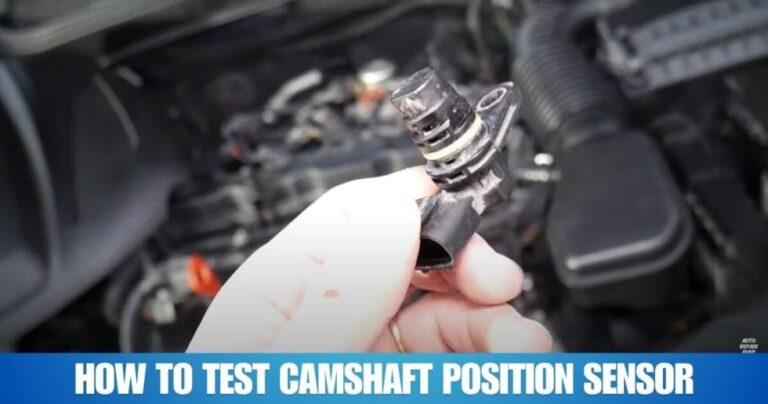
Learn how to test camshaft position sensor wiring with a multimeter. Follow a safe step-by-step process to check power, ground, signal circuits, and common wiring faults.
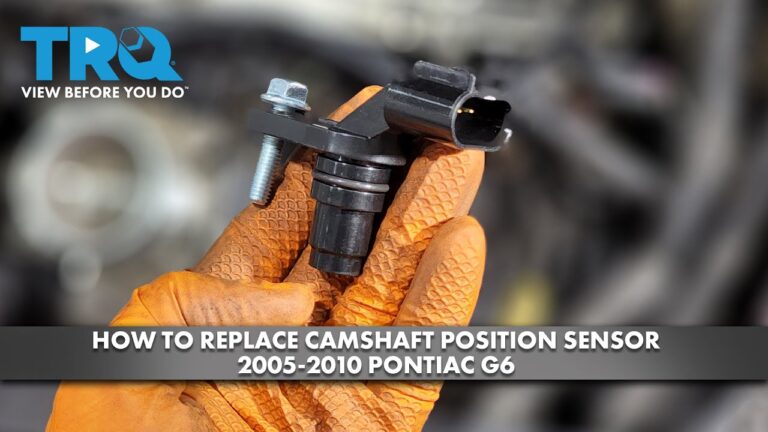
Learn how to replace camshaft position sensor Pontiac G6 models with this detailed step-by-step guide. Discover tools, symptoms, sensor location, installation tips, and troubleshooting advice.
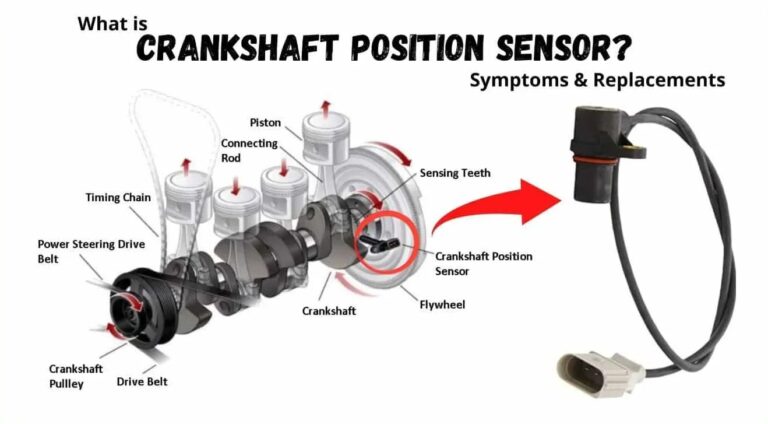
Learn how to fix a crankshaft position sensor with step-by-step diagnostics, testing, wiring checks, replacement tips, common symptoms, and troubleshooting advice for U.S. vehicle owners.
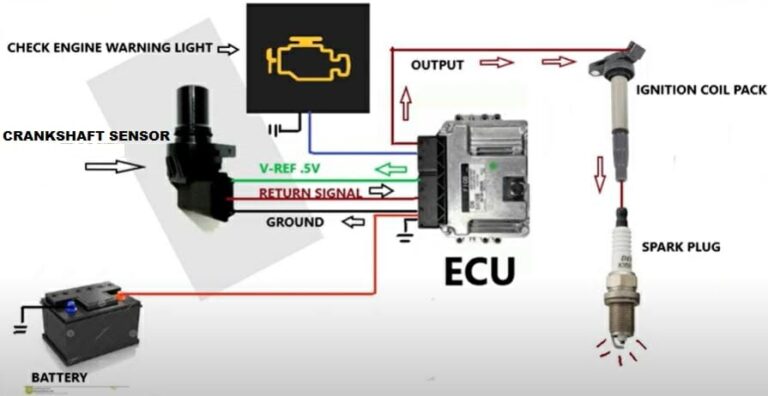
Learn how to wire a crankshaft position sensor safely, identify sensor wires, connect 2-wire and 3-wire sensors, test circuits, and fix common wiring faults.
Learn whether camshaft and crankshaft sensors are the same, how they work, their differences, symptoms of failure, and when each sensor needs replacement.