No. Camshaft and crankshaft sensors perform different jobs and cannot be considered the same sensor.
Across the United States, modern gasoline and diesel vehicles rely on both camshaft and crankshaft position sensors to keep engines running efficiently. Although these sensors work together, they monitor different engine components and provide different information to the engine control module.
Many drivers ask whether camshaft and crankshaft sensors are interchangeable because both affect ignition timing, fuel injection, and engine performance. The short answer is no. Understanding the difference can help you diagnose problems faster and avoid unnecessary repairs.
Source: youtube.com
Are Camshaft and Crankshaft Sensors the Same?
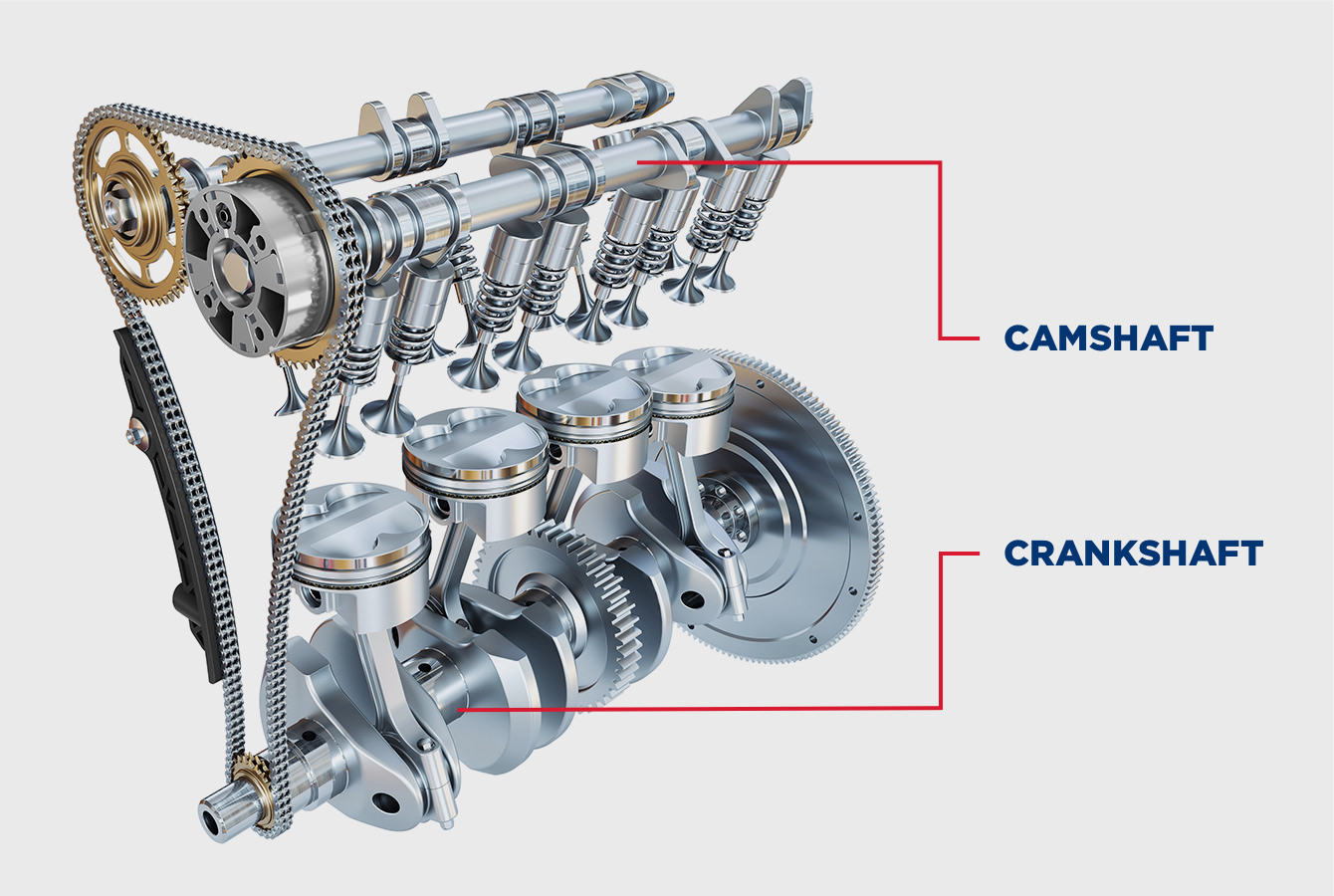
No. The camshaft position sensor and crankshaft position sensor are different sensors designed to monitor different rotating parts inside the engine.
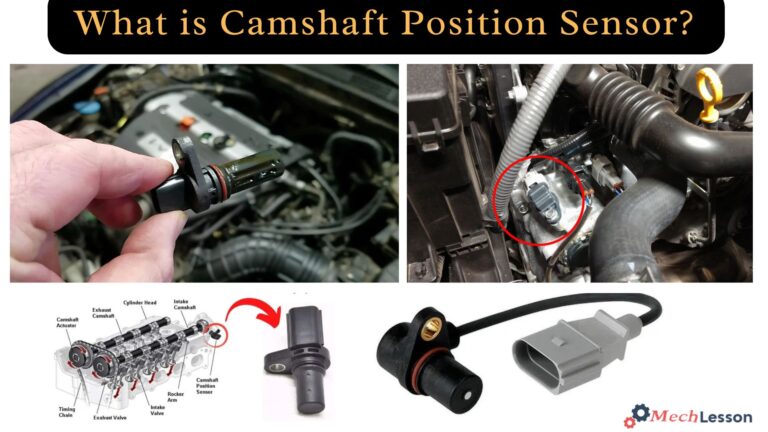
The crankshaft sensor measures the position and rotational speed of the crankshaft. The camshaft sensor monitors the camshaft position so the engine computer knows which cylinder is on the correct stroke for fuel injection and ignition timing.
Source: storage.googleapis.com
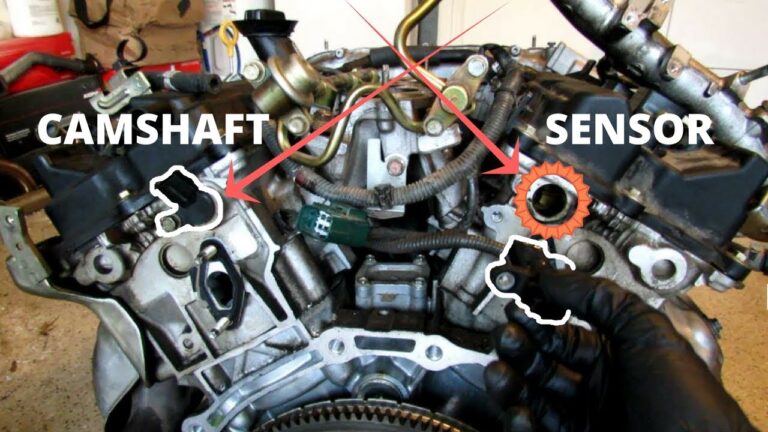
Different locations
Each sensor is mounted near the component it monitors.
Different signals
The engine computer uses each signal for separate timing calculations.
Why Both Sensors Are Needed
Modern engines use information from both sensors to synchronize ignition timing, fuel delivery, variable valve timing systems, and misfire detection.
Engine synchronization
The computer compares both signals to determine exact engine position.
Camshaft Sensor vs Crankshaft Sensor Comparison
The easiest way to understand the difference is to compare what each sensor measures and how the engine uses that information.
While they often fail in similar ways, their responsibilities inside the engine management system are not identical.
Source: storage.googleapis.com
Crankshaft sensor
Tracks crankshaft position and engine RPM.
Camshaft sensor
Tracks camshaft position and valve timing relationship.
Quick Comparison
The crankshaft sensor provides the primary timing reference, while the camshaft sensor helps identify which cylinder is ready for fuel injection and spark.
Primary reference
Crankshaft sensor.
Cylinder identification
Camshaft sensor.
What Happens When a Crankshaft Sensor Fails?
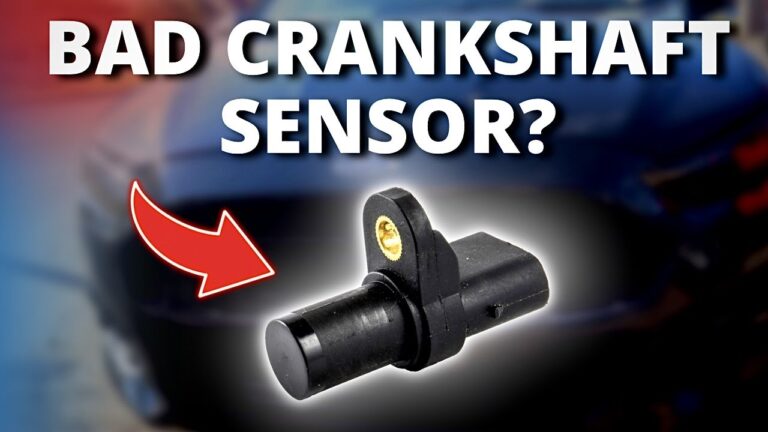
A failing crankshaft sensor can create severe drivability problems because the engine computer may lose track of crankshaft position.
Common symptoms include hard starting, no-start conditions, stalling, rough running, and an illuminated check engine light.
Source: learnmech.com
Engine stalling
The engine may suddenly shut off while driving.
No-start condition
The engine may crank but fail to start.
Severity of Failure
In many vehicles, a completely failed crankshaft sensor can prevent the engine from starting because the computer lacks critical timing information.
Immediate repair
Prompt diagnosis is recommended when symptoms appear.
What Happens When a Camshaft Sensor Fails?
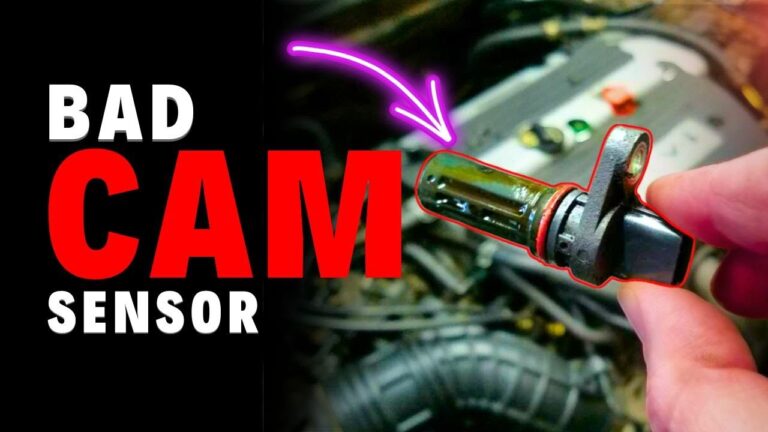
A faulty camshaft sensor can cause rough idling, poor acceleration, reduced fuel economy, hesitation, and engine warning lights.
Some engines can continue operating with a failed camshaft sensor by relying on backup strategies, although performance may suffer.
Source: learnmech.com
Poor performance
Fuel injection timing may become less accurate.
Check engine light
Diagnostic trouble codes often identify sensor-related issues.
Can You Keep Driving?
Some vehicles remain drivable for a short period, but prolonged operation can lead to poor performance and increased fuel consumption.
Diagnostic scan
Reading trouble codes helps confirm the root cause.
Can Camshaft and Crankshaft Sensors Be Interchanged?
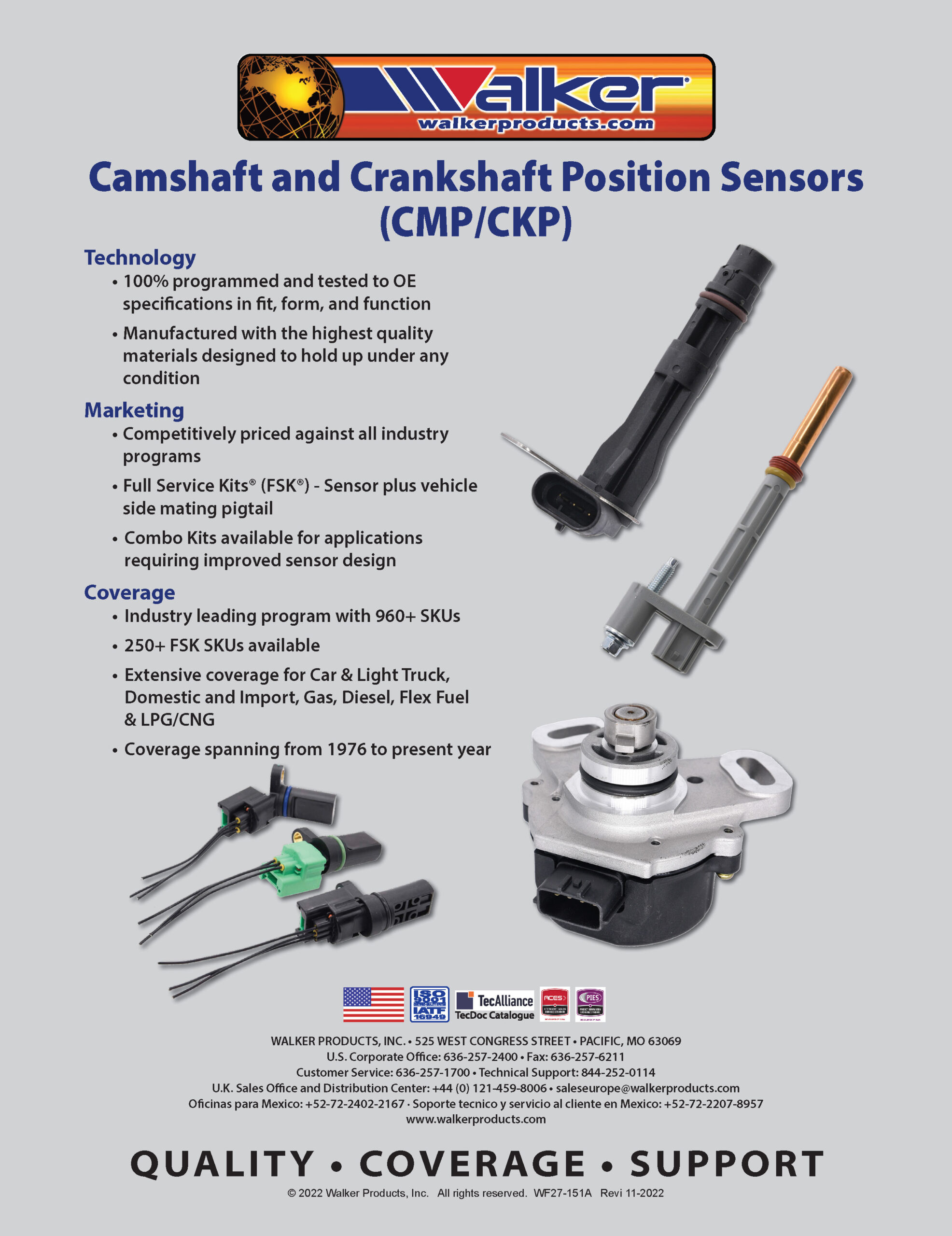
In most vehicles, camshaft and crankshaft sensors cannot be interchanged. They often have different designs, mounting locations, electrical characteristics, and software functions.
Even if two sensors appear similar, installing the wrong component can lead to engine performance issues or prevent the vehicle from starting.
Source: wagnerbrake.com
Vehicle specific
Always use the correct sensor specified for your vehicle.
Verify part numbers
Check manufacturer recommendations before replacement.
Best Replacement Practice
Match the replacement sensor to the vehicle year, make, model, engine size, and original equipment specifications.
Correct fitment
Proper fitment reduces diagnostic and performance problems.
Frequently Asked Questions
Q
Can a bad camshaft sensor cause a no-start condition?
Yes. In some vehicles, a failed camshaft sensor can contribute to hard starting or a no-start condition, although symptoms vary by engine design.
Q
Can a bad crankshaft sensor stop an engine from running?
Yes. A failed crankshaft sensor can prevent ignition and fuel injection timing from operating correctly, causing stalling or a no-start condition.
Q
Which sensor is more important?
Both are important. However, the crankshaft sensor is often considered the primary timing reference for engine operation.
Q
Do camshaft and crankshaft sensors trigger the check engine light?
Yes. Faulty readings from either sensor commonly trigger diagnostic trouble codes and illuminate the check engine light.
Q
How do mechanics diagnose these sensors?
Technicians typically use scan tools, live data readings, wiring inspections, and signal testing equipment to verify sensor operation.
✦ Wrapping Up
Conclusion
If you are asking whether are camshaft and crankshaft sensors the same, the answer is no. They perform different functions, monitor different engine components, and provide unique information to the engine computer.
Understanding the distinction can help you recognize symptoms, communicate more effectively with repair professionals, and avoid replacing the wrong component.
💡 Key Takeaway
When diagnosing timing-related engine problems, check both camshaft and crankshaft sensor systems rather than assuming they are the same part.
Ethan Brooks is an automotive writer at Auto News 7, covering car news, vehicle maintenance, new model updates, recalls, and practical buying guides. He focuses on clear, useful information that helps drivers understand their vehicles and make better ownership decisions.
Learn how to check camshaft position sensor operation, wiring, voltage, and signal output. Follow this practical step-by-step guide to diagnose common camshaft sensor problems.
Learn how many camshaft sensors a G35 has, where they are located, common symptoms of failure, diagnostic tips, and replacement information for Infiniti G35 models.
Learn how to replace camshaft position sensor Nissan Pathfinder models with a clear step-by-step guide, required tools, troubleshooting tips, and common mistakes to avoid.