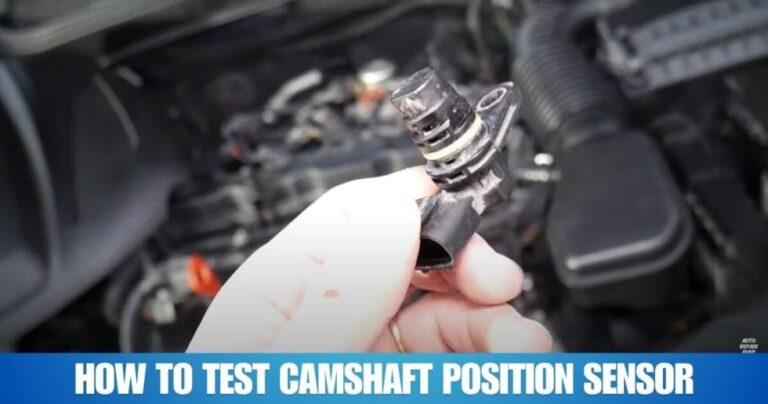
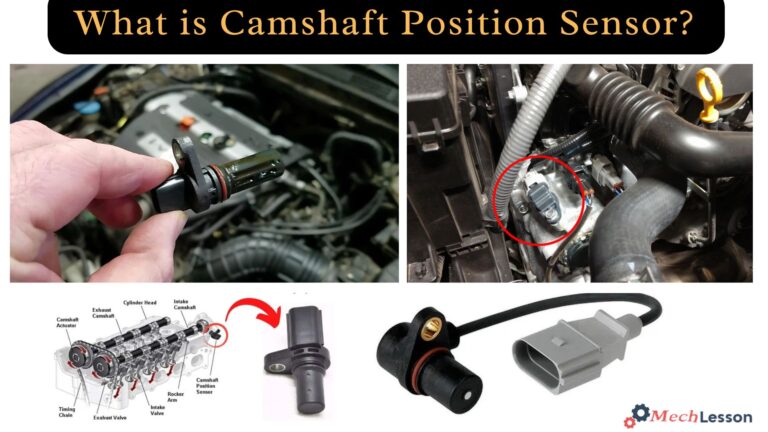
To test a Ford camshaft position sensor, check for diagnostic trouble codes, verify power and ground, and measure the sensor signal with a multimeter or scan tool.
Ford vehicles sold in the United States rely on the camshaft position sensor to help the powertrain control module determine fuel injection timing and ignition events. When the sensor fails or sends inaccurate data, drivers may experience hard starting, rough running, reduced power, or a check engine light.
Understanding how to test camshaft position sensor Ford models can help you identify whether the problem is the sensor itself, damaged wiring, a connector issue, or a related engine timing concern. A systematic diagnosis can prevent unnecessary parts replacement and save repair time.
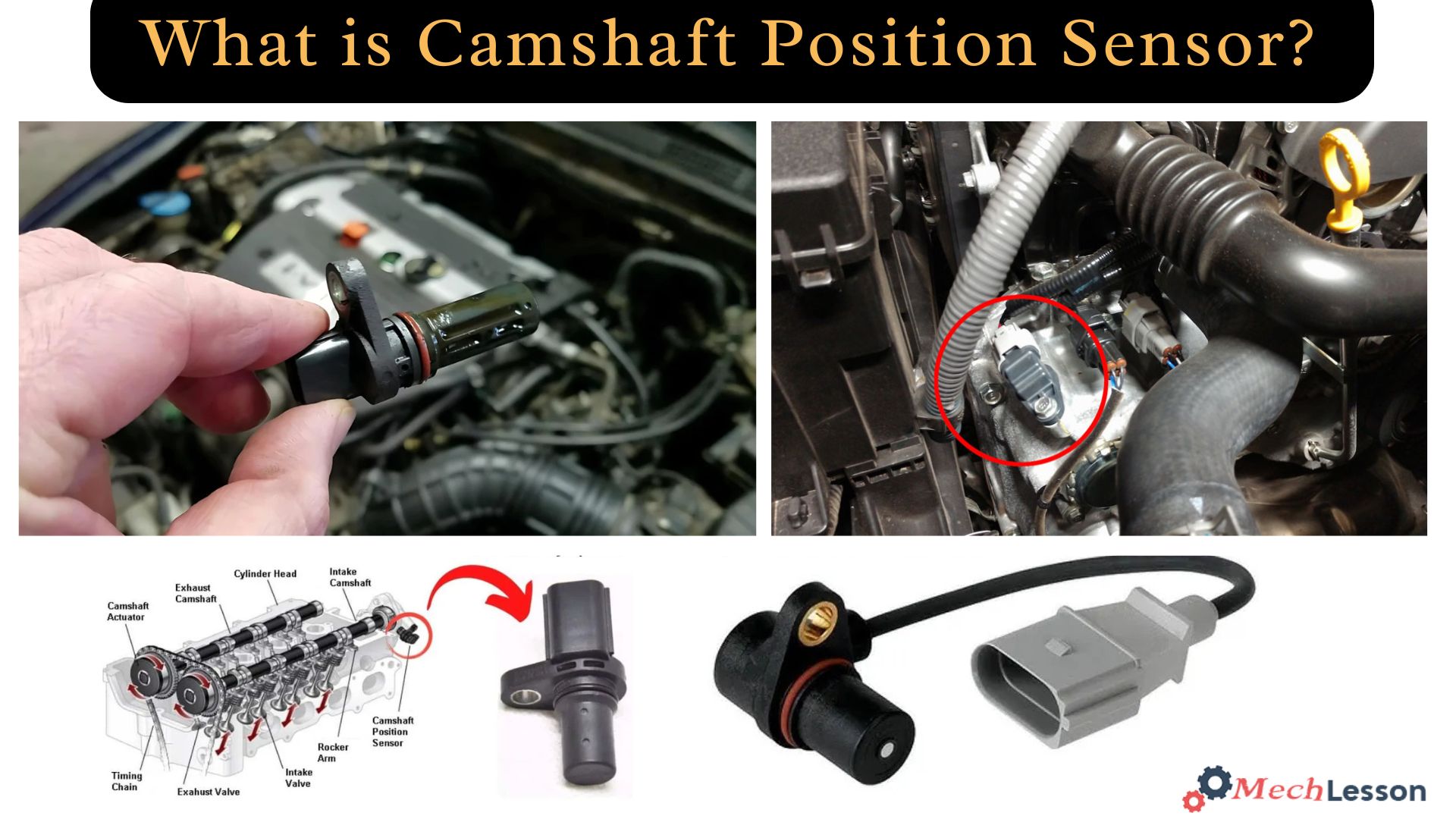
Source: mechlesson.com
What Does a Ford Camshaft Position Sensor Do?
The camshaft position sensor monitors the rotational position of the camshaft and sends that information to the engine control system. The computer uses this data to synchronize fuel injection and ignition timing.
Many Ford engines use either a Hall-effect sensor or a magnetic pickup sensor. The testing procedure varies slightly depending on sensor design, but the diagnostic principles remain similar.
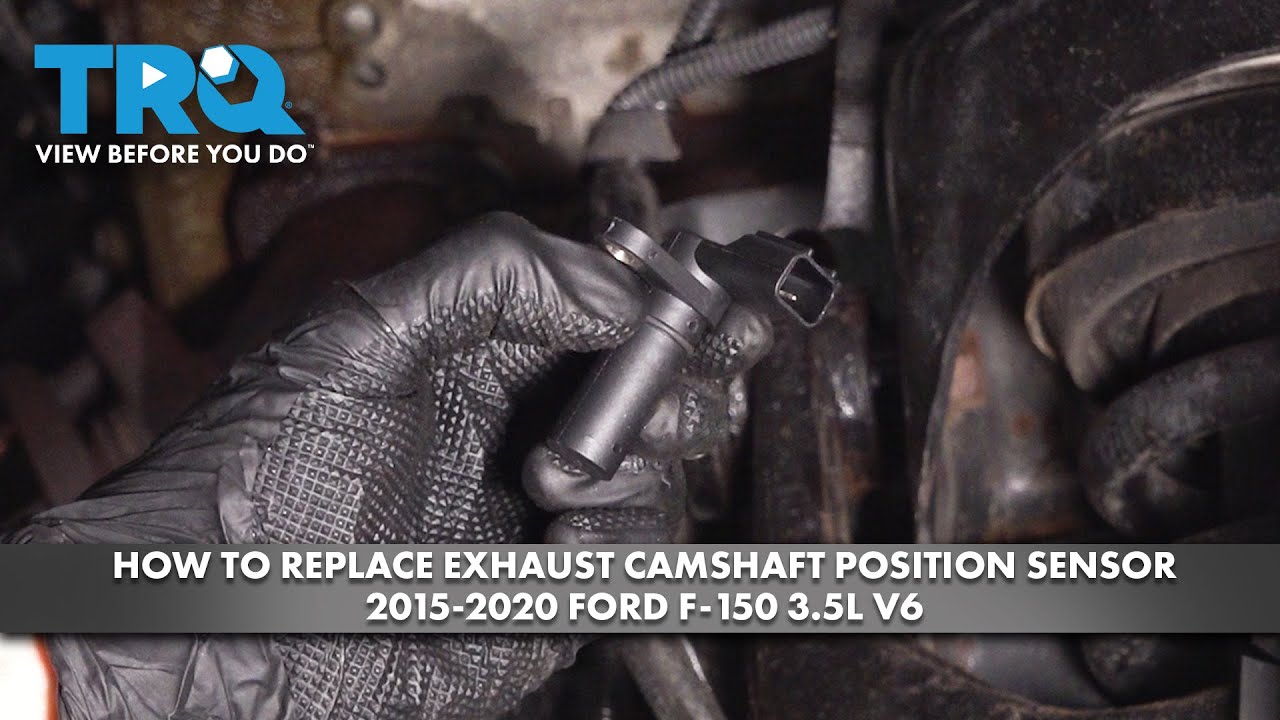
Source: hitchesguide.com
Fuel Control
Helps the engine computer determine injector timing.
Ignition Timing
Supports proper spark timing and engine efficiency.
Engine Synchronization
Works together with the crankshaft position sensor.
Common Ford Models Using Camshaft Position Sensors
Ford F-150, Escape, Explorer, Ranger, Mustang, Expedition, Edge, and many Super Duty trucks use camshaft position sensors as part of their engine management systems.
Gasoline Engines
Common on EcoBoost and naturally aspirated engines.
Diesel Engines
Also used on Power Stroke applications.
Symptoms of a Bad Camshaft Position Sensor
Before performing electrical tests, confirm that the vehicle displays symptoms consistent with a camshaft position sensor problem.
A failed sensor may not always trigger the same symptoms. The severity depends on the Ford model, engine type, and failure mode.
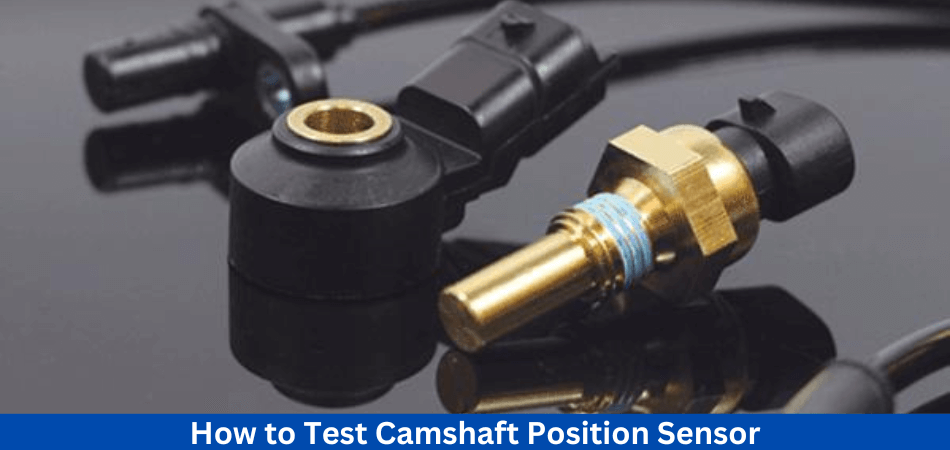
Source: detroitchinatown.org
Check Engine Light
Diagnostic trouble codes related to camshaft timing may be stored.
Hard Starting
The engine may crank longer than normal.
Engine Stalling
Signal loss can interrupt engine operation.
Poor Acceleration
Incorrect timing information affects performance.
Common Diagnostic Trouble Codes
Ford vehicles may display codes such as P0340, P0341, P0344, or related camshaft position sensor circuit faults.
P0340
Camshaft position sensor circuit malfunction.
Tools Needed to Test a Ford Camshaft Position Sensor
Gathering the correct tools improves accuracy and safety during diagnosis.
A basic inspection can identify many issues before advanced testing becomes necessary.
Source: smartvehiclecare.com
Digital Multimeter
Measures voltage, continuity, and resistance.
OBD-II Scan Tool
Reads codes and live sensor data.
Service Information
Provides wiring diagrams and specifications.
Back-Probe Pins
Allows testing without damaging connectors.
Safety Preparation
Park on a level surface, engage the parking brake, and keep loose clothing away from moving engine components.
Battery Condition
Ensure the battery is fully charged before testing.
How to Test Camshaft Position Sensor Ford Step by Step
The most effective way to diagnose the sensor is to follow a structured process. Start with simple checks and move toward electrical testing.
Many sensor replacements occur unnecessarily because wiring faults or connector corrosion are overlooked.
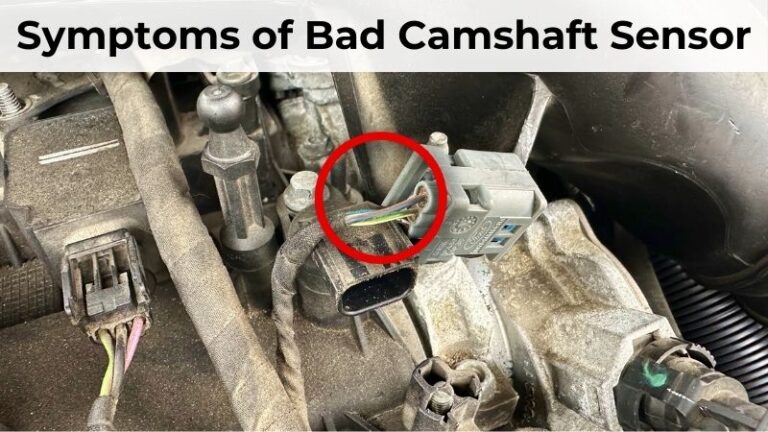
Source: autopartswd.com
Step 1
Scan for trouble codes and record freeze-frame data.
Step 2
Inspect the sensor connector for corrosion, oil contamination, or broken terminals.
Step 3
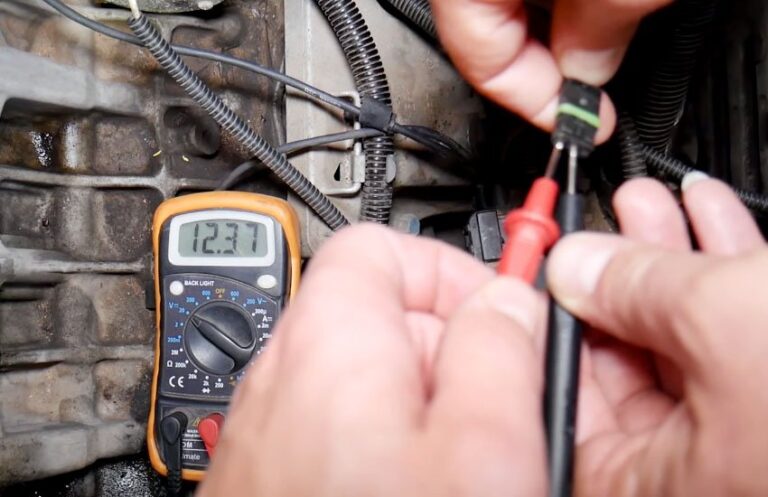
Verify reference voltage and ground with the ignition on.
Step 4
Measure the signal wire while cranking or running the engine.
Testing a Hall-Effect Sensor
Most Hall-effect sensors receive a reference voltage, ground, and signal wire. When operating correctly, the signal voltage switches between low and high values as the engine rotates.
Expected Result
Signal should fluctuate rather than remain fixed.
Testing a Magnetic Sensor
Magnetic sensors generate an AC signal during engine rotation. A multimeter capable of reading AC voltage can detect this output.
Expected Result
Voltage increases as engine speed rises.
Interpreting Test Results and Troubleshooting Failures
A failed sensor is only one possible cause of a camshaft position sensor fault code. Wiring damage, timing chain wear, damaged reluctor wheels, and powertrain control module issues can produce similar symptoms.
If voltage supply and ground are correct but no valid signal exists, the sensor may be defective. If voltage is missing, inspect wiring and related circuits before replacing components.
Source: hitchesguide.com
No Power
Check fuses, wiring, and computer outputs.
No Ground
Inspect grounding circuits and connector integrity.
No Signal
Sensor or reluctor wheel may be faulty.
When Professional Diagnosis Is Recommended
If engine timing problems, internal engine damage, or intermittent electrical faults are suspected, advanced diagnostic equipment may be necessary.
Oscilloscope Testing
Provides a detailed view of sensor waveform quality.
Frequently Asked Questions
Q
Can a Ford camshaft position sensor fail without a check engine light?
Yes. Some intermittent failures may cause drivability issues before a diagnostic trouble code is stored.
Q
What voltage should a Ford camshaft position sensor have?
The exact value depends on the engine and sensor type. Many Hall-effect sensors receive a reference voltage from the engine control system and switch signal voltage during operation.
Q
Can a bad camshaft sensor cause a no-start condition?
Yes. A failed sensor can prevent proper synchronization between fuel injection and ignition systems.
Q
Should I replace the sensor if code P0340 appears?
Not immediately. Verify wiring, connectors, power supply, and signal output before replacing parts.
Q
Do I need a scan tool to test a camshaft position sensor?
A scan tool is highly useful because it can display live data and diagnostic codes, but basic electrical testing can also be performed with a digital multimeter.
✦ Wrapping Up
Conclusion
Learning how to test camshaft position sensor Ford vehicles requires a methodical approach that begins with code retrieval and visual inspection before electrical testing. Proper diagnosis helps identify whether the sensor, wiring, or another engine component is responsible for the problem.
Using a scan tool, multimeter, and manufacturer specifications can significantly improve diagnostic accuracy and reduce unnecessary repairs.
💡 Key Takeaway
Start with trouble codes, verify power and ground circuits, then confirm the sensor produces a valid signal before replacing any parts.
Ethan Brooks is an automotive writer at Auto News 7, covering car news, vehicle maintenance, new model updates, recalls, and practical buying guides. He focuses on clear, useful information that helps drivers understand their vehicles and make better ownership decisions.
Learn how to test camshaft position sensor wiring with a multimeter. Follow a safe step-by-step process to check power, ground, signal circuits, and common wiring faults.
Learn how to remove a camshaft position sensor safely with this detailed step-by-step guide. Discover required tools, common mistakes, troubleshooting tips, and what to do after removal.