10 Best Potting Soil: Top Mixes Gardeners Trust for Healthy Growth
Buying the wrong potting soil can leave a houseplant soggy for days or dry out a patio pot before you remember to water it. A dense mix can also make roots struggle, while a bag that is far smaller than you need means another trip to the store halfway through repotting.
Potting soil is made for containers, where roots depend on you for both air and water; it needs to hold enough moisture without staying waterlogged. The right mix depends on where the pot will live, the plant’s needs, and whether you prefer to add fertilizer yourself or start with a mix that includes it.
Here’s what this guide will help you sort out:
- Which soil types suit indoor plants, outdoor pots, and seedlings.
- How bag size and included fertilizer affect your planting plan.
- What to check before watering, feeding, or repotting.
- How to store leftover soil and avoid common container-gardening snags.
Quick Picks
-
Best For Indoor Plants

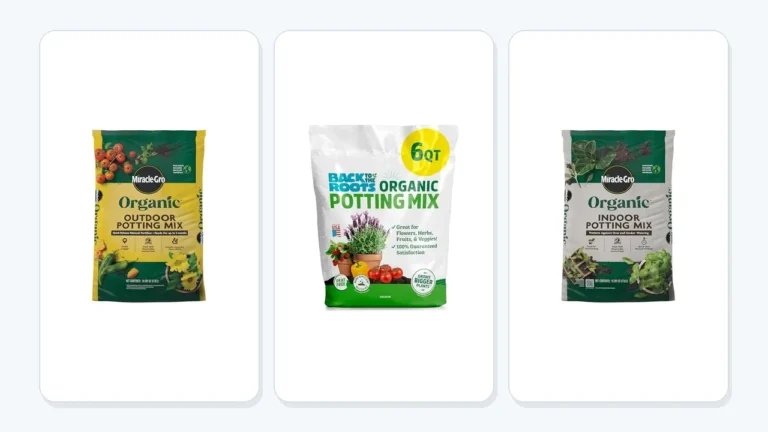
Miracle-Gro Organic Indoor Potting Mix, 16 qt.
Peat moss, coir, and moisture regulation help indoor growers manage watering for houseplants, herbs, and seeds.
-
Best For Outdoor Containers

Miracle-Gro Organic Outdoor Potting Mix, 16 qt.
A natural fertilizer feeds outdoor container plants for up to two months, making this a fit for flowers and herbs.
Top 10 Potting Soils at a Glance
Start with Miracle-Gro Organic Indoor Mix for indoor containers and Miracle-Gro Organic Outdoor Mix for patio pots that benefit from included fertilizer. The rest of the picks range from larger multi-bag quantities to small indoor blends, with differences in stated ingredients, intended use, and feeding claims.
| Product image | Product name | Check product |
|---|---|---|
| 1 |
Miracle-Gro Organic Indoor Potting Mix, 16 qt. | Check Price |
| 2 |
Miracle-Gro Organic Outdoor Potting Mix, 16 qt. | Check Price |
3 |
Miracle-Gro Potting Mix, 16 qt. (2-Pack) | Check Price |
4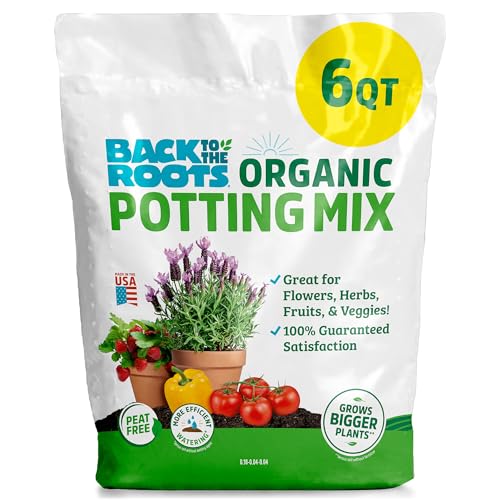 |
Back to the Roots Organic Potting Soil, | Check Price |
5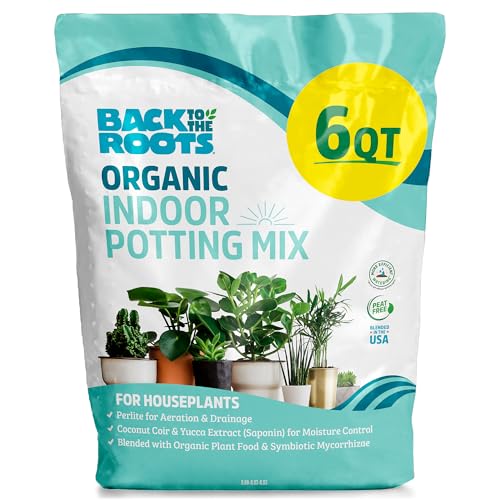 |
Back to the Roots Organic Indoor Potting | Check Price |
6 |
Miracle-Gro Houseplant Potting Mix, 4 qt. | Check Price |
7 |
Miracle-Gro Moisture Control Potting Mix, 8 qt. | Check Price |
8 |
FoxFarm Ocean Forest Potting Soil for Container | Check Price |
9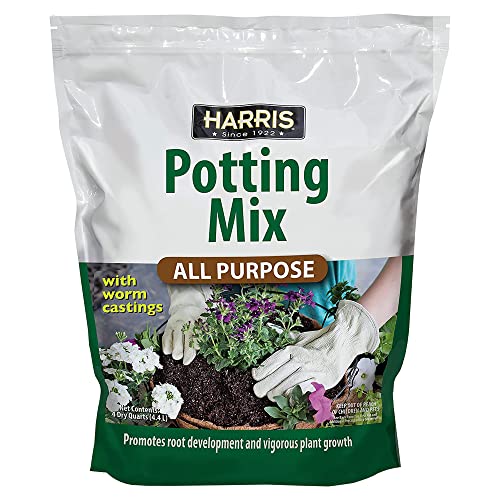 |
Harris All Purpose Premium Potting Soil Mix | Check Price |
10 |
Burpee Premium Organic Potting Mix Garden Soil | Check Price |
10 Best Potting Soils: Detailed Reviews
When I chose the best potting soil, I focused on where each mix is meant to be used, what the ingredients and moisture claims mean in everyday care, and how much soil comes in each bag. Those details help prevent a mismatch between a small indoor planter and a large outdoor container.
The choices span indoor and outdoor blends, all-purpose mixes, and soils with fertilizer or other amendments included. Looking at them side by side helps you spot when a small bag is enough, when a bulkier option makes sense, and when the plant’s care needs call for a more specific mix.
1. Miracle-Gro Organic Indoor Potting Mix, 16 qt.
Peat moss, coir, and moisture regulation help indoor growers manage watering for houseplants, herbs, and seeds.
- Size16.qt
- COVERAGEOne 16 qt. bag of Miracle-Gro Organic Indoor Potting Mix fills one 12-inch container with potting soil for indoor p
- WeightNot listed; check details
- DimensionsNot listed; check details
Miracle-Gro Organic Indoor Mix is intended for indoor container plants, including houseplants, herbs, and seedlings. Its 16-quart bag is listed as enough to fill one 12-inch container, though the amount can vary with the root ball.
The blend includes sphagnum peat moss, a plant-based material used in potting mixes to hold moisture, along with coir, a fiber made from coconut husks that also helps manage moisture. Miracle-Gro says the mix is designed to protect against both overwatering and underwatering, which may help if your watering schedule is not perfectly steady. The package features also mention quick-start natural fertilizer, so check the plant’s feeding needs before adding another fertilizer right away.
This soil is also listed for seed starting, but seeds still need the light, warmth, and watering conditions their packet calls for. Indoor soil can’t fix a pot without a drainage hole or make a plant tolerant of frequent watering. Give excess water a way out, and don’t read “moisture control” as permission to keep the mix constantly wet.
Pros:
- Indoor use stated, making the intended setting clear.
- Peat moss and coir, ingredients tied to moisture management.
- Seed starting is listed, useful for starting plants at home.
- 16-quart bag, with stated coverage for one 12-inch container.
Cons:
- The bag’s coverage can change with the plant’s root ball.
- The fertilizer content may not match every plant’s feeding schedule.
- Indoor use does not remove the need for drainage.
Buy it if: you’re filling indoor pots or starting seeds, because this mix is intended for those uses and is designed to help regulate moisture.
Skip it if: you need soil mainly for outdoor patio pots, because this blend is described for indoor containers and an outdoor potting mix would suit you better. For another fit, consider Miracle-Gro Organic Outdoor Potting Mix, 16 or Miracle-Gro Potting Mix, 16 qt. (2-Pack).
I’d consider Miracle-Gro Organic Indoor Mix a useful starting point for a beginner with several common houseplants. Its listed ingredients and stated moisture-regulating purpose address a familiar indoor-care challenge: keeping soil from swinging between bone dry and too wet. Before buying, check how many pots you plan to fill and whether the included fertilizer suits your plants.
Choose it if indoor containers are your main job.
2. Miracle-Gro Organic Outdoor Potting Mix, 16 qt.
A natural fertilizer feeds outdoor container plants for up to two months, making this a fit for flowers and herbs.
- Colorbrown
- Size16QT
- Number Of Items1
- COVERAGEOne 16 qt. bag of Miracle-Gro Organic Outdoor Potting Mix fills one 12-inch pot with garden soil for containers (am
Miracle-Gro Outdoor Mix is made for outdoor container plants such as flowers, vegetables, herbs, annuals, and perennials. The 16-quart bag is listed as enough for one 12-inch pot, with the actual amount affected by the plant’s root ball.
The mix includes peat sourced from certified producers, according to the product information, and a quick-release natural fertilizer. “Quick-release” means the fertilizer is available to plants sooner than a slow-release feed, while the stated feeding period for this mix is up to two months. That can simplify the first part of a planting season, but it also means you should read the package directions before adding extra fertilizer.
This is an outdoor container blend, not a shortcut around good pot choice or watering. Use pots with drainage, and account for heat and wind, which can dry outdoor containers faster than indoor pots. If you’re growing edible plants, follow the package directions and the crop’s specific care guidance rather than assuming every feeding schedule is the same.
Pros:
- Outdoor container use is stated for several plant types.
- Quick-release natural fertilizer, with feeding stated up to two months.
- Listed for flowers, vegetables, herbs, annuals, and perennials.
- 16-quart bag, with stated coverage for one 12-inch pot.
Cons:**
- The stated feeding period is limited to up to two months.
- Outdoor containers may dry quickly in hot or windy weather.
- The bag’s stated coverage can vary with root-ball size.
Buy it if: you’re planting outdoor containers, because the stated use and included fertilizer can get a patio planting started with fewer separate inputs.
Skip it if: your main need is soil for indoor houseplants, because this mix is described for outdoor containers and an indoor potting mix would suit you better. Miracle-Gro Organic Indoor Potting Mix, 16 and Miracle-Gro Potting Mix, 16 qt. (2-Pack) are worth a closer look instead.
What I like about Miracle-Gro Outdoor Mix is that its intended setting is clear, and its fertilizer claim gives you a useful starting point for feeding. It earns its place for a gardener filling patio pots with flowers, herbs, or vegetables. Check the bag’s directions and plan for watering conditions outside, since the weather can change how often a container needs attention.
Pick it if your planting is outdoors.
3. Miracle-Gro Potting Mix, 16 qt. (2-Pack)
The catalog lists FEEDS UP TO 6 MONTHS: Miracle-Gro Potting Mix is a gardening soil for outdoor containers that feeds all types . Compare fit and care needs before choosing.
- ColorMulticolor
- Size2-Pack
- Number Of Items1
- COVERAGEThis bundle includes two 16 qt. bags of Miracle-Gro Potting Mix, an outdoor potting soil; each bag fills one 12-inc
Miracle-Gro Potting Mix comes as a two-pack intended for outdoor containers, including flowers, vegetables, herbs, shrubs, annuals, and perennials. Each 16-quart bag is stated to fill one 12-inch container, though roots and pot shape affect coverage.
The mix is described as feeding container plants for up to six months. That longer stated feeding window may reduce the need to add fertilizer early, but it is not a reason to ignore plant-specific instructions or the package directions. The product information also claims larger growth compared with unfed plants; treat that as a seller claim, not a result guaranteed for every plant or growing condition.
For planting, the instructions say to fill a container about one-third full, position the plant, then add mix around it and press lightly. A two-pack is handy if you have several pots to fill, but it takes more storage space than one small bag. Keep leftover soil dry and sealed so it is ready for the next container.
Pros:
- Two 16-quart bags, useful for multiple outdoor containers.
- Feeding is stated for up to six months.
- Listed for flowers, vegetables, herbs, shrubs, and more.
- Each bag has stated coverage for one 12-inch container.
Cons:
- The two-bag quantity may be more than one small planting needs.
- The stated feed period does not replace checking plant needs.
- Outdoor container use may not suit indoor soil preferences.
Buy it if: you have several outdoor pots to fill, because the two bags and stated extended feeding period suit a larger planting session.
Skip it if: you only need enough soil for one small houseplant, because the two-bag quantity may be more than you need and a smaller indoor mix would suit you better. If those trade-offs rule it out, Miracle-Gro Organic Indoor Potting Mix, 16 or Miracle-Gro Organic Outdoor Potting Mix, 16 may suit you better.
I’d put Miracle-Gro Potting Mix on the list for someone planting several outdoor containers at once. The two-bag format and stated six-month feeding window are practical when you have more than one pot to prepare. My hesitation is simply quantity: two bags are awkward to store if you only need a little.
Check your pot sizes before choosing it.
4. Back to the Roots Organic Potting Soil,
The catalog lists Includes 6qt of Back to the Roots Premium Blend Potting Mix. 100% Organic and Peat-Free, made from upcycled pl. Compare fit and care needs before choosing.
- Size6 Quart
- ColorPremium Potting Mix
- WeightNot listed; check details
- DimensionsNot listed; check details
Back to the Roots Organic Potting Mix is an all-purpose, peat-free option listed for indoor and outdoor plants, including herbs, vegetables, fruits, and flowers. Its 6-quart bag is a smaller amount than the larger outdoor multi-bag choices, so it may suit a focused repotting job.
The mix is described as being made from upcycled plant matter and wood fines, and includes yucca extract for moisture control. Yucca extract is an additive used here to help the mix manage water, which may appeal if you want a blend with a moisture-focused ingredient. The product information also names dolomitic limestone for pH balancing; pH is a measure of how acidic or alkaline the soil is, and it affects how plants access nutrients.
“All-purpose” covers several kinds of plants, but it doesn’t mean every plant has identical needs. Check whether a particular plant prefers a faster-draining or more specialized mix before repotting. At 6 quarts, estimate the pot volume first so you don’t run short partway through.
Pros:
- Peat-free blend, with ingredients described as upcycled plant matter and wood fines.
- Listed for indoor and outdoor use.
- Yucca extract is included for moisture control.
- Dolomitic limestone is included for pH balancing.
Cons:
- 6-quart quantity may not cover a large container or many pots.
- All-purpose use may not suit plants needing a specialized mix.
- The stated ingredients don’t give a detailed care schedule for every plant.
Buy it if: you want a smaller peat-free mix for a range of indoor or outdoor plants, because the stated uses cover herbs, vegetables, fruits, and flowers.
Skip it if: you need soil for many large pots, because this 6-quart bag may not cover the job and a larger-volume potting mix would suit you better.
To me, Back to the Roots Organic Potting Mix makes sense when the peat-free description matters and the planting job is modest. Yucca and limestone give you specific ingredient details rather than a vague promise about moisture or soil balance. Check the bag quantity against the pots you’re filling, and make sure your plant does not need a more specialized blend.
It suits someone repotting a few containers.
5. Back to the Roots Organic Indoor Potting
The catalog lists Includes 6qt of Back to the Roots Indoor Potting Mix. Our Potting Mix contains organic yucca extract that aids. Compare fit and care needs before choosing.
- Size6 Quart
- ColorIndoor Potting Mix
- Release Date2023-01-01T00:00:01Z
- Number Of Items1
Back to the Roots Indoor Potting Mix is a 6-quart blend intended for houseplants such as pothos, monstera, and ferns. Its listed indoor focus can help narrow the choice if most of your gardening happens inside.
The mix contains organic yucca extract, which the product information says helps retain moisture. That may be useful in a home where pots dry quickly, but moisture retention still depends on the plant, pot, light, and room conditions. It also contains mycorrhizae, beneficial fungi associated with plant roots; the stated role is to support root development and nutrient uptake.
The product information also names dolomitic limestone as an ingredient for balancing acidity and alkalinity. It describes the mix as peat-free and without bark or compost, and says that makes it less prone to indoor gnats and pests. That is a product claim, not a guarantee that insects can never appear; damp soil and nearby plant conditions still matter.
Pros:
- Indoor use is stated for common houseplants.
- Yucca extract is included to help retain moisture.
- Mycorrhizae are included for root development and nutrient uptake.
- Peat-free blend with no bark or compost, as described.
Cons:
- The 6-quart bag may be too small for several large pots.
- Moisture retention does not replace careful watering.
- The stated lower pest tendency is not a guarantee against gnats.
Buy it if: you’re repotting houseplants and want a mix with stated moisture-retaining ingredients, because yucca extract is included for that purpose.
Skip it if: you want one large bag for many outdoor containers, because this is a 6-quart indoor mix and a larger outdoor potting blend would suit you better.
I’d consider Back to the Roots Indoor Potting Mix for a small indoor repotting session where the ingredient details matter. The yucca and mycorrhizae give a beginner clear points to weigh, while its peat-free formulation may fit a preference for that type of blend. I would still watch watering closely and not treat the pest wording as a promise.
Choose it for a few houseplants, not a full garden overhaul.
6. Miracle-Gro Houseplant Potting Mix, 4 qt.
The catalog lists INDOOR GROWING: Growing indoors is easy under the right conditions; Miracle-Gro Houseplant Potting Mix is an i. Compare fit and care needs before choosing.
- Color4 qt
- Size1 Pack
- COVERAGEOne 4 qt. bag of Miracle-Gro Houseplant Potting Mix fills one 8-inch container; amounts may vary based on the size
- WeightNot listed; check details
Miracle-Gro Houseplant Potting Mix is a small indoor blend for tropical houseplants, including pothos, spider plants, monstera, and philodendron. The 4-quart bag is stated to fill one 8-inch container, with the final amount depending on the plant’s root ball.
The mix includes perlite, sphagnum peat moss, coir, and fertilizer. Perlite is a light, porous material added to potting mixes to help air and water move through the soil; that can be useful around roots in an indoor pot. The product information says the fertilizer feeds plants for up to six months, so check its directions before adding another feed.
The mix is described as less prone to fungus gnats because it does not contain compost and bark, which can provide shelter for them. “Less prone” is not the same as pest-proof, so avoid leaving standing water in a saucer and let the plant’s care needs guide watering. The small bag is convenient for a single repot, but plan more carefully if you have several large plants.
Pros:
- Intended for indoor tropical plants and common houseplants.
- Perlite, peat moss, and coir are listed ingredients.
- Fertilizer is stated to feed plants for up to six months.
- 4-quart bag has stated coverage for one 8-inch container.
Cons:
- Small quantity may not cover multiple large containers.
- “Less prone” to gnats does not mean pest-proof.
- Included fertilizer may not suit every plant’s schedule.
Buy it if: you’re repotting one or two indoor tropical plants, because the 4-quart bag is sized for a smaller job and has a stated indoor use.
Skip it if: you need a large quantity for outdoor pots, because this small mix is intended for houseplants and a higher-volume outdoor blend would suit you better.
What I like about Miracle-Gro Houseplant Potting Mix is its narrow, clear purpose and the practical 8-inch container coverage note. Perlite, peat moss, and coir explain what kind of blend you’re getting, while the feeding claim helps you plan what not to add immediately. Check the volume if you’re repotting more than one plant.
It’s most useful for a small indoor job.
7. Miracle-Gro Moisture Control Potting Mix, 8 qt.
The catalog lists FEEDS UP TO 6 MONTHS: Miracle-Gro Moisture Control Potting Soil Mix feeds plants for up to 6 months and Grows . Compare fit and care needs before choosing.
- Size8 qt. (2-pack)
- Number Of Items2
- COVERAGEThis bundle comes with two 8 qt. bags of Miracle-Gro Moisture Control Potting Mix; each bag fills two 8-inch contai
- WeightNot listed; check details
Miracle-Gro Moisture Control Potting Mix comes as two 8-quart bags and is listed for outdoor container plants, including flowers, vegetables, shrubs, annuals, and perennials. The product information states each bag fills two 8-inch containers, though the root ball can change the amount needed.
The mix is described as absorbing up to 33% more water than basic potting soil without sphagnum peat moss, coir, and a wetting agent. A wetting agent helps water spread through soil rather than bead up, which can help when a dry mix is difficult to moisten evenly. The product also says it protects against overwatering and underwatering, but that does not mean you should water on a fixed schedule without checking the soil.
The mix is stated to feed plants for up to six months. That may simplify initial care for outdoor pots, but follow the package and plant directions before adding fertilizer. Because this is a moisture-focused blend, be especially careful that containers drain properly and that the mix is not kept constantly wet.
Pros:
- Two 8-quart bags, useful for several smaller containers.
- Moisture-management ingredients are described in the product details.
- Water absorption claim is stated as up to 33% more than a named comparison.
- Feeding is stated for up to six months.
Cons:
- Intended use is outdoor containers, not specifically indoor houseplants.
- Moisture claims do not replace checking soil before watering.
- The two-bag format may take up extra storage space.
Buy it if: your outdoor containers dry out quickly between checks, because the mix is designed around moisture management and includes a wetting agent.
Skip it if: your plants need a very airy, fast-drying blend, because a moisture-focused mix may not match those needs and a plant-specific potting mix would suit you better.
I’d look at Miracle-Gro Moisture Control Potting Mix if watering consistency is the biggest source of trouble in outdoor containers. Its stated water-absorption comparison and two-bag format make the intended benefit easy to understand. Still, the label cannot tell you when each pot is ready for more water, so check the soil instead of following a calendar alone.
Pick it if moisture swings are your main concern.
8. FoxFarm Ocean Forest Potting Soil for Container
The catalog lists THE SECRET TO VIBRANT GARDENS: Fox Farm Ocean Forest Soil is the ideal growing medium for plants. Whether you’. Compare fit and care needs before choosing.
- Size12 quart
- ColorNo Color
- Number Of Items1
- WeightNot listed; check details
FoxFarm Ocean Forest is a 12-quart potting soil for container gardens, houseplants, seedlings, and plant starts. The product information describes it as ready to use from the bag, which makes it appealing if you don’t want to mix separate ingredients before planting.
The blend lists aged forest products, sandy loam, and sphagnum peat moss, and is described as having a light, aerated texture for drainage. Aeration means there are spaces in the mix for air to reach roots; drainage lets excess water leave the pot. Both matter because roots need more than water alone, though the pot itself still needs drainage openings.
Fish meal, crab meal, and earthworm castings are listed as nutrient ingredients. The product details say there is no need for nitrogen fertilizer at first and suggest following their feeding directions as plants grow. Because ingredient-based feeds can vary in how they fit a plant’s needs, check the bag and the plant’s care requirements before adding more fertilizer.
Pros:
- 12-quart bag is listed for containers, houseplants, and plant starts.
- Blend includes aged forest products, sandy loam, and peat moss.
- Light, aerated texture is described to support drainage.
- Fish meal, crab meal, and earthworm castings are listed ingredients.
Cons:
- The 12-quart amount may not cover a large group of pots.
- Feeding directions may require attention as plants grow.
- Ingredient blend may not fit every plant’s preferred soil.
Buy it if: you want a ready-to-use mix for containers or plant starts, because the blend is described as aerated and includes listed nutrient ingredients.
Skip it if: you need a simple, low-ingredient mix for a plant with specific soil needs, because this blend includes several nutrient components and a more targeted mix would suit you better.
To me, FoxFarm Ocean Forest is a fit for someone who wants a ready-to-use blend and is willing to pay attention to feeding directions. The ingredient list is more detailed than many basic mixes, and its stated use includes seedlings and plant starts. I’d check whether its nutrient profile suits the plants you’re growing before adding fertilizer.
Choose it if those listed uses match your garden.
9. Harris All Purpose Premium Potting Soil Mix
The catalog lists All Purpose Potting Mix – Use indoors and outdoors for container gardening, flower boxes, hanging baskets and . Compare fit and care needs before choosing.
- ColorWhite
- Size4 Quart
- WeightNot listed; check details
- DimensionsNot listed; check details
Harris All Purpose Premium Potting Soil is a 4-quart mix listed for indoor and outdoor containers, flower boxes, and hanging baskets. That small quantity can be convenient for one modest planter, a small top-up, or a trial with a few plants.
The mix contains worm castings, which are included as a source of nutrients, and coco coir to help maintain moisture. It also contains pumice and perlite for aeration and fast drainage. Those ingredients point toward a mix designed to balance water retention with movement of air and excess water, though the actual result depends on the pot and plant.
Fast drainage can be helpful for roots that dislike soggy soil, but it may mean checking smaller pots more often in warm or dry conditions. The product is described as all-purpose, yet a specialized plant may need a different balance. At 4 quarts, plan the job before opening the bag so you don’t discover you’re short with a plant waiting on the counter.
Pros:
- Listed for indoor and outdoor containers, boxes, and hanging baskets.
- Worm castings are included as a nutrient source.
- Pumice and perlite are listed for aeration and drainage.
- Coco coir is included to help maintain moisture.
Cons:
- 4-quart quantity may only cover a small planting job.
- Fast drainage may mean closer watering checks in dry conditions.
- All-purpose wording does not guarantee a match for specialized plants.
Buy it if: you need a small amount of mix for a container or hanging basket, because its listed uses cover indoor and outdoor planting and its ingredients address drainage and moisture.
Skip it if: you’re filling several large pots, because the 4-quart bag may not go far and a larger-volume soil mix would suit you better.
I’d treat Harris All Purpose Premium Potting Soil as a compact choice rather than a bulk garden supply. Its ingredient combination gives you a reasonable idea of how the blend aims to handle nutrients, air, and moisture. The key thing to verify is quantity, especially for deep containers or multiple baskets.
It suits a small, clearly measured planting task.
10. Burpee Premium Organic Potting Mix Garden Soil
The catalog lists SUPPORTS VIBRANT GROWTH: Transform your garden with our premium indoor/outdoor potting soil! This nutrient-ric. Compare fit and care needs before choosing.
- Size9 Quart
- ColorPotting Mix
- Number Of Items1
- WeightNot listed; check details
Burpee Premium Organic Potting Mix is a 9-quart blend listed for indoor plants, outdoor containers, vegetables, flowers, herbs, pots, and raised beds. The product title and details say it is OMRI Listed, but the soil itself should still be judged by its stated ingredients and whether they fit your plants.
The mix includes coconut coir, a fiber that helps hold moisture while supporting drainage, according to the product information. It is also described as feeding plants immediately and providing slow-release nutrition for up to three months. Slow-release means nutrients become available over time rather than all at once; follow the package guidance before supplementing with another fertilizer.
The bag is described as having small holes to promote air circulation before use. Keep the bag in a dry place and follow its storage instructions, since a damp, opened bag can be harder to handle and store. The broad intended use is convenient, but seedlings and plants with special soil needs may still call for a more specific blend.
Pros:
- 9-quart quantity, listed for indoor and outdoor container use.
- Coconut coir is included for moisture and drainage support.
- Feeding is stated to include immediate and slow-release nutrition.
- Listed uses include vegetables, flowers, herbs, pots, and raised beds.
Cons:
- Stated feeding period is up to three months, not indefinite.
- A general-purpose blend may not fit every plant’s soil needs.
- The bag’s storage and air-hole details call for dry storage.
Buy it if: you want one mix for several kinds of container planting, because its stated uses include indoor plants, outdoor pots, vegetables, flowers, and herbs.
Skip it if: you need a mix tailored to a plant with unusual drainage or nutrient needs, because a general-purpose blend may not match and a specialized potting soil would suit you better.
What I like about Burpee Premium Organic Potting Mix is the combination of a moderate bag size, broad listed uses, and a stated feeding window. The coir and slow-release nutrition details help explain what the mix is intended to do. Check the package directions and your plant’s feeding needs before adding anything else.
It’s a reasonable match for someone handling several types of container plants.
How to Choose the Best Potting Soil
The best potting soil depends on where the pot will sit, how quickly it dries, and what the plant needs around its roots. For a first purchase, match the bag’s intended use and ingredients to your container before focusing on broad claims.
Start with the plant and the setting
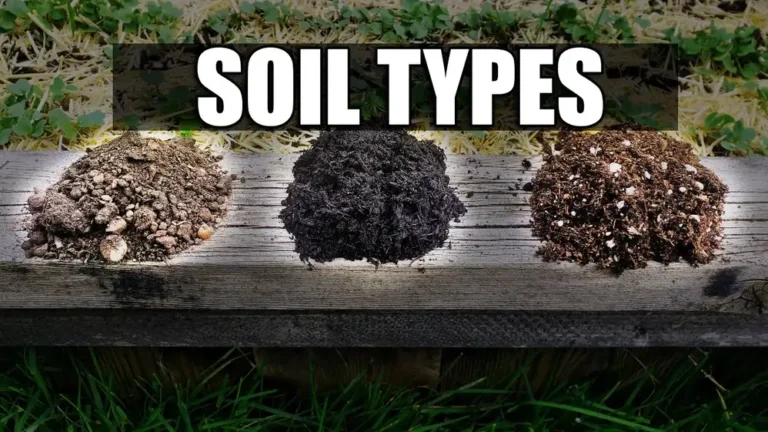
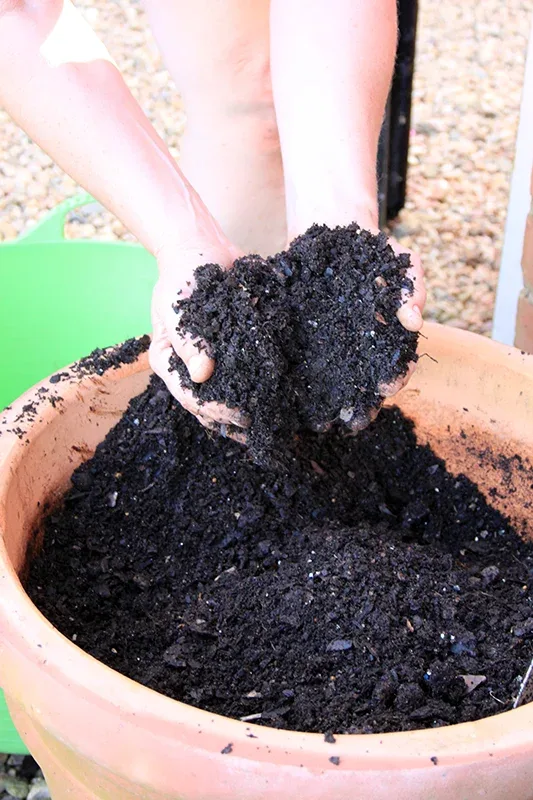
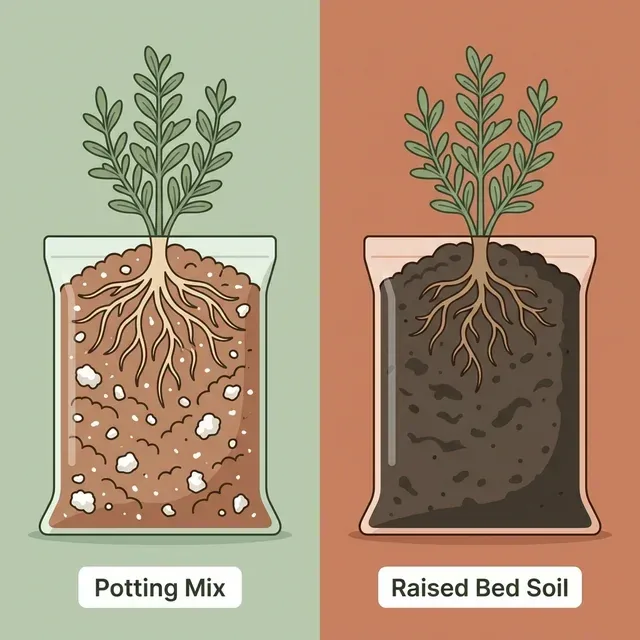
A potting mix is a growing medium for plants in containers, not simply garden soil scooped into a bag. It needs to support roots in a limited space where rain, soil life, and ground moisture are less available. If you want a plain-language breakdown of what potting soil contains, compare ingredients with the plant and pot you have in mind.
Check whether the bag says indoor, outdoor, houseplant, seed starting, or all-purpose. Those labels give you a useful first filter, but then check the plant’s own care needs. A leafy tropical houseplant, a tray of seedlings, and a patio tomato may all need different balances of moisture, drainage, and nutrients.
Check how the mix handles water
The soil should hold enough water for roots to take it up while letting excess drain away. A mix that dries very fast can demand frequent watering, while a mix that stays wet too long can leave roots short of air. Look for ingredient descriptions such as coir or peat moss for moisture management, and perlite or pumice when faster drainage and air space matter.
A moisture-control label can be helpful if your containers dry unevenly, but it does not replace a pot with drainage holes. Consider the room or patio, too. Strong sun, heat, and wind can make a container dry faster than a shaded indoor shelf.
Choose the bag size before you buy
Bag volume is usually shown in quarts, and the coverage note can help you estimate what a bag will fill. As a rough buying approach, compare the listed coverage with your pot size and leave room for the root ball; don’t assume a bag fills every container with the same outside dimensions. Tall, wide, and tapered pots can hold very different amounts.
For a one-pot job, a small bag may be easier to store and handle. If you have several containers, a larger bag or a multi-pack may reduce interruptions, as long as you have a dry place to keep leftovers. If price is a concern, compare the amount of soil you actually need with the cost and storage burden of a larger quantity; lower-cost potting soil options can be useful when you’re planning a bigger planting job.
Read the fertilizer information
Some mixes include fertilizer, and the stated feeding period can range from an initial feed to several months. Check whether the bag describes quick-release or slow-release nutrients and follow the package directions. Adding more fertilizer immediately can be unnecessary, and plant-specific feeding needs still matter.
For herbs and vegetables, follow the crop’s care instructions as well as the soil label. For seedlings, don’t assume that a mix intended for established container plants is automatically ideal for germination. The label should make the intended use clear enough to guide your next step.
Decide whether ingredients matter to you
Ingredient preferences can narrow your choices. Some bags describe peat-free formulations, organic ingredients, coir, bark, compost, or mineral amendments. One ingredient does not make a mix suitable for every plant, so use the whole blend and the stated purpose to guide the decision.
If you specifically want an organic blend, read the product’s stated materials and any listing information carefully rather than treating “organic” as a guarantee of a particular growing result. A comparison of organic potting soil choices can help you see what ingredients and intended uses to check. Always match the final pick to the plant, container, and care routine.
How to Use Potting Soil for the Best Results
Use fresh potting soil in a container with drainage, then water thoroughly and let excess water escape. A few minutes of preparation can prevent a messy repot and reduce the chance of burying a plant too deeply.
- Choose a pot with drainage openings, and use a saucer if you need to protect the surface below it.
- Check the plant’s needs and read the soil bag’s directions before adding fertilizer or amendments.
- Add enough mix to support the root ball at its previous soil level.
- Loosen the outside of a tightly bound root ball gently, without tearing healthy roots apart.
- Set the plant in the center and add soil around the roots, leaving a little space below the rim for watering.
- Press the mix lightly to remove large air gaps, but don’t pack it down hard.
- Water until the mix is evenly moist and excess drains out, then empty standing water from the saucer.
- Place the pot where the plant’s light and temperature needs are met, and check the soil before the next watering.
For seeds, follow the seed packet’s depth and moisture directions. A seedling’s needs can differ from those of an established plant, so don’t bury seeds just because the bag is marketed for seed starting.
How to Make Your Potting Soil Last Longer
Store unused potting soil dry, closed, and out of direct weather. The goal is to keep rain from soaking the bag and to limit spills, contamination, and pests while the soil waits for your next planting.
Before storing an opened bag, fold or close the top securely and place it somewhere protected from rain and standing water. Keep it off a damp floor if possible, and don’t store it where a torn bag can spill into a walkway. Follow any storage advice printed on the package.
Use clean pots and tools when repotting, especially if a previous plant had pests or disease. Old soil from a sick plant may carry problems, so don’t automatically reuse it for a new plant. For routine care, check moisture by touching the soil rather than watering on a fixed schedule, and avoid keeping the bag or planted container constantly wet.
Potting soil can lose structure and nutrients as it breaks down, and used mix may not be suitable for every new planting. When repotting, look for compacted, sour-smelling, or persistently soggy soil and consider replacing it if the plant’s roots are struggling. Don’t add fertilizer just because a plant looks unhappy; first check water, light, drainage, and the root condition.
Common Mistakes to Avoid When Buying and Using Potting Soil
Small decisions around the bag and container can make a bigger difference than a long list of soil claims. Avoid these common mismatches before you start planting.
- Using garden soil in a pot: It may not behave like a container mix. Use soil labeled for pots and containers.
- Ignoring drainage holes: Excess water has nowhere to go. Pick a draining pot or change the container before planting.
- Buying by bag size alone: A small bag may run out midway. Estimate the pot volume and check the stated coverage first.
- Assuming every plant wants the same mix: Root and moisture needs vary. Check the plant’s care requirements before choosing an all-purpose blend.
- Adding fertilizer without checking the label: Some mixes already include plant food. Read the feeding period and directions before adding more.
- Watering by calendar only: Rooms and weather change how quickly soil dries. Check the soil and plant before watering again.
- Packing soil tightly around roots: Hard-packed mix reduces open spaces around roots. Settle the soil gently and water it in.
- Storing an open bag outdoors: Rain can soak the remaining mix. Close it and keep it in a dry, protected place.
How to Set Up Potting Soil for a New Container
Potting soil needs little preparation, but the container and planting depth still need attention. Set up the pot first so you’re not holding a plant while looking for a drain hole or a clean tool.
- Choose the pot: Match its size to the plant and confirm that it has drainage openings. If the container has no way for water to escape, use a different pot or a suitable inner pot.
- Protect your work area: Put down a tray or work outdoors. Dry potting mix can spill easily, and wet mix is harder to clean from a floor.
- Read the bag: Check the stated use, fertilizer information, and planting directions. Don’t add extra feed until you know what the mix already contains.
- Moisten dry mix if needed: Add a little water and turn the mix gently if it is dusty or difficult to wet. Avoid soaking it before planting.
- Add a base layer: Fill the pot enough to bring the root ball to the right height. The plant should sit at about its previous soil level, not buried up to its leaves.
- Position the plant: Center the root ball and loosen only tightly circling roots. Handle the plant gently to avoid unnecessary damage.
- Fill around the roots: Add soil in small amounts and press lightly. Leave space below the rim so water does not spill over immediately.
- Water and drain: Water thoroughly, let extra water run out, and empty the saucer. Check the soil again before watering next time.
Common Questions About Potting Soil
Is potting soil different from garden soil?
Yes, potting soil is meant for plants growing in containers, while garden soil is intended for outdoor ground planting. Containers need a mix that can support roots and manage water in a confined space. Check the bag for container use rather than assuming any soil will work in a pot.
How much potting soil do I need for a 12-inch pot?
The amount depends on the pot’s shape and depth, and on the size of the plant’s root ball. Some bags state that they fill one 12-inch container, but that coverage is an estimate. Check the bag’s guidance and buy a little extra if running short would interrupt your planting.
Should I add fertilizer to potting soil?
Only add fertilizer after checking whether the mix already contains it and reading the feeding directions. Some blends state a feeding period, while others may need a separate feeding plan. Plant needs vary, so use the soil label and plant-care instructions together rather than adding fertilizer automatically.
How often should I water plants in potting soil?
There isn’t one schedule that works for every pot or plant. Check the soil and consider the plant’s needs, pot size, light, temperature, and weather. A sunny outdoor container may dry faster than an indoor pot, so feel the mix before watering instead of relying on the day of the week.
Can I reuse potting soil from an old plant?
Sometimes, but don’t reuse it automatically, especially if the previous plant had pests, disease, or persistent root problems. Old mix can break down and may not have the structure or nutrients a new plant needs. Clean the pot and check the plant’s requirements before deciding whether fresh soil is the safer choice.
How should I store an opened bag of potting soil?
Close the bag securely and keep it in a dry place protected from rain and standing water. A closed, sheltered bag is easier to keep clean and ready for later use. Follow any storage directions on the package, and discard soil that has become contaminated or smells persistently sour.
Make Your Next Potting Soil Choice Easy
Before you buy, write down what you’re planting, how many containers you need to fill, and whether the pots will be indoors or outside. Then compare the bag’s stated use, volume, drainage and moisture ingredients, and fertilizer directions with that short list; that simple check is the best way to avoid running out or choosing a mix your plants don’t need.