Sea Foam may help loosen some oil deposits inside an engine when used as directed, but it is not a reliable or approved method for cleaning a faulty oil pressure sensor. If the sensor has internal electrical damage, a worn diaphragm, or a failed pressure switch, an oil additive will not repair it.
For drivers in the United States, an oil pressure warning light is a reason to check the engine’s lubrication system before continuing to drive. The warning can indicate genuinely low oil pressure, a defective oil pressure sensor, damaged wiring, or another problem. Treating the engine with an oil additive without identifying the cause can delay an important repair.
Sea Foam Motor Treatment is an engine additive intended for use in specified applications, including engine crankcases when permitted by the product instructions. Its ability to help with certain deposits does not establish that it can clean or restore an oil pressure sensor. The appropriate approach is to verify actual oil pressure, inspect the sensor and its electrical connection, and determine whether cleaning or replacement is justified.
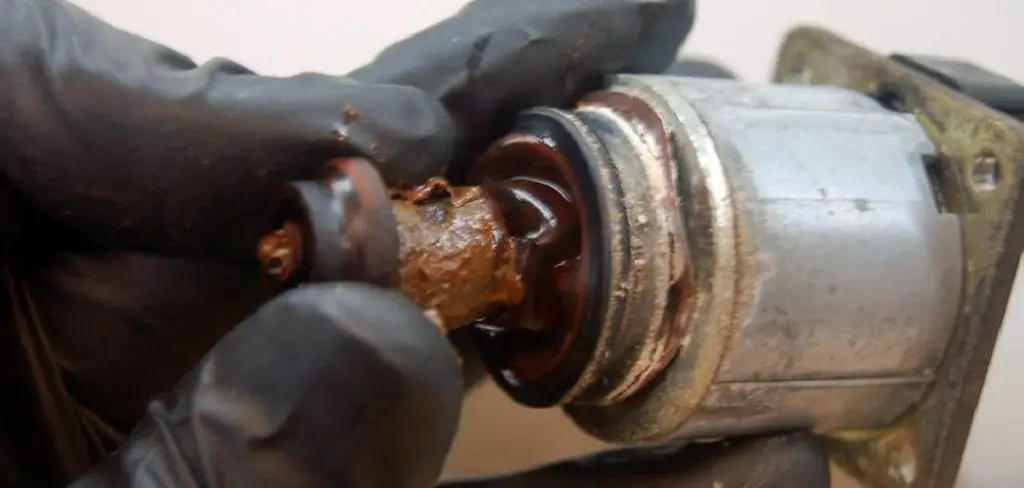
Source: safetywish.com
Will Sea Foam Clean an Oil Pressure Sensor?
Sea Foam might help loosen certain oil-related deposits within an engine when used according to its label, but there is no established guarantee that it will clean an oil pressure sensor or correct an inaccurate reading. The product is not a substitute for diagnosing the sensor, its wiring, or the engine’s actual oil pressure.
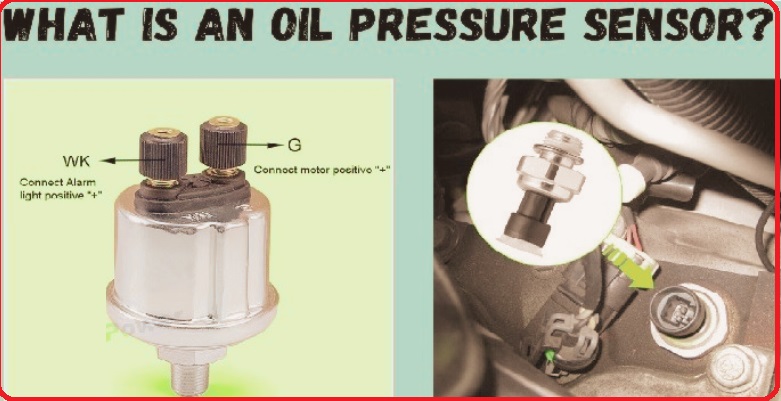
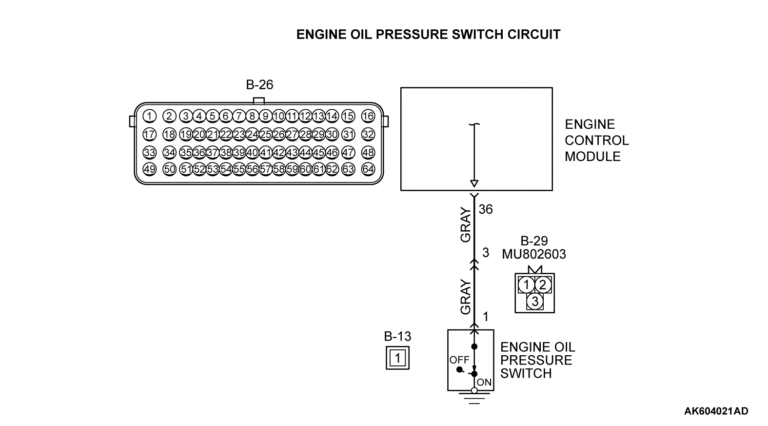
An oil pressure sensor measures pressure in the engine’s lubrication system and sends a corresponding electrical signal to the vehicle’s engine control module, instrument cluster, or other monitoring system. Some vehicles use a pressure switch that primarily signals whether pressure is above or below a threshold rather than reporting a continuous measurement.
Because these components can fail electrically or mechanically, dissolving deposits elsewhere in the engine may have no effect on the underlying fault. A warning light that remains on after adding Sea Foam should not be considered evidence that the engine needs more additive.
Source: seafoam.ca
When deposits may be relevant
Sludge or debris around an oil passage could restrict oil flow or affect pressure delivery. The restriction must be confirmed and addressed using a method suitable for the engine.
When Sea Foam will not help
An internally failed sensor, corroded connector, damaged wire, failed reference circuit, or genuine loss of oil pressure will not be reliably repaired by adding an oil treatment.
Why diagnosis matters
Replacing a sensor without checking actual pressure can miss serious engine wear, while adding an oil cleaner to an engine with low pressure can delay necessary repairs.
What Sea Foam Can and Cannot Do
Sea Foam Motor Treatment is formulated for specified fuel and crankcase applications, subject to the product’s current label. In an approved crankcase application, it may help address certain deposits under the stated conditions. That is different from directly cleaning a sensor’s internal mechanism or repairing its electrical components.
Do not assume that a product described as an engine cleaner can safely dissolve every deposit, clear every oil passage, or restore a damaged sensor. Follow the exact product instructions for the vehicle and engine, including application limits and oil-change guidance.
Potentially useful application
A label-approved crankcase treatment may help with certain engine deposits when the engine is otherwise suitable for the treatment.
Unsupported repair expectation
There is no reliable basis for expecting Sea Foam to repair an internally defective oil pressure sensor or guarantee that a blocked passage will clear.
Why an Oil Pressure Sensor May Give an Incorrect Reading
An incorrect oil pressure reading can come from the sensor, the wiring, the instrument display, or the engine itself. These possibilities must be separated before choosing a cleaning method or replacement part.
Oil pressure changes with engine speed, oil temperature, oil viscosity, and engine condition. A reading that changes between a cold start and a fully warmed engine is not automatically evidence of a defective sensor. Compare the reading with the manufacturer’s specifications under the specified test conditions.
Source: theengineeringknowledge.com
Contamination around the sensor port
Sludge or debris can sometimes obstruct a pressure passage or affect the pressure reaching a sensor. Inspect the relevant passage if testing or service information indicates a restriction.
Internal sensor failure
Heat, vibration, age, or internal component wear can cause a sensor or pressure switch to report inaccurate information.
Electrical connection problems
Loose terminals, damaged insulation, corrosion, or a poor ground where applicable can disrupt the signal.
Actual low oil pressure
Low oil level, incorrect oil viscosity, a lubrication-system restriction, pump problems, or worn engine bearings can cause real pressure loss.
Can Sludge Make an Oil Pressure Sensor Stop Working?
Sludge can contribute to lubrication problems and may obstruct a narrow oil passage, depending on the engine design and the location of the deposits. However, visible oil residue on a sensor does not prove that sludge caused the warning light or inaccurate reading.
Some sensors have a pressure port exposed to engine oil, while their electrical elements are sealed. Cleaning external oil residue cannot restore damaged internal electronics. If the sensor’s pressure port is contaminated, use the vehicle manufacturer’s service procedure to determine whether cleaning is permitted or replacement is required.
Check the location of contamination
External grime, deposits inside an oil passage, and oil entering an electrical connector are different conditions that require different diagnostic steps.
How to Diagnose an Oil Pressure Sensor Before Using Sea Foam
The safest starting point is to establish whether the engine has adequate oil pressure. Do not begin by adding an engine treatment or replacing the sensor based only on a warning light.
If the red oil pressure warning appears while the engine is running, safely pull over, shut the engine off, and check the oil level after following the owner’s manual. If the warning persists, the engine makes unusual knocking or ticking noises, or the dipstick shows little or no oil, arrange professional assistance rather than continuing to drive.
Source: carsensorhub.com
1. Check the oil level
Park on a level surface and follow the owner’s manual for checking the dipstick or electronic oil-level display. Add the specified oil only if the level is low, and do not overfill.
2. Inspect for leaks and visible damage
With the engine off and cool enough to inspect safely, look for oil leaks, damaged wiring, loose connectors, and visible damage around the sensor. Avoid touching hot engine components.
3. Scan for diagnostic trouble codes
A compatible scan tool may reveal oil pressure sensor circuit codes or related faults. A code identifies a circuit or signal problem, not necessarily a failed sensor by itself.
4. Verify actual oil pressure
A qualified technician can install a suitable mechanical pressure gauge at the specified test port and compare the results with the manufacturer’s pressure specifications for the correct engine temperature and speed.
5. Test the sensor circuit
If actual oil pressure is within specification, test the sensor, connector, wiring, and relevant control-system circuits using the vehicle-specific service procedure.
How to Interpret the Results
If mechanical oil pressure is below specification, investigate the lubrication system rather than trying to clean the sensor. If mechanical pressure is normal but the dashboard reading is incorrect, the sensor, wiring, or display system becomes a more likely suspect.
If pressure is normal and the sensor port is demonstrably contaminated, follow the manufacturer’s instructions for cleaning or replacing the component. Some designs are not intended to be disassembled or cleaned internally, so replacement may be the appropriate repair.
Low mechanical pressure
Stop running the engine until the cause is identified. Possible causes include inadequate oil supply, a blocked pickup, a pump problem, or internal engine wear.
Normal pressure with an incorrect reading
Check the sensor signal, electrical connections, wiring continuity, and instrument or control-module data before replacing parts.
Should You Pour Sea Foam Into the Oil Pressure Sensor Opening?
No. Do not pour Sea Foam directly into the sensor opening as a general cleaning method. The opening connects to an oil pressure passage, and introducing a cleaner there without an approved service procedure can contaminate the area, introduce debris, or create an incorrect repair.
Do not spray solvent into the sensor’s electrical connector or attempt to soak a sealed sensor. Electrical cleaners and oil-compatible cleaning products have different purposes, and neither should be assumed safe for every sensor material or sealing component.
If the sensor must be removed, follow the vehicle’s service instructions for engine temperature, pressure-port access, thread type, sealing method, and installation torque. Keep dirt out of the opening and use only the specified replacement sealant or gasket.
Source: i.ytimg.com
Avoid improvised chemical flushing
Do not combine Sea Foam with other cleaners, solvents, or engine additives unless the relevant product and vehicle instructions expressly permit the combination.
Protect the electrical connector
Disconnect electrical components only as directed by the service procedure, and use a compatible electrical contact cleaner when cleaning a connector is appropriate.
Avoid forcing a blocked passage open
Do not push wire, metal picks, or compressed air into a delicate sensor or oil passage without an approved procedure. Debris can be driven deeper or damage the component.
Can You Clean a Removed Oil Pressure Sensor?
Whether a removed sensor can be cleaned depends on its design and the manufacturer’s instructions. External oil and dirt may be removable from suitable surfaces, but cleaning the outside is not the same as restoring internal operation.
If the pressure port is obstructed and the manufacturer permits cleaning, use the specified method and a compatible product. If the sensor is sealed, electrically faulty, or still inaccurate after permitted cleaning, replace it with the correct part rather than repeatedly applying chemicals.
External cleaning
Clean accessible exterior surfaces with a compatible method while keeping liquids away from electrical cavities and avoiding damage to the pressure port.
Internal failure
A defective pressure transducer or switch generally requires replacement rather than chemical treatment.
Sea Foam vs. Cleaning or Replacing an Oil Pressure Sensor
The best option depends on the confirmed fault. Sea Foam is an engine treatment, sensor cleaning is a component-maintenance procedure when permitted, and sensor replacement addresses a defective component. These approaches are not interchangeable.
The comparison below explains which approach fits each condition. It is a troubleshooting guide, not a claim that any particular cleaning product has been tested on every sensor design.
Source: i.ytimg.com
Choosing the Appropriate Repair
Use the confirmed diagnosis to choose the next step. If pressure is low, investigate the engine’s lubrication system. If pressure is normal and the signal is inaccurate, test the sensor circuit and replace the faulty component if necessary.
Sea Foam
Consider it only for an appropriate, label-approved engine application. Do not rely on it to repair a sensor or correct a pressure warning.
Sensor cleaning
Use only when contamination is identified and the manufacturer permits cleaning. The procedure must protect the electrical components and pressure passage.
Sensor replacement
Use the correct replacement part when the sensor has failed, cannot be cleaned as specified, or remains inaccurate after the relevant circuit checks.
Lubrication-system repair
Investigate low pressure, sludge-related restrictions, pump problems, or internal engine wear rather than treating the warning as a sensor-only problem.
What If the Oil Pressure Warning Remains After Using Sea Foam?
If the warning remains after using Sea Foam, do not add more product simply to try to clear the light. The warning may reflect genuine low pressure or an electrical fault that an engine additive cannot repair.
Check the oil level and follow the vehicle manufacturer’s instructions. If the warning is red, stays illuminated with the engine running, or appears with abnormal engine noise, shut the engine off and arrange a diagnosis. Do not restart it repeatedly to see whether the light disappears.
If a qualified pressure test confirms that oil pressure is within specification, the next step is to inspect the sensor signal and related circuits. Replacing a sensor without checking the wiring may leave the original problem unresolved.
Source: i.ytimg.com
Warning remains and actual pressure is low
Stop running the engine and arrange inspection of the oil supply, filter, pickup, pump, pressure passages, and possible internal wear.
Warning remains but actual pressure is normal
Diagnose the sensor, electrical circuit, instrument cluster, and applicable control-module data.
Warning disappears temporarily
Do not assume the problem is repaired. Intermittent faults can occur with temperature, vibration, wiring movement, or changing engine conditions.
Frequently Asked Questions
Q
Can Sea Foam fix a bad oil pressure sensor?
No reliable evidence establishes Sea Foam as a repair for a bad oil pressure sensor. It may help with certain engine deposits when used as directed, but it cannot be expected to repair failed electronics, worn internal components, damaged wiring, or a defective pressure switch. Diagnose the fault before choosing a repair.
Q
Can Sea Foam unclog an oil pressure sensor?
Sea Foam should not be relied on to unclog an oil pressure sensor or its oil passage. A deposit-related restriction must be confirmed, and any cleaning procedure should follow the vehicle manufacturer’s instructions. If a passage is seriously obstructed, professional inspection may be necessary.
Q
Can I spray brake cleaner on an oil pressure sensor?
Do not assume brake cleaner is safe for an oil pressure sensor. Its solvents may be incompatible with plastics, seals, coatings, or electrical components, and some formulations are unsuitable for certain applications. Follow the sensor manufacturer’s cleaning instructions or replace the component if cleaning is not permitted.
Q
Will Sea Foam turn off the oil pressure warning light?
Sea Foam is not a dependable way to turn off an oil pressure warning light. The light may indicate genuine low pressure, a faulty sensor, damaged wiring, or a display-system problem. If the warning stays on while the engine runs, shut the engine off and verify the cause before driving.
Q
Should I change the oil after using Sea Foam in the crankcase?
Follow the current Sea Foam product label and the vehicle manufacturer’s oil-change requirements. Some crankcase applications specify adding the product before an oil change, while other instructions may differ by product and application. Do not exceed the stated dosage or continue operating an engine with an oil pressure warning simply to complete a treatment.
Q
How do I know whether the oil pressure sensor or the oil pump is bad?
A mechanical oil pressure test is a key diagnostic step. Pressure below the manufacturer’s specification points toward a lubrication-system problem that may involve the oil supply, pickup, pump, passages, or internal engine wear. Normal mechanical pressure combined with an incorrect dashboard reading makes a sensor, wiring, or display fault more likely, but further testing is still needed.
✦ Wrapping Up
Conclusion
Sea Foam may help address certain engine deposits when used according to its instructions, but it is not a proven solution for cleaning or repairing an oil pressure sensor. A sensor can give incorrect readings because of internal failure, electrical problems, contamination, or an underlying lubrication-system fault, and each cause requires a different response.
Before adding an engine treatment or replacing the sensor, check the oil level, inspect accessible wiring, and verify actual oil pressure when needed. If the pressure is low or the warning is accompanied by unusual engine noise, stop running the engine and seek qualified diagnosis to avoid potentially severe damage.
💡 Key Takeaway
Do not use Sea Foam as a substitute for oil pressure diagnosis. Check the oil level, stop the engine if the warning persists, and have actual pressure and the sensor circuit tested before deciding whether cleaning, replacement, or lubrication-system repair is needed.
Ethan Brooks is an automotive writer at Auto News 7, covering car news, vehicle maintenance, new model updates, recalls, and practical buying guides. He focuses on clear, useful information that helps drivers understand their vehicles and make better ownership decisions.
Learn how to fix a camshaft position sensor with step-by-step troubleshooting, testing, replacement instructions, common symptoms, costs, and repair tips.
Learn how to test an oil pressure sensor with a multimeter and mechanical gauge, identify wiring faults, and separate sensor problems from real low oil pressure.
Is a coolant temperature sensor easy to replace? Learn how difficult the repair is, what tools you need, replacement steps, safety precautions, and when to call a mechanic.
Learn how to replace camshaft position sensor bank 1 with a clear step-by-step process, required tools, troubleshooting tips, and safety advice for DIY vehicle owners in the USA.
Learn how to test a Nissan knock sensor using a multimeter, scan tool, and visual inspection. Follow this step-by-step guide to diagnose knock sensor problems on Nissan vehicles.