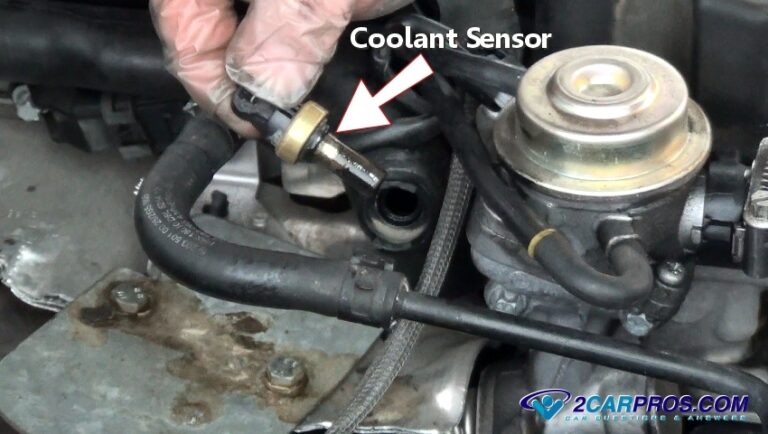
The coolant temperature sensor tells the engine control unit how hot or cold the engine coolant is. The ECU uses that information to adjust fuel delivery, ignition timing, cooling-fan operation, cold-start strategy, and other engine-management functions.
In vehicles sold in the United States, the engine coolant temperature sensor is a key input to the electronic engine-management system. Rather than controlling the coolant directly, the sensor measures coolant temperature and sends an electrical signal to the engine control unit, or ECU. The ECU then uses that temperature information along with inputs from other sensors to determine how the engine should operate.
The exact functions controlled from the coolant-temperature signal vary by vehicle, engine, and control-system design. Common applications include enriching the mixture during a cold start, changing injection timing and ignition timing as the engine warms, managing radiator-fan operation, supporting emissions control, and helping protect the engine when an abnormal temperature condition is detected. This distinction matters because the sensor is an information source; the ECU and associated actuators perform the actual control.
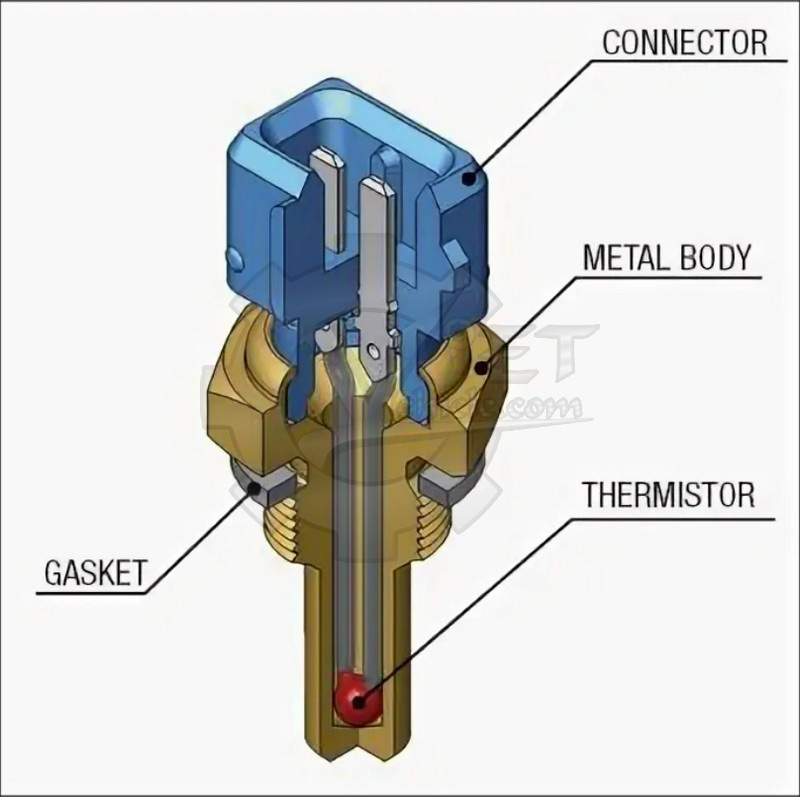
Source: vietvehicle.org
How the Coolant Temperature Sensor Controls Engine Operation
The coolant temperature sensor controls engine operation indirectly. It detects the temperature of the engine coolant and converts that temperature into an electrical signal that the ECU can interpret. Most automotive coolant temperature sensors use a thermistor whose electrical resistance changes as temperature changes.
As coolant temperature rises, the sensor’s electrical characteristics change. The ECU interprets the resulting signal as a temperature value and combines it with information such as engine speed, airflow, throttle position, and oxygen-sensor feedback. The control system can then change engine operating parameters to match cold, warm, hot, or abnormal conditions.
This means the most accurate answer to what does the coolant temperature sensor control is that it provides temperature information used to control several engine functions. The sensor itself is not the component that mechanically opens the thermostat or physically moves the radiator fan.
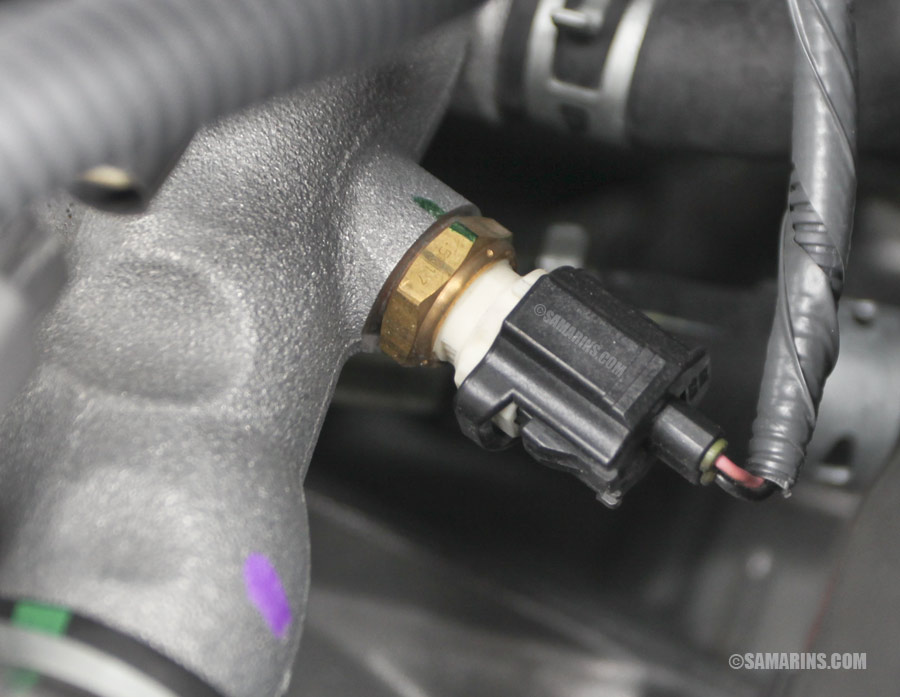
Source: samarins.com
Fuel delivery
The ECU can use coolant temperature to determine how much fuel the engine needs, especially during cold starting and warm-up.
Ignition timing
Coolant temperature can be used as an input for ignition-timing adjustments appropriate to engine operating conditions.
Cooling fan operation
On many modern vehicles, the ECU uses coolant-temperature information as part of the strategy for switching or modulating electric cooling fans.
Cold-start strategy
A cold engine generally requires different fueling and control parameters from a fully warmed engine, and coolant temperature helps the ECU identify that condition.
Engine protection
Temperature information can contribute to warning, diagnostic, or protective strategies when the engine becomes excessively hot or the temperature signal is implausible.
What Does the Coolant Temperature Sensor Control Specifically?
The exact list depends on the vehicle’s engine-management architecture, but several functions commonly rely on the coolant-temperature signal. The most important are fuel control, ignition control, cooling management, and temperature-related diagnostics.
Because modern engine-management systems coordinate multiple sensors and actuators, coolant temperature is rarely used in isolation. The ECU compares the sensor’s reading with other operating conditions before making control decisions. For example, the ECU may use coolant temperature together with engine speed and airflow when determining fuel requirements.
A vehicle’s service information should be used for model-specific functions. Two vehicles can use the same basic type of coolant temperature sensor but apply its signal differently.
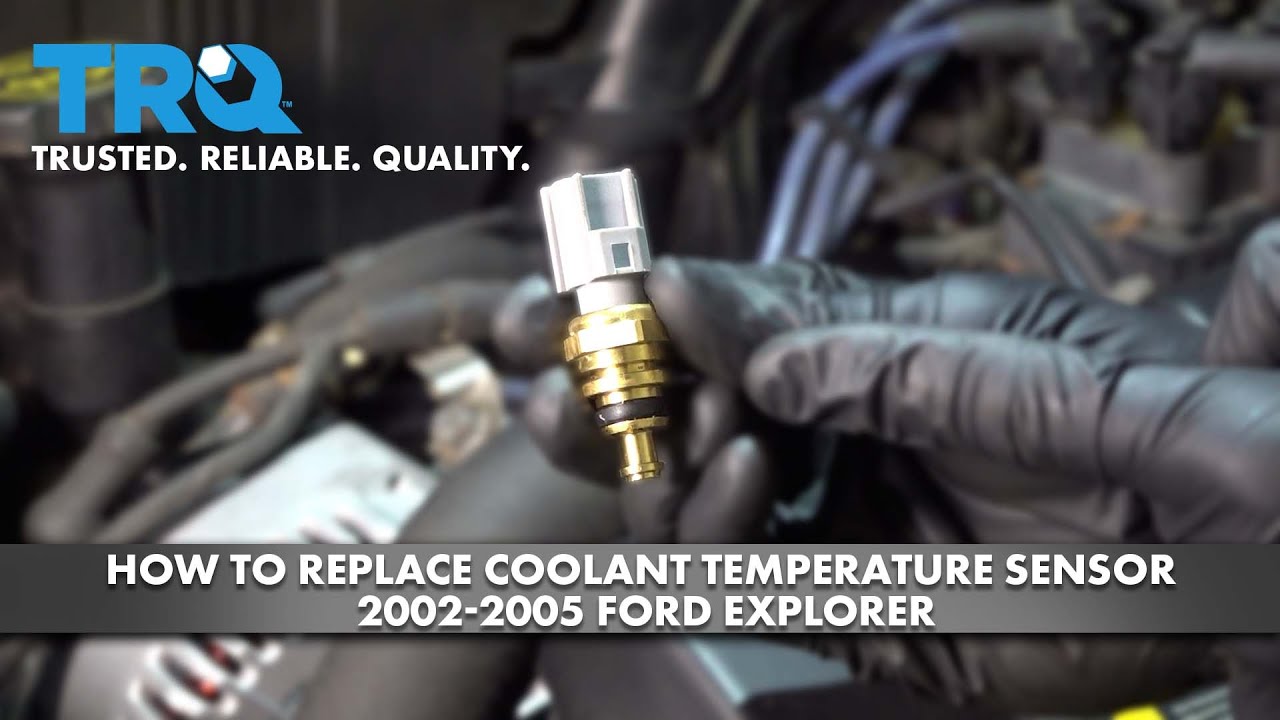
Source: i.ytimg.com
Fuel mixture
When the engine is cold, the ECU can command additional fuel or otherwise modify mixture control to support stable operation. As the engine reaches operating temperature, the strategy changes.
Injection timing
The coolant-temperature signal can be considered when the ECU determines appropriate fuel-injection timing for the current operating state.
Ignition timing
Engine temperature is one of the inputs that can influence ignition timing. The ECU can use temperature information to select an appropriate timing strategy.
Radiator fan strategy
On vehicles using ECU-controlled electric fans, rising coolant temperature can contribute to a command that turns a fan on, increases fan speed, or keeps the fan operating.
Emissions management
Engine temperature affects combustion and emissions-control strategies, so coolant temperature can be an important input during warm-up and normal operation.
What Happens During a Cold Start?
During a cold start, the coolant temperature sensor helps the ECU recognize that the engine has not yet reached normal operating temperature. That information is important because a cold engine behaves differently from a fully warmed engine.
The ECU can respond by changing fuel delivery and other engine-management parameters to support starting, idle stability, and warm-up. As coolant temperature increases, the ECU gradually changes its strategy rather than treating the engine as permanently cold.
A faulty sensor can therefore create noticeable starting or drivability problems. If the ECU receives a temperature value that is significantly colder or hotter than reality, it may select an inappropriate strategy for the actual engine condition.
Source: samarins.com
Cold engine
The ECU recognizes a low coolant temperature and can apply cold-start and warm-up strategies.
Warming engine
As the coolant temperature changes, the ECU continually updates its calculations and engine-control decisions.
Operating temperature
Once the engine reaches its normal temperature range, the ECU can use the sensor signal to maintain appropriate operating strategies.
Why a Wrong Temperature Reading Matters
The ECU depends on a plausible temperature signal. If the sensor, connector, wiring, or circuit produces an incorrect reading, the ECU may command fuel or other operating parameters that do not match the engine’s actual condition. Common reported symptoms include difficult starting, elevated fuel consumption, higher idle speed, and poor running behavior.
These symptoms do not prove that the coolant temperature sensor is defective. A thermostat problem, wiring fault, connector corrosion, cooling-system issue, or another sensor or engine-management fault can produce similar symptoms. Diagnosis should therefore verify the sensor signal and related circuits rather than replacing the sensor based on symptoms alone.
Do not diagnose by symptoms alone
Hard starting or poor fuel economy can have many causes, so the coolant temperature sensor should be tested against the vehicle manufacturer’s specifications.
Does the Coolant Temperature Sensor Control the Radiator Fan?
On many modern vehicles, coolant temperature is an important input for radiator-fan control, but the sensor does not directly power or mechanically operate the fan. The ECU or a dedicated fan-control circuit receives temperature information and determines when fan operation is required.
When coolant temperature rises, the control system may command the electric radiator fan to operate. Depending on the vehicle, fan operation can involve one or more speeds, pulse-width modulation, a dedicated fan-control module, relays, or other control hardware. Some cooling systems use additional temperature inputs and operating conditions rather than relying on a single sensor.
This distinction is useful when diagnosing an overheating vehicle. A fan that does not operate does not automatically mean the coolant temperature sensor has failed. The fan motor, fuse, relay, wiring, control module, ECU command, and temperature input may all need to be checked.
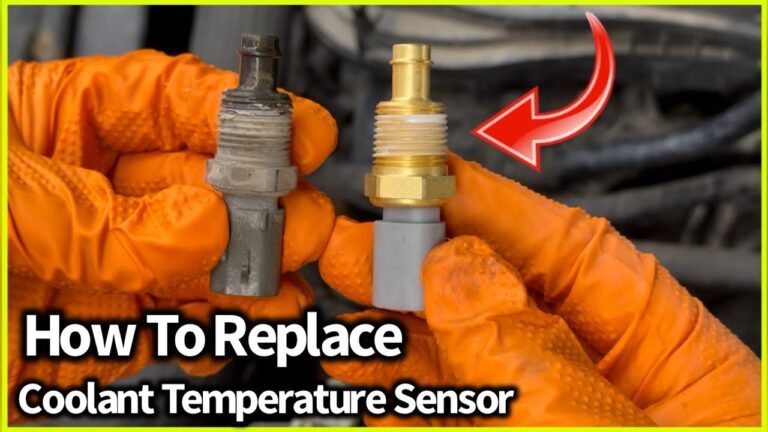
Source: i.ytimg.com
Sensor
Measures coolant temperature and supplies an electrical signal.
ECU or control module
Interprets temperature and other operating information and determines the appropriate fan-control strategy.
Fan circuit
Relays, modules, wiring, and the fan motor carry out the commanded cooling action.
Thermostat
The thermostat regulates coolant flow according to its design. It is a separate component from the coolant temperature sensor.
Sensor Versus Thermostat
The coolant temperature sensor and thermostat perform different jobs. The sensor measures temperature for an electrical control system, while a conventional thermostat mechanically regulates coolant flow through the engine and radiator. Some newer vehicles use electronically controlled thermal-management systems, but the temperature sensor remains an information source rather than simply being another name for the thermostat.
This difference explains why a vehicle that runs too cool or too hot cannot automatically be diagnosed with a bad coolant temperature sensor. A thermostat stuck open can cause slow warm-up, while a thermostat stuck closed can contribute to overheating. The sensor can also be checked independently for signal accuracy.
Symptoms of a Coolant Temperature Sensor Problem
A failed or inaccurate coolant temperature sensor can affect engine operation because the ECU may receive an incorrect representation of engine temperature. Common symptoms reported in technical service information include difficult starting, elevated idle speed, increased fuel consumption, and abnormal engine-management behavior.
A malfunction can also set a diagnostic trouble code when the ECU detects an electrical fault, implausible signal, or another condition associated with the temperature circuit. However, the presence of a temperature-related fault code does not always mean the sensor itself is defective. The wiring, connector, power supply, ground, or related components must also be considered.
If the vehicle is overheating, do not assume that replacing the sensor will solve the problem. Cooling-system faults involving coolant level, thermostat operation, radiator airflow, coolant circulation, fan operation, or other components can also cause excessive engine temperature.
Source: samarins.com
Hard starting
An incorrect temperature signal can cause the ECU to select an unsuitable starting strategy.
Higher fuel consumption
An incorrect cold-temperature signal can contribute to excessive fueling under some conditions.
High or abnormal idle
Incorrect temperature information can affect engine-management calculations that influence idle behavior.
Check engine light
The ECU may store a diagnostic trouble code when it detects a sensor-circuit or signal problem.
Cooling fan behavior changes
Depending on the control strategy, an implausible temperature signal can contribute to unusual fan operation.
How to Diagnose the Problem
Start with a diagnostic scan when appropriate and inspect the coolant temperature reading under known conditions. A cold-soaked engine should generally report a temperature that is reasonably consistent with the surrounding conditions, although exact acceptable differences depend on the vehicle and sensor system.
Next, inspect the sensor connector and wiring for corrosion, damaged terminals, broken conductors, or poor connections. If testing resistance or voltage, use the manufacturer’s specifications because coolant temperature sensors do not all use identical resistance curves or electrical configurations.
A multimeter can be useful for testing resistance, circuit continuity, and supply voltage when the vehicle’s service procedure calls for those checks. A scan tool can also help compare the reported coolant temperature with other available temperature readings and observe how the signal changes as the engine warms.
Check the stored codes
Use a compatible scan tool and record relevant diagnostic trouble codes before clearing them.
Inspect the connector
Look for corrosion, damaged terminals, loose connections, or contamination.
Verify the signal
Compare the measured or scan-tool temperature with manufacturer specifications and actual engine conditions.
Test related circuits
Check wiring continuity, shorts, supply voltage, and grounds when specified by the service procedure.
Common Misconceptions About the Coolant Temperature Sensor
The most common misunderstanding is that the coolant temperature sensor itself controls the entire cooling system. In reality, it measures temperature and provides information to the engine-management system. The ECU, fan controller, thermostat, relays, and other components may perform the actual control work.
Another misconception is that the temperature gauge always receives its information from the same sensor used by the ECU. Vehicle designs differ. Some vehicles use a shared temperature signal, while others use separate sensing circuits or additional temperature sensors. Always consult the service information for the specific year, make, model, and engine.
Finally, an overheating engine does not automatically indicate a bad coolant temperature sensor. An engine can overheat even when the sensor is working correctly, and a faulty sensor can sometimes report a normal-looking value while another cooling-system component is failing.
Source: i.ytimg.com
The sensor is not the thermostat
The sensor measures temperature; the thermostat regulates coolant flow in conventional systems.
The sensor does not usually power the fan
Fan operation is normally handled by a relay, module, ECU, or related control circuit.
A fault code does not prove sensor failure
The sensor circuit, connector, wiring, power supply, and other components can cause temperature-related diagnostic faults.
Vehicle design matters
The exact functions associated with coolant temperature vary by engine and model.
When Professional Diagnosis Makes Sense
If the engine is overheating, coolant is leaking, the temperature warning appears, or the vehicle develops severe drivability problems, diagnosis should not be delayed. Cooling-system faults can cause expensive engine damage if the vehicle continues operating at excessive temperature.
A qualified technician is particularly useful when the sensor tests within specifications but the ECU still reports an implausible temperature, when wiring faults are suspected, or when multiple cooling-system components appear to be involved. Vehicle-specific wiring diagrams and manufacturer test procedures can prevent unnecessary parts replacement.
Frequently Asked Questions
Q
What does the coolant temperature sensor control?
It primarily provides the ECU with engine coolant temperature information. The ECU can use that signal to control or adjust fuel delivery, ignition timing, cold-start operation, cooling-fan strategy, emissions-related functions, and temperature-related protection strategies, depending on the vehicle.
Q
Does the coolant temperature sensor control the thermostat?
A conventional thermostat is a separate component that mechanically regulates coolant flow. Some modern thermal-management systems use electronically controlled components, but the coolant temperature sensor still functions primarily as a temperature input rather than being the thermostat itself.
Q
Can a bad coolant temperature sensor cause poor fuel economy?
Yes. If the sensor incorrectly reports that the engine is colder than it really is, the ECU may use an unsuitable fueling strategy under some operating conditions. Increased fuel consumption is a recognized possible symptom, but other faults can produce the same result.
Q
Can a bad coolant temperature sensor cause overheating?
It can contribute to cooling-control problems on vehicles that use the coolant-temperature signal for fan management, but overheating has many possible causes. A failed fan, thermostat, coolant-flow problem, low coolant level, radiator restriction, water-pump problem, or other fault may be responsible.
Q
How do I know if my coolant temperature sensor is bad?
Do not rely on symptoms alone. Check diagnostic trouble codes, inspect the connector and wiring, observe the temperature reported by a scan tool, and test sensor resistance or circuit voltage according to the vehicle manufacturer’s specifications. The sensor should be replaced only after the diagnosis supports sensor failure.
✦ Wrapping Up
Conclusion
The coolant temperature sensor is an information device that helps the ECU understand the engine’s thermal condition. Its signal can influence fuel delivery, ignition timing, cold-start behavior, radiator-fan control, emissions strategies, and engine-protection decisions. The exact functions vary by vehicle, so model-specific service information remains the final authority.
When a vehicle develops hard starting, poor fuel economy, unusual idle behavior, temperature-related warning lights, or abnormal cooling-fan operation, the coolant temperature sensor is worth checking, but it should not be blamed without testing. The same symptoms can result from wiring faults, thermostat problems, cooling-system faults, or other engine-management components.
💡 Key Takeaway
If you suspect a coolant temperature sensor problem, begin with a scan for diagnostic trouble codes and an inspection of the sensor connector and wiring. Then verify the reported temperature and sensor circuit against the manufacturer’s specifications before replacing any parts.
Ethan Brooks is an automotive writer at Auto News 7, covering car news, vehicle maintenance, new model updates, recalls, and practical buying guides. He focuses on clear, useful information that helps drivers understand their vehicles and make better ownership decisions.
Learn how to replace a coolant temperature sensor connector safely, including diagnosis, wire splicing, connector installation, testing, and common mistakes.
Learn whether a bad knock sensor can cause knocking, how the sensor works, common symptoms, diagnosis steps, and when engine knocking requires immediate attention.
Learn how to check a 2002 Toyota Camry coolant temperature sensor with a multimeter, including resistance specifications for the 2.4L 2AZ-FE and 3.0L 1MZ-FE engines.