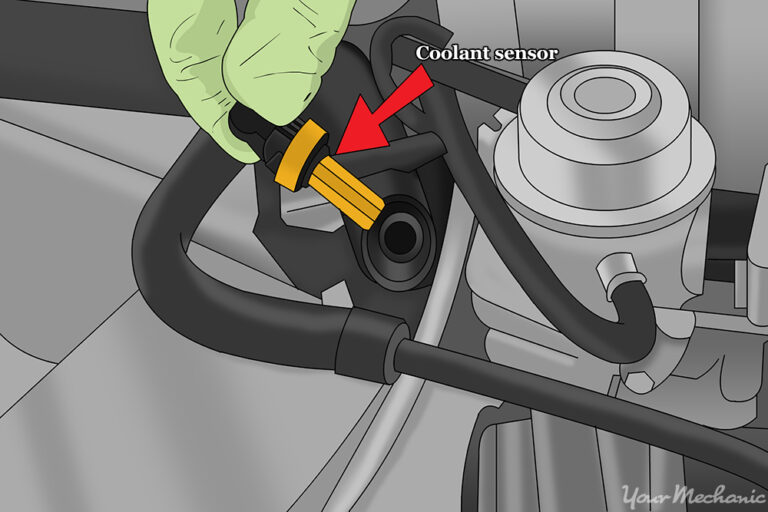
A Chevy Silverado coolant temperature sensor usually does not have a separate reset procedure. If the sensor or its wiring has been repaired, use an OBD-II scanner to clear the related diagnostic trouble code, then let the Silverado complete its normal self-checks. If the underlying fault remains, the check engine light and code can return.
For Chevrolet Silverado owners in the United States, resetting a coolant temperature sensor generally means clearing a diagnostic trouble code after correcting the problem rather than electronically resetting the sensor itself. The engine coolant temperature sensor sends temperature information to the powertrain control module, which uses that information for engine management and cooling-system control.
The exact sensor, connector, wiring, and diagnostic procedure vary by Silverado model year, engine, and configuration. GM parts information, for example, lists different engine coolant temperature sensors for different Silverado applications, so the correct part and service procedure should always be verified for the specific truck. A scanner is preferable to repeatedly disconnecting the battery because it allows you to read the stored code and verify whether the fault has actually been corrected.
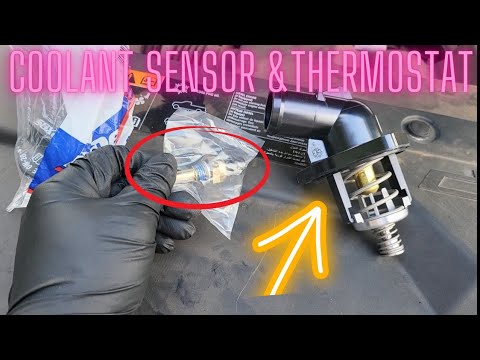
Source: i.ytimg.com
What Does It Mean to Reset the Coolant Temperature Sensor on a Chevy Silverado?
On a Chevy Silverado, resetting the coolant temperature sensor usually means resetting the vehicle’s diagnostic system after a coolant-temperature-related fault has been repaired. The sensor itself continuously measures engine coolant temperature and sends an electrical signal to the engine control system. There is normally no user-accessible reset button for the sensor.
When the control module detects an electrical or temperature-related problem, it can store a diagnostic trouble code and illuminate the check engine light. Clearing the code removes the stored fault from the active diagnostic memory, but it does not repair a defective sensor, damaged connector, broken wire, coolant leak, or other underlying problem.
This distinction matters because repeatedly clearing the code can hide an unresolved fault. The U.S. Environmental Protection Agency explains that OBD systems monitor vehicle systems, store diagnostic trouble codes when qualifying faults are detected, and use those codes to identify problems that require attention.
Source: i.ytimg.com
Sensor reset
Normally not a separate operation. The sensor resumes normal operation when it is correctly installed and its circuit is functioning.
Code reset
A scan tool can clear a stored diagnostic trouble code after the underlying problem has been corrected.
System verification
The most important step is confirming that coolant temperature data is plausible and that the fault does not return.
Why the Coolant Temperature Sensor Matters
The engine coolant temperature sensor provides temperature information used by the vehicle’s engine-management system. A faulty signal can affect cold-start behavior, fueling, engine operation, cooling-fan strategy, and the information displayed to the driver, depending on the Silverado’s model year and engine.
Cold-start information
The control system uses coolant temperature information when determining appropriate engine operation after startup.
Cooling-system control
Temperature information can be used by the vehicle’s control system when managing engine cooling.
When Should You Reset the Coolant Temperature Sensor Code?
Clear a coolant-temperature-related code after you have identified and corrected the cause. Common possibilities include a failed temperature sensor, damaged connector terminals, corroded wiring, an open or shorted circuit, poor electrical connections, or a problem elsewhere in the cooling system.
Do not assume the sensor is defective simply because a coolant-temperature code is stored. The diagnostic code identifies a monitored fault condition, not necessarily a failed component. Inspect the connector and wiring and compare the scan-tool temperature reading with the engine’s actual condition before replacing parts.
If the coolant temperature reading is implausible immediately after a cold start, for example, the electrical circuit or sensor may deserve investigation. If the reading behaves normally but the engine is genuinely overheating, the problem may be mechanical or cooling-system related rather than a sensor fault.
Source: i.ytimg.com
Before clearing the code
Record the exact diagnostic trouble code and inspect the sensor circuit, connector, wiring, coolant level, and related components.
After a sensor replacement
Confirm the replacement sensor is correct for the Silverado’s model year and engine, reconnect the circuit securely, and check for leaks.
After clearing the code
Monitor live coolant-temperature data and drive normally enough for the vehicle’s diagnostic system to evaluate the repaired circuit.
How to Reset a Coolant Temperature Sensor Code on a Chevy Silverado
The most reliable method is to diagnose the fault first and then use an OBD-II scan tool to clear the code. Silverado vehicles sold in the United States are equipped with onboard diagnostics that can store fault information and illuminate the malfunction indicator lamp when qualifying problems are detected.
Before beginning, park the truck safely, switch the ignition off, and allow the engine to cool if you need to inspect the sensor or cooling system. Do not remove a coolant surge-tank or radiator pressure cap from a hot system. Some Silverado models also use electric cooling fans that can operate even when the engine is not running, so keep hands, clothing, and tools away from the fan area.
Source: i.ytimg.com
Step 1: Confirm the problem
Use an OBD-II scanner to retrieve the stored diagnostic trouble code. Write down the code before clearing anything.
Step 2: Inspect the sensor circuit
With the ignition off and the engine safely cool, inspect the coolant temperature sensor connector, terminals, wiring, and surrounding area for damage, corrosion, looseness, or coolant contamination.
Step 3: Correct the fault
Repair the wiring or connector, replace the sensor when testing identifies it as defective, or address another confirmed cause of the code.
Step 4: Check coolant condition
Verify the coolant level according to the Silverado owner’s manual and inspect for signs of leakage. GM owner’s manuals specify the appropriate coolant requirements for the applicable vehicle and engine.
Step 5: Reconnect everything
Make sure the sensor connector is fully seated and any repaired wiring is secured away from heat, moving components, and sharp edges.
Step 6: Clear the diagnostic code
Connect the OBD-II scanner to the diagnostic connector, follow the scanner’s instructions to clear stored trouble codes, and switch the ignition off when instructed.
Step 7: Restart the Silverado
Start the engine and check whether the coolant-temperature reading appears plausible. If the check engine light returns immediately, stop treating the issue as a simple reset and continue diagnosis.
Step 8: Verify the repair
Use live-data readings when available and monitor the truck during normal operation. A successful repair should produce a reasonable temperature signal without the same fault returning.
Can You Reset It by Disconnecting the Battery?
Disconnecting the battery is not the preferred method for resetting a coolant-temperature-related fault. It can affect stored vehicle settings and diagnostic readiness information, while it does not fix the underlying cause of a sensor or circuit fault. A scan tool gives you a more controlled way to read the code, clear it after repair, and check whether the problem returns.
For emissions-related diagnostics, clearing codes can also reset readiness information that may need time and appropriate driving conditions to return to a completed state. This is another reason to diagnose and repair the fault before clearing diagnostic memory.
Better approach
Read the code, repair the confirmed fault, clear the code with a scanner, and verify the result.
Avoid repeated battery resets
Repeatedly disconnecting the battery can erase useful diagnostic information without resolving the sensor or circuit problem.
How to Tell Whether the Reset Worked
A successful reset is not simply the disappearance of the check engine light immediately after clearing the code. The stronger test is whether the Silverado continues to report a believable coolant temperature and whether the original diagnostic fault stays absent during subsequent operation.
If your scanner provides live data, observe the coolant temperature from a cold start. The reading should be consistent with the engine’s actual temperature and should change as the engine warms. An obviously implausible reading, a fixed value, an intermittent signal, or a code that quickly returns indicates that additional diagnosis is needed.
A vehicle can also temporarily have no warning light immediately after a code is cleared while the onboard diagnostic system has not yet completed all applicable checks. The absence of a light immediately after clearing a code therefore should not be treated as proof that the repair is complete.
Source: i.ytimg.com
Good sign
The temperature reading behaves plausibly from cold start through warm-up and the original code does not return.
Warning sign
The same code returns quickly, the temperature reading is implausible, or the engine exhibits abnormal operating behavior.
Separate overheating problem
If the engine is actually overheating, investigate the cooling system instead of relying on a sensor-code reset.
What If the Check Engine Light Comes Back?
If the same coolant-temperature code returns, retrieve it again and compare the new information with the original diagnosis. Inspect the connector and wiring more closely and verify the replacement sensor if one was installed. An intermittent electrical connection can produce a recurring fault even when a sensor itself is functional.
If the engine temperature is genuinely too high, do not continue driving simply because the diagnostic code was cleared. Stop safely and allow the vehicle to cool as necessary, then diagnose the cooling-system condition.
Code returns immediately
Look for an unresolved electrical fault, incorrect component, poor connection, or wiring problem.
Code returns after driving
Consider an intermittent circuit problem or a condition that occurs only after the engine reaches operating temperature.
Temperature is genuinely high
Treat the condition as a cooling-system problem and avoid relying on code clearing as a solution.
Common Mistakes When Resetting a Silverado Coolant Temperature Sensor
The most common mistake is treating the reset as the repair. Clearing a code only changes the diagnostic memory; it does not restore a damaged sensor circuit or correct an overheating condition. A proper repair requires finding the reason the control module detected the fault.
Another mistake is installing a sensor based only on the Silverado model name. Silverado engines and model years can use different components and service procedures. GM’s parts catalog shows multiple coolant temperature sensor applications across Silverado generations, so the exact year, engine, and application should be checked before ordering or installing a component.
Source: i.ytimg.com
Clearing without diagnosing
This can make the warning disappear temporarily while leaving the original problem untouched.
Ignoring the connector
A loose, corroded, damaged, or poorly seated connector can create symptoms similar to a failed sensor.
Opening a hot cooling system
Pressurized hot coolant can cause serious burns. Wait until the system is safely cool before opening it.
Working around the electric fan
An underhood electric cooling fan can start unexpectedly on some Silverado models. Keep clear of moving fan components.
Using the wrong replacement sensor
Confirm compatibility using the exact Silverado year, engine, and applicable parts information.
Assuming no warning light means no problem
A cleared code can leave diagnostic monitors incomplete until the vehicle has operated under the conditions needed to evaluate them.
When You Should Stop and Get Professional Diagnosis
Professional diagnosis is appropriate when the coolant temperature is abnormally high, the warning returns after a correct repair, the wiring fault is difficult to isolate, coolant is leaking, or you are unsure which sensor and diagnostic procedure apply to your Silverado. Modern engine-management systems can require model-specific diagnostic information and electrical testing rather than simple parts replacement.
Do not continue driving an overheating Silverado simply because the check engine light was reset. Excessive engine temperature can indicate a cooling-system problem that requires immediate attention. Follow the instructions and warnings in the owner’s manual for your specific model.
Source: i.ytimg.com
Seek help for persistent faults
A recurring code after a verified repair warrants additional circuit and control-system diagnosis.
Seek help for overheating
An actual overheating condition is more urgent than clearing the diagnostic code.
Use the correct manual
Chevrolet provides owner manuals by model year and vehicle, allowing the applicable cooling-system and safety instructions to be checked.
What Information Should You Give a Repair Shop?
Provide the Silverado model year, engine, exact diagnostic trouble code, symptoms, whether the sensor or connector was replaced, and whether the code returns immediately or only after driving. This information can reduce unnecessary parts replacement and help the technician focus on the relevant circuit or system.
Vehicle information
Give the model year, Silverado series, engine, and relevant configuration.
Diagnostic information
Provide the exact code and any freeze-frame or live-data information available from the scanner.
Frequently Asked Questions
Q
Does a Chevy Silverado coolant temperature sensor need to be reset?
Usually, no. The sensor itself normally does not have a separate reset procedure. If a fault code was stored, the diagnostic code can be cleared after the underlying sensor, connector, wiring, or cooling-system problem has been corrected.
Q
How do I clear a coolant temperature sensor code on a Silverado?
Use an OBD-II scanner to read the code first, correct the diagnosed problem, and then use the scanner’s code-clear function. Afterward, restart the truck and verify the coolant-temperature data and warning-light status.
Q
Will disconnecting the Silverado battery reset the coolant sensor?
Disconnecting the battery is not the preferred diagnostic reset method. It can erase or alter stored vehicle information and readiness data without fixing the original fault. A scan tool provides a more controlled way to diagnose and clear the code.
Q
Why does my Silverado coolant temperature code keep coming back?
A returning code usually means the monitored fault is still present or intermittent. Possible causes include a defective sensor, damaged wiring, poor connector contact, corrosion, an incorrect replacement component, or another cooling-system or engine-management problem. The exact diagnostic trouble code and live data should guide the next test.
Q
Can I drive my Chevy Silverado after resetting the coolant temperature sensor code?
Only if the truck is operating normally and there is no indication of overheating or another serious condition. A cleared code is not proof that the repair succeeded. If the temperature is abnormally high, coolant is leaking, the warning returns, or the engine is running poorly, stop driving and have the vehicle diagnosed.
✦ Wrapping Up
Conclusion
The correct way to reset a coolant temperature sensor issue on a Chevy Silverado is to diagnose and repair the underlying fault first, then clear the related diagnostic trouble code with an OBD-II scanner and verify that the temperature signal remains normal. The sensor itself generally does not require a separate electronic reset.
Because Silverado applications vary by model year and engine, verify the correct sensor, connector, coolant specification, and service instructions for the specific truck. If the code returns or the engine actually overheats, continue diagnosis rather than repeatedly clearing the warning.
💡 Key Takeaway
Read the coolant-temperature trouble code, repair the confirmed cause, clear the code with an OBD-II scanner, and verify normal temperature readings before considering the repair complete.
Ethan Brooks is an automotive writer at Auto News 7, covering car news, vehicle maintenance, new model updates, recalls, and practical buying guides. He focuses on clear, useful information that helps drivers understand their vehicles and make better ownership decisions.
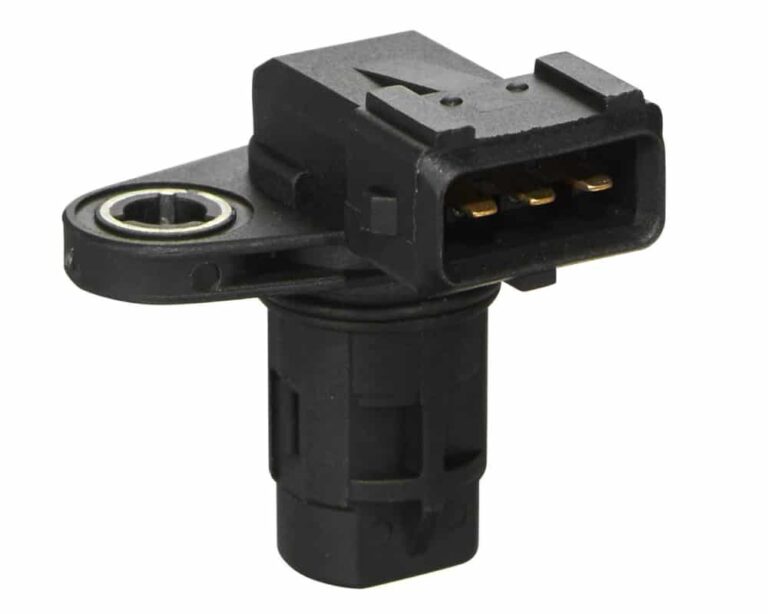
Learn how much a camshaft position sensor costs, typical replacement prices in the USA, labor charges, symptoms of failure, and when replacement makes sense.
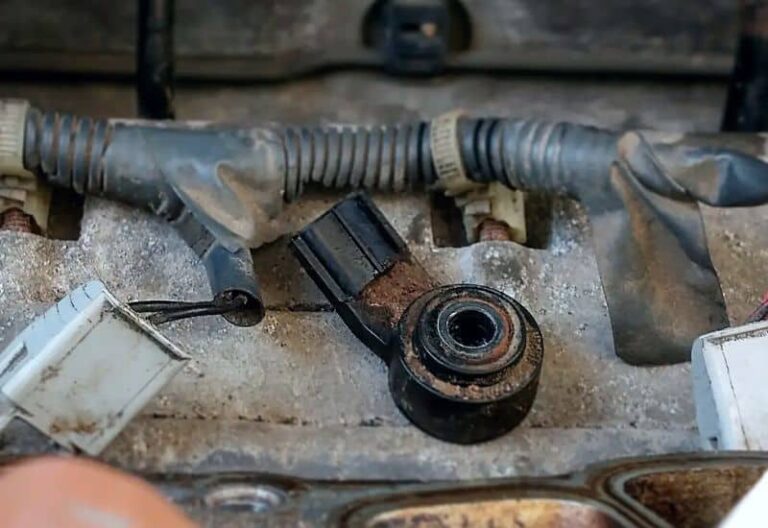
Learn what happens when a knock sensor goes bad, including common symptoms, engine performance issues, diagnostic trouble codes, and whether it is safe to keep driving.
Learn how to change a coolant temperature sensor harness safely, diagnose wiring faults, splice a replacement pigtail, and verify the ECT circuit after repair.
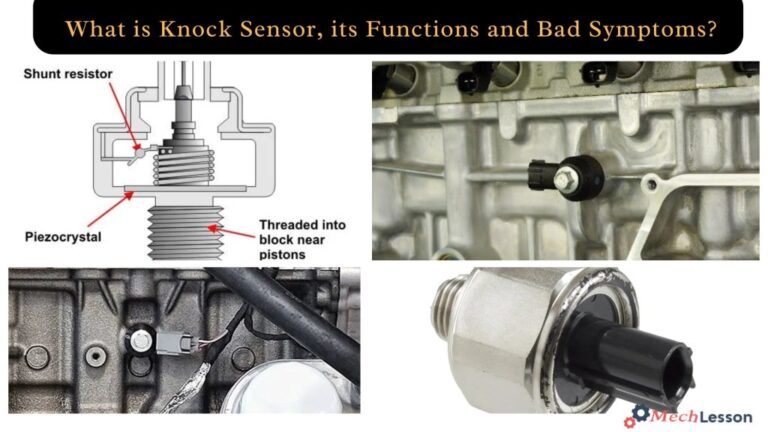
Learn whether a knock sensor affects acceleration, how a faulty knock sensor impacts engine performance, common symptoms, diagnostic steps, and when replacement is necessary.
Learn how to diagnose a bad crankshaft position sensor with symptoms, testing methods, scan tool checks, multimeter tests, and practical troubleshooting steps.