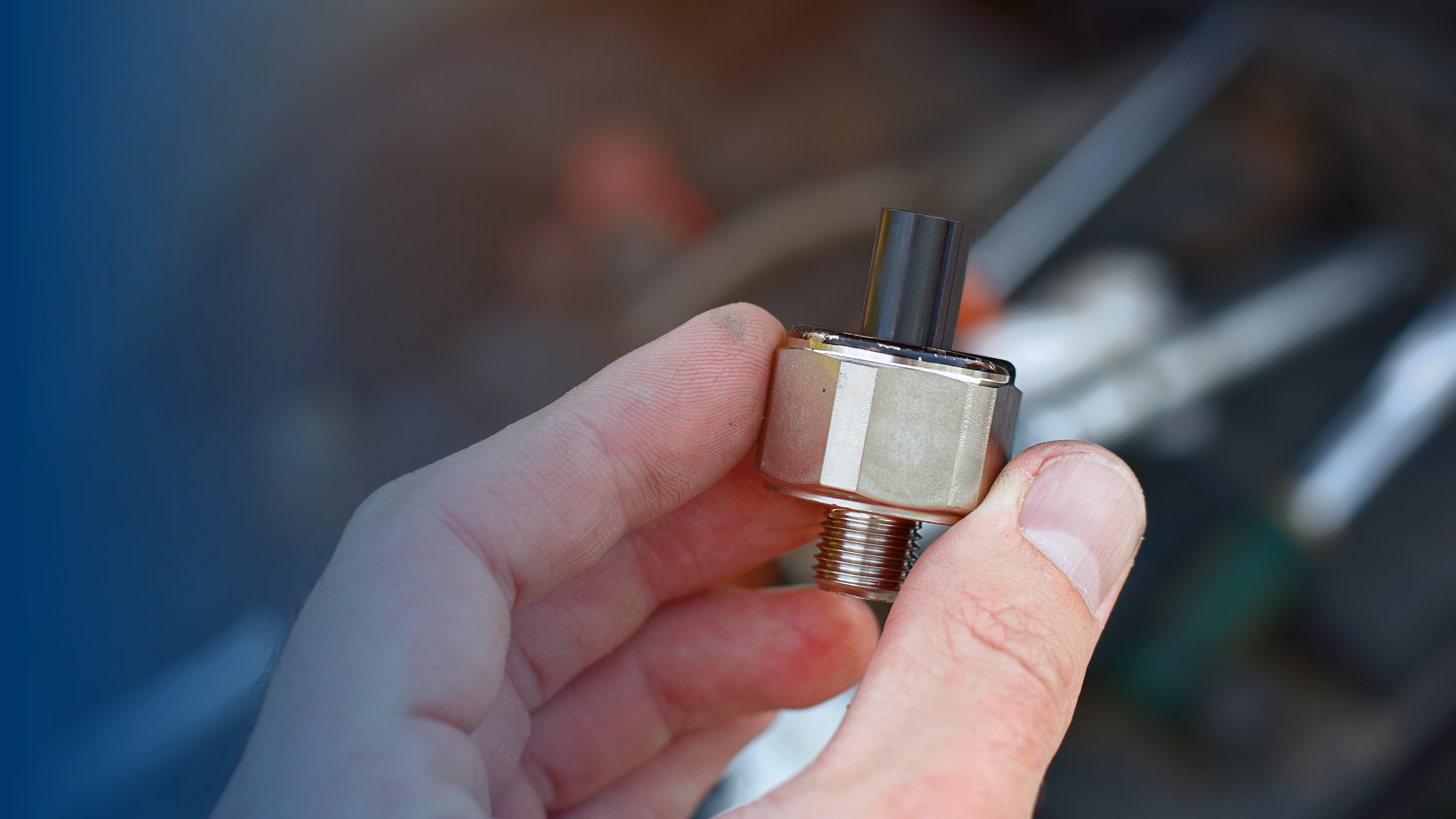
Most knock sensors last 100,000 to 150,000 miles, and many survive the vehicle’s entire lifespan.
In the United States, many vehicles remain on the road for well over 150,000 miles, making sensor durability an important maintenance concern. Drivers often wonder how long do knock sensors last because these components help protect engines from damaging detonation and abnormal combustion events.
A properly functioning knock sensor can operate for many years without attention. However, heat, vibration, moisture intrusion, wiring damage, and age can eventually cause failures. Understanding the expected lifespan and warning signs helps drivers avoid performance issues, reduced fuel economy, and expensive engine repairs.
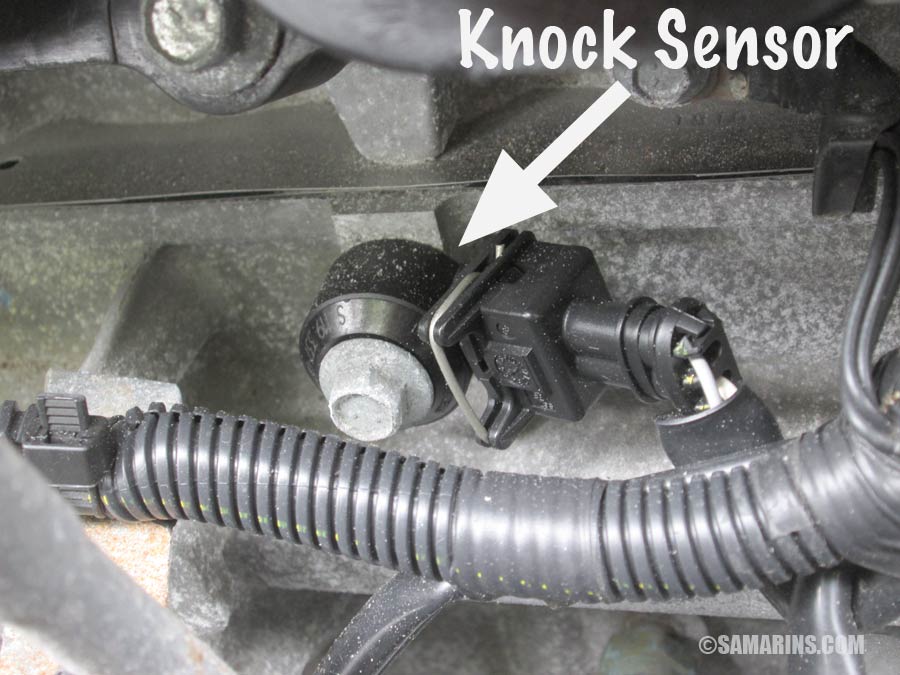
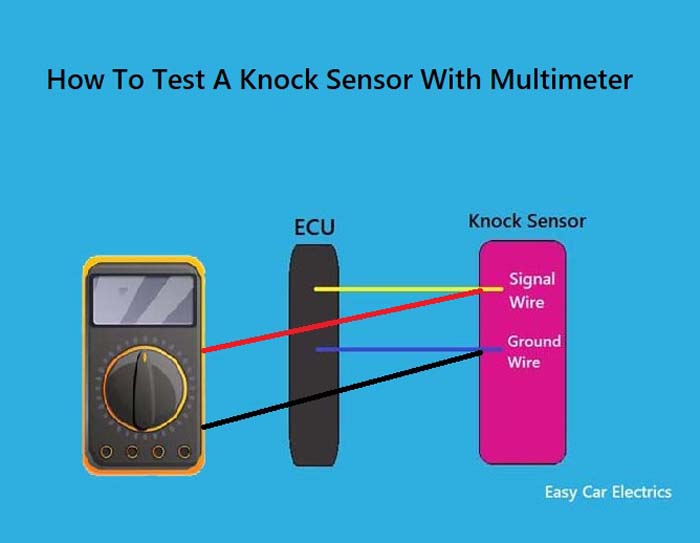
Source: hopetownlodge.com
What Is the Typical Lifespan of a Knock Sensor?
The typical lifespan of a knock sensor ranges from 100,000 to 150,000 miles under normal driving conditions. In many cases, the sensor lasts even longer and may never require replacement during the ownership period.
Unlike wear items such as spark plugs or filters, knock sensors do not have a fixed maintenance interval. They are electronic components designed to continuously monitor engine vibrations and report abnormal combustion activity to the engine control module.
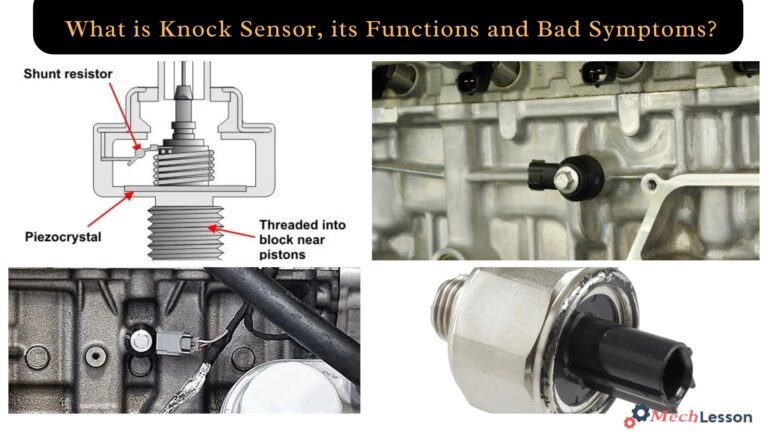
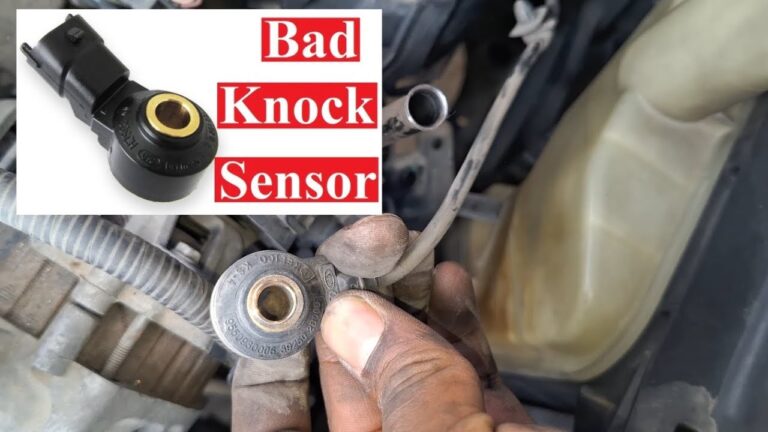
Source: mechlesson.com
Average Service Life
Most sensors remain reliable beyond 100,000 miles.
No Scheduled Replacement
Manufacturers typically replace knock sensors only when they fail.
Vehicle Dependent
Engine design and operating conditions influence longevity.
Why Some Knock Sensors Last Longer Than Others
Sensors installed in cooler engine locations generally experience less thermal stress. Vehicles that receive regular maintenance and avoid severe overheating often see longer knock sensor life.
Driving habits also matter. Frequent towing, aggressive acceleration, and extreme temperature exposure can increase stress on engine components and related electronics.
Lower Heat Exposure
Reduces internal electronic degradation.
Stable Engine Operation
Minimizes excessive vibration and stress.
What Causes a Knock Sensor to Fail?
Knock sensors operate in a harsh environment where they are exposed to constant vibration, temperature changes, and contaminants. Over time, these conditions can damage the sensor or its wiring.
Many reported knock sensor failures are actually caused by wiring harness issues, loose connectors, corrosion, or water intrusion rather than the sensor itself.
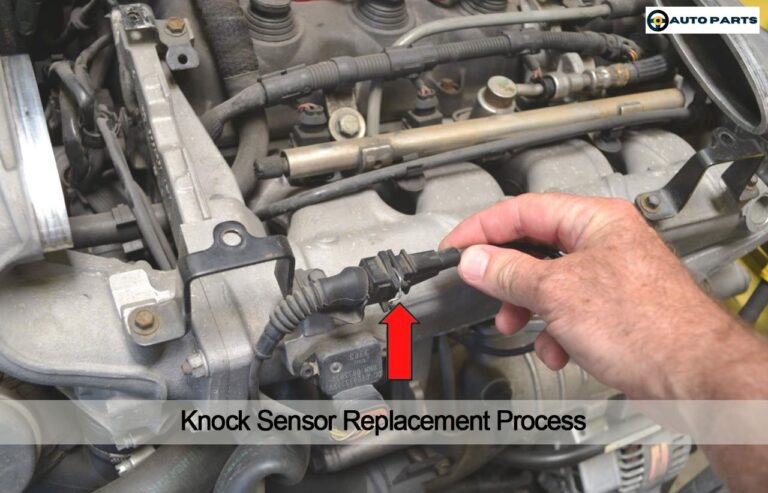
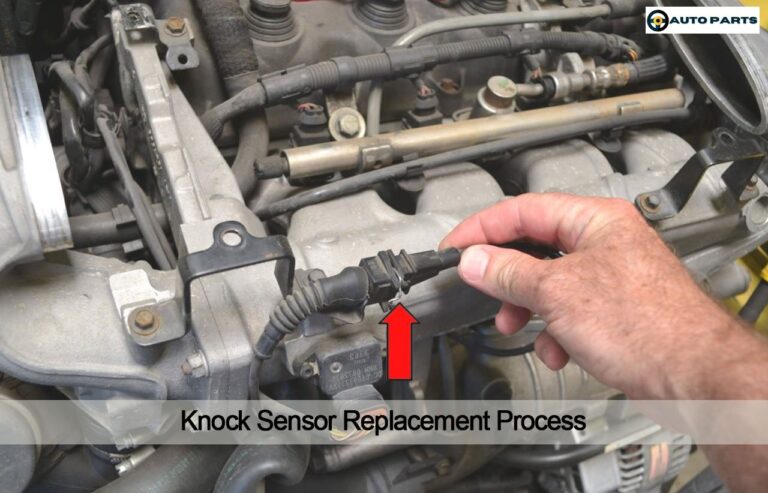
Source: delphiautoparts.com
Heat Damage
High engine temperatures can degrade internal electronics.
Corrosion
Moisture can damage electrical connections.
Vibration
Continuous engine movement can weaken components.
Common Failure Factors
Engine overheating is one of the most damaging conditions for electronic sensors. Repeated overheating events can shorten sensor life considerably. Oil leaks and coolant leaks may also contaminate connectors and contribute to electrical faults.
Overheating
Accelerates wear of electronic components.
Fluid Contamination
Can interfere with electrical signals.
Signs Your Knock Sensor May Be Near the End of Its Life
A failing knock sensor often produces noticeable performance changes. The engine control module may alter ignition timing to protect the engine, resulting in reduced power and efficiency.
Drivers should pay attention to warning lights and unusual engine behavior, especially on high-mileage vehicles.
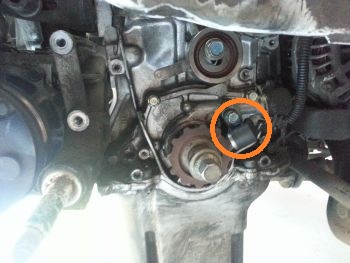
Source: hitchesguide.com
Check Engine Light
One of the most common indicators of a sensor problem.
Reduced Performance
Engine timing adjustments may decrease power output.
Poor Fuel Economy
Incorrect timing can increase fuel consumption.
Diagnostic Trouble Codes
Modern vehicles store fault codes when the engine computer detects abnormal sensor readings. Codes related to knock sensor circuits, performance, or signal range often indicate a problem requiring inspection.
Stored Fault Codes
Provide valuable clues during diagnosis.
Professional Scanning
Helps identify sensor and wiring faults accurately.
Can You Extend the Life of a Knock Sensor?
While knock sensors eventually age, proper vehicle maintenance can maximize their lifespan. Preventing overheating and addressing leaks promptly are among the most effective ways to protect sensor components.
Routine engine care helps create stable operating conditions that reduce stress on sensors and related electronics.
Source: carbuzz.com
Maintain Cooling System
Helps prevent heat-related sensor damage.
Repair Leaks Quickly
Reduces contamination of electrical connectors.
Follow Maintenance Schedules
Supports overall engine health.
Preventive Maintenance Tips
Using the correct fuel grade recommended by the manufacturer can help prevent excessive engine knock. Regular inspections of wiring harnesses and engine components may also reveal developing issues before they affect sensor performance.
Use Recommended Fuel
Supports proper combustion characteristics.
Inspect Wiring
Identifies damage before faults develop.
When Should You Replace a Knock Sensor?
Replacement is usually necessary only when testing confirms failure. Simply reaching a certain mileage does not automatically mean the sensor should be replaced.
If a vehicle exhibits persistent fault codes, poor performance, or confirmed sensor circuit issues, replacement may restore proper engine management and efficiency.
Source: nevsemi.com
Confirmed Failure
Replace the sensor after proper diagnosis.
Persistent Fault Codes
Recurring codes often indicate a genuine problem.
Wiring Inspection
Check harnesses before replacing the sensor.
Replacement Cost Considerations
Costs vary significantly depending on vehicle design. Some sensors are easily accessible, while others require removal of intake components or significant engine disassembly, increasing labor expenses.
Easy Access Designs
Generally result in lower repair costs.
Hidden Sensor Locations
Can increase labor time substantially.
Frequently Asked Questions
Q
Can a knock sensor last the entire life of a vehicle?
Yes. Many factory-installed knock sensors remain functional for 150,000 miles or more and may never require replacement if operating conditions remain favorable.
Q
Does mileage alone determine when a knock sensor fails?
No. Heat, vibration, corrosion, moisture, and wiring condition often have a greater impact on sensor lifespan than mileage alone.
Q
Can a bad knock sensor damage an engine?
A failed sensor can prevent the engine control module from accurately detecting knock events. While modern systems often enter protective modes, unresolved issues can affect performance and potentially increase engine stress.
Q
How can I tell if my knock sensor is failing?
Common signs include a check engine light, reduced power, poor fuel economy, and stored diagnostic trouble codes related to knock sensor operation.
Q
Should I replace a knock sensor as preventive maintenance?
Most manufacturers do not recommend preventive replacement. Replacement is generally performed only after diagnostic testing confirms a fault.
✦ Wrapping Up
Conclusion
For most drivers asking how long do knock sensors last, the answer is typically between 100,000 and 150,000 miles, with many sensors lasting even longer. Their lifespan depends heavily on engine operating conditions, heat exposure, and electrical system health.
If you notice warning lights, performance changes, or fault codes, proper diagnosis is essential before replacing any components. In many cases, wiring or connector issues may be responsible rather than the sensor itself.
💡 Key Takeaway
Monitor engine performance, address overheating or leaks promptly, and diagnose fault codes accurately before deciding whether a knock sensor needs replacement.
Ethan Brooks is an automotive writer at Auto News 7, covering car news, vehicle maintenance, new model updates, recalls, and practical buying guides. He focuses on clear, useful information that helps drivers understand their vehicles and make better ownership decisions.
Learn whether a bad knock sensor can cause power loss, how it affects engine timing, common symptoms, diagnostic steps, and when replacement is necessary.
Learn whether a knock sensor can leak oil, what causes oil around the sensor, common symptoms, diagnosis steps, repair options, and when professional service is needed.