On a 2013 Chevrolet Silverado or GMC Sierra equipped with the 6.6L LML Duramax diesel, the engine oil pressure sensor is mounted in the engine block or oil gallery area. Confirm the exact position using the service information for your engine before removing any components.
For owners of 2013 Chevrolet Silverado and GMC Sierra heavy-duty trucks in the United States, locating the oil pressure sensor can help when diagnosing an oil pressure warning, an inaccurate gauge reading, or a possible sensor failure. These trucks commonly use the 6.6L LML Duramax diesel, but the exact configuration should be verified by the vehicle identification number and engine service information.
The oil pressure sensor, also called the oil pressure sending unit, monitors engine oil pressure and sends an electrical signal to the vehicle’s control or instrument system. Its reading can help identify a lubrication problem, but a faulty sensor, damaged wiring, a restricted oil passage, or genuinely low oil pressure can produce similar symptoms. Do not assume the sensor is defective simply because the dashboard reading looks abnormal.
Source: hitchesguide.com
Where Is the Oil Pressure Sensor on a 2013 Duramax?
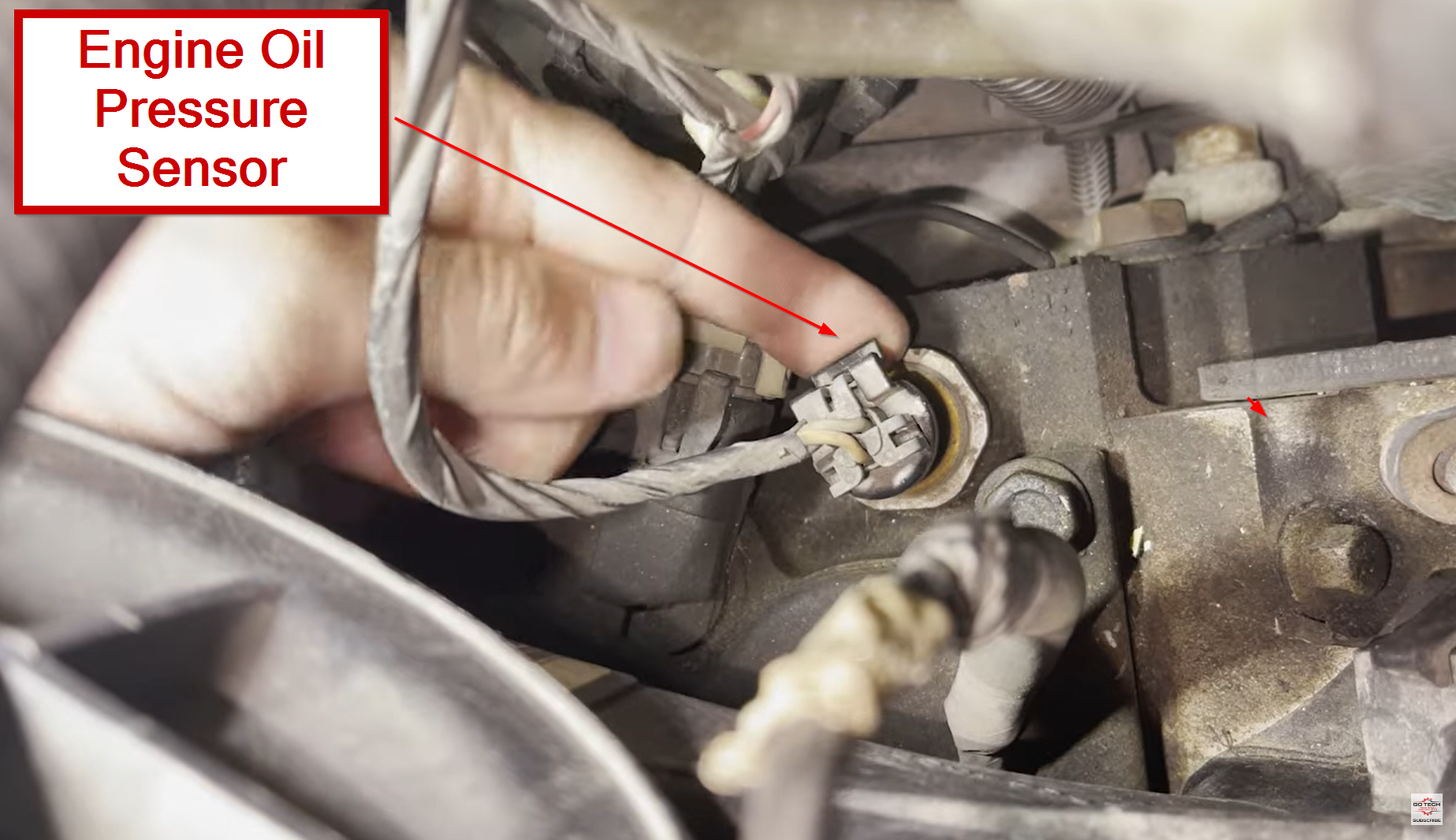
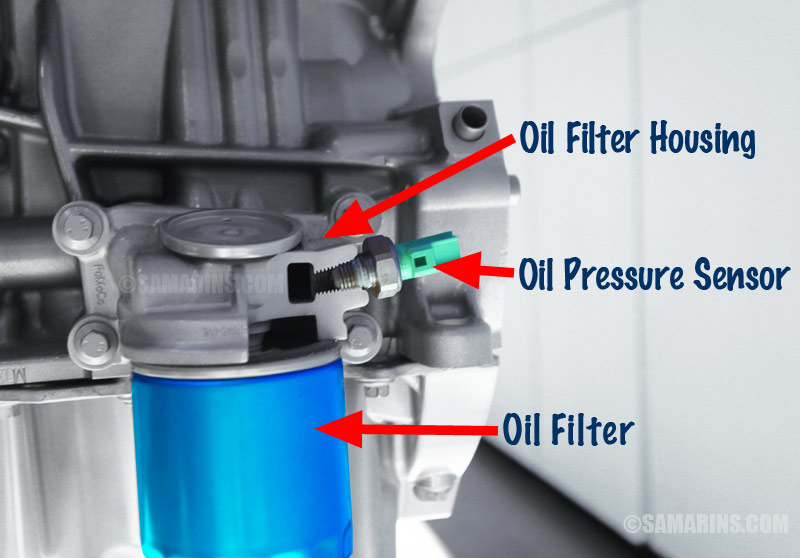
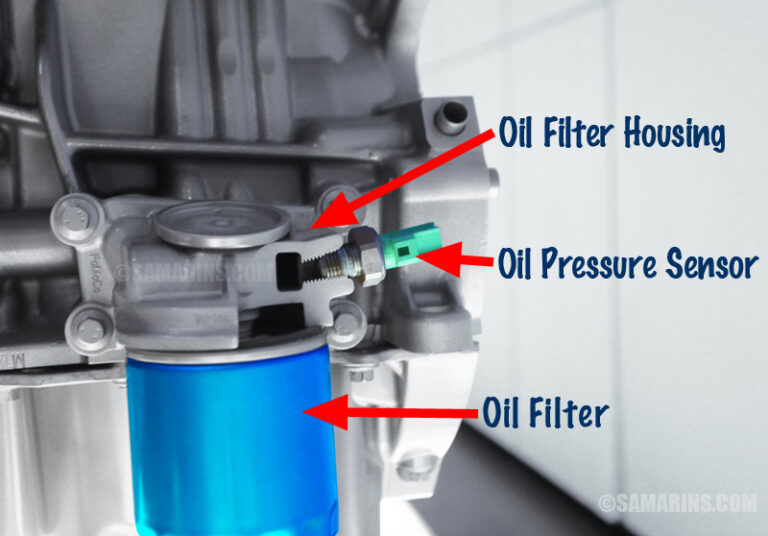
On a 2013 6.6L LML Duramax, the oil pressure sensor is installed in an engine oil passage and has an electrical connector attached to it. Its location is associated with the engine block and oil gallery system rather than the exhaust system or fuel rail. Use the factory service information for the LML engine to identify the exact mounting point and access procedure.
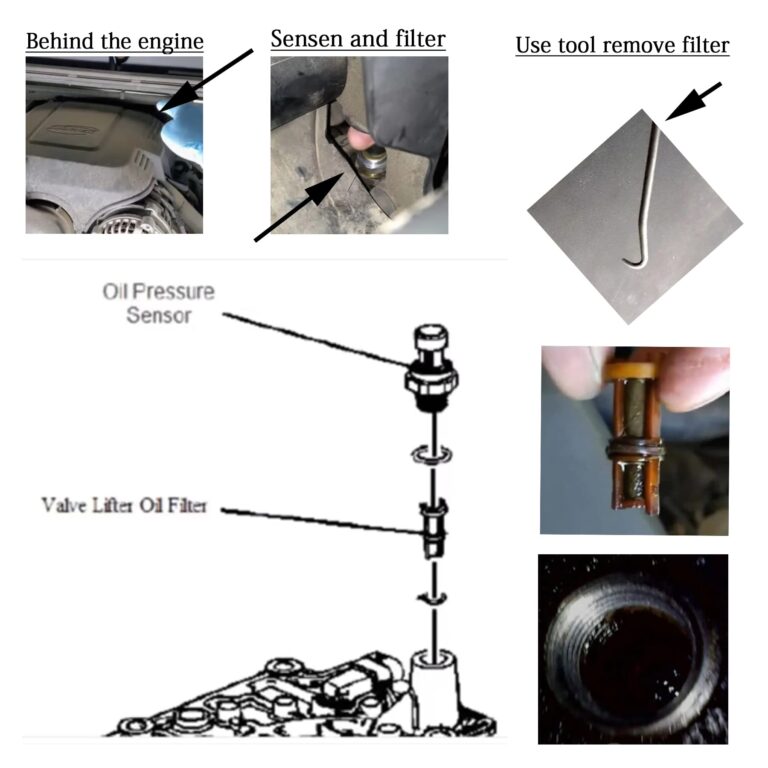
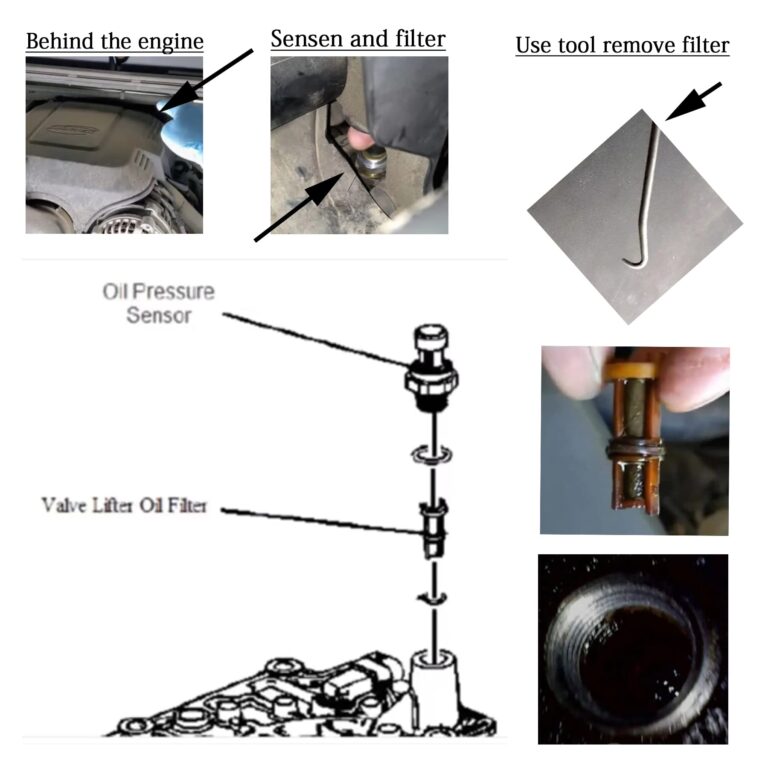
The sensor may not be immediately visible from above because engine components and surrounding hardware can obstruct the view. The safest approach is to identify the sensor from an engine-specific diagram before removing covers, connectors, or nearby components. A generic GM V8 sensor-location picture may show a different engine and should not be treated as proof of the LML sensor’s exact position.
Source: pinnaxis.com
Engine identification
Verify that the truck has the 6.6L LML Duramax diesel. The model year alone is not enough to identify every possible engine configuration or service difference.
Electrical connector
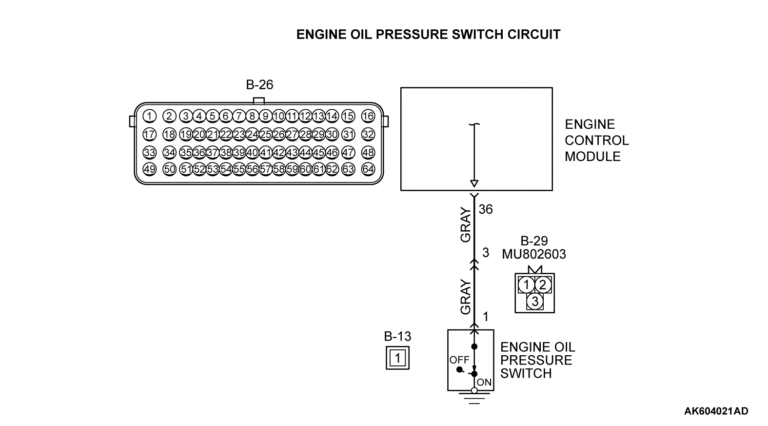
Look for the wiring connector attached to the pressure sensor identified in the correct engine diagram. Do not unplug components at random because several sensors may be close together.
Service access
Check whether any covers or surrounding components must be moved to reach the sensor. Follow the specified procedure rather than forcing access around fuel, electrical, or exhaust hardware.
How to Identify the Correct Sensor
Start with the engine identification and a service diagram that specifically covers the 2013 6.6L LML Duramax. Compare the diagram’s connector and mounting point with the actual engine. If the truck has been modified or its engine has been replaced, confirm the installed engine configuration instead of relying solely on the vehicle’s original model year.
Check the connector
Confirm that the electrical connector and sensor shape match the application-specific parts or service diagram.
Trace the mounting point
Follow the diagram to the sensor’s threaded mounting location in the oil passage. Avoid confusing it with a nearby temperature sensor or another engine sender.
What Does the Duramax Oil Pressure Sensor Do?
The oil pressure sensor measures pressure in the engine’s lubrication system and converts that measurement into an electrical signal. Depending on the vehicle’s system design, the signal is used by engine electronics and the instrument display to communicate oil pressure to the driver.
Engine oil pressure is necessary to deliver lubricant to bearings and other moving parts. A sensor problem can create an incorrect reading, but an actual pressure loss can also threaten the engine. That distinction matters because replacing the sensor will not repair a failing oil pump, a blocked oil passage, an oil leak, or excessive internal engine clearance.
Source: kladbkzab.blob.core.windows.net
Pressure monitoring
The sensor provides information about pressure in the engine’s lubrication system.
Driver warning
The instrument system can alert the driver when the reported pressure is outside the expected operating range.
Diagnostic information
Sensor signals and related fault codes can help narrow down an electrical fault or a pressure-related problem, but they do not independently establish the root cause.
How to Check the Oil Pressure Sensor on a 2013 Duramax
Before replacing the sensor, check the engine oil level, inspect the accessible wiring, and determine whether the indicated pressure reflects actual engine pressure. These initial checks can prevent unnecessary parts replacement and help identify a potentially serious lubrication problem.
Park on level ground, apply the parking brake, and follow the owner’s manual procedure for checking the oil. Allow the engine to cool before touching components near hot engine surfaces. Do not work near moving belts, fans, or exposed electrical connections with the engine running.
Source: storage.googleapis.com
Step 1: Check the oil level
Use the dipstick according to the owner’s manual. If the level is below the safe range, look for possible leaks and correct the level with the specified oil before further diagnosis. A correct level does not guarantee adequate oil pressure.
Step 2: Inspect the connector and wiring
With the engine off, inspect accessible wiring for damaged insulation, corrosion, loose connections, or oil contamination. Repair wiring faults according to the applicable service procedure.
Step 3: Scan for diagnostic trouble codes
Use a compatible scan tool to read relevant engine and instrument-system codes. Record the codes and their supporting data before clearing anything. A code may identify a circuit problem without proving that the sensor itself has failed.
Step 4: Verify actual oil pressure
If the gauge or warning remains abnormal, have actual oil pressure checked with an appropriate mechanical gauge and the engine-specific procedure. Compare the result with the manufacturer’s specifications for the relevant engine temperature and operating speed.
Step 5: Decide whether replacement is justified
Replace the sensor only when testing and inspection support a sensor fault. If actual pressure is below specification, investigate the lubrication system before returning the truck to service.
What If the Oil Pressure Gauge Reads Zero?
A zero reading can result from an electrical fault, a failed sensor, a damaged circuit, or a genuine loss of oil pressure. Because the last possibility can quickly damage the engine, switch the engine off and do not restart it simply to see whether the gauge improves. Arrange a pressure test or professional diagnosis before operating the truck again.
Warning with engine noise
Shut the engine off immediately if the warning is accompanied by knocking, rattling, or other unusual mechanical noise.
Warning without engine noise
The absence of noise does not prove that pressure is safe. Verify the oil level and have actual pressure measured before driving.
Common Symptoms of a Bad Duramax Oil Pressure Sensor
A faulty oil pressure sensor or its electrical circuit can cause an implausible pressure display, an intermittent warning, or diagnostic trouble codes related to the pressure signal. These symptoms are clues, not conclusive proof that the sensor needs replacement.
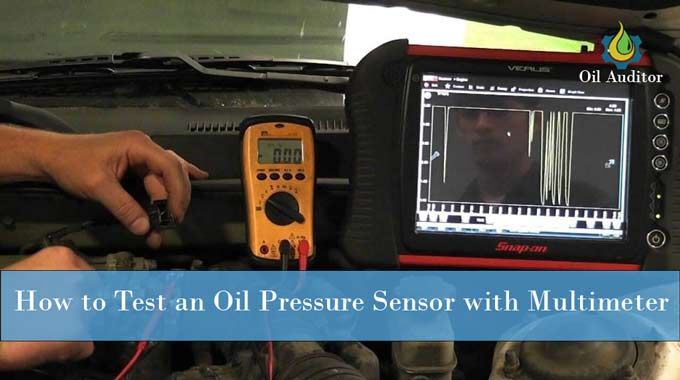
Compare the dashboard reading with the actual pressure measured using the appropriate diagnostic equipment. If actual pressure is normal but the electronic reading is incorrect, the sensor, wiring, connector, or related electronics deserve further inspection. If actual pressure is low, diagnose the lubrication system instead of treating the problem as an electrical issue.
Source: storage.googleapis.com
Erratic pressure reading
The indicated pressure changes unexpectedly or does not behave consistently with the engine’s operating conditions.
Oil pressure warning
A warning may be caused by a faulty signal, but actual low pressure must be ruled out first.
Electrical trouble code
A pressure-sensor circuit code can point to wiring, connector, sensor, or control-system problems. Follow the diagnostic steps for the exact code.
Oil near the sensor
Oil around the mounting point may indicate a leak or sealing problem. Clean and inspect the area to determine the source rather than assuming the sensor has failed internally.
Oil Pressure Sensor vs. Oil Temperature Sensor
The oil pressure sensor and oil temperature sensor measure different properties. The pressure sensor monitors force per unit area in the lubrication system, while the temperature sensor measures how hot the oil is. Their locations, connectors, wiring, and diagnostic procedures may differ.
Do not use a generic oil-temperature diagram to identify the pressure sensor on a 2013 LML Duramax. Confirm the component name and position in the engine-specific service information before disconnecting it or ordering a replacement.
Source: www.youtube.com > Tery
Oil pressure sensor
Provides an electrical signal related to engine oil pressure.
Oil temperature sensor
Provides information about oil temperature where the sensor is installed.
Coolant temperature sensor
Measures engine coolant temperature and is not interchangeable with either oil sensor.
Can You Replace the Oil Pressure Sensor Yourself?
A mechanically experienced owner may be able to replace the sensor if the correct part, access procedure, tools, and service specifications are available. The difficulty depends on the exact mounting point and surrounding components. Confirm the required socket or specialty tool, thread specification, tightening torque, and any specified sealing procedure before starting.
Work only with the engine switched off and cool enough to handle safely. Keep dirt out of the oil passage, avoid damaging the connector, and do not overtighten the replacement sensor. Excessive torque or incorrect sealant can damage the mounting threads or interfere with the sealing arrangement.
After installation, inspect for leaks and verify that the oil pressure indication behaves normally. If the warning remains, do not assume the new sensor is defective; repeat the diagnostic checks and verify actual oil pressure.
Source: storage.googleapis.com
Use the correct replacement
Match the part to the truck’s VIN, engine application, and applicable parts catalog information.
Follow the specified torque
Use the service-manual torque value for the exact sensor and mounting location rather than guessing.
Check the repair
Inspect the installation for leakage and confirm the original symptom has been resolved without ignoring a persistent pressure warning.
Frequently Asked Questions
Q
Where exactly is the oil pressure sensor on a 2013 6.6L Duramax?
The sensor is installed in an engine oil passage on the 6.6L LML Duramax. For the exact mounting point and access route, use a 2013 LML-specific service diagram. Generic GM V8 diagrams may depict a different engine and can lead you to the wrong component.
Q
Is the oil pressure sensor on a 2013 Duramax the same as the oil sending unit?
The terms oil pressure sensor and oil pressure sending unit are often used interchangeably in parts listings and everyday repair discussions. However, verify the actual component and part number for the vehicle before ordering because naming and electrical designs can vary.
Q
Can I drive my 2013 Duramax with an oil pressure warning?
Do not continue driving until the cause has been assessed. Shut off the engine if the warning indicates low pressure, especially if the gauge reads zero or the engine makes unusual noise. A false sensor signal is possible, but only a proper diagnosis can distinguish it from a real lubrication problem.
Q
What causes an incorrect oil pressure reading on a Duramax?
Possible causes include a failed sensor, damaged wiring, a poor electrical connection, or a fault in the related instrument or control system. Actual low oil pressure is another possibility. Check the oil level, scan for relevant codes, inspect the circuit, and measure actual pressure before replacing parts.
Q
Does a bad oil pressure sensor cause engine damage?
A failed sensor does not automatically damage the engine, but it can provide misleading information about lubrication pressure. The greater danger is a genuine pressure loss that goes undetected or is mistaken for a sensor fault. Treat a low-pressure warning seriously until actual pressure has been verified.
Q
Do I need to drain the engine oil to replace the sensor?
Whether draining is necessary depends on the sensor’s exact mounting point and the applicable service procedure. Some installations may release only a limited amount of oil, while others can spill more. Consult the LML-specific instructions, prepare for oil leakage, and never work beneath an inadequately supported vehicle.
Q
Where can I find the correct oil pressure sensor part number?
Use a Chevrolet or GMC parts catalog or an authorized parts department and provide the truck’s VIN. Confirm the engine application and any production-specific differences before buying the replacement. Do not select a sensor solely because it is listed for a different Duramax generation.
✦ Wrapping Up
Conclusion
The oil pressure sensor on a 2013 Chevrolet Silverado or GMC Sierra with the 6.6L LML Duramax is mounted in an engine oil passage. Its precise location and access procedure should be confirmed with service information specific to the truck, rather than a diagram for another GM engine or a different Duramax generation.
If you are investigating an oil pressure warning, begin by checking the oil level and inspecting accessible wiring. Then scan for relevant codes and verify actual pressure when needed. Replacing the sensor without ruling out low oil pressure can leave a serious engine problem unresolved.
💡 Key Takeaway
Confirm the truck’s engine and VIN, obtain the correct 2013 LML Duramax oil pressure sensor diagram, and verify actual oil pressure before replacing the sensor. If the engine shows a low-pressure warning or unusual mechanical noise, shut it off and arrange diagnosis before driving.
Ethan Brooks is an automotive writer at Auto News 7, covering car news, vehicle maintenance, new model updates, recalls, and practical buying guides. He focuses on clear, useful information that helps drivers understand their vehicles and make better ownership decisions.
Will diesel oil clean a dirty oil pressure sensor? Learn why diesel engine oil is not a reliable cleaner, safer cleaning methods, and when to replace the sensor.
Can you clean an oil pressure sensor? Learn what you can safely clean, which products to avoid, how to inspect the sensor, and when replacement is necessary.
Learn how to disconnect an oil pressure sensor safely, identify the connector, release the locking tab, avoid damage, and troubleshoot common problems.