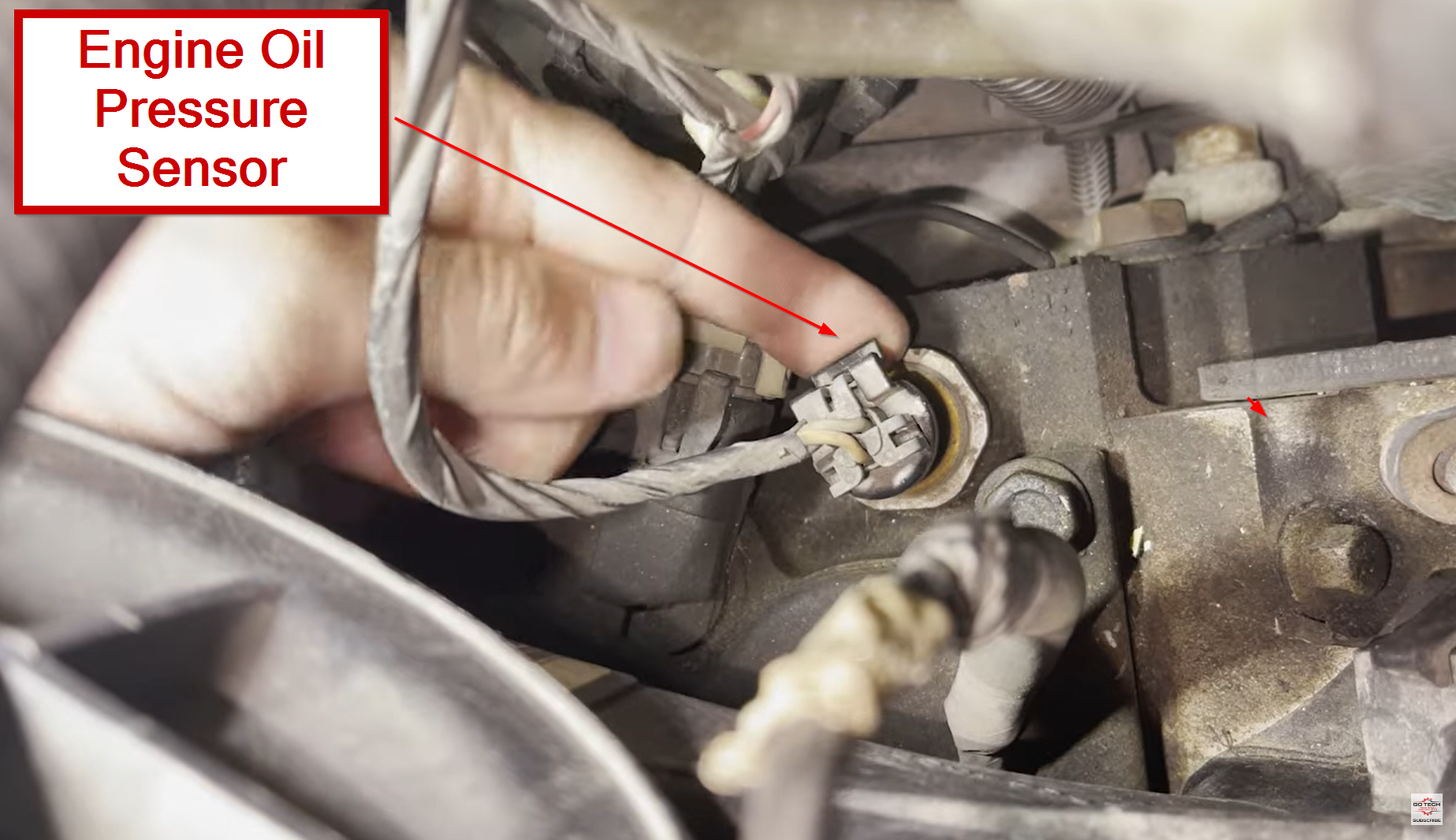
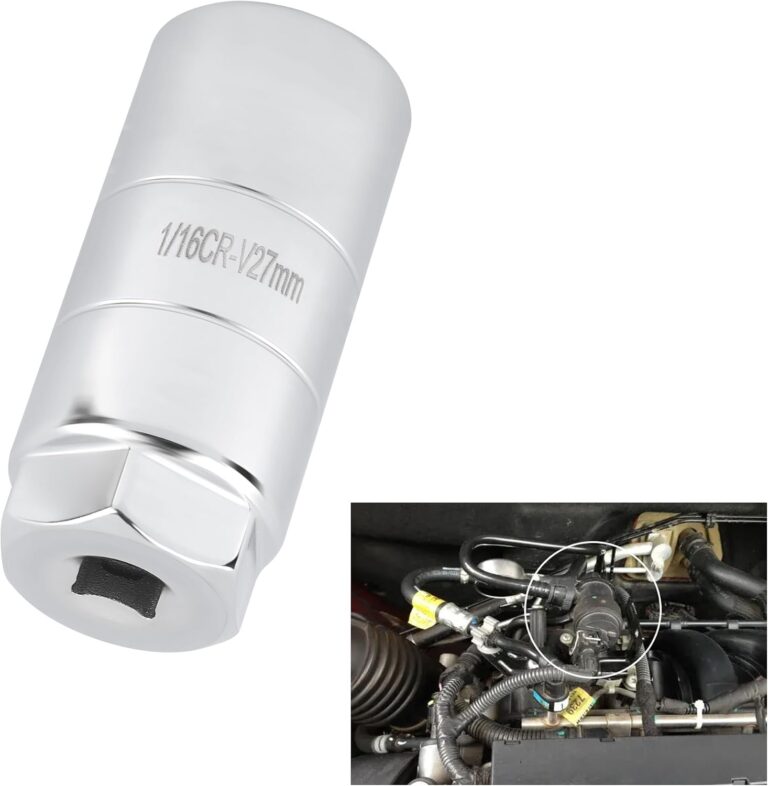
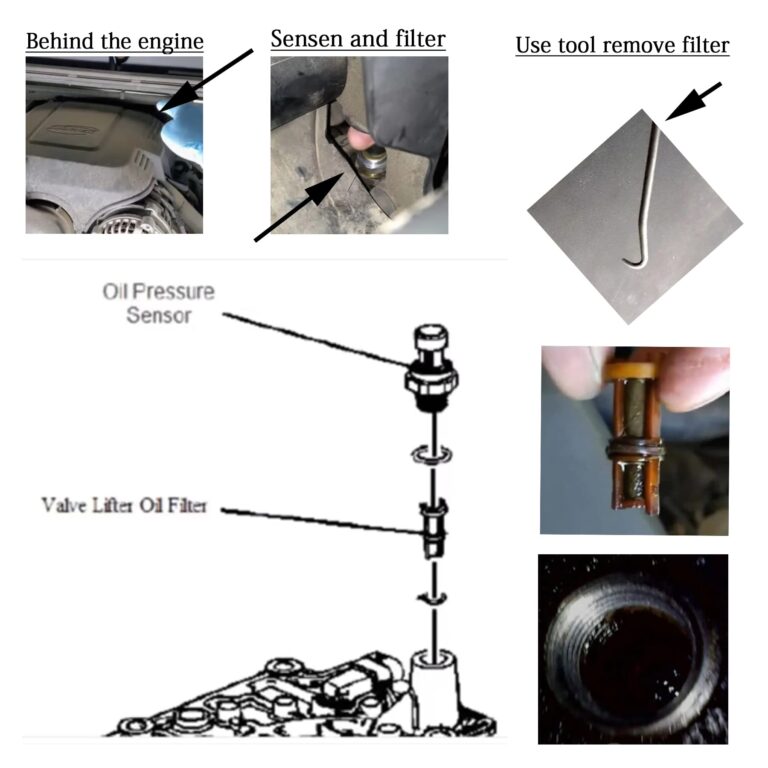
On most GM 5.3-liter V8 engines, the oil pressure sensor is mounted at the rear of the engine, near the back of the intake manifold and close to the firewall. On many Chevrolet Silverado and GMC Sierra models, you can locate it behind the intake manifold, where access may require a deep socket and an oil pressure sensor socket. The exact position and access procedure depend on the engine generation and vehicle model year.
In the United States, the 5.3-liter V8 is common in Chevrolet Silverado and Tahoe, GMC Sierra and Yukon, and several other General Motors vehicles. These engines include different generations of GM small-block V8 technology, so the oil pressure sensor location is similar across many applications but should not be assumed identical for every vehicle.
The oil pressure sensor, also called an oil pressure sender or oil pressure switch in some applications, monitors engine oil pressure and sends information to the vehicle’s control system or instrument panel. A faulty sensor can cause an inaccurate oil pressure reading or warning light, but low engine oil pressure can also indicate a genuine lubrication problem. Confirm the actual pressure before replacing parts when the symptoms suggest a potentially serious engine issue.
Before working around the sensor, park on level ground, switch off the engine, remove the key or turn off the ignition, and allow the engine to cool. Use the service information for your specific year, make, model, and engine code to verify the location and any required removal steps.
Source: ceish.med.uchile.cl
Where Is the Oil Pressure Sensor on a 5.3 Vortec Engine?
On many 5.3-liter Vortec and later GM 5.3-liter V8 engines, the oil pressure sensor sits at the rear of the engine block, near the rear of the intake manifold. It is positioned toward the firewall, which separates the engine compartment from the passenger cabin. This location can make the sensor difficult to see from above.
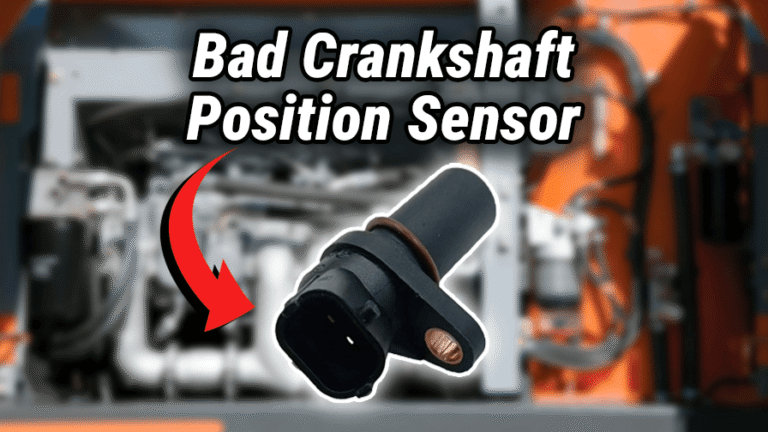
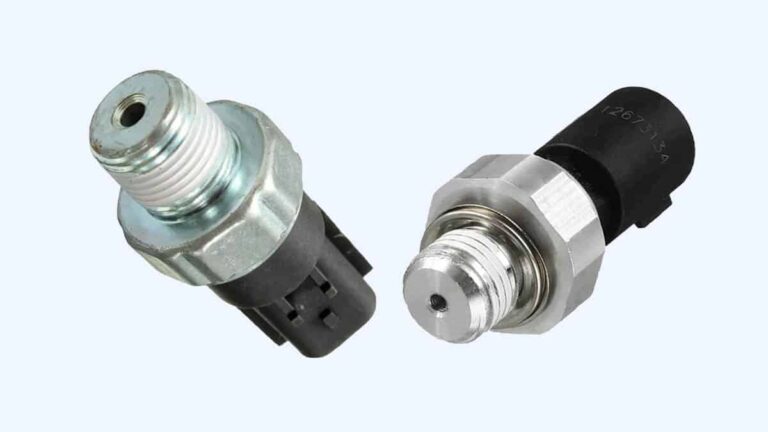
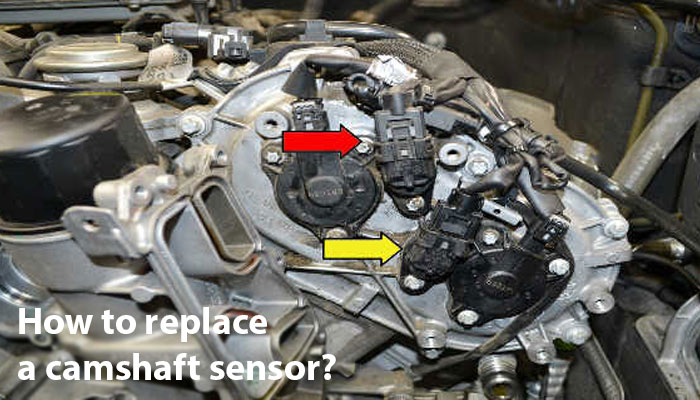
Look for a small threaded sensor with an electrical connector attached to its top. Depending on the engine version, it may be partly hidden behind wiring, the intake manifold, or other components. Do not confuse it with an oil temperature sensor, a coolant temperature sensor, or another electrical connector in the same area.
If you cannot see the sensor from above, use a flashlight and inspect the rear of the engine compartment without reaching near hot exhaust components. A mirror or a suitable inspection camera may improve visibility. Consult a vehicle-specific service diagram before removing anything.
Source: hitchesguide.com
General location
At the rear of many GM 5.3-liter V8 engines, near the back of the intake manifold and firewall.
What it looks like
A threaded electrical sensor with a wiring connector attached to its upper end.
Why it is difficult to reach
The sensor is recessed near the firewall, and surrounding engine components and wiring can restrict visibility and tool access.
How to Identify the Correct Sensor
Start by locating the rear edge of the intake manifold. Follow the wiring and inspect the nearby engine-block area for the threaded oil pressure sensor. Confirm the connector shape and sensor position against a diagram for your specific engine rather than relying on appearance alone.
If the vehicle has been modified or has an engine replacement, the installed engine may differ from the vehicle’s original configuration. In that situation, identify the engine itself before ordering a replacement sensor.
Check the connector
Look for the electrical connector that fits the oil pressure sensor shown in the correct service diagram.
Verify the engine
Use the vehicle identification number, model year, engine RPO code, or reliable service information to identify the correct 5.3-liter engine variant.
Oil Pressure Sensor Location on Chevy Silverado and GMC Sierra 5.3 Engines
The Chevrolet Silverado and GMC Sierra are among the most common vehicles equipped with a 5.3-liter GM V8. On many of these trucks, the oil pressure sensor is installed at the rear of the engine near the firewall. However, the engine generation and model year determine the exact arrangement and the amount of space available for removal.
Older Vortec engines and newer LS-based or EcoTec3 5.3-liter engines should not automatically be treated as identical. Sensor designs, connectors, intake components, and service procedures can differ. Confirm the application before buying a sensor or attempting to remove one.
The following table provides a general orientation guide, not a substitute for a model-specific service manual.
Source: fity.club
Chevrolet Silverado 1500
Many 5.3-liter V8 versions have the sensor at the rear of the engine, near the intake manifold and firewall. Verify the generation and model year.
GMC Sierra 1500
Many 5.3-liter V8 applications use a similar rear-mounted sensor arrangement, but access and component details can vary.
Chevrolet Tahoe and Suburban
Many 5.3-liter V8 versions place the sensor near the rear of the engine. Engine generation and packaging affect access.
GMC Yukon
Check the exact engine and model year because the sensor location and surrounding components can differ between generations.
Why the Model Year Matters
General Motors has used several 5.3-liter V8 engine designs across different vehicle generations. A location diagram for one Silverado may not accurately describe another Silverado with a different engine generation or configuration.
Before beginning work, look up the oil pressure sensor location and removal procedure for the exact vehicle. The correct instructions should identify any required access steps, connector release method, thread requirements, and installation torque.
Use vehicle-specific information
Match the service procedure to the model year, vehicle, engine code, and installed engine configuration.
Avoid unnecessary disassembly
Do not remove the intake manifold or other major components until the service instructions establish that removal is necessary.
How to Access the Oil Pressure Sensor on a 5.3
You can often inspect the sensor without removing major engine components, although actual removal can be more difficult. Begin with a visual inspection and consult the vehicle-specific service procedure before disconnecting wiring or taking parts off the engine.
The space behind the intake manifold can be tight. The right tool depends on the sensor’s shape, the surrounding components, and the available clearance. A deep socket designed for oil pressure sensors may be useful, but confirm the required size for your specific sensor rather than assuming one size fits every 5.3-liter engine.
Source: hitchesguide.com
Tools to prepare
A flashlight, safety glasses, appropriate hand tools, and the correct sensor socket or deep socket specified for the application. A mirror or inspection camera can help with visibility.
Protect the engine compartment
Work with the engine off and cool. Keep loose objects and tools away from belts, fans, and electrical connections.
Check the connector first
Inspect the electrical connector for loose locking tabs, oil contamination, damaged wiring, or corrosion before deciding the sensor needs replacement.
Basic Inspection Steps
Step 1: Park the vehicle on level ground, shut off the engine, and allow it to cool. Set the parking brake and make sure the vehicle cannot move.
Step 2: Open the hood and locate the rear of the intake manifold. Use a flashlight to examine the area between the engine and firewall.
Step 3: Identify the sensor by comparing its connector and mounting location with a service diagram for your exact engine.
Step 4: Inspect the accessible wiring and connector without pulling on the wires. If removal is necessary, follow the specified connector-release procedure and use the correct tool.
Step 5: After any repair, check for oil leaks and confirm that the oil pressure reading behaves normally. If a warning remains, investigate the underlying cause rather than repeatedly replacing parts.
If you cannot reach it
Stop rather than forcing a tool against nearby wiring or engine components. Check the factory service procedure for any required access steps.
If the connector will not release
Inspect its locking mechanism and use the correct release method. Avoid breaking the connector by pulling hard on the harness.
What Does the Oil Pressure Sensor Do on a 5.3 Engine?
The oil pressure sensor monitors pressure in the engine’s lubrication system. Depending on the specific GM engine and electrical design, it provides a pressure signal to the engine control module or supports the oil pressure information displayed to the driver.
The engine relies on pressurized oil to lubricate bearings and other moving components. The sensor helps the vehicle monitor this system, but it does not create oil pressure or repair a lubrication problem. A sensor fault and a genuine low-pressure condition can produce similar dashboard symptoms.
When the oil pressure gauge fluctuates, reads unusually low, or triggers a warning, check the oil level and inspect for leaks. If the engine makes abnormal mechanical noises or the oil pressure warning remains on, shut the engine off as soon as it is safe and arrange diagnosis.
Source: atablecreation.com
Pressure monitoring
The sensor supplies information used by the vehicle’s oil pressure monitoring system.
Warning indications
A faulty sensor or circuit may cause inaccurate readings or warning messages, but the same symptoms can also reflect real oil pressure problems.
Diagnostic limits
A dashboard reading alone cannot reliably distinguish a failed sensor from an engine lubrication fault.
Does a Bad Oil Pressure Sensor Mean the Engine Has Low Oil Pressure?
No. A defective sensor, damaged connector, wiring fault, or instrument display issue can cause an incorrect reading. However, actual low oil pressure can also result from an insufficient oil level, incorrect oil, a clogged pickup, oil pump problems, excessive bearing clearance, or other internal faults.
When the reading is questionable, a qualified technician can measure actual oil pressure with a mechanical gauge using the correct test port and manufacturer-specified conditions. This is a more reliable way to determine whether the engine has a genuine pressure problem.
Possible sensor or circuit fault
An implausible gauge reading, an intermittent warning, or a relevant diagnostic trouble code may indicate an electrical or sensor issue.
Possible lubrication fault
A persistent low-pressure warning, unusual engine noise, or confirmed low mechanical-gauge reading requires prompt investigation.
Can a Clogged Oil Pressure Sensor Screen Cause Problems?
Some GM 5.3-liter applications use a small filter screen beneath the oil pressure sensor. The screen helps keep debris from reaching the sensor’s pressure passage, and contamination can interfere with pressure sensing on applications that use this design. Not every 5.3-liter engine has the same screen or service arrangement.
If the oil pressure gauge behaves erratically, a restricted screen is one possible cause, but it should not be assumed without checking the engine-specific design. A defective sensor, damaged wiring, incorrect oil level, or genuine engine pressure problem may produce similar symptoms.
Check the service information before removing the sensor to determine whether a screen is present and whether it can be serviced separately. Do not push debris into the engine, enlarge the screen opening, or use an improvised tool that could damage the passage.
Source: www.youtube.com
Confirm screen availability
Use the exact engine application and service documentation to establish whether a separate screen is fitted.
Inspect before replacing parts
Check the connector and wiring, verify the oil level, and determine whether actual oil pressure needs to be measured.
Use the specified procedure
Follow the manufacturer’s instructions for removing, inspecting, or replacing the sensor and any associated screen.
Should You Replace the Sensor or Clean the Screen?
The correct choice depends on the diagnosis and the engine design. If the screen is contaminated and the service procedure permits separate replacement or cleaning, address it according to the manufacturer’s instructions. If the sensor itself has failed, cleaning the screen will not restore its electrical operation.
If the oil pressure warning is caused by real low pressure, neither a new sensor nor a clean screen will correct the underlying lubrication fault. Confirm actual pressure before treating the problem as a simple sensor repair.
Clean or replace the screen
Consider this only when the application includes a serviceable screen and inspection supports the diagnosis.
Replace the sensor
Use the correct replacement when testing indicates sensor failure or the manufacturer specifies replacement.
Common Mistakes When Finding the 5.3 Oil Pressure Sensor
The most common mistake is assuming every GM 5.3-liter engine has an identical sensor location and removal procedure. The rear-mounted location is a useful starting point for many applications, but the correct service information should determine the final identification.
Another mistake is replacing the sensor solely because the dashboard reading looks wrong. A wiring fault, blocked passage, low oil level, or internal lubrication problem may be responsible. Replacing a part without confirming the cause can waste money and leave a dangerous problem unresolved.
Source: hitchesguide.com
Using the wrong location diagram
A diagram for a different model year or engine generation may show a different connector, access route, or surrounding component layout.
Assuming a universal socket size
Sensor dimensions can vary. Confirm the required socket size and tool clearance for the installed sensor.
Forcing the sensor out
A sensor installed in a restricted area can be damaged by an angled tool or excessive force. Follow the specified removal procedure.
Ignoring a genuine pressure warning
A new sensor does not prove that engine oil pressure is safe. Investigate persistent warnings and abnormal engine noises immediately.
When Should You Stop Driving?
If the oil pressure warning stays on while the engine is running, or the engine develops knocking, tapping, or other unusual mechanical noises, pull over when safe and switch the engine off. Continuing to operate an engine with genuinely low oil pressure can cause severe damage.
Check the oil level only when it is safe to do so and follow the owner’s manual. If the level is correct but the warning persists, have the vehicle towed or professionally diagnosed rather than assuming the sensor is defective.
Stop the engine
Do so promptly when there is a persistent oil pressure warning or suspected lubrication failure.
Get a proper diagnosis
Ask for actual oil pressure verification and electrical circuit checks before approving repairs.
Frequently Asked Questions
Q
Where is the oil pressure sensor on a 2017 Chevy Silverado 5.3?
On many 2017 Chevrolet Silverado 1500 trucks with the 5.3-liter V8, the oil pressure sensor is located at the rear of the engine near the back of the intake manifold and firewall. Confirm the exact location against the service information for the installed engine before removing components.
Q
Is the oil pressure sensor on a 5.3 located under the intake manifold?
The sensor is generally positioned near the rear of many 5.3-liter GM V8 engines, behind or close to the intake manifold. It is not accurate to assume that every version is directly underneath the manifold. Use a vehicle-specific diagram to identify its exact mounting point.
Q
What socket do I need to remove a 5.3 oil pressure sensor?
The required socket depends on the sensor installed in your particular engine. A deep socket or a dedicated oil pressure sensor socket may be needed because the sensor sits in a restricted area. Verify the correct size and tool type using the service procedure instead of relying on a universal size recommendation.
Q
Can I drive my 5.3 with a bad oil pressure sensor?
Driving may be possible when a confirmed sensor or circuit fault causes an incorrect reading and actual oil pressure is known to be normal. However, you cannot safely make that distinction from the dashboard warning alone. If the warning remains on, pressure appears low, or the engine makes unusual noises, shut it off and arrange a proper diagnosis.
Q
Does every 5.3 Vortec engine have an oil pressure sensor screen?
No universal answer applies to every 5.3-liter engine generation and vehicle application. Some GM engines use a small screen beneath the oil pressure sensor, but its presence and serviceability must be verified for the specific engine. Check the correct service information before attempting to remove or clean one.
Q
How can I tell whether the sensor is bad or the engine has low oil pressure?
Start by checking the oil level, looking for leaks, and inspecting the sensor connector and wiring. A scan tool may help identify relevant fault codes, but a code alone does not prove the sensor has failed. Measuring actual engine oil pressure with a mechanical gauge under the manufacturer’s specified conditions can help distinguish an electrical fault from a real lubrication problem.
✦ Wrapping Up
Conclusion
On many GM 5.3-liter V8 engines, the oil pressure sensor is mounted at the rear of the engine near the intake manifold and firewall. This is a useful starting point when looking for the sensor on a Chevrolet Silverado, GMC Sierra, Tahoe, Yukon, or another vehicle equipped with a compatible 5.3-liter engine.
Because GM has used multiple 5.3-liter engine generations, verify the precise location, connector, socket requirements, and removal procedure for your vehicle’s model year and engine configuration. Inspect the wiring and oil level before replacing parts, and do not overlook the possibility of genuinely low engine oil pressure.
💡 Key Takeaway
Open the hood with the engine off and cool, inspect the rear of the engine near the intake manifold and firewall, and confirm the sensor against a vehicle-specific service diagram. If the oil pressure warning persists or the engine makes unusual noises, stop driving and have actual oil pressure checked before replacing the sensor.
Ethan Brooks is an automotive writer at Auto News 7, covering car news, vehicle maintenance, new model updates, recalls, and practical buying guides. He focuses on clear, useful information that helps drivers understand their vehicles and make better ownership decisions.
Learn how to diagnose a bad knock sensor using symptoms, OBD-II codes, inspections, and multimeter testing. Follow a step-by-step guide for accurate troubleshooting.
Learn whether camshaft sensors are interchangeable, how to identify compatible sensors, common mistakes to avoid, and how to choose the correct replacement for your vehicle.
Will diesel oil clean a dirty oil pressure sensor? Learn why diesel engine oil is not a reliable cleaner, safer cleaning methods, and when to replace the sensor.