You usually do not reset an oil pressure sensor; you diagnose the warning, correct the cause, and verify normal pressure.
For drivers in the United States, a red engine oil pressure warning is not the same as an oil-change reminder. If the oil pressure warning appears while the engine is running, safely pull over and shut the engine off. Check the engine oil level according to the vehicle owner’s manual before restarting. Chevrolet guidance, for example, says to turn the engine off, check the oil, and avoid continued operation if the warning remains after a restart.
The phrase how to reset oil pressure sensor can be misleading because most oil pressure switches and sensors report a live engine condition rather than storing a service interval that can simply be reset. If the sensor is faulty, replacing the sensor or repairing its wiring may make the warning disappear. If actual oil pressure is low, clearing a diagnostic code does not solve the mechanical problem.
This guide focuses on the common U.S. vehicle situation: a driver sees an oil pressure warning and wants to know how to clear it. The safest approach is to identify whether the vehicle is showing a true oil pressure warning, an oil-life reminder, or a stored diagnostic trouble code before attempting any reset.
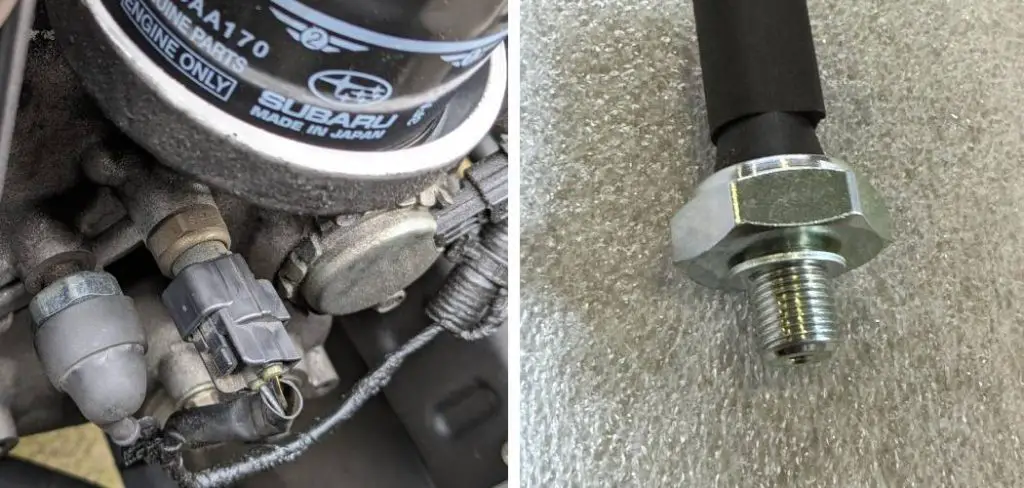
Source: safetywish.com
Can You Actually Reset an Oil Pressure Sensor?
Usually, no. An oil pressure sensor or switch is designed to report oil pressure to the vehicle’s instrument cluster or engine control system. It is not normally a maintenance counter that needs to be reset after an oil change.
If the oil pressure warning turns off after the engine starts and remains off, there may be no reset procedure at all. If the warning stays on, the priority is finding out why the vehicle is reporting low pressure rather than repeatedly clearing the warning.
Some vehicles can store diagnostic trouble codes related to the oil pressure sensor circuit. A scan tool may clear a stored code after the fault has been repaired. However, the code can return if the underlying electrical or mechanical problem remains.
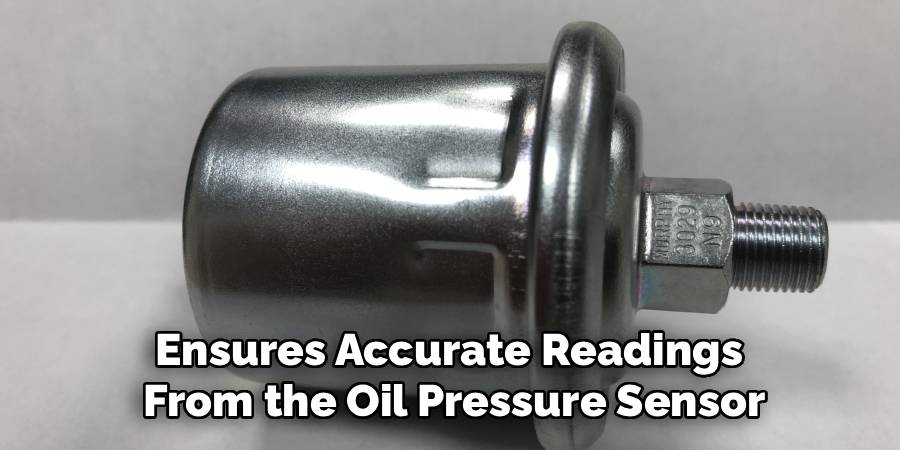
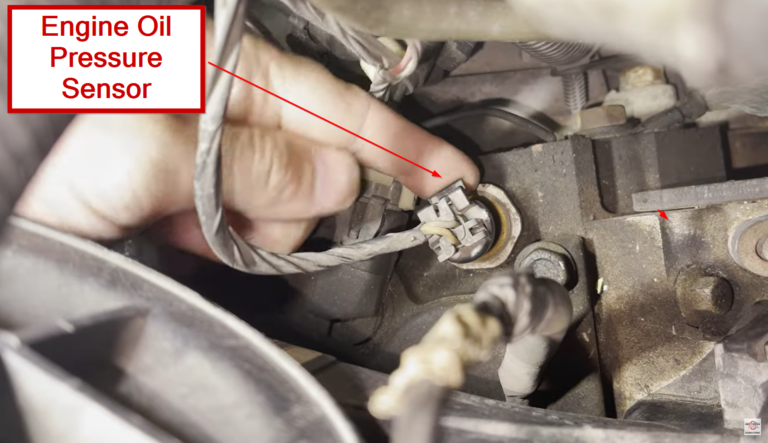
Source: www.youtube.com > WeeklyTools
Oil pressure warning
This warning can indicate insufficient engine oil pressure and should be treated as an urgent mechanical warning.
Oil pressure sensor fault
A failed sensor, switch, connector, or wiring circuit can create a false pressure warning even when actual pressure is normal.
Oil-life reminder
This is a maintenance reminder that can usually be reset after an oil change using a vehicle-specific procedure.
Diagnostic trouble code
A stored code identifies a detected fault but does not by itself prove that the sensor is defective.
Why the Warning May Turn Off by Itself
The oil pressure warning commonly stays illuminated before the engine starts because oil pressure has not yet been established. After the engine starts, pressure should build and the warning should turn off. If it remains illuminated while the engine is running, the condition requires attention.
A warning that disappears after startup is different from a warning that stays on, flickers while driving, or returns repeatedly. Repeated warnings should not be dismissed simply because the light eventually goes out.
Normal startup behavior
A brief warning during the ignition and startup sequence can be part of the normal indicator check.
Persistent warning
A warning that remains on after startup can indicate low pressure, a sensor fault, or an electrical problem.
What to Do Before Trying to Reset the Warning
Do not start by disconnecting the battery or erasing codes. First determine whether the engine may actually have low oil pressure. Continuing to run an engine with inadequate oil pressure can cause severe internal damage.
If the warning appears while driving, safely move the vehicle off the road and shut the engine off. Park on level ground when practical and follow the oil-check procedure in the owner’s manual. Allow the vehicle to sit for the period specified by the manufacturer before checking the dipstick.
If the oil level is below the specified range, add the correct engine oil in the amount required to bring it into range. Do not overfill the engine. If the level is normal and the warning remains, adding more oil is not an appropriate reset method.
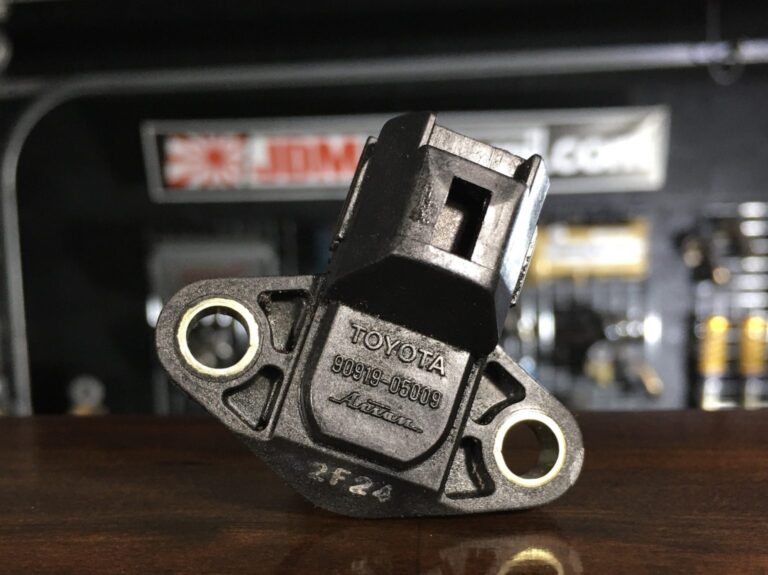
Source: hitchesguide.com
Stop safely
Pull over as soon as it is safe and shut the engine off if a true oil pressure warning appears while driving.
Check the oil level
Use the manufacturer’s dipstick procedure and verify that the oil level is within the specified range.
Look for obvious leaks
Check for fresh oil around the vehicle or visible engine components, while avoiding hot or moving parts.
Read the owner’s manual
Confirm the exact warning symbol and the manufacturer’s instructions for that specific vehicle.
When You Should Not Restart the Engine
Do not keep restarting the engine to see whether the light disappears when the oil level is correct but the warning remains. A manufacturer warning for low oil pressure can represent an actual lubrication problem. If the warning persists, professional diagnosis or towing is safer than continued driving.
An oil pressure warning is especially concerning when it appears with abnormal engine noise, an oil leak, overheating, or other signs of mechanical trouble. These symptoms can indicate a problem beyond the sensor itself.
Warning stays on
Do not continue driving simply because the engine still runs.
Engine noise appears
Unusual knocking, ticking, or other mechanical noise increases the need for immediate inspection.
Oil level is normal
A normal dipstick reading does not prove that the engine has adequate oil pressure.
How to Reset Oil Pressure Sensor After Correcting the Problem
The correct reset process depends on what caused the warning. If the warning was caused by low oil level and the vehicle manufacturer’s procedure confirms that the pressure warning has cleared, no separate sensor reset may be necessary. If a failed sensor or wiring problem caused the warning, repair the fault first.
After the repair, start the engine and observe the warning indicator. A healthy system should respond to actual oil pressure according to the vehicle’s design. If the warning remains on, shut the engine off and continue diagnosis instead of repeatedly restarting it.
If a diagnostic trouble code remains stored, use a compatible scan tool to read the code and follow the manufacturer’s diagnostic procedure. Clear the code only after the cause has been repaired and the vehicle has passed the relevant checks.
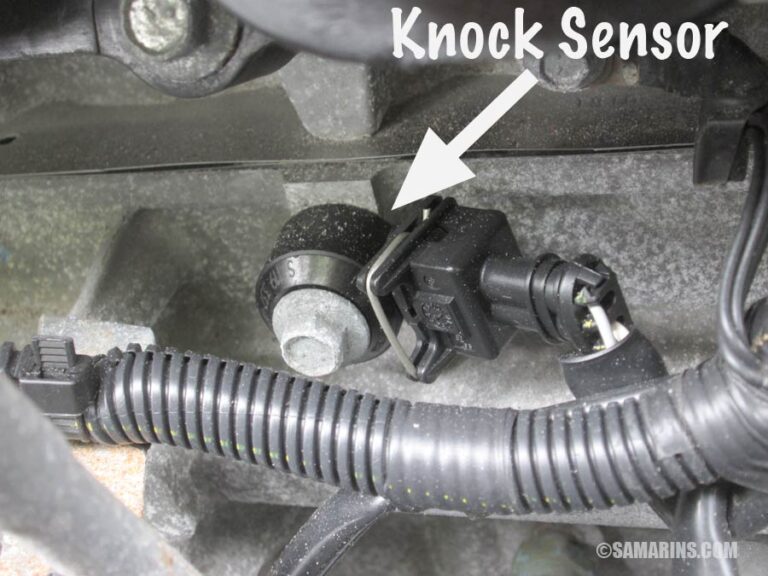
Source: cbgbfest.com
Step 1: Identify the warning
Confirm whether the dashboard is showing an oil pressure warning, oil-life reminder, check-engine warning, or another maintenance message.
Step 2: Correct the cause
Address low oil level, a leaking sensor, damaged wiring, a faulty sensor, or a verified mechanical pressure problem as appropriate.
Step 3: Restart only when appropriate
Follow the vehicle owner’s manual and restart only after the immediate cause has been addressed.
Step 4: Verify the warning
Watch the indicator after startup and confirm that it behaves normally.
Step 5: Clear stored codes if required
Use a compatible scan tool only after diagnosis and repair, then confirm that the code does not return.
Do Not Use a Battery Disconnect as the First Reset Method
Disconnecting the battery may erase or interrupt some stored electronic information, but it does not repair low engine oil pressure or a defective sensor. It can also affect vehicle settings and may not clear all diagnostic information on modern vehicles.
A battery reset therefore should not be treated as a universal oil pressure sensor reset. The repair should address the reason the warning appeared.
It does not restore oil pressure
Electrical power removal cannot repair an oil pump, blocked pickup, internal wear, low oil level, or another mechanical fault.
It may not solve a sensor fault
A damaged sensor or circuit can immediately trigger the warning again after the vehicle is powered back on.
How to Tell Whether the Sensor or the Engine Is the Problem
The most important diagnostic question is whether the engine actually has low oil pressure. A faulty sensor can create a false warning, but a sensor should not be blamed without checking the underlying pressure when the warning persists.
A technician can compare the vehicle’s electronic pressure signal with actual oil pressure measured using a suitable mechanical pressure gauge. The exact acceptable pressure varies by engine, temperature, oil viscosity, and manufacturer specification, so there is no universal pressure number that applies to every vehicle.
If measured pressure is within the manufacturer’s specification but the dashboard still reports a low-pressure condition, attention can shift toward the sensor, switch, wiring, connector, or control system. If measured pressure is below specification, the problem is more likely to involve the lubrication system or engine itself.
Source: safetywish.com
Pressure tests normal
A normal mechanical pressure reading can support further investigation of the sensor and electrical circuit.
Pressure tests low
Low measured pressure requires mechanical diagnosis rather than simply resetting the warning.
Oil leak is present
A leak can reduce oil level and may contribute to a genuine lubrication problem.
Sensor connector is damaged
Corrosion, loose terminals, broken wires, or oil contamination can interfere with the pressure signal.
Common Causes of an Oil Pressure Warning
Low engine oil level is one possible cause, but it is not the only one. Other possibilities include an incorrect oil grade, a clogged oil pickup or filter, a failing oil pump, internal engine wear, a leaking pressure switch, or an electrical fault.
Because these causes have very different repair requirements, a warning should be diagnosed rather than treated with a generic reset procedure.
Low oil level
Insufficient oil can reduce the amount of oil available to the pump and lubrication system.
Faulty pressure sensor or switch
A failed pressure-reporting component can send an incorrect signal to the vehicle.
Electrical fault
Damaged wiring, poor connections, or corrosion can disrupt the sensor circuit.
Mechanical pressure problem
Oil pump problems, restricted oil flow, or internal engine wear can produce genuinely low pressure.
What If the Oil Pressure Warning Comes Back?
If the warning returns after an apparent reset or repair, do not keep clearing it. A recurring warning means the underlying condition may still be present or the original diagnosis may have been incomplete.
Start by checking the oil level again and looking for new leaks. If the level is correct, the next step should normally be diagnosis based on the vehicle’s service information. A recurring sensor code may require circuit testing, while a low-pressure condition may require direct pressure measurement and mechanical inspection.
The exact diagnostic sequence differs by vehicle. Some engines use a simple pressure switch, while others use an electronic pressure sensor and may have more than one oil pressure monitoring strategy. Follow the service information for the specific year, make, model, and engine.
Source: carbuzz.com
The light returns immediately
Treat an immediate return as evidence that the fault may still exist rather than assuming the reset failed.
The light flickers at idle
Intermittent warnings can still indicate a pressure or sensor problem and should be investigated.
A code returns
Read the exact diagnostic trouble code and use the manufacturer’s testing procedure rather than replacing parts based only on the code name.
The oil level keeps dropping
Find the reason for oil loss instead of repeatedly topping off the engine without investigating.
When Professional Diagnosis Is the Better Choice
Professional help is appropriate when the warning remains on with the correct oil level, actual oil pressure is unknown, the engine makes abnormal mechanical noise, or the vehicle requires model-specific diagnostic equipment or service information.
A qualified technician can test actual oil pressure, inspect the sensor circuit, check for leaks, and compare the measured results with the manufacturer’s specifications. This reduces the risk of replacing a sensor when the real problem is mechanical.
Persistent warning
A warning that remains after checking the oil should not be ignored.
Low measured pressure
A confirmed pressure problem requires diagnosis of the lubrication system or engine.
Uncertain sensor location
Avoid removing components based on a generic diagram because sensor locations differ between engines.
Oil Pressure Sensor Reset vs. Oil Life Reset
Many searches for how to reset oil pressure sensor are actually about resetting the oil-life monitor after an oil change. These are separate systems. The oil-life monitor is a maintenance calculation, while the oil pressure system monitors engine lubrication pressure.
If you have just changed the engine oil and the dashboard still shows an oil-change reminder, use the reset procedure for the exact vehicle. That procedure may involve steering-wheel controls, an instrument-cluster menu, an ignition sequence, or another manufacturer-specific method.
Do not use an oil-life reset procedure to clear a true low oil pressure warning. Resetting the maintenance reminder does not increase oil pressure and should never be used to hide a pressure warning.
Source: hitchesguide.com
Oil-life monitor
Tracks a maintenance interval and can normally be reset after the required oil service.
Oil pressure sensor
Reports or switches based on engine oil pressure and normally does not have a routine service reset.
Low oil pressure warning
Requires the cause to be corrected and the warning condition verified.
How to Identify the Difference
Check the exact dashboard symbol and wording. A red oil-can symbol associated with oil pressure is different from a service reminder that says an oil change is due. Because symbols and messages vary by vehicle, the owner’s manual is the best reference for identification.
If the vehicle recently received an oil change but the red pressure warning remains on while the engine runs, do not assume the maintenance reminder simply needs resetting. Treat the pressure warning as a separate issue.
Red oil pressure symbol
Treat it as a potential lubrication-system problem and follow the vehicle’s emergency instructions.
Oil change or oil life message
Use the vehicle-specific maintenance reset procedure after completing the required service.
Common Mistakes When Trying to Reset an Oil Pressure Sensor
The biggest mistake is treating the warning like a routine maintenance reminder. An oil pressure warning can indicate a condition capable of damaging the engine, so clearing the dashboard message without finding the cause can create a false sense of security.
Another mistake is replacing the sensor immediately after seeing a pressure-related diagnostic code. A code can identify the circuit or signal that the vehicle considers abnormal, but it does not automatically prove that the sensor itself has failed.
Avoid universal reset instructions that ignore the vehicle’s year, make, model, and engine. Procedures, sensor designs, dashboard messages, and diagnostic strategies vary across vehicles.
Source: safetywish.com
Clearing the code before diagnosis
Erasing a code can remove useful diagnostic information without repairing the condition that caused it.
Adding oil without checking the level
Overfilling can also cause problems, so add oil only according to the manufacturer’s specified procedure.
Assuming the sensor is bad
Confirm actual pressure and inspect the circuit when the warning persists.
Continuing to drive with the warning
A persistent oil pressure warning should be treated as an urgent issue rather than a nuisance indicator.
Signs the Reset Was Successful
A successful repair is more than a dashboard light disappearing. The vehicle should operate according to the manufacturer’s specifications, the warning should remain off under the conditions that previously triggered it, and any relevant diagnostic code should stay cleared after the repair.
If the warning returns, stop treating the reset as the solution. The returning warning is useful diagnostic information and should lead to further testing.
Warning stays off
The oil pressure warning does not return during normal operation.
No unresolved fault remains
Relevant sensor, wiring, and pressure checks support the repair.
Vehicle-specific verification is complete
The repair has been checked using the manufacturer’s specifications and procedures.
Frequently Asked Questions
Q
How do I reset an oil pressure sensor after an oil change?
A normal oil change does not usually require an oil pressure sensor reset. If the dashboard shows an oil-life or oil-change reminder, reset that maintenance system using the vehicle-specific procedure in the owner’s manual.
If a red oil pressure warning remains after an oil change, check the oil level and diagnose the pressure system instead of treating it as a routine maintenance reset.
Q
Will disconnecting the battery reset the oil pressure warning?
Disconnecting the battery is not a reliable repair for an oil pressure warning. It may affect stored electronic information on some vehicles, but it cannot correct low engine oil pressure, a failed sensor, damaged wiring, or a mechanical lubrication problem.
Use the manufacturer’s diagnostic procedure and repair the underlying fault instead.
Q
Why is my oil pressure light still on after adding oil?
Adding oil only addresses low oil level. If the warning remains with the correct oil level, the engine may have an actual pressure problem or the sensor and electrical circuit may be reporting incorrectly.
Do not continue driving simply because the dipstick shows enough oil. The actual pressure may need to be measured and compared with the manufacturer’s specification.
Q
Can a bad oil pressure sensor cause the warning light to come on?
Yes. A defective sensor or switch, damaged wiring, or a poor electrical connection can produce an incorrect oil pressure warning. However, the sensor should not automatically be blamed because a real loss of oil pressure can produce the same symptom.
Testing actual oil pressure is an important way to distinguish a reporting problem from a genuine lubrication problem.
Q
Can I drive with the oil pressure warning light on?
You should not continue normal driving with a persistent oil pressure warning. Low engine oil pressure can prevent adequate lubrication and may cause serious engine damage.
Safely stop the vehicle, shut the engine off, check the oil level according to the owner’s manual, and arrange appropriate diagnosis if the warning remains.
Q
How do I know whether I need to replace the oil pressure sensor?
A sensor replacement is more appropriate when testing shows that actual oil pressure is within the manufacturer’s specification but the sensor signal or circuit is faulty. A diagnostic trouble code alone does not always prove that the sensor itself has failed.
A technician may inspect the connector and wiring and compare sensor readings with measured mechanical oil pressure before replacing the component.
✦ Wrapping Up
Conclusion
The safest answer to how to reset oil pressure sensor is that most true oil pressure warnings are not reset like maintenance reminders. The warning should disappear when normal oil pressure is restored and the reporting system is functioning correctly. If the warning remains, the cause needs diagnosis rather than repeated resets.
For U.S. drivers, start with the vehicle owner’s manual, safely check the oil level, and distinguish the red oil pressure warning from the oil-life service reminder. If the warning persists with the correct oil level, avoid unnecessary driving and have actual oil pressure, the sensor, and its circuit checked as appropriate for the vehicle.
A scan tool can be useful for reading and clearing stored diagnostic codes after repairs, but code clearing is the final verification step, not a substitute for fixing an oil pressure problem.
💡 Key Takeaway
If the red oil pressure warning stays on after startup, shut the engine off, verify the oil level, and diagnose the cause before driving again; do not rely on a reset to hide the warning.
Ethan Brooks is an automotive writer at Auto News 7, covering car news, vehicle maintenance, new model updates, recalls, and practical buying guides. He focuses on clear, useful information that helps drivers understand their vehicles and make better ownership decisions.
Learn whether a camshaft sensor is covered under a powertrain warranty, what affects coverage, common exceptions, and how to file a warranty claim in the United States.
Learn whether a knock sensor code can fail an emissions test, how inspection programs work, common OBD-II rules, and what to do before testing your vehicle.
Learn how long to replace camshaft position sensor components, what affects repair time, labor costs, common symptoms, and whether you can do the job yourself.
Learn whether camshaft and crankshaft sensors are the same, how they work, their differences, symptoms of failure, and when each sensor needs replacement.