Yes, a knock sensor code can cause an emissions test failure in many U.S. states.
Across the United States, many emissions inspection programs rely on the vehicle’s OBD-II system. If a knock sensor fault triggers the check engine light and stores an active diagnostic trouble code, the vehicle may fail inspection even when tailpipe emissions appear normal.
The exact outcome depends on state regulations, vehicle model year, and the type of emissions test used. Understanding how knock sensor codes affect engine management and inspection readiness can help you avoid a failed test and unnecessary retesting fees.
Source: thecarbuzz.com
Will a Knock Sensor Code Fail Emissions?
In many states, the answer is yes. If the knock sensor fault has triggered the malfunction indicator lamp, commonly called the check engine light, inspectors typically record the active diagnostic trouble code and fail the vehicle.
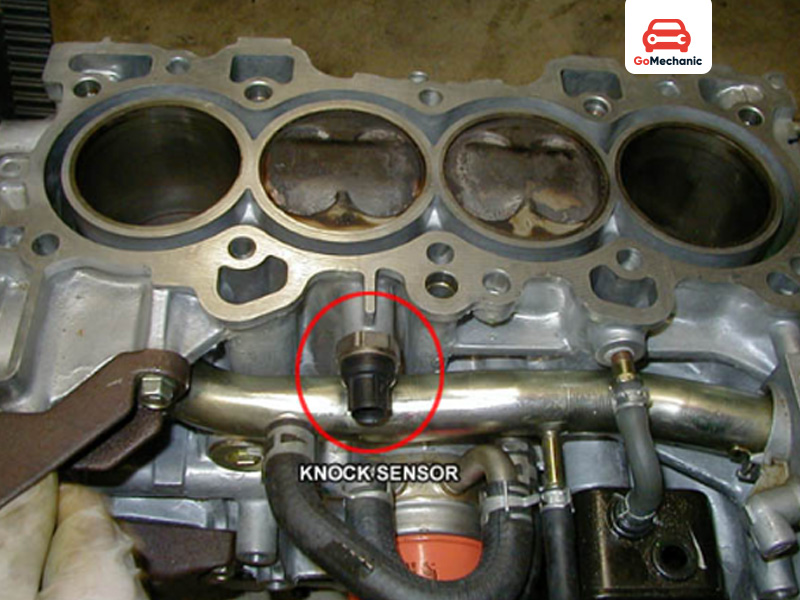
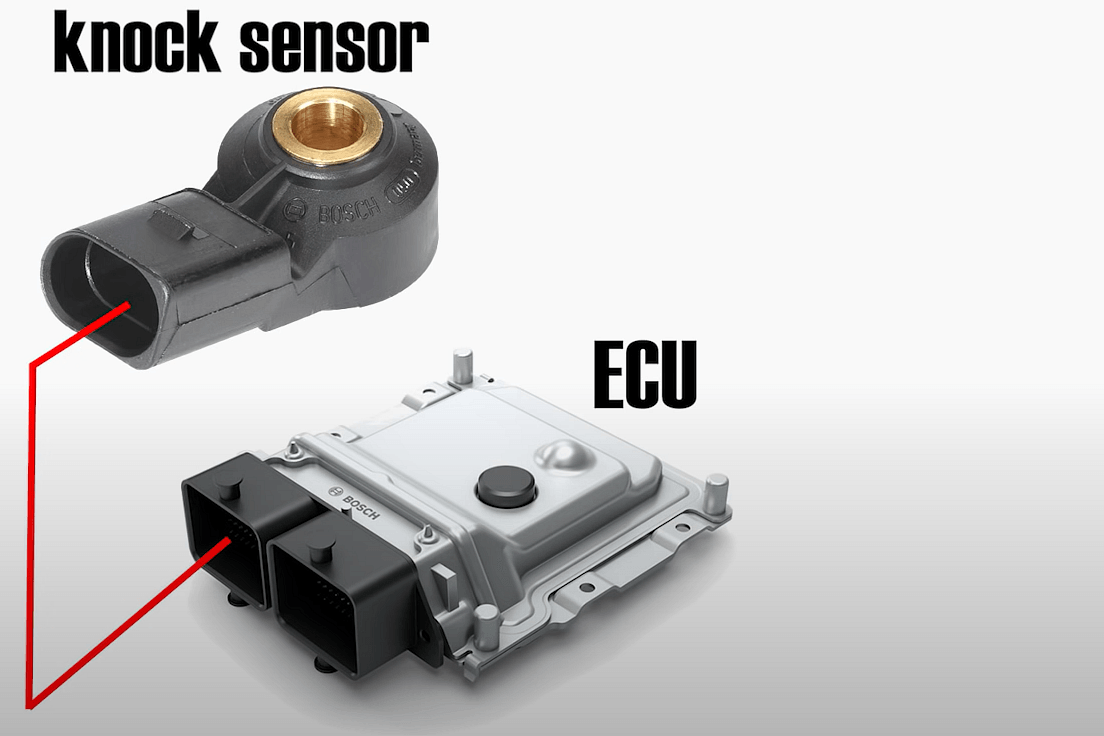
A knock sensor helps the engine control module detect abnormal combustion. When the sensor or its circuit malfunctions, the computer may adjust ignition timing and store a fault code such as P0325 or a related knock sensor code.
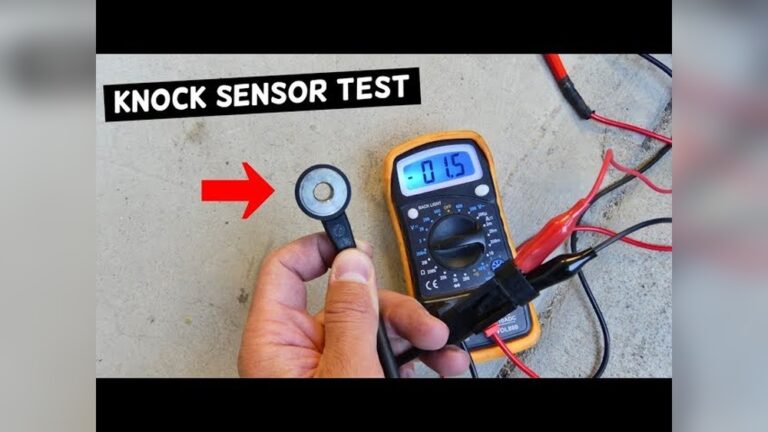
Source: i.ytimg.com
Check Engine Light On
Most OBD-II emissions programs fail vehicles with an active emissions-related fault.
Stored Trouble Codes
Knock sensor codes are commonly reviewed during electronic inspections.
Why Inspectors Care About Sensor Faults
Modern emissions systems depend on accurate engine management data. A failed sensor can affect ignition timing, combustion efficiency, and emissions performance.
Engine Control
The sensor contributes to proper timing adjustments during engine operation.
How Emissions Testing Works in the United States
Most newer vehicles undergo an OBD-II inspection. Inspectors connect diagnostic equipment to verify that no emissions-related codes are present and that required readiness monitors have completed.
Older testing methods measured exhaust gases directly. While some areas still use additional testing methods, electronic diagnostics have become the primary inspection tool for many passenger vehicles.
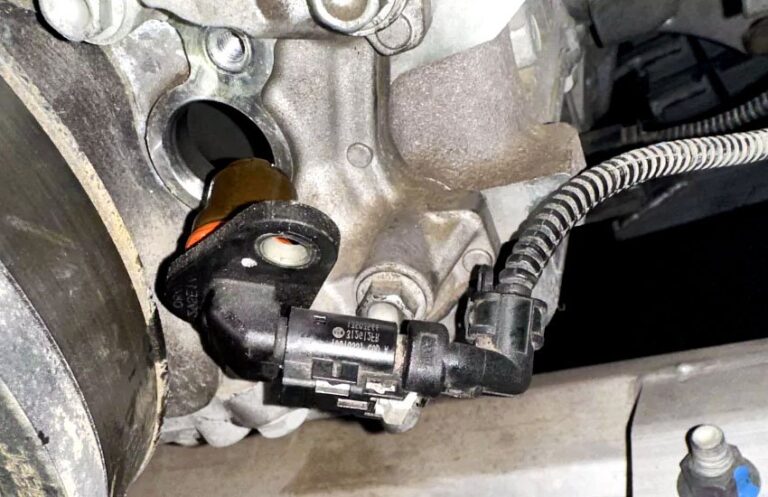
Source: i.ytimg.com
OBD-II Scan
Checks for active or stored emissions-related trouble codes.
Readiness Monitors
Verifies that self-diagnostic systems have completed testing.
State Rules Can Differ
Inspection standards vary by state and sometimes by county. Always verify local requirements before scheduling a test.
Local Requirements
Some areas allow limited incomplete monitors while others do not.
Can a Knock Sensor Affect Actual Emissions?
A faulty knock sensor does not always create a dramatic increase in emissions, but it can influence how the engine operates. The engine computer may use conservative ignition timing to protect the engine from potential knock.
Retarded timing can reduce performance, lower fuel efficiency, and alter combustion characteristics. In some cases, those changes may contribute to higher emissions output.
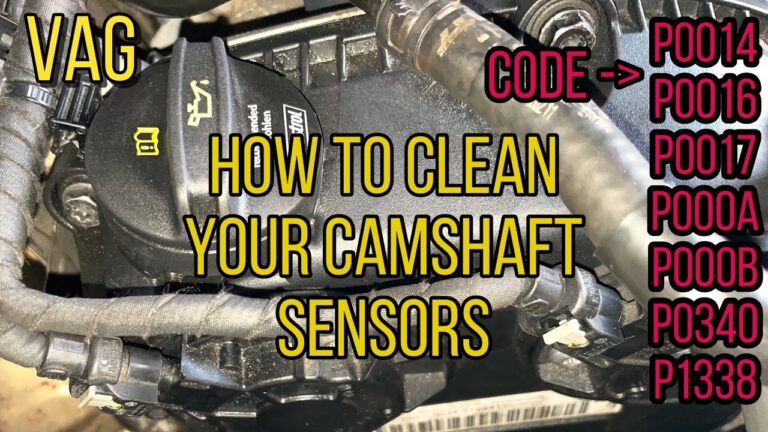
Source: blogs.gomechanic.com
Reduced Efficiency
Engine timing adjustments can affect fuel consumption and combustion quality.
Performance Changes
Drivers may notice slower acceleration or reduced power.
Indirect Emissions Impact
The primary inspection concern is often the diagnostic fault itself, but engine operation changes can also affect emissions performance.
Computer Strategy
The vehicle may enter a protective operating mode.
What Happens If You Clear the Code Before Testing?
Simply clearing a knock sensor code is rarely a reliable solution. When diagnostic information is erased, readiness monitors often reset to an incomplete state.
Many emissions programs check monitor status. If too many monitors remain incomplete, the vehicle can fail even when the check engine light is temporarily off.
Source: tonybassogm.com
Temporary Fix
Clearing codes does not repair the underlying fault.
Monitor Reset
The vehicle may need a complete drive cycle before monitors become ready.
Drive Cycle Requirements
After repairs, the vehicle usually needs normal driving under various conditions so onboard tests can complete successfully.
Verification
A scan tool can confirm readiness monitor status before inspection.
Best Steps Before an Emissions Inspection
Diagnose the specific fault code, inspect wiring and connectors, and repair the knock sensor system if necessary. Confirm that the check engine light remains off after repairs.
Before visiting the inspection station, verify that readiness monitors are complete and that no pending or active trouble codes remain stored in the engine control module.
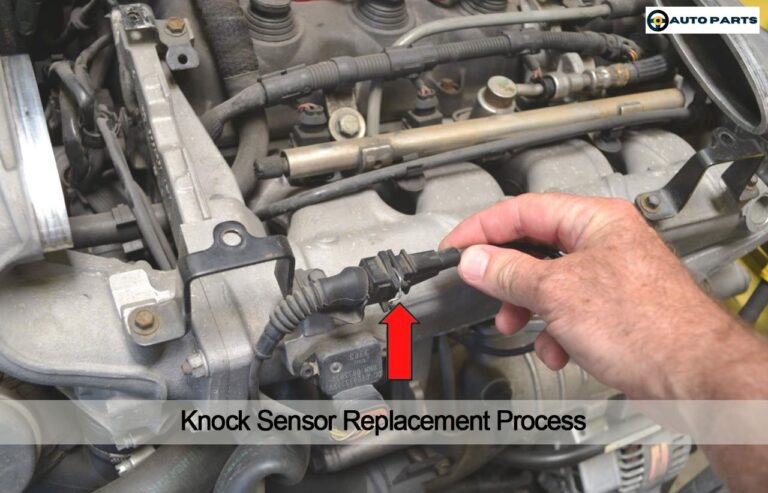
Source: static0.carbuzzimages.com
Scan the Vehicle
Use a quality scan tool to identify active and pending codes.
Complete Repairs
Fix the root cause rather than clearing codes temporarily.
Check Readiness
Ensure required monitors show ready status.
When Professional Diagnosis Helps
If the code returns after replacement, additional testing may be needed to inspect wiring, connectors, engine noise issues, or control module faults.
Persistent Codes
Repeated failures often require advanced diagnostic procedures.
Frequently Asked Questions
Q
Will a P0325 code fail emissions?
In many jurisdictions, yes. P0325 is a common knock sensor circuit code and can trigger a failed inspection if it illuminates the check engine light.
Q
Can I pass emissions with a check engine light on?
Most OBD-II emissions programs fail vehicles with an active check engine light related to emissions monitoring or engine management.
Q
Does a knock sensor directly control emissions?
Not directly, but it helps the engine computer optimize ignition timing. Incorrect timing can influence engine efficiency and emissions output.
Q
How much does it cost to fix a knock sensor problem?
Costs vary by vehicle, labor requirements, and whether the issue involves the sensor, wiring, connectors, or other related components.
Q
How do I know if my readiness monitors are complete?
A scan tool can display monitor status. Most repair shops and many parts stores can also help verify readiness before inspection.
✦ Wrapping Up
Conclusion
For most drivers, the answer to the question will a knock sensor code fail emissions is yes when the fault triggers the check engine light or creates an active OBD-II trouble code. Modern inspection programs rely heavily on onboard diagnostics.
The best approach is to diagnose and repair the underlying knock sensor issue, complete any required drive cycles, and confirm readiness monitor status before scheduling an inspection.
💡 Key Takeaway
Repair the knock sensor fault, verify monitor readiness, and confirm that no active codes remain before taking your vehicle for an emissions test.
Ethan Brooks is an automotive writer at Auto News 7, covering car news, vehicle maintenance, new model updates, recalls, and practical buying guides. He focuses on clear, useful information that helps drivers understand their vehicles and make better ownership decisions.
Learn how to test a camshaft position sensor on Ford vehicles using a multimeter and scan tool. Follow a clear step-by-step process to diagnose sensor faults, wiring issues, and engine performance problems.
Learn how to replace a crankshaft position sensor with a detailed step-by-step guide, tools list, troubleshooting tips, safety advice, and signs of a successful repair.
Learn how to clean camshaft position sensor components safely with a simple step-by-step process, tools list, troubleshooting tips, and common mistakes to avoid.
Learn how to test a GM knock sensor using a multimeter, scan tool, and practical diagnostic steps. Discover common symptoms, testing methods, and troubleshooting tips for Chevrolet, GMC, Cadillac, and Buick vehicles.