Yes, Acura ILX models have a knock sensor that helps detect engine detonation and protect the engine.
For Acura ILX owners in the United States, the answer is yes. Acura equipped the ILX with a detonation or knock-control system that uses a block-mounted acoustic knock sensor to monitor combustion-related vibration. Acura described this system in its U.S. launch information for the ILX and explained that the sensor sends information to the powertrain control module so ignition timing can be adjusted when needed.
The exact engine and model year still matter when diagnosing or replacing the sensor. The first-generation U.S. ILX was offered with 2.0-liter, 2.4-liter, and 1.5-liter hybrid powertrains, while later ILX models used the 2.4-liter engine. Genuine-parts catalogs also list knock sensor part 30530-R1A-A01 for ILX applications through the 2022 model year.
Source: blogs.gomechanic.com
Does the Acura ILX Have a Knock Sensor?
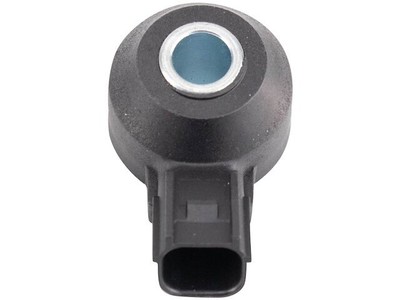
Yes. The Acura ILX has a knock sensor, also called a detonation sensor. Acura’s U.S. information for the 2013 ILX states that all ILX engines use a direct ignition system and a block-mounted acoustic detonation knock sensor.
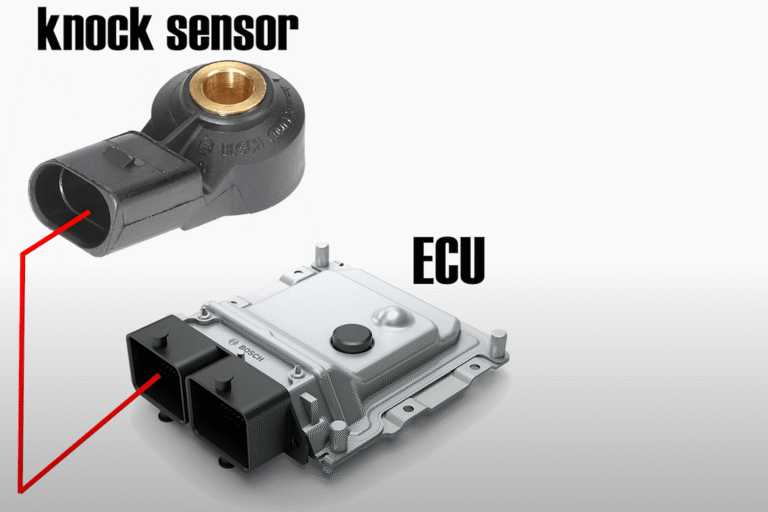
The sensor is part of the engine management system. It monitors engine vibration for frequencies associated with abnormal combustion and sends that information to the powertrain control module. The module can then alter ignition timing to help control detonation.
This means the knock sensor is not an optional accessory or an aftermarket feature. It is a factory component of the ILX engine control system.
Source: i.ebayimg.com
Sensor type
The ILX uses an acoustic knock or detonation sensor that responds to engine vibration.
Control module
The sensor sends information to the powertrain control module, which uses the signal when managing ignition timing.
Primary purpose
The system helps the engine recognize and control abnormal combustion rather than allowing sustained detonation.
What Is a Knock Sensor?
A knock sensor is an engine-mounted sensor designed to detect vibration associated with combustion knock. Combustion knock, also called detonation, occurs when part of the air-fuel mixture burns in an abnormal way instead of following the intended combustion pattern.
The sensor converts the vibration into an electrical signal. The engine control system evaluates that signal along with other operating information and can adjust ignition timing when the conditions call for it.
Knock
Abnormal combustion that can create a sharp pressure event and characteristic vibration inside the engine.
Sensor signal
An electrical signal representing detected engine vibration is sent to the engine control system.
Which Acura ILX Models Use a Knock Sensor?
Knock-sensor applications cover the ILX range, but the engine configuration changed during the model’s production run. The 2013 U.S. ILX was available with 2.0-liter, 2.4-liter, and 1.5-liter hybrid powertrains. Acura’s documentation identifies a knock-control system across the ILX engine lineup.
Later ILX models used the 2.4-liter four-cylinder engine. Parts catalogs identify genuine Acura knock sensor 30530-R1A-A01 as an ILX application and list ILX model years from 2013 through 2022.
Because parts catalogs can group several engine applications under one listing, do not order a sensor based only on the vehicle name. Confirm the year, engine, and VIN before installing a replacement.
Source: i.ebayimg.com
2013 ILX
The U.S. lineup included 2.0-liter, 2.4-liter, and 1.5-liter hybrid powertrains, with Acura documenting knock-control technology.
2014 to 2015 ILX
The ILX continued with multiple engine configurations, so the correct sensor application should be matched to the specific vehicle.
2016 to 2022 ILX
The later ILX used a 2.4-liter engine, and genuine-parts listings identify a knock sensor application for these vehicles.
Why the Model Year Matters
The presence of a knock sensor does not mean every ILX uses the same surrounding wiring, connector, calibration, or service procedure. Engine changes can affect the correct replacement part and diagnostic method.
If you are replacing a sensor, use the VIN or an exact factory parts lookup. This is more reliable than matching a generic sensor by appearance.
Engine variation
Different ILX engines can require different parts or diagnostic information.
VIN verification
A VIN-based parts check reduces the chance of installing an incorrect sensor.
Where Is the Knock Sensor on an Acura ILX?
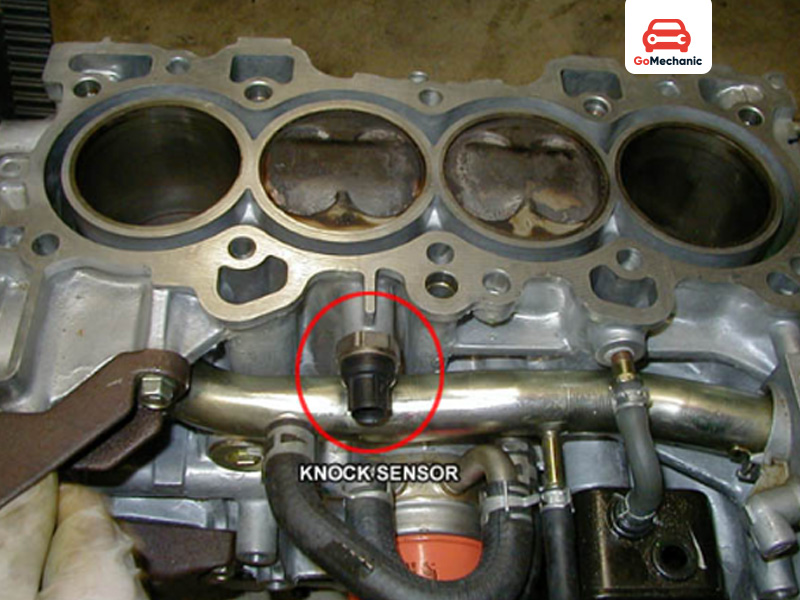
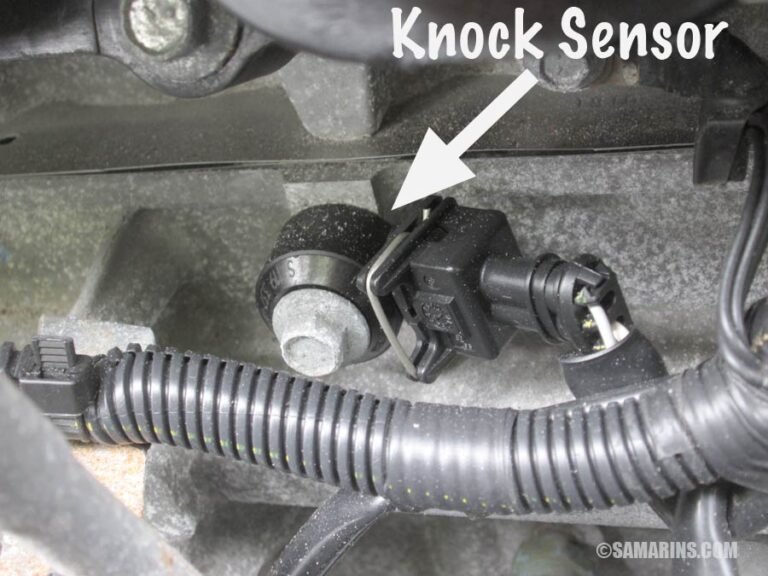
The knock sensor is mounted directly to the engine so it can detect combustion-related vibration through the engine structure. Acura’s description of the ILX system identifies it as a block-mounted acoustic detonation sensor.
The exact access point depends on the engine. Because the ILX was sold with several engines during its production, the location and removal procedure should be checked against the service information for the specific model year and engine.
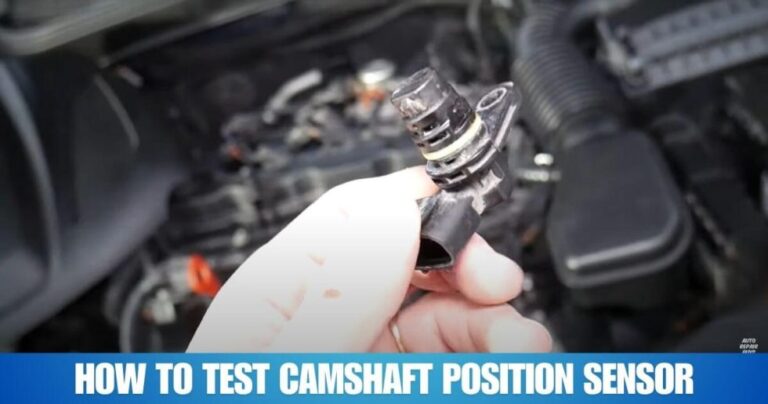
Do not assume that the easiest-to-see sensor on the engine is the knock sensor. The ILX also has other sensors, including crankshaft and camshaft position sensors, that perform completely different jobs.
Source: i.ebayimg.com
Mounted to the engine
The knock sensor is positioned where engine vibration can be detected accurately.
Not a wheel or exhaust sensor
The knock sensor is part of the engine control system and is physically associated with the engine.
Access varies
The required access and removal steps depend on the particular ILX engine.
Do Not Confuse It With Other Engine Sensors
A crankshaft position sensor reports crankshaft position and speed. A camshaft position sensor reports camshaft timing information. The knock sensor has a different role: it provides information about vibration associated with combustion knock.
Confusing these sensors can lead to unnecessary parts replacement. Identify the diagnostic code, wiring circuit, and factory sensor location before beginning repairs.
Crankshaft sensor
Provides crankshaft position and speed information used by the engine control system.
Camshaft sensor
Provides camshaft position information used for engine timing and control.
Knock sensor
Detects vibration associated with abnormal combustion and supplies that information to the engine control system.
What Does the Acura ILX Knock Sensor Do?
The Acura ILX knock sensor helps the engine control system recognize abnormal combustion. When combustion produces vibration within the sensor’s detection range, the sensor generates a signal that the powertrain control module can evaluate.
The control system can use this information to modify ignition timing. Retarding ignition timing under knock conditions can reduce the tendency for damaging detonation and help the engine operate within its intended control strategy.
The sensor does not prevent every possible engine noise. Mechanical problems, loose components, exhaust rattles, and other faults can also create sounds or vibrations. A noise alone is not enough to diagnose a failed knock sensor.
Source: i5.walmartimages.com
Detects vibration
The sensor monitors engine vibration for characteristics associated with combustion knock.
Reports to the PCM
The sensor provides an electrical signal to the powertrain control system.
Supports ignition control
The PCM can adjust ignition timing in response to detected knock conditions.
Why Knock Control Matters
An engine is designed to burn its air-fuel mixture in a controlled sequence. Abnormal combustion can create unwanted pressure and heat. Knock control gives the engine management system a way to respond to detected combustion-related vibration.
That does not make the knock sensor a substitute for correct fuel, cooling, ignition, and engine maintenance. A persistent engine problem should still be diagnosed at its source.
Engine protection
Knock control helps the engine management system respond when abnormal combustion is detected.
Ignition adjustment
The PCM can change ignition timing as part of its response to knock information.
What Are the Signs of a Bad Acura ILX Knock Sensor?
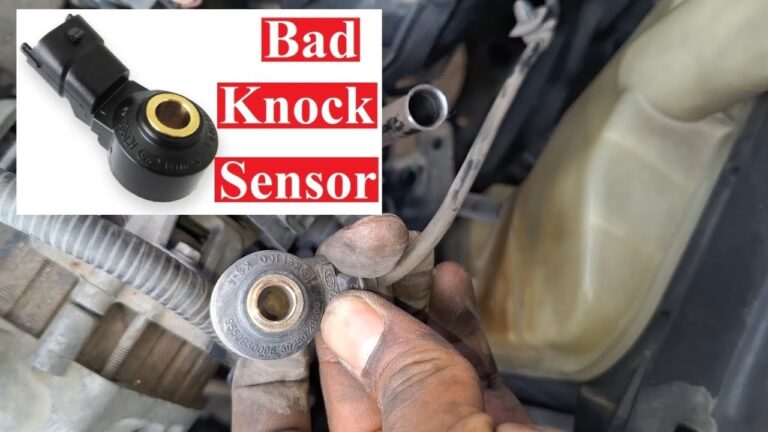
A failed knock sensor or its circuit can cause a malfunction indicator light and diagnostic trouble code. Other symptoms can vary because the engine control system may use substitute values or protective strategies when a sensor signal is missing or implausible.
Possible symptoms can include reduced engine performance, changes in acceleration, or reduced fuel economy. However, these symptoms are not unique to a knock sensor and can also result from ignition, fuel, air, timing, or mechanical problems.
The most useful starting point is the diagnostic trouble code and the associated wiring inspection. Do not replace the sensor simply because the engine has a tapping or pinging sound.
Source: i.ytimg.com
Check engine light
A fault in the sensor circuit or signal can trigger the malfunction indicator.
Performance changes
Engine control changes caused by a suspected knock signal problem can affect how the vehicle responds.
Possible fuel economy changes
Changes in ignition strategy can affect engine operation, although fuel economy problems have many possible causes.
Stored diagnostic code
A scan tool can provide more useful diagnostic information than symptoms alone.
Sensor Failure Versus Actual Engine Knock
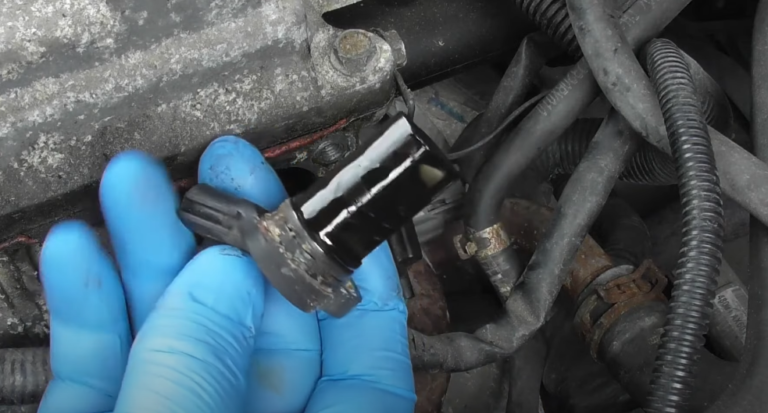
A knock sensor code does not automatically prove that the sensor itself is defective. The problem can involve the connector, wiring, mounting, signal circuit, or another engine condition that affects the detected signal.
Likewise, actual pinging or knocking does not prove that the sensor has failed. Fuel quality, ignition timing, temperature, mixture, carbon deposits, and mechanical conditions can influence combustion behavior.
Code present
Diagnose the complete sensor circuit before condemning the sensor.
Engine noise present
Determine whether the noise is combustion knock or a separate mechanical or exhaust-related noise.
How Should You Diagnose an Acura ILX Knock Sensor Problem?
Start with a diagnostic scan and then inspect the sensor circuit before replacing parts. This approach helps distinguish a defective sensor from a wiring problem or an engine condition that is producing an unexpected signal.
Use the diagnostic information for the exact ILX model year and engine. Factory service information can specify circuit tests, connector checks, sensor inspection procedures, and installation requirements that generic instructions may omit.
Source: i.ytimg.com
1. Scan for diagnostic trouble codes
Record the stored and pending codes before clearing anything. The code provides a starting point for the diagnosis.
2. Inspect the connector and wiring
Look for damaged insulation, corrosion, loose terminals, or wiring that has contacted hot or moving components.
3. Confirm the sensor installation
The sensor must be mounted correctly so it can detect engine vibration as designed.
4. Check the circuit using the correct procedure
Use model-specific service information for electrical tests and expected values rather than relying on a generic specification.
5. Consider other causes
If the sensor circuit checks out, investigate engine operating conditions that could create actual knock or an abnormal signal.
6. Clear codes and verify the repair
After the repair, follow the appropriate drive-cycle or verification procedure and confirm that the fault does not return.
When Professional Diagnosis Is the Better Choice
Professional diagnosis is appropriate when the code returns after a sensor replacement, when wiring tests are inconclusive, or when the engine has persistent knocking or severe performance problems. Incorrect diagnosis can result in replacing a working sensor while the real fault remains.
If the engine is producing severe or persistent knocking, avoid continued hard driving until the cause is established. A qualified technician can determine whether the noise is combustion-related or mechanical.
Repeated fault
A recurring code after replacement indicates that the original diagnosis may have been incomplete.
Severe engine noise
Persistent or worsening knocking should be evaluated before continued operation.
What Knock Sensor Part Does an Acura ILX Use?
A genuine Acura knock sensor commonly listed for the ILX is part number 30530-R1A-A01. Parts catalogs identify this sensor for ILX applications and list it across the model’s production range, including 2013 through 2022.
That listing is useful for identifying the factory component, but it should not replace VIN verification. Parts catalogs may group different engines and configurations under one component listing, and the correct installation procedure can still vary.
Aftermarket sensors are also available for the ILX. The important issue is not simply whether a sensor physically fits. The replacement must have the correct application, connector, electrical characteristics, and mounting requirements for the specific engine.
Source: i.ebayimg.com
Genuine part
30530-R1A-A01 is a genuine Acura knock sensor part number listed for ILX applications.
VIN check
Verify the part against the vehicle identification number before ordering.
Installation
Follow the exact service procedure for the engine rather than relying only on a generic replacement guide.
Should You Replace the Sensor With an OEM Part?
An OEM sensor is a reasonable choice when you want the component to match the factory application. A reputable aftermarket sensor can also be suitable when it is specifically cataloged for the correct ILX application and meets the required specifications.
Whichever part you choose, verify compatibility before installation. A lower price does not make an incorrectly matched sensor a good repair.
OEM
Useful when exact factory application and component specification are the priority.
Aftermarket
Can be appropriate when the manufacturer provides verified compatibility for the exact ILX application.
Common Mistakes When Diagnosing an ILX Knock Sensor
The most common mistake is treating a knock sensor as the only possible cause of a knock-related fault. The sensor, its wiring, its connector, its mounting, and the engine itself all need to be considered.
Another mistake is buying a replacement based only on the vehicle name. The ILX used multiple powertrains during its production, so the model year and engine matter when selecting parts and service information.
Source: i.ytimg.com
Replacing the sensor without scanning the vehicle
A diagnostic code can help identify the circuit or system that needs testing.
Ignoring the wiring
An open, shorted, damaged, or corroded circuit can produce a sensor-related fault.
Assuming every engine uses the same procedure
ILX engine configurations changed over the model’s production period.
Confusing engine noise with sensor failure
A mechanical rattle or exhaust noise is not proof that the knock sensor has failed.
Skipping post-repair verification
A repair should be verified by checking that the original fault does not return.
What to Do Before Buying a Replacement Sensor
Write down the ILX model year, engine, diagnostic trouble code, and VIN. Then compare those details with the parts catalog and service information.
If the vehicle has a check engine light, scan it before disconnecting the battery or clearing the code. Preserving the original diagnostic information can make troubleshooting much easier.
Record the code
Keep the original diagnostic information before clearing the malfunction indicator.
Confirm the engine
Use the exact engine configuration when researching the sensor.
Verify the part
Use the VIN or a reliable vehicle-specific catalog before purchasing.
Frequently Asked Questions
Q
Does every Acura ILX have a knock sensor?
Acura’s U.S. documentation for the 2013 ILX states that all ILX engines use a detonation or knock-control system with a block-mounted acoustic knock sensor. Later ILX parts catalogs also list knock sensor applications through the 2022 model year.
Q
How many knock sensors does an Acura ILX have?
The ILX is generally listed with a single knock sensor for its four-cylinder engine applications. The exact configuration should still be confirmed against the service information for the specific model year and engine.
Q
Where is the knock sensor located on an Acura ILX?
The knock sensor is mounted to the engine so it can detect engine vibration. The exact access point varies with the ILX engine, so the correct service information should be used before removal.
Q
Can a bad knock sensor cause a check engine light on an Acura ILX?
Yes. A fault in the knock sensor or its circuit can cause the engine control system to store a diagnostic trouble code and illuminate the check engine light. The code should be diagnosed before replacing the sensor.
Q
Does a knock sensor stop the Acura ILX from knocking?
The knock sensor does not physically stop combustion knock. It detects vibration associated with knock and sends information to the powertrain control module, which can adjust ignition timing as part of the engine’s knock-control strategy.
Q
What is the Acura ILX knock sensor part number?
Genuine-parts catalogs list 30530-R1A-A01 as a knock sensor used for Acura ILX applications. Always verify the part against the vehicle’s VIN, model year, and engine before ordering.
✦ Wrapping Up
Conclusion
The Acura ILX does have a knock sensor. Acura designed the ILX engine management system to use knock or detonation information to help the powertrain control module manage ignition timing and respond to abnormal combustion.
If your ILX has a knock-related diagnostic code, do not assume the sensor itself has failed. Scan the vehicle, inspect the connector and wiring, confirm the sensor application, and follow the service procedure for the exact engine.
💡 Key Takeaway
If your Acura ILX has a knock sensor code, record the code and verify the model year, engine, wiring, and VIN-specific replacement part before replacing the sensor.
Ethan Brooks is an automotive writer at Auto News 7, covering car news, vehicle maintenance, new model updates, recalls, and practical buying guides. He focuses on clear, useful information that helps drivers understand their vehicles and make better ownership decisions.
Learn how to replace camshaft position sensor Nissan Pathfinder models with a clear step-by-step guide, required tools, troubleshooting tips, and common mistakes to avoid.
Can a bad crankshaft sensor cause misfire? Learn how a faulty crankshaft position sensor can disrupt engine timing, trigger misfires, and cause stalling.
Learn what type of sensor is a knock sensor, how it works, the technology behind it, and why it is essential for modern vehicle engine protection and performance.
Learn how many ohms a camshaft sensor should have, why resistance varies by sensor type, and how to test a camshaft position sensor accurately with a multimeter.
Learn whether a knock sensor code is serious, what causes it, the risks of ignoring it, common symptoms, repair costs, and when immediate diagnosis is necessary.