A knock sensor code usually means the engine computer detected a problem with the knock sensor, its wiring, or the signal it receives.
In the United States, a knock sensor code commonly appears during routine OBD-II scans, emissions inspections, or after the check engine light turns on. The code does not always mean the knock sensor itself has failed. It means the vehicle’s engine control module detected an abnormal signal or performance issue related to the knock sensor system.
Understanding what does a knock sensor code mean is important because the sensor helps protect the engine from damaging detonation, also called spark knock. Ignoring the problem can reduce engine performance, lower fuel economy, and in some cases increase the risk of engine damage if true knocking is occurring.
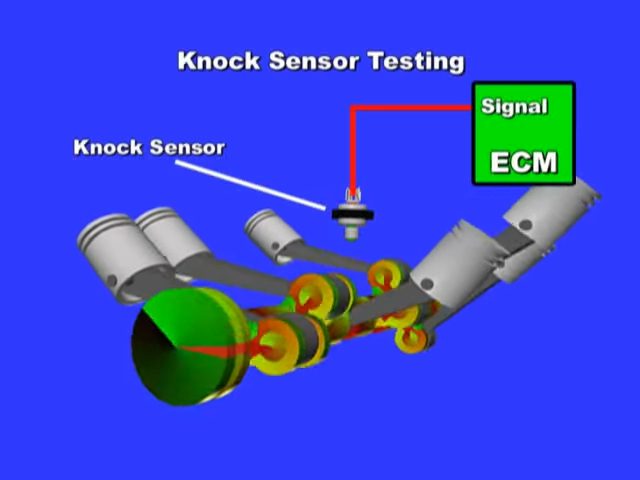
Source: toolsweek.com
What Does a Knock Sensor Code Mean?
A knock sensor code means the engine control module has detected an abnormal condition related to the knock sensor circuit or signal. The knock sensor listens for engine vibrations that indicate abnormal combustion. When the signal falls outside expected parameters, the computer stores a diagnostic trouble code.
The code may indicate an electrical problem, sensor malfunction, poor connection, damaged wiring, or actual engine knocking. The specific meaning depends on the exact trouble code stored in the vehicle’s computer.
Source: ricksfreeautorepairadvice.com
Sensor Circuit Problem
The computer detects an electrical issue in the sensor circuit.
Sensor Performance Issue
The sensor signal does not match expected operating conditions.
Engine Knock Detected
Abnormal combustion may be causing unexpected sensor activity.
Common Knock Sensor Trouble Codes
Many vehicles use codes such as P0325, P0326, P0327, P0328, P0329, and P0330. Each code points to a specific circuit, bank, or performance condition. Reading the exact code is essential before beginning repairs.
P0325
Knock sensor circuit malfunction on Bank 1.
P0327
Knock sensor input signal is lower than expected.
P0328
Knock sensor input signal is higher than expected.
How a Knock Sensor Works
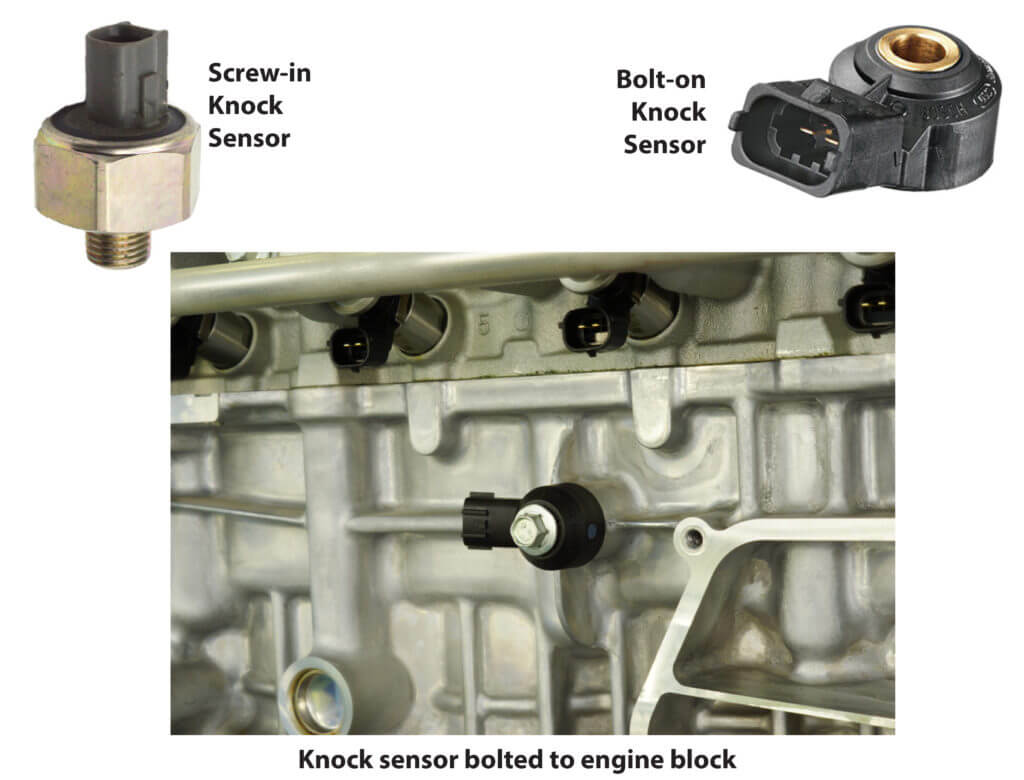
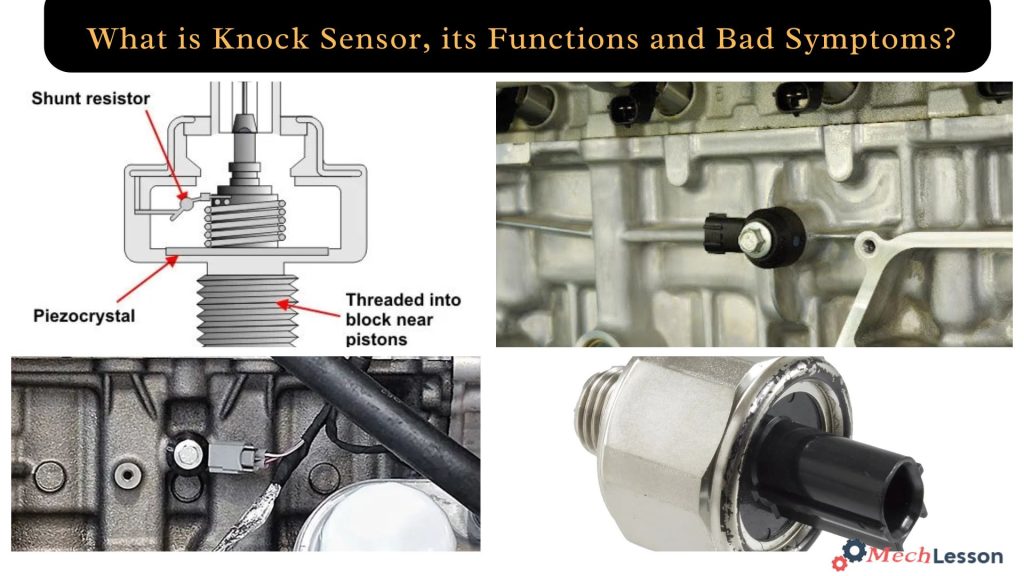
A knock sensor is mounted on the engine block or cylinder head. It detects vibration frequencies associated with detonation and sends information to the engine control module.
When knocking occurs, the computer adjusts ignition timing to reduce combustion pressure and protect engine components. This process helps prevent damage to pistons, valves, and bearings.
Source: cf.unikeyic.com
Detects Vibrations
The sensor monitors engine vibration patterns.
Sends Electrical Signals
The sensor converts vibration into voltage signals.
Protects the Engine
The computer changes timing when knock is detected.
Why the Sensor Is Important
Modern engines operate close to optimal ignition timing for efficiency and power. The knock sensor allows the engine to safely adapt to fuel quality, temperature, and load conditions.
Performance
Helps maintain proper engine output.
What Causes a Knock Sensor Code?
Several conditions can trigger a knock sensor code. Replacing the sensor without diagnosing the cause can result in unnecessary expense and recurring problems.
Electrical issues are among the most common causes. However, genuine engine knocking, fuel quality problems, and mechanical faults can also trigger related codes.
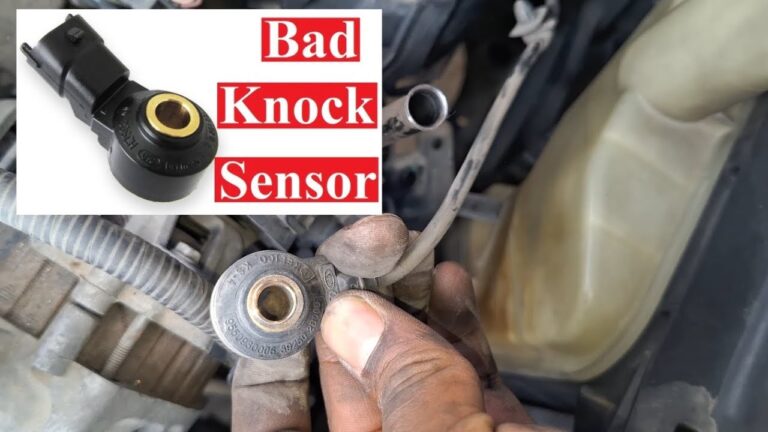
Source: i.ytimg.com
Failed Knock Sensor
Internal sensor damage can create incorrect signals.
Damaged Wiring
Broken, shorted, or corroded wires can interrupt communication.
Poor Electrical Connections
Loose connectors may cause intermittent faults.
Engine Detonation
Actual knocking may cause abnormal sensor activity.
Less Common Causes
Vacuum leaks, overheating, incorrect ignition timing, carbon buildup, and low-octane fuel can sometimes contribute to knock sensor-related trouble codes.
Fuel Quality
Using fuel below manufacturer requirements may contribute to knocking.
Symptoms Associated With a Knock Sensor Code
The most obvious symptom is an illuminated check engine light. Depending on the vehicle and fault severity, drivers may notice performance changes as the computer attempts to protect the engine.
Some vehicles enter a reduced-power mode that limits ignition timing to prevent potential engine damage.
Source: mechlesson.com
Check Engine Light
The warning light is often the first indication.
Reduced Acceleration
Engine timing adjustments may lower power output.
Poor Fuel Economy
Protective timing changes can increase fuel consumption.
Engine Ping or Knock
Actual detonation may be audible under load.
Symptoms Versus Causes
A knock sensor code is not always the direct cause of poor performance. The underlying issue that triggered the code may be responsible for the symptoms.
Diagnosis Matters
Identifying the root cause prevents unnecessary repairs.
How to Diagnose a Knock Sensor Code
Start by scanning the vehicle for all stored trouble codes. Related fuel, ignition, or misfire codes can provide valuable clues.
Inspect the sensor wiring, connectors, and mounting location. Check for corrosion, physical damage, loose connections, or signs of oil contamination.
Source: 2carpros.com
Read Stored Codes
Identify all active and pending diagnostic trouble codes.
Inspect Wiring
Look for damaged insulation and loose connectors.
Verify Sensor Operation
Use diagnostic equipment to evaluate sensor performance.
Check for Engine Knock
Determine whether real detonation is occurring.
When Professional Testing Helps
Some vehicles require advanced scan tools or electrical testing equipment to confirm sensor operation. Professional diagnosis can prevent unnecessary parts replacement.
Advanced Diagnostics
Live data and waveform analysis can pinpoint faults.
Can You Drive With a Knock Sensor Code?
In many cases, a vehicle can still be driven with a knock sensor code. However, driving should be limited until the cause is identified and repaired.
If the engine is experiencing actual knocking, continued operation may increase the risk of engine damage. Any unusual noises, severe performance loss, or additional warning lights should be investigated promptly.
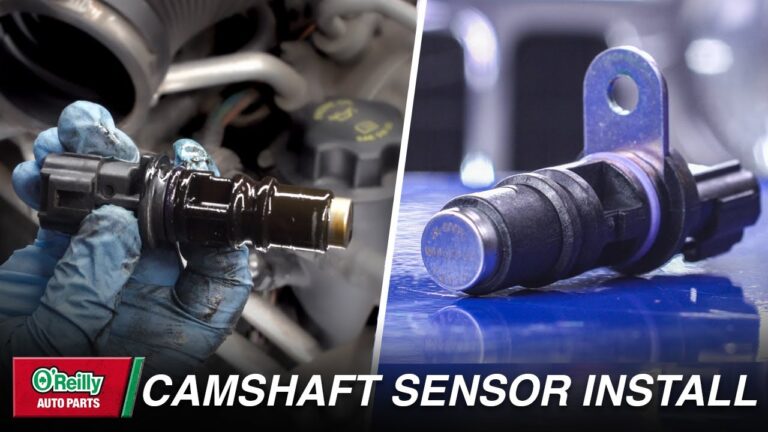
Source: i.ytimg.com
Short-Term Driving
Often possible if no severe symptoms are present.
Avoid Heavy Loads
High engine loads can worsen detonation problems.
Repair Promptly
Address the issue before it leads to additional faults.
Decision Guide
If the engine runs normally and only the check engine light is present, diagnosis should still be scheduled soon. If knocking noises occur, stop driving until the cause is identified.
Listen for Knock
Persistent knocking requires immediate attention.
Frequently Asked Questions
Q
Does a knock sensor code always mean the sensor is bad?
No. Wiring faults, connector problems, engine knock, and computer-related issues can also trigger a knock sensor code.
Q
Will a knock sensor code turn on the check engine light?
Yes. Most vehicles illuminate the check engine light when a knock sensor-related diagnostic trouble code is stored.
Q
Can bad fuel cause a knock sensor code?
Yes. Low-octane or poor-quality fuel can increase the likelihood of detonation, which may contribute to knock sensor-related faults.
Q
How much does it cost to fix a knock sensor code?
Costs vary widely depending on the vehicle, labor requirements, and whether the issue involves the sensor, wiring, or another engine-related problem.
Q
Will a knock sensor code fail an emissions test?
In many states, an active check engine light or stored emissions-related trouble code can cause an emissions inspection failure.
✦ Wrapping Up
Conclusion
Understanding what does a knock sensor code mean helps drivers avoid unnecessary repairs and identify potential engine problems before they become serious. The code indicates that the engine control module has detected an issue involving the knock sensor system, but the exact cause can vary.
A proper diagnosis should include scanning for codes, inspecting wiring, evaluating sensor operation, and checking for actual engine knock. Addressing the root cause promptly helps maintain engine performance, fuel economy, and long-term reliability.
💡 Key Takeaway
Scan the vehicle for the exact trouble code, inspect the knock sensor system, and diagnose the root cause before replacing parts.
Ethan Brooks is an automotive writer at Auto News 7, covering car news, vehicle maintenance, new model updates, recalls, and practical buying guides. He focuses on clear, useful information that helps drivers understand their vehicles and make better ownership decisions.
Learn how to remove a camshaft position sensor safely with this detailed step-by-step guide. Discover required tools, common mistakes, troubleshooting tips, and what to do after removal.
Learn how to diagnose a bad crankshaft position sensor with symptoms, testing methods, scan tool checks, multimeter tests, and practical troubleshooting steps.
Learn how to test a camshaft position sensor on Ford vehicles using a multimeter and scan tool. Follow a clear step-by-step process to diagnose sensor faults, wiring issues, and engine performance problems.
Learn whether there is a fuse for a camshaft position sensor, where to find it, how to diagnose related electrical problems, and what to check before replacing the sensor.