Yes, a faulty knock sensor can indirectly cause shifting problems by affecting engine timing, power delivery, and transmission control strategies.
Across the United States, many drivers experience delayed shifts, rough gear changes, or poor acceleration and assume the transmission is failing. In some vehicles, the real issue begins with the engine management system. A malfunctioning knock sensor can alter ignition timing and reduce engine performance, which may influence how the transmission behaves.
Understanding the relationship between the knock sensor and transmission operation can prevent unnecessary repairs. While the sensor does not physically control gear changes in most vehicles, its effect on engine output can create symptoms that feel like transmission trouble.
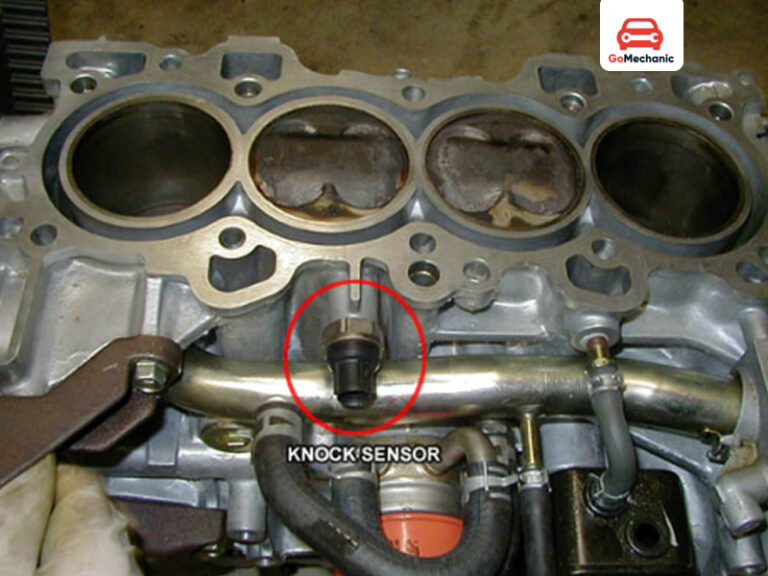
Source: gomechanic.in
What Does a Knock Sensor Do?
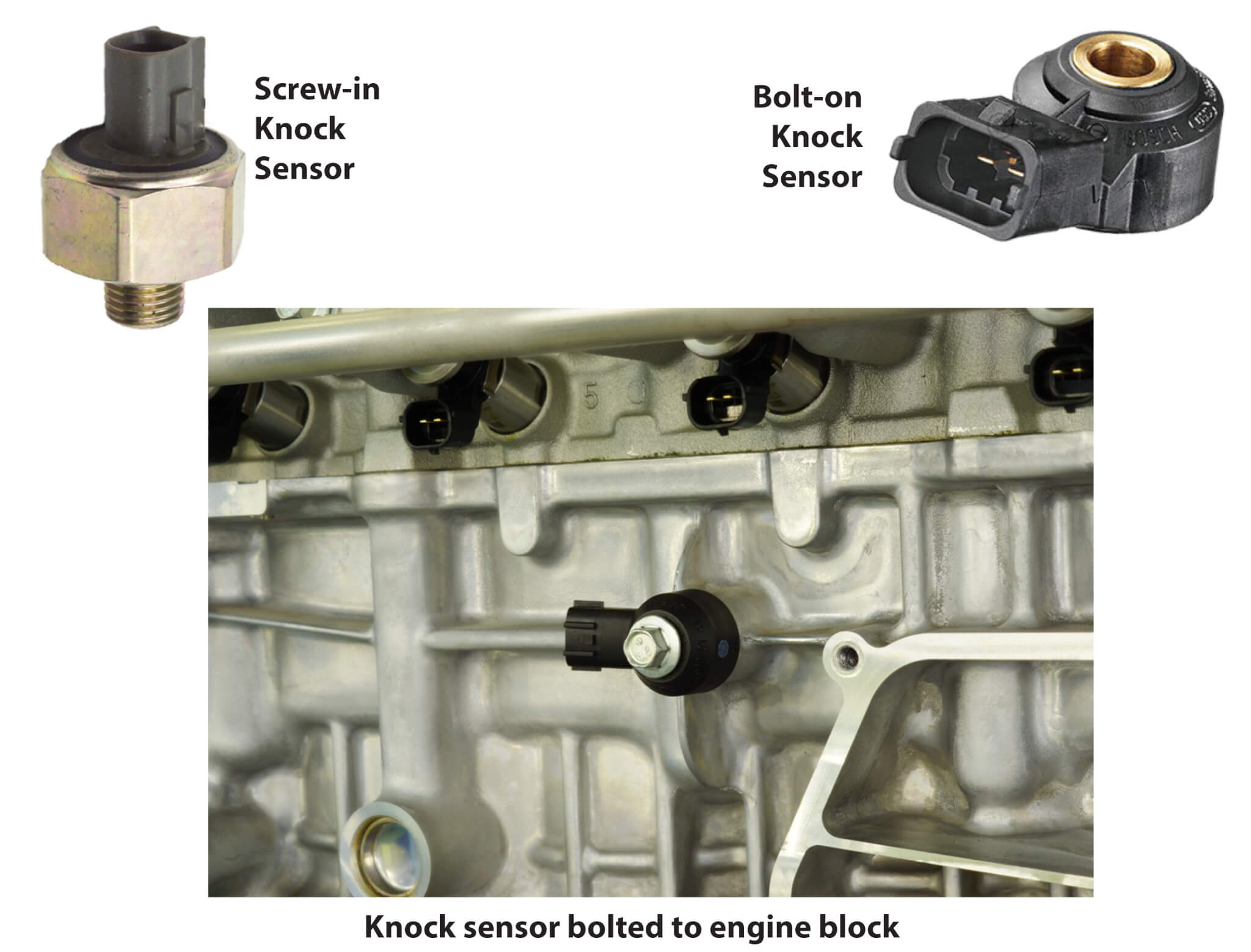
A knock sensor monitors engine vibrations and detects abnormal combustion known as engine knock or detonation. The sensor sends information to the engine control module, which adjusts ignition timing to protect the engine.
When the sensor works correctly, the engine can operate efficiently while minimizing the risk of internal damage. If the sensor fails or sends inaccurate data, the engine control module may reduce timing advance as a precaution.
Source: hitchesguide.com
Primary Function
Detects engine knock and relays information to the engine control module.
Engine Protection
Helps prevent piston, cylinder, and bearing damage caused by detonation.
Why Timing Matters
Ignition timing directly affects engine power, throttle response, fuel economy, and overall drivability. Significant timing retard can make the vehicle feel sluggish and unresponsive.
Retarded Timing
Reduces power output and may affect vehicle acceleration.
Can a Knock Sensor Cause Shifting Problems?
Yes, a faulty knock sensor can contribute to shifting problems indirectly. Many modern vehicles use engine load, throttle position, torque output, and other engine-related data when determining transmission shift timing.
If a bad knock sensor causes the engine control module to reduce ignition timing, the engine may produce less power. The transmission may then delay shifts, shift harshly, or hunt between gears because expected engine performance is no longer available.
Source: hopetownlodge.com
Delayed Shifts
Reduced engine power can cause later-than-normal gear changes.
Harsh Shifting
Incorrect engine torque calculations may affect shift quality.
Gear Hunting
The transmission may repeatedly change gears while seeking optimal performance.
Direct Versus Indirect Causes
The knock sensor rarely causes transmission damage directly. Instead, the sensor influences engine operation, and those engine changes can alter how the transmission responds.
Common Symptoms of a Bad Knock Sensor Affecting Vehicle Performance
Several symptoms may appear when a knock sensor begins to fail. Some of these symptoms can resemble transmission problems, making diagnosis more challenging.
Drivers often notice reduced acceleration, poor fuel economy, hesitation, and inconsistent shifting behavior. A check engine light may also appear.
Source: www.youtube.com
Check Engine Light
Diagnostic trouble codes related to the knock sensor may be stored.
Poor Acceleration
Retarded timing can significantly reduce engine performance.
Reduced Fuel Economy
Inefficient combustion can increase fuel consumption.
Transmission-Like Symptoms
Drivers may experience delayed or inconsistent shifts.
Symptoms Often Mistaken for Transmission Failure
A vehicle with reduced engine power may struggle to accelerate properly. This can create the impression that the transmission is slipping even when the transmission itself is functioning correctly.
False Transmission Diagnosis
Engine management problems can mimic transmission faults.
How to Diagnose the Problem
Before replacing transmission components, diagnose the vehicle thoroughly. Many shifting complaints originate from engine management issues rather than transmission failure.
A scan tool can identify diagnostic trouble codes related to the knock sensor. Reviewing live engine data can also reveal timing adjustments and performance abnormalities.
Source: hitchesguide.com
Scan for Codes
Check for knock sensor-related trouble codes.
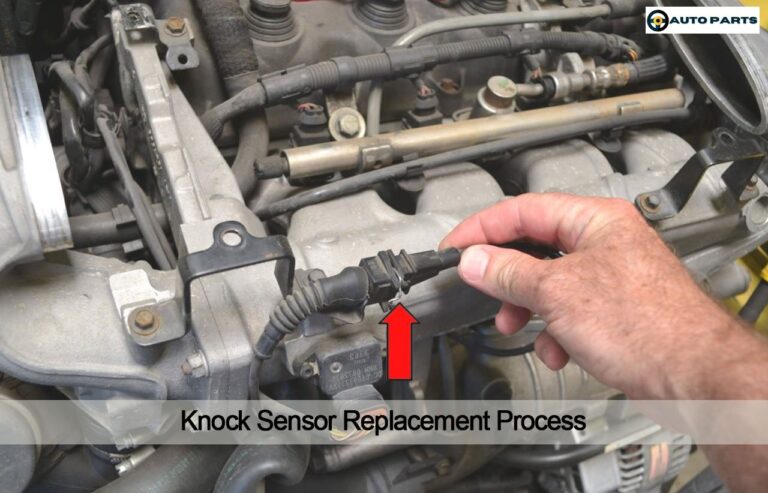
Inspect Wiring
Damaged connectors or wiring can affect sensor signals.
Evaluate Engine Performance
Look for hesitation, power loss, and timing issues.
Diagnostic Priority Table
Technicians should evaluate engine faults before assuming a transmission problem exists. Correcting a faulty knock sensor may restore normal shifting behavior.
Start With Engine Codes
Address engine-related faults before transmission repairs.
When Should You Replace a Knock Sensor?
Replacement is appropriate when diagnostic testing confirms a failed sensor, damaged wiring, or persistent knock sensor fault codes. Replacing parts without testing can lead to unnecessary expenses.
If the vehicle experiences reduced power, timing-related issues, and shifting complaints alongside a confirmed knock sensor fault, repairing the sensor may improve overall drivability.
Source: autovehicleparts.com
Confirmed Fault Codes
Replacement is often necessary when testing verifies sensor failure.
Persistent Performance Problems
Engine and shifting issues may improve after repair.
What Happens After Replacement?
Once the engine control module receives accurate knock information again, ignition timing can return to normal operating parameters. Improved engine performance may also restore normal shift behavior.
Improved Drivability
Engine responsiveness and shift quality often improve.
Common Misconceptions About Knock Sensors and Transmissions
One common misconception is that a bad knock sensor automatically means the transmission is failing. In reality, the sensor primarily affects engine operation.
Another misunderstanding is that every shifting issue is related to the knock sensor. Transmission fluid problems, worn solenoids, valve body issues, and mechanical failures can also cause similar symptoms.
Source: xahedtech.com
Not Every Shift Issue Is Sensor Related
Multiple vehicle systems influence transmission behavior.
If trouble codes, shifting problems, and engine performance issues persist after basic inspections, professional diagnostic equipment may be required to identify the root cause.
Advanced Diagnostics
Professional testing can isolate complex faults.
Frequently Asked Questions
Q
Can a knock sensor trigger transmission codes?
A knock sensor usually does not directly trigger transmission codes. However, engine performance issues caused by the sensor may contribute to abnormal transmission behavior that requires further diagnosis.
Q
Can a bad knock sensor cause hard shifting?
Yes. Reduced engine performance and altered torque calculations can sometimes contribute to harsh or delayed shifts in electronically controlled transmissions.
Q
Will replacing a knock sensor fix shifting problems?
If the shifting issues are being caused by engine timing and power delivery problems related to the knock sensor, replacement may help. A proper diagnosis is necessary before assuming the sensor is the sole cause.
Q
Can a knock sensor affect automatic transmissions more than manual transmissions?
Automatic transmissions rely heavily on electronic control systems and engine data. Because of this integration, engine-related faults may have a greater effect on shift behavior in automatic vehicles.
Q
What trouble codes are commonly associated with a bad knock sensor?
Common codes often include knock sensor circuit faults such as P0325 through P0334, depending on the vehicle manufacturer and engine configuration.
✦ Wrapping Up
Conclusion
The answer to can a knock sensor cause shifting problems is yes, but usually through indirect effects on engine timing and performance rather than direct transmission damage. When engine output changes, transmission control systems may respond differently, creating symptoms that resemble transmission faults.
Drivers experiencing shifting issues alongside poor acceleration, reduced fuel economy, or knock sensor fault codes should investigate the engine management system before assuming a transmission failure. Accurate diagnosis can save significant time and repair costs.
💡 Key Takeaway
Scan the vehicle for diagnostic trouble codes and evaluate engine performance before replacing transmission components when shifting problems occur.
Ethan Brooks is an automotive writer at Auto News 7, covering car news, vehicle maintenance, new model updates, recalls, and practical buying guides. He focuses on clear, useful information that helps drivers understand their vehicles and make better ownership decisions.
Learn whether a knock sensor can leak oil, what causes oil around the sensor, common symptoms, diagnosis steps, repair options, and when professional service is needed.
Learn whether a bad knock sensor can cause a no-start condition, how the sensor works, common symptoms, diagnostic steps, and when other engine problems are more likely to prevent starting.
Learn why your knock sensor keeps going bad, the most common causes of repeated failures, how to diagnose the problem, and what repairs can prevent future issues.
Learn whether a bad knock sensor can damage the engine, how it affects performance, warning signs to watch for, and when repairs are necessary to prevent costly engine problems.
Learn how to fix a crankshaft position sensor with step-by-step diagnostics, testing, wiring checks, replacement tips, common symptoms, and troubleshooting advice for U.S. vehicle owners.
Learn how many camshaft sensors a car has, why the number varies by engine design, where they are located, and how to identify the correct sensor on your vehicle.