Yes, a bad knock sensor can indirectly affect transmission behavior, but it rarely causes a transmission failure by itself.
In the United States, many modern vehicles rely on communication between the engine control module and transmission control systems. When a knock sensor fails, the engine computer may alter ignition timing and reduce engine performance to protect the engine from damage. These changes can affect how the transmission shifts and responds.
Drivers may notice delayed shifts, reduced acceleration, poor fuel economy, or unusual transmission behavior when a faulty knock sensor causes the engine to operate in a reduced-performance mode. However, the underlying issue usually originates in the engine management system rather than inside the transmission itself.
Source: upgradedvehicle.com
Can a Bad Knock Sensor Affect Transmission Performance?
Yes, a bad knock sensor can affect transmission performance indirectly. The knock sensor monitors engine vibrations associated with detonation or engine knock. When the sensor sends inaccurate data or stops working properly, the engine control module may retard ignition timing as a protective measure.
Because automatic transmissions depend on engine load, torque output, throttle position, and other engine data, reduced engine performance can change shift timing and shift quality. Drivers sometimes mistake these symptoms for a transmission problem when the root cause is actually a faulty engine sensor.
Source: static0.carbuzzimages.com
Indirect Impact
The sensor does not control transmission components directly.
Performance Reduction
Engine power losses can change transmission shift behavior.
Diagnostic Importance
Scanning for fault codes can identify the real cause.
Modern vehicles use interconnected electronic systems. The transmission relies on engine information to determine proper shift timing. When engine performance data becomes abnormal because of a failed knock sensor, transmission operation can appear abnormal as well.
Shared Data
Engine and transmission computers exchange operating information.
How a Knock Sensor Works
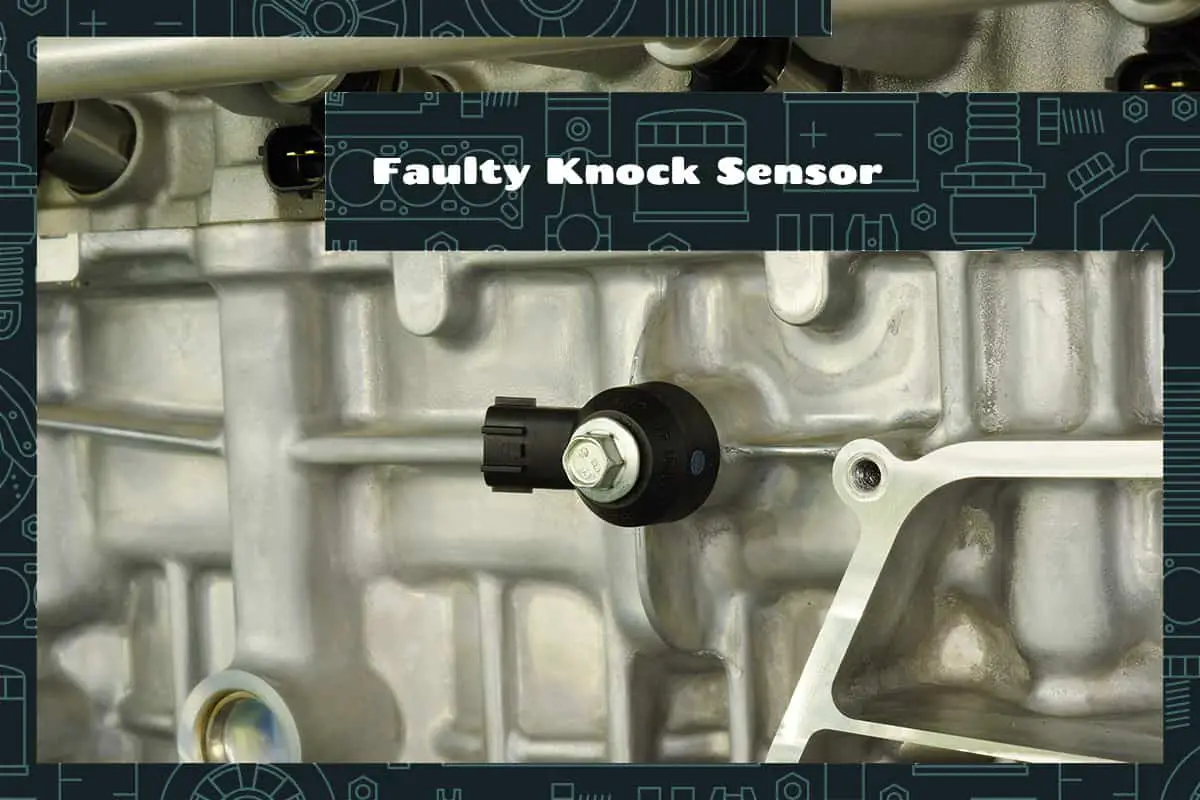
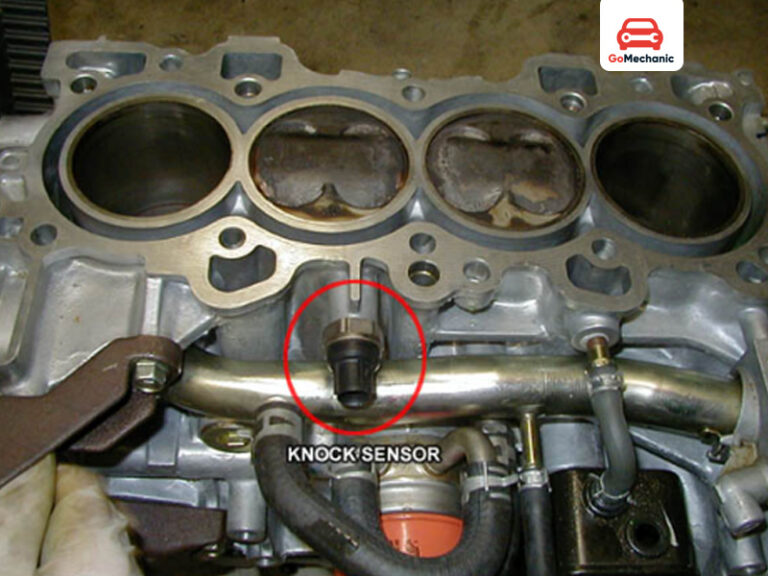
A knock sensor is typically mounted on the engine block. It detects vibrations associated with abnormal combustion events known as knocking or pinging.
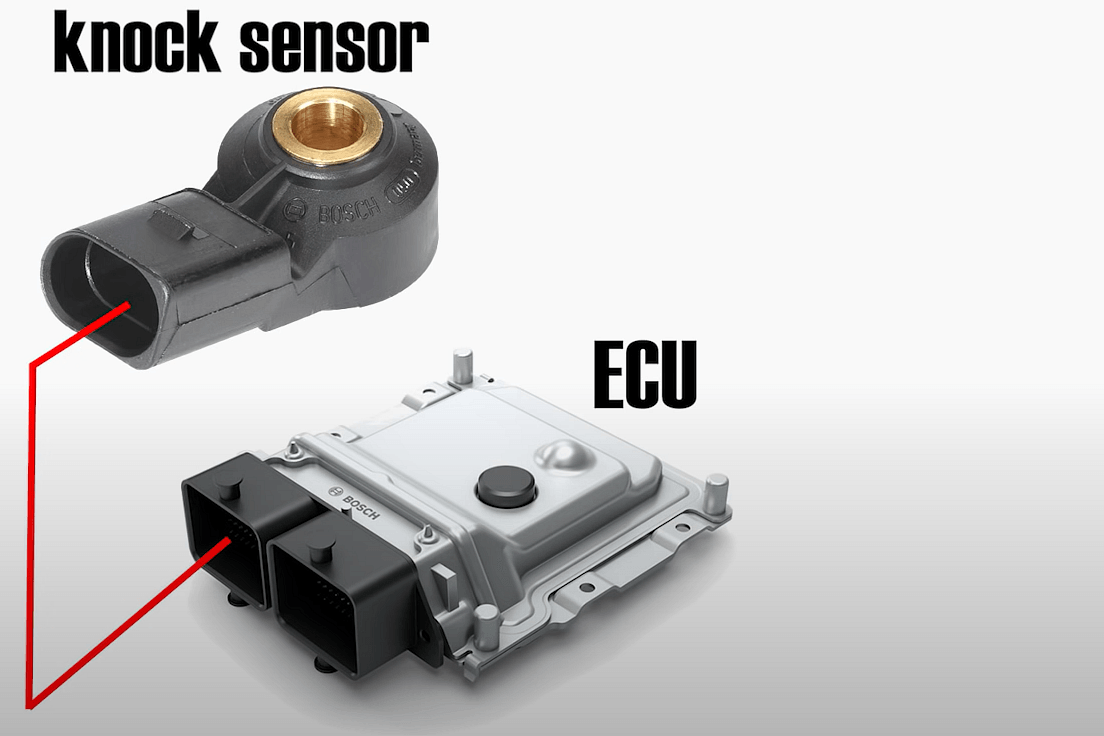
When knock is detected, the engine control module adjusts ignition timing to reduce the risk of engine damage. Accurate sensor feedback helps maintain a balance between performance, fuel economy, and engine protection.
Source: image4.slideserve.com
Vibration Detection
The sensor listens for specific engine frequencies.
Timing Adjustment
The computer modifies ignition timing based on sensor input.
Engine Protection
Proper operation helps prevent detonation damage.
What Happens When the Sensor Fails
A failed sensor may report false knock activity or fail to detect actual knocking. In either case, engine performance and efficiency can suffer.
False Signals
Incorrect data may trigger unnecessary timing changes.
Symptoms That May Feel Like Transmission Problems
A faulty knock sensor can create symptoms that resemble transmission issues. Since the engine may produce less power, the vehicle can feel sluggish or hesitant during acceleration.
Transmission shift points are often calculated using engine load and throttle input. If engine performance changes significantly, shifts may feel different even when the transmission is mechanically sound.
Source: i.pinimg.com
Delayed Shifting
Reduced power may cause shifts to occur later than expected.
Poor Acceleration
The vehicle may feel slow or unresponsive.
Harsh Shifts
Abnormal engine behavior can influence shift quality.
Common Warning Signs
Drivers often notice a check engine light, decreased fuel economy, reduced power, hesitation, and occasional rough operation.
Check Engine Light
Diagnostic codes often accompany sensor failures.
How to Diagnose the Problem Correctly
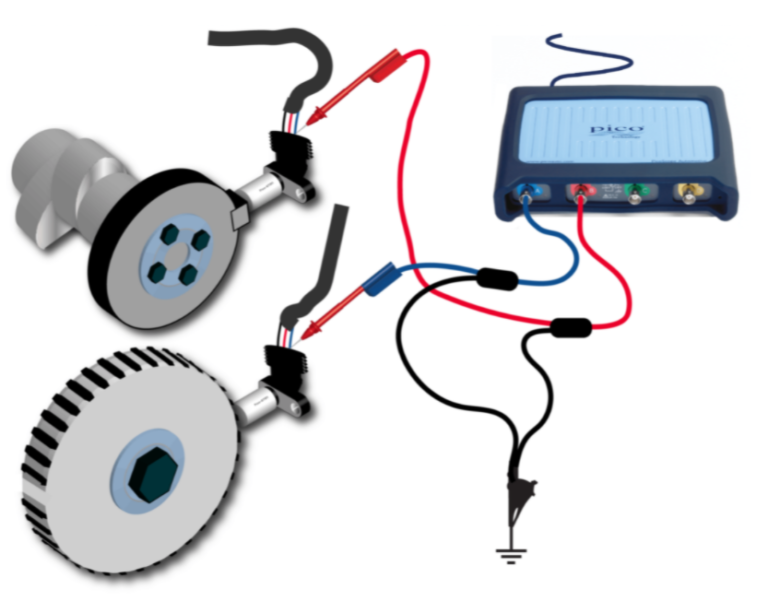
Accurate diagnosis is essential because transmission symptoms can have many causes. Start by scanning the vehicle for diagnostic trouble codes using an OBD-II scanner.
Codes related to the knock sensor can help identify whether the issue originates in the engine management system. Technicians may also inspect wiring, connectors, and sensor output before replacing parts.
Source: i.ytimg.com
Scan for Codes
Look for knock sensor-related trouble codes.
Inspect Wiring
Damaged wiring can create false sensor readings.
Verify Operation
Testing helps avoid unnecessary repairs.
Avoid Misdiagnosis
Many drivers assume a transmission failure when shifting problems appear. Diagnosing engine-related causes first can save significant repair costs.
Check Engine Systems First
Sensor failures are often less expensive to repair than transmission faults.
When a Transmission Problem Is Actually the Cause
Not every shifting issue is related to a knock sensor. Low transmission fluid, worn clutches, failing solenoids, valve body issues, and internal wear can all cause genuine transmission problems.
If knock sensor repairs do not restore normal operation, further transmission diagnostics may be necessary. A professional inspection can determine whether mechanical transmission faults are present.
Source: i.ytimg.com
Fluid Issues
Low or contaminated fluid affects shifting performance.
Mechanical Wear
Internal transmission components can wear over time.
Electronic Faults
Transmission sensors and solenoids may fail independently.
Signs of a True Transmission Failure
Slipping gears, fluid leaks, grinding noises, and complete loss of gear engagement are usually unrelated to a knock sensor failure.
Mechanical Symptoms
Severe transmission issues typically indicate internal faults.
Frequently Asked Questions
Q
Can a bad knock sensor cause hard shifting?
Yes. Reduced engine performance and altered ignition timing can affect how the transmission responds, making shifts feel harder or less predictable.
Q
Will replacing a bad knock sensor fix transmission symptoms?
If the transmission symptoms are being caused by engine performance issues related to the faulty sensor, replacing the sensor may restore normal shifting behavior.
Q
Can a bad knock sensor put a vehicle into limp mode?
Some vehicles may enter a reduced-power or protective operating mode when significant sensor faults are detected. This can affect both engine and transmission performance.
Q
Can a knock sensor directly control the transmission?
No. The knock sensor is part of the engine management system. Any transmission effects are generally indirect and occur through changes in engine operation.
Q
Is it safe to drive with a bad knock sensor?
A vehicle may still operate with a faulty knock sensor, but performance, fuel economy, and engine protection can be compromised. Prompt diagnosis and repair are recommended.
✦ Wrapping Up
Conclusion
The answer to can a bad knock sensor affect transmission is yes, but usually in an indirect way. A faulty knock sensor can reduce engine performance, alter ignition timing, and create symptoms that resemble transmission problems.
Before assuming a transmission failure, scan for diagnostic trouble codes and evaluate engine-related issues. Correcting a bad knock sensor often restores normal vehicle operation and prevents unnecessary transmission repairs.
💡 Key Takeaway
If you notice unusual shifting along with a check engine light, diagnose the knock sensor and related engine systems before pursuing expensive transmission repairs.
Ethan Brooks is an automotive writer at Auto News 7, covering car news, vehicle maintenance, new model updates, recalls, and practical buying guides. He focuses on clear, useful information that helps drivers understand their vehicles and make better ownership decisions.
Learn how to sync camshaft and crankshaft sensors, diagnose timing correlation issues, perform relearn procedures, and troubleshoot common engine synchronization problems.
Learn how to fix a knock sensor without replacing it by checking wiring, connectors, mounting issues, engine problems, and ECU codes. Follow this step-by-step troubleshooting guide.
Learn whether a bad knock sensor can cause overheating, how the sensor affects engine timing, common symptoms, diagnostic steps, and when overheating points to a different problem.
Learn how long to replace a crankshaft position sensor, what affects repair time, the typical replacement steps, and when professional service is needed.
Learn how to test a GM knock sensor using a multimeter, scan tool, and practical diagnostic steps. Discover common symptoms, testing methods, and troubleshooting tips for Chevrolet, GMC, Cadillac, and Buick vehicles.
Learn how to remove a camshaft position sensor safely with this detailed step-by-step guide. Discover required tools, common mistakes, troubleshooting tips, and what to do after removal.