Yes, a bad knock sensor can contribute to rough idle, but it is usually not the most common cause.
For drivers across the United States, rough idle is a common engine complaint that can be linked to many different issues. One possible contributor is a faulty knock sensor, which helps the engine control module adjust ignition timing to prevent damaging engine knock.
When the knock sensor sends incorrect information or stops communicating properly, the engine computer may retard timing as a protective measure. This can reduce engine efficiency and sometimes create idle quality problems. However, vacuum leaks, dirty throttle bodies, faulty spark plugs, and fuel system issues are often more common causes of rough idle and should also be investigated.
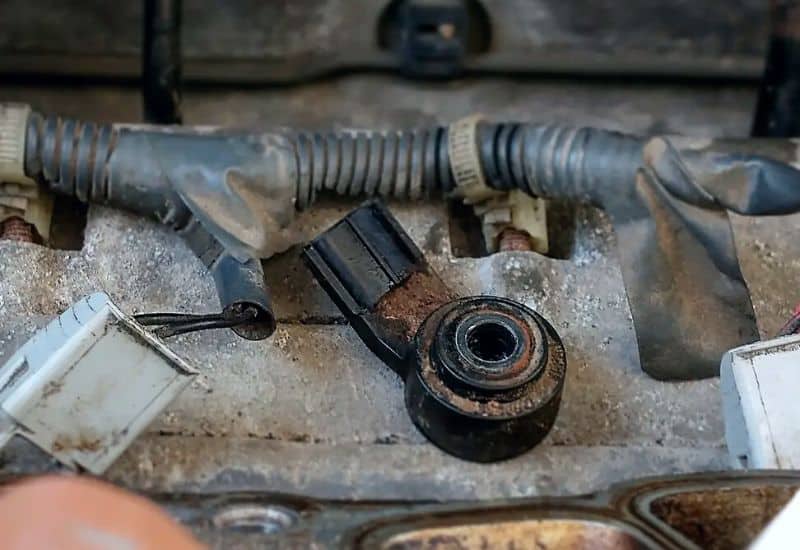
Source: automotivian.com
What Does a Knock Sensor Do?
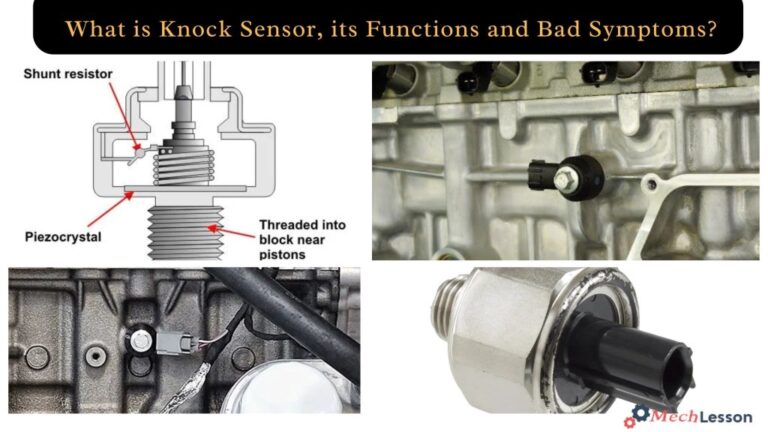
A knock sensor monitors engine vibrations and listens for abnormal combustion events commonly called engine knock or detonation. It sends signals to the engine control module so ignition timing can be adjusted when necessary.
Modern engines rely on accurate knock sensor data to maximize performance while protecting internal components. When the sensor functions correctly, the engine can operate efficiently without risking damage from uncontrolled combustion.
Source: mechanicsdiary.com
Detects engine knock
Monitors vibrations associated with detonation and pre-ignition.
Protects the engine
Allows the computer to adjust timing and reduce knock-related damage.
Why Accurate Sensor Data Matters
Incorrect sensor readings can cause the engine computer to make unnecessary timing adjustments. This may reduce performance, fuel economy, and engine smoothness.
Timing control
The computer depends on accurate signals to optimize ignition timing.
Can a Bad Knock Sensor Cause Rough Idle?
Yes, a faulty knock sensor can cause or contribute to rough idle under certain conditions. If the sensor falsely reports knocking or fails completely, the engine control module may retard ignition timing excessively.
Retarded timing can reduce combustion efficiency, causing the engine to feel less responsive and occasionally idle unevenly. The severity depends on the vehicle design, engine management strategy, and the extent of the sensor fault.
Source: carfromjapan.com
False knock detection
The computer may reduce timing even when no knock exists.
Reduced efficiency
Poor timing can lead to unstable combustion and rough operation.
When Rough Idle Is More Likely
Rough idle related to a knock sensor is more likely when fault codes are present and other common causes have been ruled out. The condition may be accompanied by reduced power and poor acceleration.
Associated symptoms
Look for power loss, hesitation, and check engine warnings.
Common Symptoms of a Bad Knock Sensor
A bad knock sensor often creates symptoms beyond rough idle. These signs can help narrow down the diagnosis before replacing parts.
Because the sensor influences ignition timing, performance-related complaints are common when the component fails.
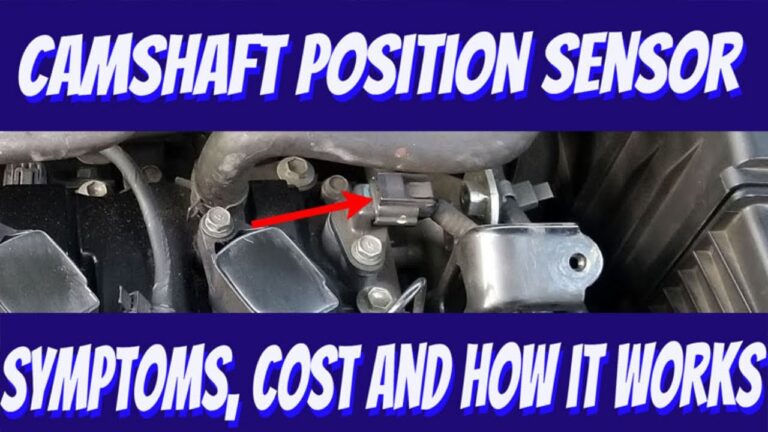
Source: i.ytimg.com
Check engine light
Diagnostic trouble codes may indicate a knock sensor problem.
Poor acceleration
Retarded timing can reduce engine responsiveness.
Reduced fuel economy
Inefficient combustion can increase fuel consumption.
Engine hesitation
The vehicle may hesitate during acceleration.
Symptoms Versus Causes
Many symptoms associated with a bad knock sensor can also be caused by ignition, fuel, or air intake problems. Accurate diagnosis is important before replacing the sensor.
Avoid guesswork
Always verify codes and inspect related systems.
Other Common Causes of Rough Idle
Although a faulty knock sensor can contribute to rough idle, several other issues are statistically more common. These should be inspected during troubleshooting.
A systematic diagnostic approach prevents unnecessary parts replacement and helps identify the true cause of the problem.
Source: i.ytimg.com
Vacuum leaks
Unmetered air entering the engine can create unstable idle conditions.
Dirty throttle body
Carbon buildup can disrupt airflow at idle.
Worn spark plugs
Misfires and poor combustion often create rough idle.
Fuel injector problems
Restricted fuel delivery can affect combustion quality.
Why Multiple Systems Should Be Checked
Rough idle is a symptom rather than a diagnosis. Checking ignition, fuel, air intake, and sensor systems provides a more reliable repair strategy.
Complete inspection
Evaluate all major engine systems before replacing parts.
How to Diagnose a Faulty Knock Sensor
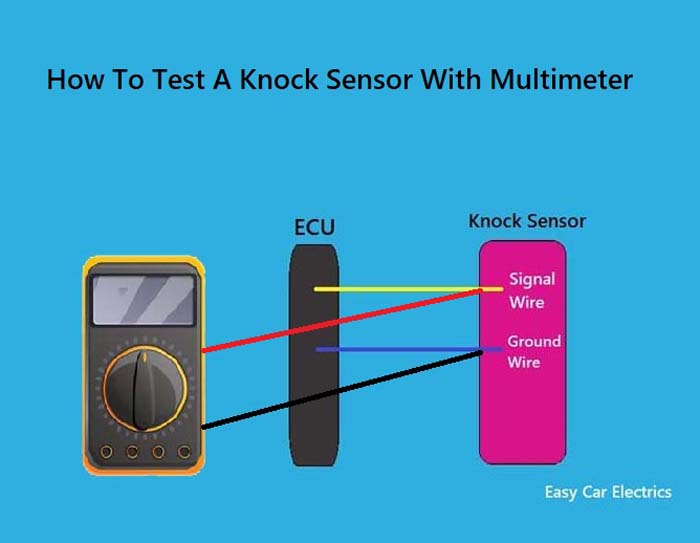
Diagnosis should begin with a scan tool capable of reading trouble codes and live engine data. Fault codes related to the knock sensor can provide a valuable starting point.
Physical inspection is also important because damaged wiring, loose connectors, and corrosion can mimic sensor failure.
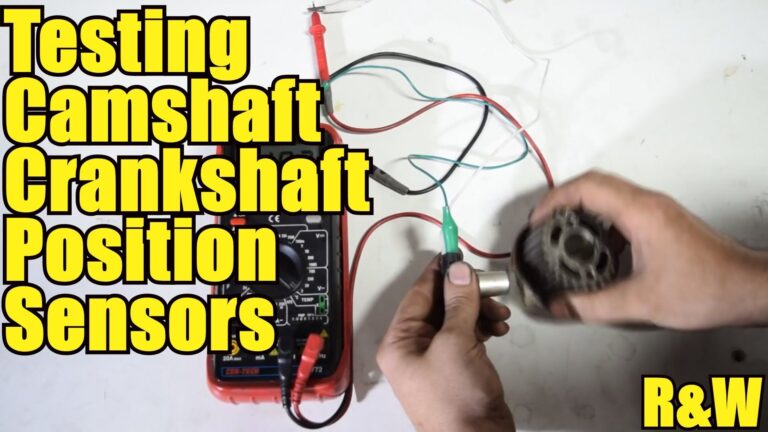
Source: i.ytimg.com
Scan for codes
Look for knock sensor-related diagnostic trouble codes.
Inspect wiring
Check for damaged connectors and harness issues.
Review live data
Analyze timing behavior and sensor activity.
When Professional Testing Helps
Some knock sensor problems require advanced diagnostic equipment. If codes return after repairs or symptoms persist, professional evaluation may be necessary.
Advanced diagnostics
Professional testing can confirm sensor and circuit performance.
Should You Replace the Knock Sensor?
Replacement is appropriate when testing confirms sensor failure or when manufacturer diagnostic procedures indicate a defective component. Replacing a healthy sensor will not solve rough idle caused by another issue.
Many knock sensors are located beneath intake components, making labor costs significant on some vehicles. Proper diagnosis helps avoid unnecessary expenses.
Source: i.ytimg.com
Replace only when confirmed
Verify failure before purchasing replacement parts.
Consider labor costs
Some vehicles require extensive disassembly to access the sensor.
Signs Replacement Is Necessary
Persistent knock sensor codes, failed electrical tests, and verified sensor malfunction are strong indicators that replacement is required.
Confirmed fault
Testing should support replacement decisions.
Frequently Asked Questions
Q
Can a bad knock sensor cause engine shaking at idle?
It can contribute indirectly by causing poor ignition timing, but engine shaking is more commonly caused by misfires, vacuum leaks, or fuel delivery problems.
Q
Will a bad knock sensor trigger a check engine light?
Yes. Many vehicles will store a diagnostic trouble code and illuminate the check engine light when the knock sensor or its circuit fails.
Q
Can a bad knock sensor cause a misfire?
A faulty knock sensor may contribute to performance issues that resemble a misfire, but it is usually not the direct cause. Ignition and fuel system faults are more common misfire causes.
Q
Is it safe to drive with a bad knock sensor?
Short-term driving may be possible, but engine performance can suffer. Ignoring the problem for an extended period may increase the risk of engine knock and reduced efficiency.
Q
How much does knock sensor replacement cost?
Costs vary by vehicle. Parts are often moderately priced, but labor can be significant when the sensor is located beneath intake components.
✦ Wrapping Up
Conclusion
The answer to can a bad knock sensor cause rough idle is yes, but it is not usually the first component responsible for idle problems. A faulty sensor can alter ignition timing and contribute to unstable engine operation under certain conditions.
Because rough idle can result from many different systems, proper diagnosis is essential. Checking trouble codes, inspecting wiring, and evaluating other common causes will help identify the correct repair.
💡 Key Takeaway
Scan the vehicle for fault codes and rule out common idle-related issues before replacing the knock sensor.
Ethan Brooks is an automotive writer at Auto News 7, covering car news, vehicle maintenance, new model updates, recalls, and practical buying guides. He focuses on clear, useful information that helps drivers understand their vehicles and make better ownership decisions.
Learn what are symptoms of a bad knock sensor, how a faulty knock sensor affects engine performance, common warning signs, causes, diagnosis methods, and when replacement is necessary.
Learn how much to replace a camshaft position sensor in the United States, including parts, labor, DIY costs, symptoms, and factors that affect repair pricing.
Can a crankshaft position sensor cause transmission problems? Learn how a faulty CKP sensor can affect shifting, symptoms to watch for, and how to diagnose it.
Learn how to diagnose a bad knock sensor using symptoms, OBD-II codes, inspections, and multimeter testing. Follow a step-by-step guide for accurate troubleshooting.