Knock sensors commonly fail because of heat, moisture, vibration, wiring damage, corrosion, or age-related wear.
Across the United States, drivers depend on knock sensors to help modern engines run efficiently and avoid damaging combustion events. When this sensor fails, fuel economy, engine performance, and emissions can suffer, while the check engine light often appears.
Understanding what causes a knock sensor to go bad can help you diagnose problems earlier and avoid unnecessary repairs. Most failures are related to harsh engine conditions, electrical issues, contamination, or simple wear over time rather than a sudden defect.
Source: carbuzz.com
What Does a Knock Sensor Do?
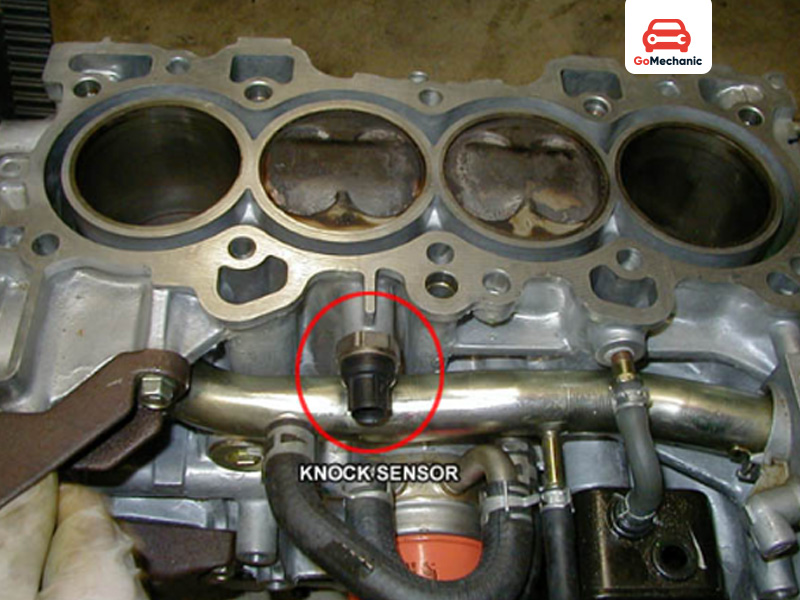
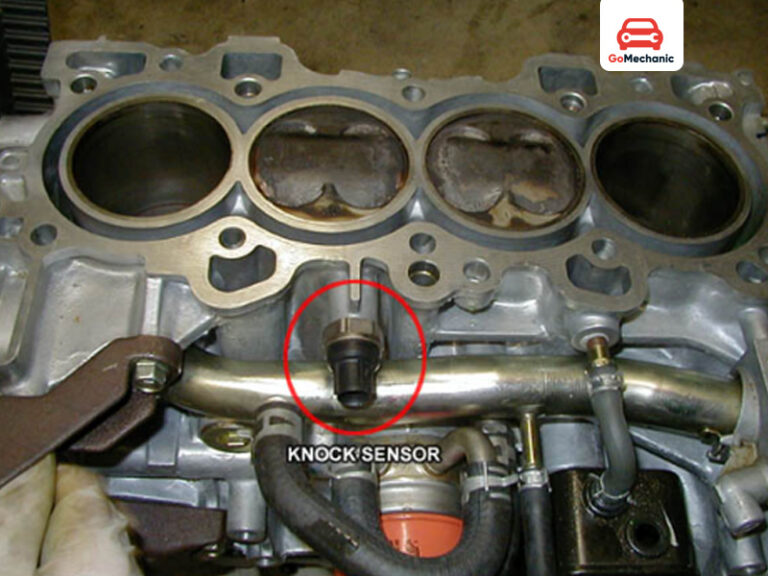
A knock sensor detects abnormal combustion vibrations inside the engine block. It converts these vibrations into electrical signals that the engine control module uses to adjust ignition timing.
When the sensor works properly, the engine can operate efficiently while avoiding harmful knocking or pinging. If the sensor fails, the engine computer may switch to conservative settings that reduce performance and fuel efficiency.
Source: gomechanic.in
Primary Purpose
Detects engine knock before serious damage occurs.
Communication Role
Sends vibration data to the engine control module.
Engine Protection
Helps maintain safe ignition timing.
Why Knock Sensors Matter
Modern engines operate with tight performance and emissions requirements. Accurate knock sensor data allows the computer to optimize timing while protecting pistons, valves, and bearings from damaging detonation.
Performance Benefit
Allows more efficient engine operation under varying conditions.
What Causes a Knock Sensor to Go Bad?
Several conditions can lead to knock sensor failure. Most involve environmental stress, electrical problems, or contamination that affects the sensor’s ability to accurately detect engine vibrations.
The exact cause varies by vehicle, but heat exposure, moisture, corrosion, and wiring damage are among the most common reasons technicians find during diagnosis.
Source: hitchesguide.com
Heat Damage
Continuous exposure to engine heat can degrade internal electronic components.
Moisture Intrusion
Water entering the sensor housing can cause corrosion and signal failure.
Electrical Faults
Damaged wires or connectors can interrupt communication with the engine computer.
Age and Normal Wear
Like many electronic components, knock sensors can weaken over time. Years of temperature cycles, vibration, and exposure to contaminants gradually reduce reliability.
Long-Term Exposure
Repeated heating and cooling can stress internal materials.
Heat and Engine Temperature Damage
Knock sensors are installed on or near the engine block, exposing them to high temperatures. Excessive heat can damage internal piezoelectric elements and electronic circuits.
Vehicles with cooling system problems, chronic overheating, or prolonged heavy-duty use may experience accelerated sensor deterioration.
Source: upgradedvehicle.com
Overheating Events
Extreme temperatures can permanently damage sensor components.
Hot Engine Locations
Sensors mounted in confined areas face greater thermal stress.
Signs of Heat-Related Failure
Intermittent fault codes, reduced engine performance, and recurring check engine lights can occur when heat damages sensor electronics.
Intermittent Operation
The sensor may work when cold but fail as temperatures rise.
Wiring Problems, Corrosion, and Contamination
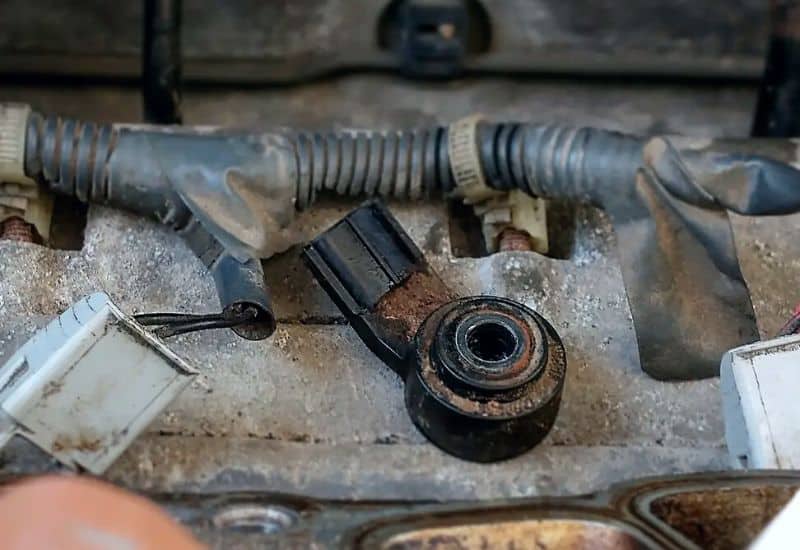
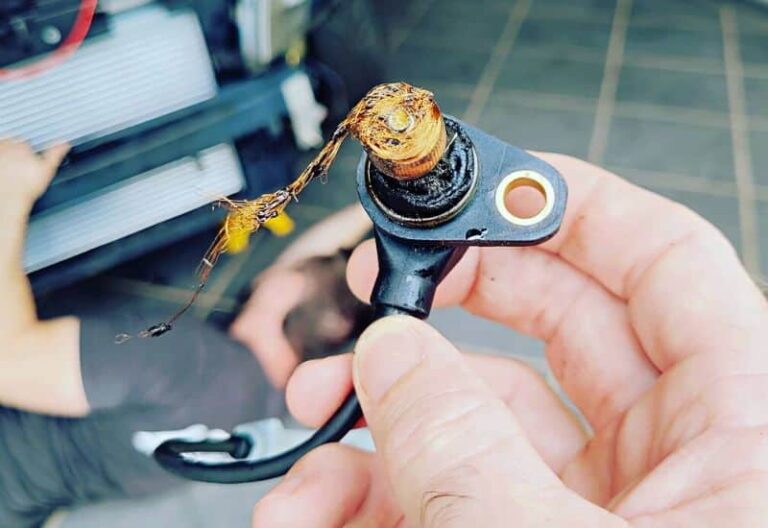
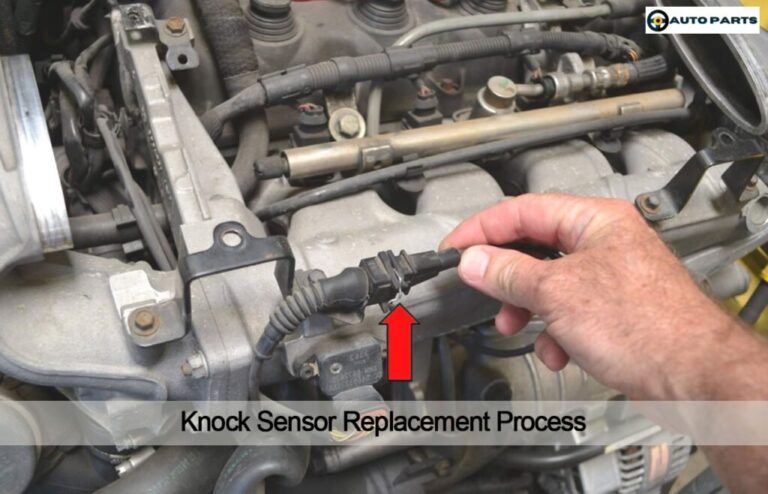
Many apparent knock sensor failures are actually electrical issues. Broken wires, loose connectors, corrosion, or damaged insulation can prevent accurate signals from reaching the engine control module.
Oil leaks, road salt, moisture, and engine contaminants can accelerate corrosion and interfere with sensor operation.
Source: hitchesguide.com
Corroded Connectors
Electrical resistance increases and disrupts sensor signals.
Damaged Harnesses
Wires can crack, rub through, or become disconnected.
Oil Contamination
Leaking fluids may damage connectors and wiring insulation.
Why Inspection Matters
A visual inspection often identifies damaged connectors or wiring before sensor replacement becomes necessary.
Cost Savings
Repairing wiring may be less expensive than replacing components unnecessarily.
Engine Vibration and Mechanical Stress
Knock sensors are designed to detect vibration, but excessive mechanical stress can eventually damage them. Severe engine vibration caused by worn mounts, misfires, or internal engine problems may shorten sensor life.
Improper installation torque can also affect performance. A sensor that is too loose or too tight may provide inaccurate readings or fail prematurely.
Improper torque can affect sensitivity and durability.
Mechanical Issues That Contribute to Failure
Persistent engine misfires, worn engine mounts, and unresolved detonation can create conditions that place additional stress on knock sensors.
Engine Mount Problems
Increased vibration transfers directly to sensor mounting locations.
Symptoms of a Bad Knock Sensor
A failing knock sensor often triggers a check engine light and stores diagnostic trouble codes. Drivers may also notice reduced acceleration, lower fuel economy, or sluggish performance.
Because the engine computer may retard ignition timing as a precaution, the vehicle can feel less responsive even when no obvious engine noise is present.
Source: hitchesguide.com
Check Engine Light
One of the most common warning signs.
Poor Fuel Economy
Timing adjustments can reduce efficiency.
Reduced Power
The engine may enter a protective operating mode.
When to Seek Professional Diagnosis
If warning lights persist or engine performance changes noticeably, a professional diagnostic scan can determine whether the sensor, wiring, or another system is responsible.
Diagnostic Testing
Confirms the actual source of the fault before repairs begin.
Frequently Asked Questions
Q
Can a knock sensor fail without triggering a check engine light?
Yes. Some intermittent failures may not immediately trigger a warning light. However, most modern vehicles eventually store a fault code when the problem persists.
Q
Can an oil leak damage a knock sensor?
Yes. Oil contamination can damage connectors, wiring, and surrounding electrical components, contributing to sensor-related faults.
Q
Is it safe to drive with a bad knock sensor?
Many vehicles remain drivable, but performance and fuel economy may suffer. Continued operation without proper diagnosis can allow underlying engine problems to go unnoticed.
Q
How long does a knock sensor usually last?
Knock sensor lifespan varies by vehicle and operating conditions. Many last well over 100,000 miles, but heat, moisture, and vibration can shorten service life.
Q
Can bad fuel cause knock sensor problems?
Poor-quality fuel can contribute to engine knocking. While it may not directly damage the sensor, repeated abnormal combustion can increase stress on the system and complicate diagnosis.
✦ Wrapping Up
Conclusion
The most common answer to what causes a knock sensor to go bad is a combination of heat exposure, moisture intrusion, corrosion, wiring problems, vibration, and age-related wear. These factors can affect either the sensor itself or the electrical circuits connected to it.
Identifying the root cause early helps prevent unnecessary repairs and keeps the engine operating efficiently. A thorough inspection of both the sensor and its wiring is often the best first step.
💡 Key Takeaway
If you notice a check engine light, reduced performance, or knock sensor fault codes, inspect the wiring and connectors first, then perform proper diagnostic testing before replacing parts.
Ethan Brooks is an automotive writer at Auto News 7, covering car news, vehicle maintenance, new model updates, recalls, and practical buying guides. He focuses on clear, useful information that helps drivers understand their vehicles and make better ownership decisions.
Learn how to fix a knock sensor without replacing it by checking wiring, connectors, mounting issues, engine problems, and ECU codes. Follow this step-by-step troubleshooting guide.
Learn how long to replace a crankshaft position sensor, what affects repair time, the typical replacement steps, and when professional service is needed.