Yes, a bad crankshaft sensor can trigger a check engine light and store a related OBD-II trouble code.
For drivers in the United States, a failing crankshaft position sensor can cause the engine computer to detect an abnormal crankshaft signal and store a diagnostic trouble code. Common codes include P0335 through P0339, although the exact code depends on the vehicle and the type of fault detected.
A code does not automatically prove that the crankshaft sensor itself is defective. Wiring problems, a damaged reluctor wheel, connector faults, timing problems, or other engine-control issues can produce similar codes. The code is a starting point for diagnosis, not a command to replace the sensor.
Source: gioodqalc.blob.core.windows.net
Will a Bad Crankshaft Sensor Throw a Code?
Yes. A bad crankshaft position sensor can throw a code when the powertrain control module detects a missing, incorrect, weak, high, or intermittent crankshaft position signal. The module relies on this signal to understand crankshaft speed and position, so a significant signal problem can turn on the malfunction indicator lamp, commonly called the check engine light.
On OBD-II vehicles sold in the United States, common generic crankshaft position sensor codes include P0335 for a crankshaft position sensor A circuit malfunction, P0336 for a range or performance problem, P0337 for low input, P0338 for high input, and P0339 for an intermittent signal.
The important distinction is that these codes describe a detected circuit or signal problem. They do not necessarily identify the sensor as the failed part. A damaged connector, broken wire, electrical short, reluctor problem, or another mechanical fault can create the same diagnostic result.
Source: hitchesguide.com
P0335
Indicates a crankshaft position sensor A circuit malfunction. It can occur when the control module does not receive the expected crankshaft signal.
P0336
Indicates a crankshaft position sensor A circuit range or performance problem. The signal may be present but outside expected behavior.
P0337
Indicates a low-input condition from the crankshaft position sensor circuit.
P0338
Indicates a high-input condition from the crankshaft position sensor circuit.
P0339
Indicates an intermittent crankshaft position sensor A circuit signal.
Can a Bad Crankshaft Sensor Fail Without a Code?
Yes. A crankshaft sensor can have an intermittent or developing problem without immediately producing a stored code. The control module needs to detect a fault under conditions defined by the vehicle manufacturer before it sets a diagnostic trouble code and illuminates the malfunction indicator lamp.
This means a vehicle can sometimes have hard starting, stalling, hesitation, or intermittent running problems even when a basic code scan shows no stored crankshaft sensor code. Pending codes and live data can provide additional information when an intermittent problem is suspected.
Intermittent signal
A sensor or connection may fail only when the engine is hot, during vibration, or under particular operating conditions.
Fault not yet confirmed
The control module may need to observe the problem more than once before it stores a confirmed diagnostic code.
What Does the Crankshaft Position Sensor Do?
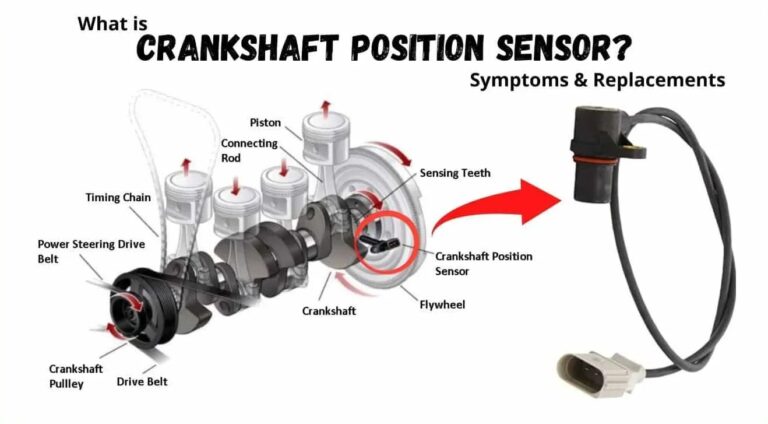
The crankshaft position sensor monitors the position and rotational speed of the engine crankshaft. It sends an electrical signal to the powertrain control module, which uses that information for engine-control functions that vary by vehicle.
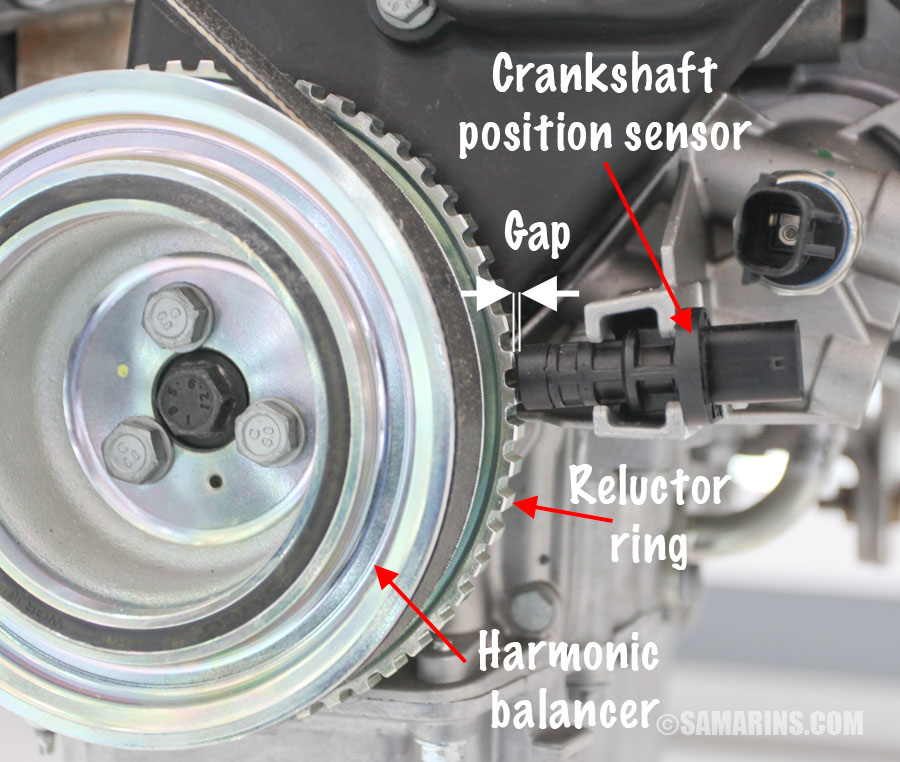
The sensor typically works with a reluctor wheel or trigger wheel attached to the crankshaft. As the wheel moves past the sensor, the sensor produces a changing electrical signal. The control module interprets that signal to determine crankshaft position and speed.
Because crankshaft position is fundamental to engine control, a serious sensor signal problem can affect starting, fuel injection, ignition timing, misfire monitoring, and overall engine operation. The exact role varies by vehicle design.
Source: docs.cholonautas.edu.pe
Crankshaft speed
The signal can tell the control module how fast the crankshaft is turning.
Crankshaft position
The signal provides information about the crankshaft’s position within its rotation.
Engine synchronization
The crankshaft signal can work with camshaft position information to help the control module coordinate engine-control functions.
Why Does a Crankshaft Sensor Problem Affect Starting?
The engine computer needs reliable crankshaft information during cranking. If the signal is missing or unusable, some vehicles may have difficulty determining when to deliver spark or fuel. Depending on the vehicle, this can result in extended cranking, stalling, or a complete no-start condition.
A no-start caused by a crankshaft sensor circuit fault should not be assumed to be a failed sensor. The same missing signal can result from damaged wiring, a poor electrical connection, a damaged reluctor, or another problem in the circuit.
Extended cranking
The starter may turn the engine for longer than normal before the engine starts.
Crank but no start
A severe loss of crankshaft position information can prevent the engine from starting on some vehicles.
What Codes Can a Bad Crankshaft Sensor Cause?
The most directly related generic OBD-II codes are P0335 through P0339. These codes cover different types of crankshaft position sensor circuit and signal faults. The exact code stored depends on what the control module detects and how the vehicle manufacturer programmed its diagnostic system.
A vehicle may also store other codes when a crankshaft signal problem affects engine operation. For example, an engine-control problem can contribute to misfire detection or synchronization faults. Those additional codes do not automatically establish that the crankshaft sensor is defective.
Vehicle-specific diagnostic information matters because manufacturers can use different sensor designs, circuit strategies, diagnostic thresholds, and related codes. Always compare the scan result with the service information for the exact year, make, model, engine, and system.
Source: hitchesguide.com
P0335
Crankshaft Position Sensor A Circuit Malfunction.
P0336
Crankshaft Position Sensor A Circuit Range/Performance.
P0337
Crankshaft Position Sensor A Circuit Low Input.
P0338
Crankshaft Position Sensor A Circuit High Input.
P0339
Crankshaft Position Sensor A Circuit Intermittent.
Does P0335 Mean the Crankshaft Sensor Is Bad?
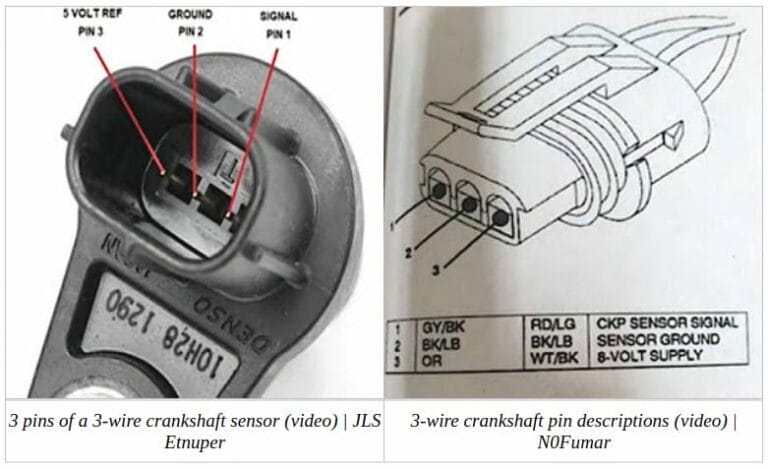
No. P0335 identifies a crankshaft position sensor A circuit malfunction, but the sensor is only one possible cause. The fault may involve the sensor, connector, wiring, reluctor wheel, power supply, ground, or in some cases the control module.
Replacing the sensor immediately can therefore waste time and money if the real problem is an electrical or mechanical issue elsewhere. A proper diagnosis follows the manufacturer’s test procedure and checks the entire signal circuit.
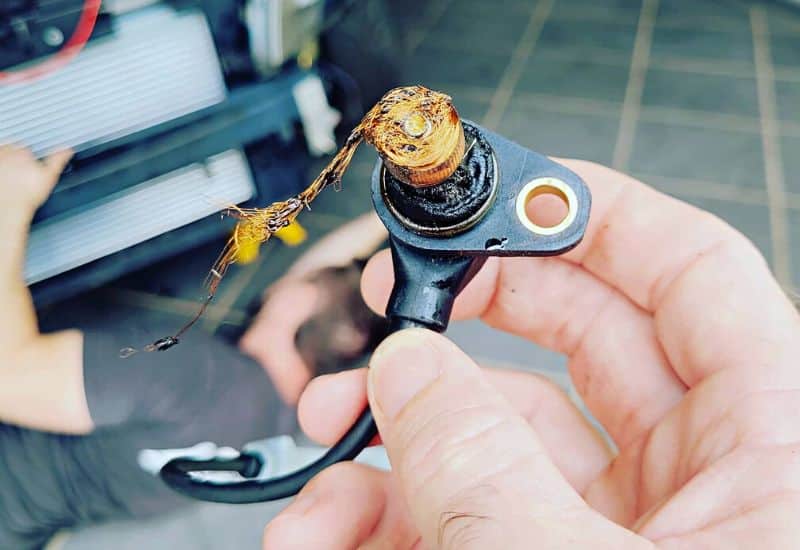
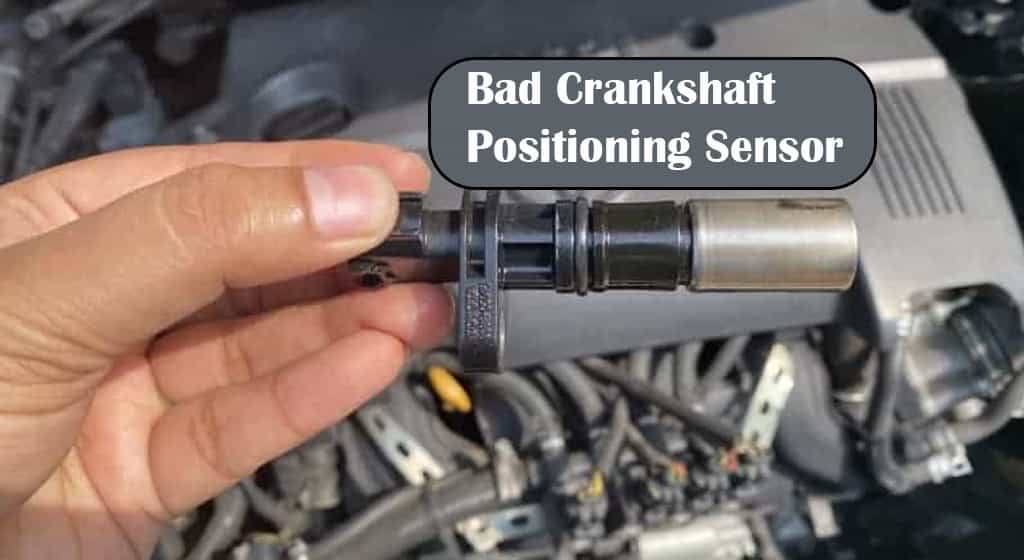
Sensor failure
The sensor may be unable to produce the expected signal.
Wiring or connector fault
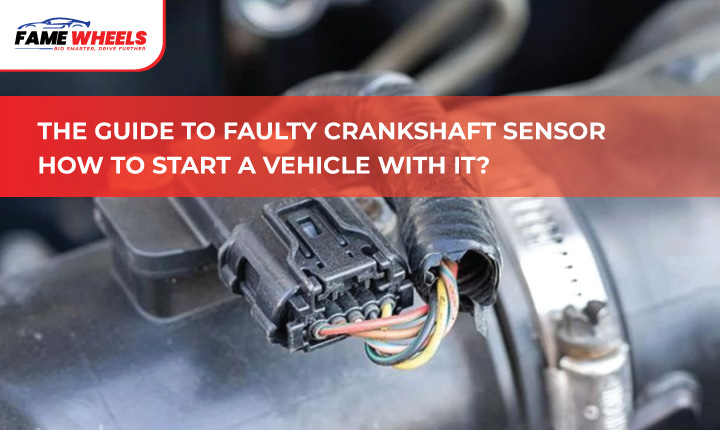
An open circuit, short, damaged insulation, corrosion, or loose connection can interrupt the signal.
Reluctor problem
Missing teeth, damage, contamination, or movement of the reluctor can distort the crankshaft signal.
Symptoms of a Bad Crankshaft Position Sensor
A failing crankshaft sensor can cause starting and drivability symptoms, but symptoms alone cannot confirm the diagnosis. Several other engine and electrical problems can produce similar behavior.
Common symptoms include intermittent stalling, hard starting, a crank-no-start condition, engine misfires, hesitation, poor engine performance, and an illuminated check engine light. Some problems appear only when the engine reaches operating temperature or when the vehicle experiences vibration.
The combination of symptoms and diagnostic data is more useful than any single symptom. For example, a no-start condition combined with no engine RPM signal during cranking can provide a stronger diagnostic clue than a no-start condition alone.
Source: blog.famewheels.com
Intermittent stalling
The engine may stop unexpectedly if the crankshaft signal drops out while the engine is running.
Hard starting
A weak or intermittent signal can make starting difficult on vehicles that depend on the signal for engine control.
No-start condition
A complete loss of crankshaft position information can prevent some engines from starting.
Hesitation or rough running
An unstable signal can interfere with engine-control calculations and contribute to drivability problems.
Check engine light
The control module may illuminate the malfunction indicator lamp when diagnostic conditions for a related fault are met.
Can a Bad Crankshaft Sensor Cause a Check Engine Light?
Yes. A crankshaft sensor fault can cause the check engine light to illuminate when the vehicle’s control module detects a qualifying fault. The stored code may identify a circuit, range, performance, voltage, or intermittent problem rather than simply stating that the sensor is bad.
If the check engine light is flashing while the engine is running poorly, treat that as a potentially serious condition and avoid continued driving unless the vehicle’s manufacturer or a qualified technician indicates it is safe. A flashing malfunction indicator can be associated with conditions that may damage the emissions system.
Stored code
A confirmed diagnostic trouble code has met the vehicle’s criteria for storage.
Pending code
The control module may have detected a fault that has not yet met all conditions for a confirmed code.
How to Diagnose a Crankshaft Sensor Code
Start with the code and the vehicle-specific diagnostic procedure rather than replacing parts based only on the code description. A scan tool can identify stored and pending codes, while live data can provide useful information about engine speed during cranking.
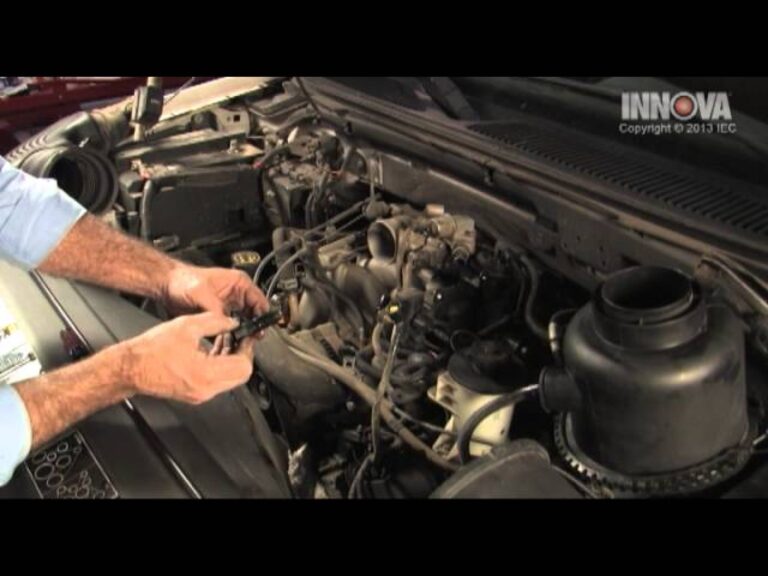
If a crankshaft sensor code is present, inspect the sensor connector and wiring for visible damage, corrosion, loose terminals, or poor routing. The next checks depend on the vehicle and sensor design, so use the manufacturer’s specifications for voltage, resistance, signal pattern, and testing procedures.
A scan tool that displays engine RPM can be particularly useful during cranking. If the engine is being cranked but the scan tool shows no RPM signal, that finding can support further testing of the crankshaft sensor circuit. It does not, by itself, prove that the sensor has failed.
Source: motorriderz.com
1. Scan for codes
Record all stored and pending codes before clearing anything. Include freeze-frame information when available.
2. Check the symptoms
Note whether the vehicle stalls, cranks without starting, misfires, hesitates, or has an intermittent problem.
3. Inspect the circuit
Check the crankshaft sensor, connector, terminals, and accessible wiring for obvious damage or poor connections.
4. Check live RPM data
Observe engine RPM while cranking when the scan tool and vehicle support this data.
5. Test the signal
Use the vehicle’s service procedure to test sensor power, ground, resistance where applicable, and signal output.
6. Inspect mechanical components
If the electrical circuit checks out, investigate the reluctor or trigger wheel and related mechanical timing components as required.
Why You Should Not Replace the Sensor Based Only on the Code
A diagnostic trouble code identifies a detected condition, not necessarily the component that must be replaced. For example, a P0335 code can result from a failed sensor, an open or shorted circuit, a damaged reluctor, or another problem that prevents the control module from receiving the expected signal.
Testing the circuit before installing a new sensor reduces the chance of replacing a good part while leaving the original fault unresolved. If the required electrical or mechanical tests are beyond your equipment or experience, professional diagnosis is a safer option.
Avoid guesswork
Use the exact diagnostic procedure for the vehicle instead of treating a generic code definition as a parts list.
Check the complete circuit
The sensor, connector, wiring, power, ground, and mechanical trigger components can all affect the signal.
What Else Can Cause a Crankshaft Sensor Code?
A crankshaft sensor code does not always originate inside the sensor. Electrical and mechanical faults can interfere with the signal before it reaches the powertrain control module.
Common possibilities include damaged wiring, loose or corroded terminals, a poor ground, a short circuit, a damaged reluctor wheel, incorrect mechanical timing, or a problem with another part of the engine-control system. Some vehicles can also require a crankshaft position variation relearn after certain repairs.
Because the possible causes vary by vehicle, the most reliable approach is to follow the diagnostic flow for the exact vehicle rather than relying on a universal resistance value or a generic replacement procedure.
Source: hitchesguide.com
Damaged wiring
A broken conductor, chafed insulation, or short can interrupt or distort the crankshaft signal.
Connector problems
Loose, damaged, contaminated, or corroded terminals can create intermittent electrical faults.
Reluctor damage
A damaged, displaced, or contaminated trigger wheel can produce an incorrect sensor pattern.
Mechanical timing problem
A timing-related fault can create synchronization problems that resemble sensor faults.
Control module issue
A powertrain control module or its programming can occasionally be involved, but it should not be blamed before the more direct causes have been tested.
Can Wiring Cause the Same Code as a Bad Sensor?
Yes. The control module receives the crankshaft sensor’s signal through an electrical circuit. If that circuit has an open, short, poor connection, or other electrical fault, the module may interpret the result as a crankshaft position sensor problem.
This is one reason a visual inspection and circuit testing matter before replacing the sensor. A new sensor cannot correct a broken wire or damaged connector.
Open circuit
A break in the circuit can prevent the sensor signal from reaching the control module.
Short circuit
An unintended connection to ground or voltage can change the signal seen by the control module.
Poor connection
A loose or corroded terminal can cause an intermittent sensor signal.
When Is a Crankshaft Sensor Problem Urgent?
A crankshaft sensor problem deserves prompt attention when the vehicle stalls unexpectedly, repeatedly fails to start, or loses power while driving. An intermittent stall can create a safety issue if the engine stops in traffic or at an unsafe location.
Do not continue driving simply because the engine restarts after a stall. If the vehicle repeatedly loses its crankshaft signal, the next failure could leave it unable to start. A qualified technician can determine whether the vehicle can be safely driven for diagnosis or should be transported for service.
If the engine has a severe misfire, the check engine light is flashing, or the vehicle is running very poorly, minimize driving and follow the vehicle manufacturer’s guidance. A crankshaft sensor code can coexist with other faults, so the entire set of symptoms and codes should be considered.
Source: gioodqalc.blob.core.windows.net
Repeated stalling
Arrange diagnosis promptly because an unexpected engine shutdown can create a road-safety hazard.
Repeated no-start condition
A vehicle that intermittently will not start may become completely unable to start if the underlying fault worsens.
Severe engine misfire
Avoid unnecessary driving when the engine is running badly, particularly if the malfunction indicator is flashing.
What Should You Do After Getting a Crankshaft Sensor Code?
Write down the exact code, note the symptoms, and avoid clearing the code before recording the available diagnostic information. Then check the vehicle-specific service procedure for that code.
If you have appropriate diagnostic equipment and experience, inspect the connector and wiring and check available live data. If the diagnosis requires an oscilloscope, difficult mechanical access, or manufacturer-specific procedures, professional service can prevent unnecessary parts replacement.
Record the code
Keep the exact code and any freeze-frame information available for diagnosis.
Record the symptoms
Note when the problem occurs, such as cold starts, hot starts, acceleration, or after the vehicle warms up.
Use vehicle-specific information
Diagnostic values and procedures vary by vehicle, so use the correct service information for the engine and model year.
Frequently Asked Questions
Q
Will a bad crankshaft sensor always throw a code?
No. A failing crankshaft sensor can produce intermittent symptoms before the control module meets the conditions needed to store a confirmed code. Pending codes and live data may provide useful clues even when there is no confirmed crankshaft sensor code.
Q
What is the most common code for a bad crankshaft sensor?
P0335 is a common generic code associated with a crankshaft position sensor A circuit malfunction. Other related codes include P0336, P0337, P0338, and P0339, with the exact code depending on the detected fault.
Q
Can a bad crankshaft sensor cause a car not to start?
Yes. On some vehicles, a missing or unusable crankshaft position signal can prevent the engine from starting. However, a crank-no-start condition can have many other causes, so the crankshaft sensor should be tested rather than replaced based only on the symptom.
Q
Can a bad crankshaft sensor cause stalling?
Yes. An intermittent crankshaft signal can cause the engine control system to lose reliable information about crankshaft speed or position, which may contribute to stalling. Wiring and connector problems can cause similar symptoms.
Q
Can a crankshaft sensor code be caused by wiring?
Yes. Open circuits, shorts, damaged wiring, loose terminals, and connector corrosion can prevent the control module from receiving the expected crankshaft signal. The wiring and connector should therefore be checked as part of the diagnosis.
Q
Should I replace the crankshaft sensor if I get P0335?
Not automatically. P0335 identifies a crankshaft position sensor A circuit malfunction, but the cause can include the sensor, wiring, connector, reluctor wheel, or another component. Follow the vehicle-specific diagnostic procedure before replacing the part.
✦ Wrapping Up
Conclusion
A bad crankshaft sensor can throw a code, and P0335 through P0339 are common generic OBD-II codes associated with crankshaft position sensor circuit and signal problems. The vehicle may also show symptoms such as hard starting, stalling, hesitation, misfires, or a no-start condition.
The key point is that a crankshaft sensor code does not automatically prove the sensor has failed. Wiring, connectors, the reluctor wheel, mechanical timing, and other engine-control faults can produce similar diagnostic results. For an accurate repair, diagnose the complete circuit and follow the service information for the exact vehicle.
💡 Key Takeaway
If your vehicle stores a crankshaft sensor code, record the exact code and symptoms, check available live RPM data, inspect the sensor circuit, and use the vehicle-specific diagnostic procedure before replacing the sensor.
Ethan Brooks is an automotive writer at Auto News 7, covering car news, vehicle maintenance, new model updates, recalls, and practical buying guides. He focuses on clear, useful information that helps drivers understand their vehicles and make better ownership decisions.
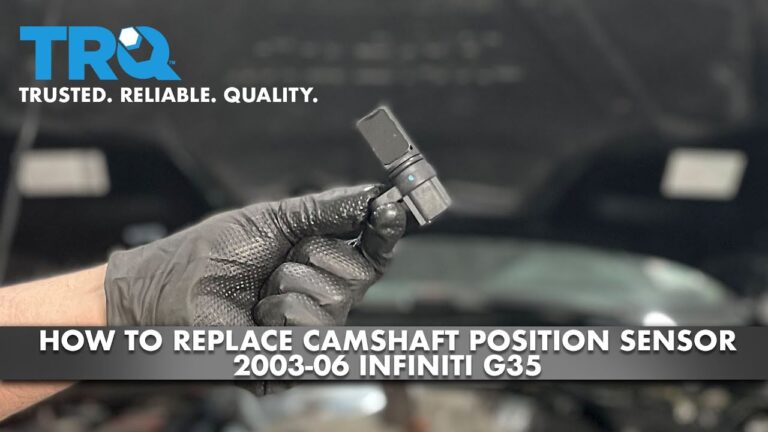
Learn how to replace camshaft sensor Infiniti G35 models with this detailed DIY guide. Find symptoms, tools, sensor locations, replacement steps, troubleshooting tips, and common mistakes.
Learn whether a camshaft sensor is covered under a powertrain warranty, what affects coverage, common exceptions, and how to file a warranty claim in the United States.
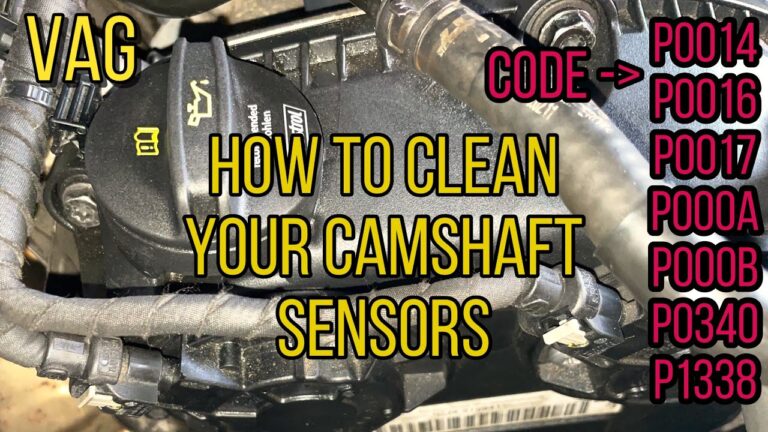
Learn how to clean camshaft position sensor components safely with a simple step-by-step process, tools list, troubleshooting tips, and common mistakes to avoid.
Learn how to replace camshaft position sensor Ford F150 models with this step-by-step guide. Discover symptoms, tools needed, replacement steps, troubleshooting tips, and common mistakes.