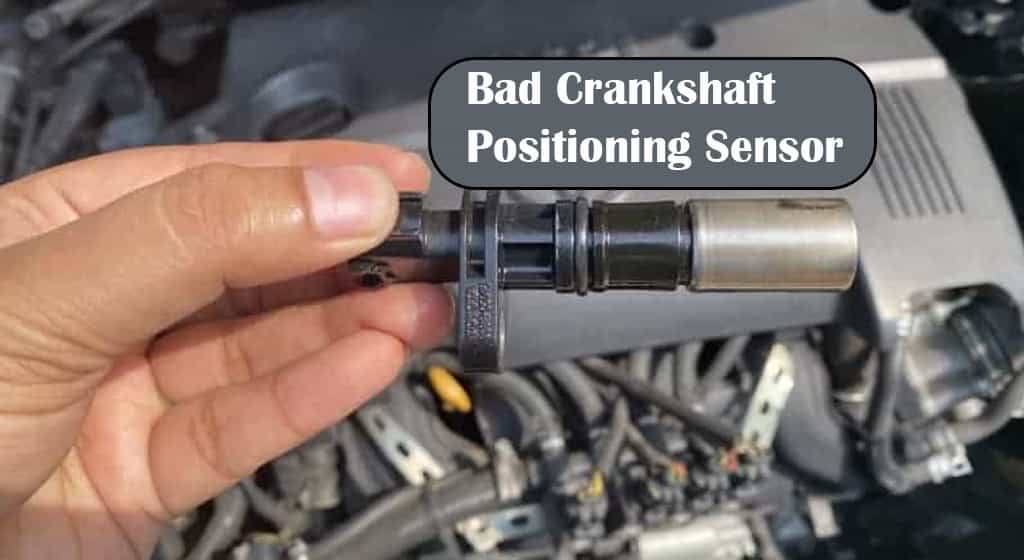
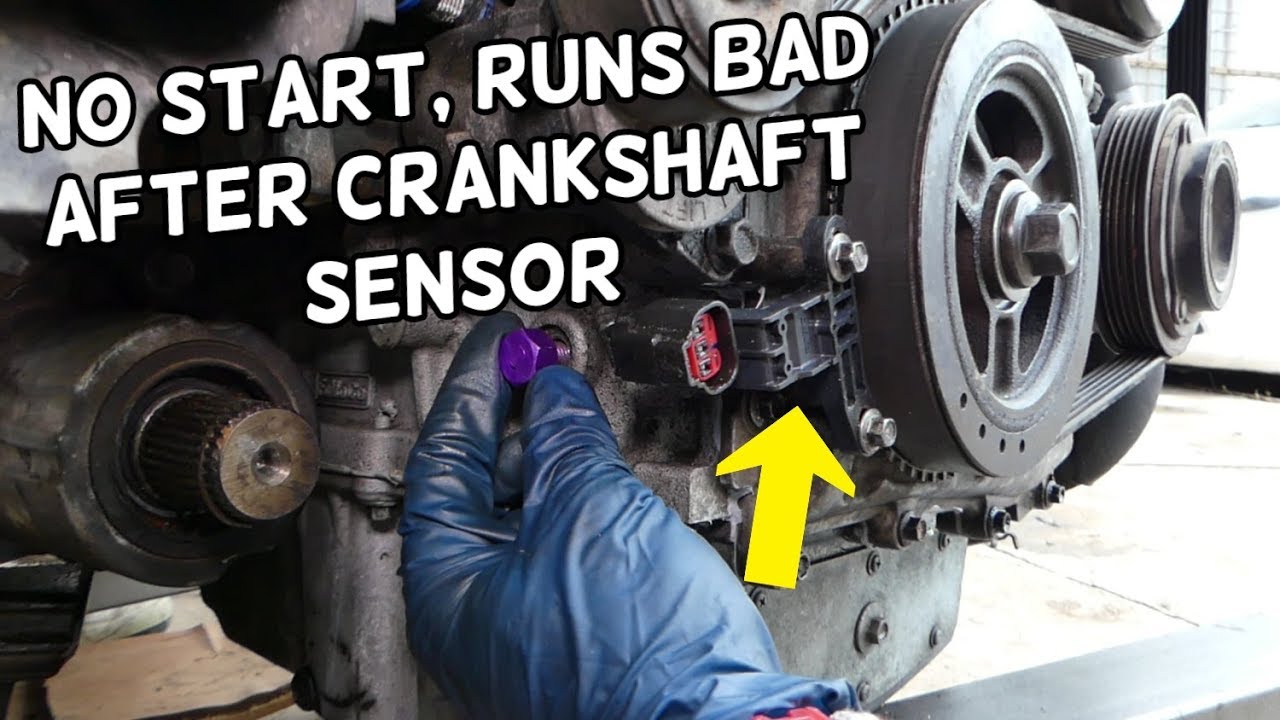
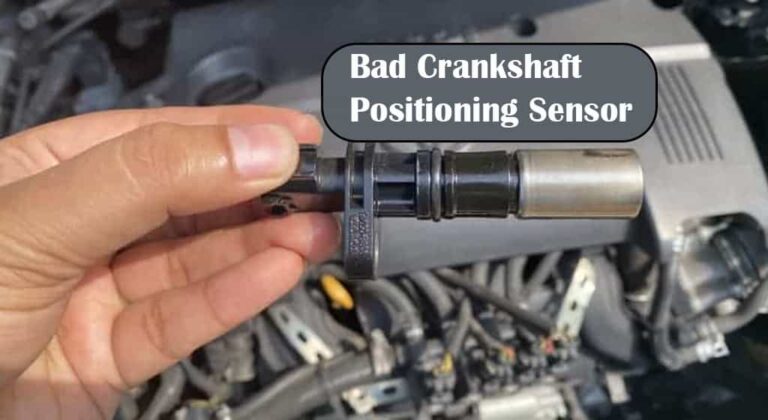
Yes, a crankshaft sensor can be failing even when an OBD-II scan shows no stored trouble code.
For drivers in the United States, a missing check engine light does not automatically rule out a crankshaft position sensor problem. The sensor can produce an intermittent, weak, or inconsistent signal before the vehicle’s diagnostic system decides that a fault meets its criteria for storing a confirmed code.
A failing crankshaft sensor can cause hard starting, intermittent stalling, hesitation, rough running, or a no-start condition. Wiring, connectors, the tone or reluctor wheel, contamination, and other engine-management problems can create similar symptoms, so replacing the sensor based on symptoms alone can lead to an unnecessary repair.
The most useful approach is to treat the lack of a code as one piece of diagnostic information rather than proof that the sensor is healthy. Checking live engine-speed data during cranking, inspecting the wiring and connector, and testing the sensor signal with the correct equipment can provide stronger evidence.
Source: mechlesson.com
Why Can a Crankshaft Sensor Be Bad Without a Code?
Yes. A crankshaft position sensor can develop a problem without immediately producing a stored diagnostic trouble code. The engine computer does not simply monitor whether a sensor is good or bad. It evaluates electrical signals and operating conditions according to the vehicle manufacturer’s diagnostic strategy.
A sensor may still produce a signal, but the signal can become intermittent, distorted, weak, or unreliable under certain conditions. For example, a problem may appear only when the engine is hot, during cranking, or when vibration affects a damaged connector or wire.
OBD-II systems can also use diagnostic criteria that require a fault to occur under particular conditions or on more than one drive cycle before a confirmed code and malfunction indicator light are triggered. A pending code may exist before a confirmed code appears.
That means a clean basic scan does not prove that the crankshaft sensor is operating correctly. It only tells you that the scan tool did not find a currently stored code that identifies the fault under the conditions it has evaluated.
Source: mechstudies.com
Intermittent failure
The sensor may work normally most of the time and lose its signal briefly during starting, acceleration, vibration, or high engine temperature.
Signal degradation
A sensor can produce a signal that is present but abnormal enough to cause symptoms without immediately meeting the vehicle’s fault-detection threshold.
Diagnostic timing
The vehicle may need to detect a specific fault condition before storing a confirmed diagnostic trouble code.
Another related fault
A damaged wire, poor connector, reluctor wheel problem, or electrical issue can interrupt the crankshaft signal without proving that the sensor itself has failed.
What Does the Crankshaft Sensor Do?
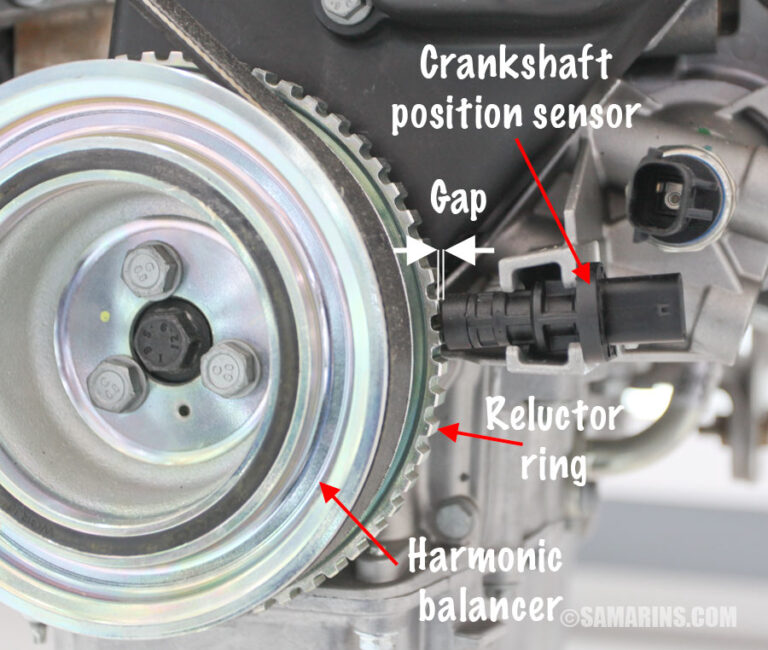
The crankshaft position sensor tells the engine control system where the crankshaft is and how fast it is rotating. The computer uses this information for engine timing and other control decisions.
Because the crankshaft signal is fundamental to engine operation, a significant loss of that signal can cause difficult starting, stalling, or a complete no-start condition. However, the exact symptoms depend on the vehicle’s engine-management design and the nature of the failure.
Symptoms of a Bad Crankshaft Sensor With No Code
The strongest clue is usually a repeatable engine symptom rather than the absence or presence of a code. A crankshaft sensor problem can cause symptoms that appear before the diagnostic system stores a confirmed fault.
Pay attention to when the symptom occurs. A problem that happens only after the engine warms up, only during cranking, or only after vibration or movement can provide useful diagnostic information.
These symptoms are not exclusive to the crankshaft sensor. Fuel delivery problems, ignition faults, camshaft sensor issues, battery problems, poor grounds, and wiring faults can produce similar complaints.
Source: motorriderz.com
Hard starting
The engine may crank for longer than normal before starting, especially when the sensor signal becomes unreliable during cranking.
Intermittent stalling
The engine may suddenly shut off while driving or at idle if the crankshaft signal is lost.
No-start condition
A severe loss of crankshaft position information can prevent the engine from starting.
Hesitation or rough running
An unstable crankshaft signal can contribute to poor engine operation, although many other faults can cause the same symptoms.
Symptoms that change with temperature
Some sensor or wiring problems may appear after the engine compartment becomes hot and disappear after the vehicle cools.
Why Symptoms Matter More Than a Single Scan
A code scan is one diagnostic step, not a complete test of the engine-management system. If the vehicle has a repeatable symptom but no stored code, the next step should be targeted testing rather than immediately replacing a sensor.
Record whether the engine is hot or cold, whether the symptom happens during starting or driving, and whether moving the wiring or connector changes the symptom. This information can help narrow the problem without guessing.
How to Check for a Crankshaft Sensor Problem Without a Trouble Code
Start with the least invasive checks and move toward signal testing. The goal is to determine whether the engine computer is receiving a usable crankshaft signal and whether the sensor circuit is intact.
Before testing, identify the exact vehicle, engine, sensor type, and manufacturer test procedure. Crankshaft sensors are not all tested in the same way, and using the wrong procedure can produce misleading results or damage some sensor types.
Source: wfjrl.salines.org
1. Scan for stored and pending codes
Use a capable OBD-II scan tool to check confirmed, pending, and relevant manufacturer-specific faults when the tool supports them.
2. Check live data during cranking
Watch engine RPM or crankshaft speed data while the starter turns the engine. If the vehicle should report engine speed but the scan tool shows no crankshaft RPM during cranking, the crankshaft signal circuit deserves closer inspection.
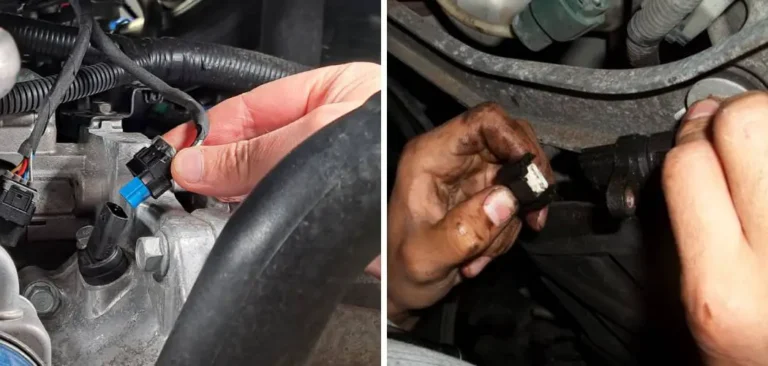
3. Inspect the connector
Look for corrosion, damaged terminals, loose connections, oil contamination, broken locking tabs, and signs that the connector is not fully seated.
4. Inspect the wiring
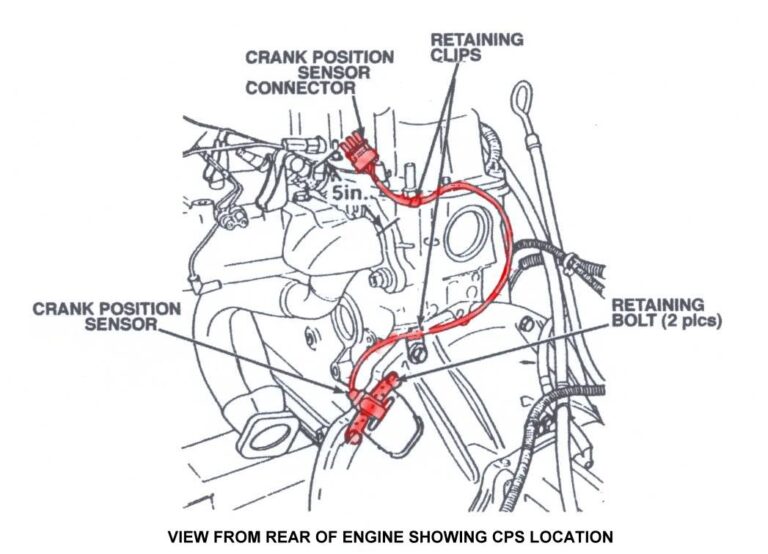
Follow the harness for damaged insulation, broken conductors, chafing, heat damage, and areas where engine movement could stress the wiring.
5. Check the sensor and trigger area
Inspect for contamination, physical damage, incorrect installation, or problems with the reluctor or encoder component that the sensor reads.
6. Test the signal correctly
Use the manufacturer’s procedure and appropriate equipment, which may include a multimeter, scan tool, or oscilloscope depending on the sensor design.
Why Live Engine RPM Data Can Be Useful
During cranking, a scan tool may display engine speed calculated from the crankshaft signal. If the engine is physically turning but the expected RPM signal is absent, the crankshaft sensor circuit becomes an important area to investigate.
However, an RPM reading by itself does not prove that the sensor is healthy. A signal can exist while still having a problem, and the data may be affected by the vehicle’s specific diagnostic architecture. Use the reading alongside wiring checks and the manufacturer’s test procedure.
Can You Test a Crankshaft Sensor With a Multimeter?
Sometimes, but the correct test depends on the sensor design. Some crankshaft sensors are inductive or passive types, while others use Hall-effect or other active electronics. Their electrical characteristics and recommended testing methods are different.
For an inductive sensor, a manufacturer may specify resistance and signal tests. For an active sensor, checking resistance with an ohmmeter may be inappropriate and can potentially damage the sensor depending on its design.
For that reason, do not use a generic resistance value found online as proof that a sensor is good or bad. The correct specification must come from the vehicle’s service information or a reliable component-testing procedure.
Source: storage.googleapis.com
Identify the sensor type first
Do not assume the sensor design from its appearance or connector alone.
Use the vehicle-specific specification
Resistance, supply voltage, signal voltage, and expected waveform can vary by application.
Consider waveform testing
An oscilloscope can reveal signal problems that a simple resistance check cannot show, particularly when a fault occurs only while the engine is rotating.
Do not probe blindly
Incorrect back-probing, shorting terminals, or applying the wrong test voltage can damage electrical components.
Why Resistance Alone Cannot Always Prove the Sensor Is Good
A resistance reading is a static measurement. It does not necessarily show how the sensor behaves while the crankshaft is rotating or when the sensor reaches operating temperature.
An intermittent internal fault can therefore escape a basic resistance test. If symptoms occur while the engine is running, dynamic signal testing can provide more useful information than a resistance check alone.
Other Problems That Can Look Like a Bad Crankshaft Sensor
A crankshaft sensor should not be blamed simply because the symptoms match. The sensor is part of a larger signal circuit, and several other problems can interrupt or distort the information reaching the engine computer.
A careful diagnosis checks the complete circuit and related engine systems before installing a replacement part. This is especially important when there is no diagnostic code pointing directly toward the sensor.
Source: motoraudit.com
Damaged wiring
An open circuit, short circuit, rubbed-through wire, or heat-damaged harness can interrupt the crankshaft signal.
Poor connector contact
Loose, corroded, contaminated, or damaged terminals can create intermittent electrical problems.
Reluctor or encoder wheel damage
The sensor reads a rotating target, so physical damage, incorrect positioning, or contamination around the target can affect the signal.
Camshaft sensor problems
Camshaft and crankshaft signals work together in many engine-management systems, and a camshaft signal problem can create similar starting or running symptoms.
Battery or starting-system problems
Low cranking speed or unstable electrical voltage can create starting symptoms that may be mistaken for a sensor fault.
Ignition or fuel problems
A vehicle that cranks but does not start may have a fuel-delivery, ignition, injector, or other engine-control problem instead of a crankshaft sensor failure.
Why Replacing the Sensor First Can Waste Money
A new sensor cannot repair a broken wire, damaged reluctor, poor connector connection, or unrelated engine problem. Replacing parts without confirming the cause can also make the original intermittent fault harder to diagnose.
If the vehicle has a recurring symptom and no code, diagnosis should focus on proving what signal is missing or incorrect. The repair should follow that evidence.
When Should You Stop Driving With a Suspected Crankshaft Sensor Problem?
If the engine is stalling unexpectedly, the vehicle should not be treated as reliable for normal driving. A crankshaft signal problem can cause an engine to shut off without much warning, and that can reduce power assistance and leave the vehicle unable to continue under its own power.
A vehicle that only has an occasional starting issue may still need prompt diagnosis, especially if the problem is becoming more frequent. An intermittent sensor fault can progress to a no-start condition.
If the engine stalls in traffic, repeatedly loses power, or has a severe no-start condition, arrange appropriate roadside assistance or professional diagnosis rather than repeatedly driving until the problem becomes worse.
Source: automotivian.com
Unexpected engine stalling
Treat repeated stalling as a safety concern because the engine can stop during normal driving.
Repeated no-start events
A vehicle that intermittently refuses to start may eventually fail to start at all.
Loss of normal engine operation
Severe hesitation, misfiring, or sudden loss of power warrants diagnosis before continued driving.
When Professional Diagnosis Makes Sense
Professional help is appropriate when the vehicle has an intermittent fault that cannot be reproduced easily, when access to the sensor is difficult, or when an oscilloscope or manufacturer-specific diagnostic information is needed.
A technician can compare live data, inspect the circuit, test the waveform, and determine whether the fault is actually in the sensor or elsewhere in the system.
What to Do If There Is No Code but You Suspect the Sensor
Do not let the absence of a code end the diagnosis. Start by documenting the symptom and checking whether the problem occurs during cranking, after the engine warms up, during acceleration, or at random.
Next, scan for both confirmed and pending codes when the scan tool supports them. Check live engine-speed data while cranking, then inspect the crankshaft sensor connector and wiring. If those checks do not identify the problem, use the vehicle-specific signal-testing procedure.
The key question is not simply whether a code exists. The better question is whether the crankshaft sensor is producing the correct signal, whether that signal reaches the engine computer, and whether the computer is interpreting it correctly.
Source: detroitchinatown.org
If there is no RPM during cranking
Investigate the crankshaft signal circuit, sensor, wiring, power supply where applicable, and related components.
If RPM is present but symptoms continue
Do not automatically replace the sensor. Continue testing the signal quality and investigate fuel, ignition, camshaft synchronization, and other relevant systems.
If a pending code appears
Treat it as useful diagnostic information, but confirm the underlying fault before replacing a component.
If the fault is temperature-dependent
Test the sensor and wiring under the conditions that reproduce the problem, because a cold static check may miss an intermittent hot failure.
A Practical Diagnostic Order
A sensible order is to confirm the symptom, scan for codes, observe live data, inspect the wiring and connector, verify the sensor’s electrical supply and ground where applicable, and then test the crankshaft signal using the correct method.
This sequence reduces guesswork because each step provides information for the next one. It also helps prevent unnecessary parts replacement when the real problem is a wiring, connector, mechanical, or related engine-control fault.
Frequently Asked Questions
Q
Can a crankshaft sensor fail without turning on the check engine light?
Yes. An intermittent or developing crankshaft sensor problem may not immediately meet the conditions required to store a confirmed diagnostic trouble code or illuminate the malfunction indicator lamp.
The vehicle can still have hard starting, stalling, hesitation, or no-start symptoms. Pending codes and live-data information can sometimes provide additional clues.
Q
How do I know if my crankshaft sensor is bad if there is no code?
Look for repeatable symptoms and check live engine-speed data during cranking. Inspect the sensor connector and wiring, then test the sensor signal using the procedure specified for that vehicle.
No single symptom proves that the crankshaft sensor is bad because several fuel, ignition, wiring, and engine-management faults can produce similar symptoms.
Q
Can a crankshaft sensor cause intermittent stalling without a code?
Yes. A crankshaft signal can fail intermittently and cause the engine to stall before the diagnostic system stores a confirmed code.
Temperature, vibration, damaged wiring, connector problems, and an internal sensor fault can all contribute to intermittent behavior.
Q
Will a bad crankshaft sensor always cause a P0335 code?
No. P0335 is one possible crankshaft position sensor circuit code, but not every crankshaft-related fault will immediately produce that code. Diagnostic strategies vary by vehicle.
Other codes may appear, a pending code may be stored, or no relevant code may be present during an intermittent failure.
Q
Can I test a crankshaft sensor with an ohmmeter?
It depends on the sensor type and the vehicle’s test procedure. Some inductive sensors can have resistance checked, while certain active sensors should not be tested that way.
Identify the sensor design and follow the manufacturer-specific procedure before connecting an ohmmeter or applying test voltage.
Q
Can a bad crankshaft sensor cause a car not to start?
Yes. If the engine control system does not receive the crankshaft position information it needs, the vehicle may crank without starting.
A no-start condition has many possible causes, so the crankshaft sensor should be confirmed through appropriate testing rather than assumed to be the cause.
Q
Should I replace the crankshaft sensor if the car has symptoms but no code?
Not solely because of the symptoms. Confirm the crankshaft signal and inspect the related wiring, connector, and mechanical components first when practical.
Replacing the sensor without confirming the fault may not solve the problem if the actual cause is elsewhere in the circuit or engine-management system.
✦ Wrapping Up
Conclusion
A crankshaft sensor can be bad without a code, particularly when the failure is intermittent, developing, or outside the conditions needed to trigger a confirmed diagnostic fault. A clean OBD-II scan therefore should not be treated as proof that the sensor is healthy.
The most useful diagnosis combines the vehicle’s symptoms with scan-tool data, inspection of the sensor circuit, and the correct electrical or waveform test. Because several other faults can mimic a crankshaft sensor problem, evidence should guide the repair rather than the symptom alone.
💡 Key Takeaway
If your vehicle has crankshaft-sensor symptoms but no code, check pending faults and live engine RPM during cranking, inspect the connector and wiring, and follow the vehicle-specific sensor testing procedure before replacing the part.
Ethan Brooks is an automotive writer at Auto News 7, covering car news, vehicle maintenance, new model updates, recalls, and practical buying guides. He focuses on clear, useful information that helps drivers understand their vehicles and make better ownership decisions.
Learn how to remove crankshaft position sensor safely and correctly. Follow step-by-step instructions, tools needed, troubleshooting tips, and common mistakes to avoid.
Can a car start without a crankshaft sensor? Learn whether the engine can start, what happens when the sensor fails, symptoms to check, and safe troubleshooting steps.