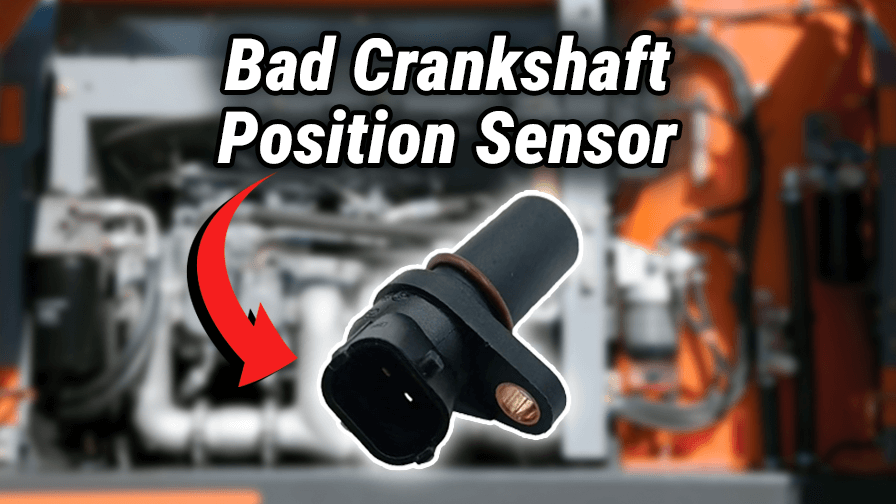
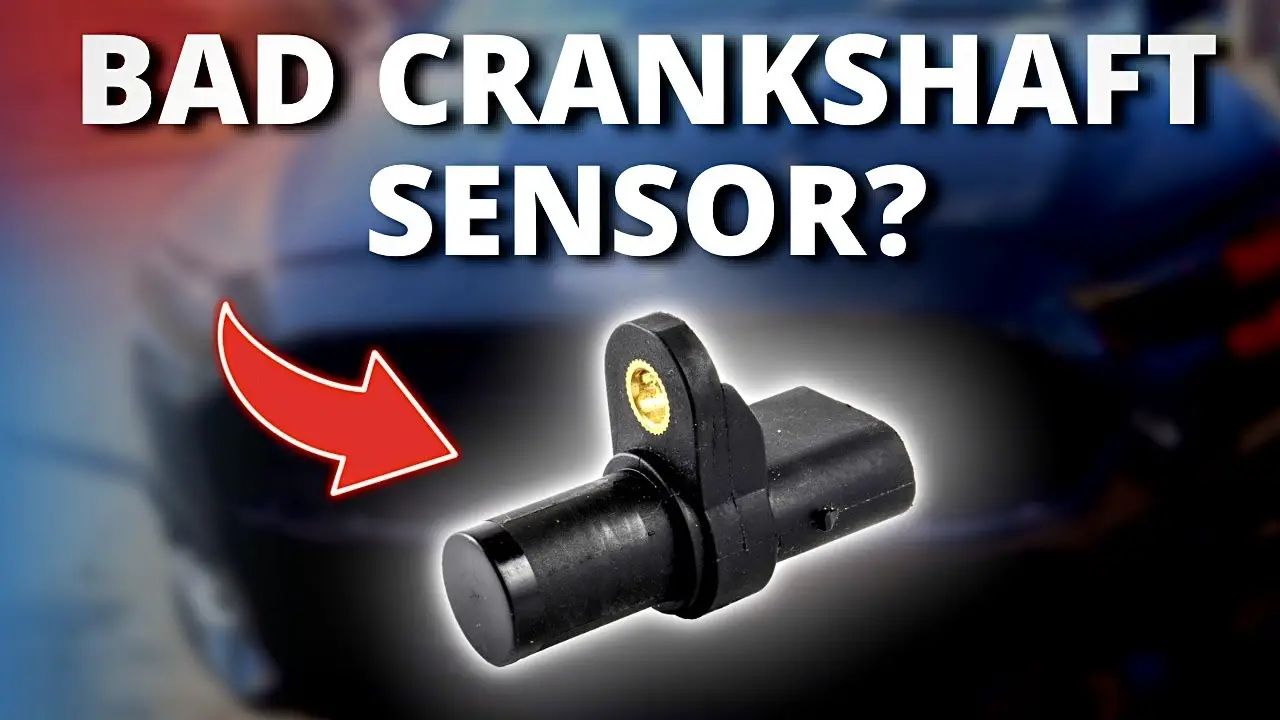
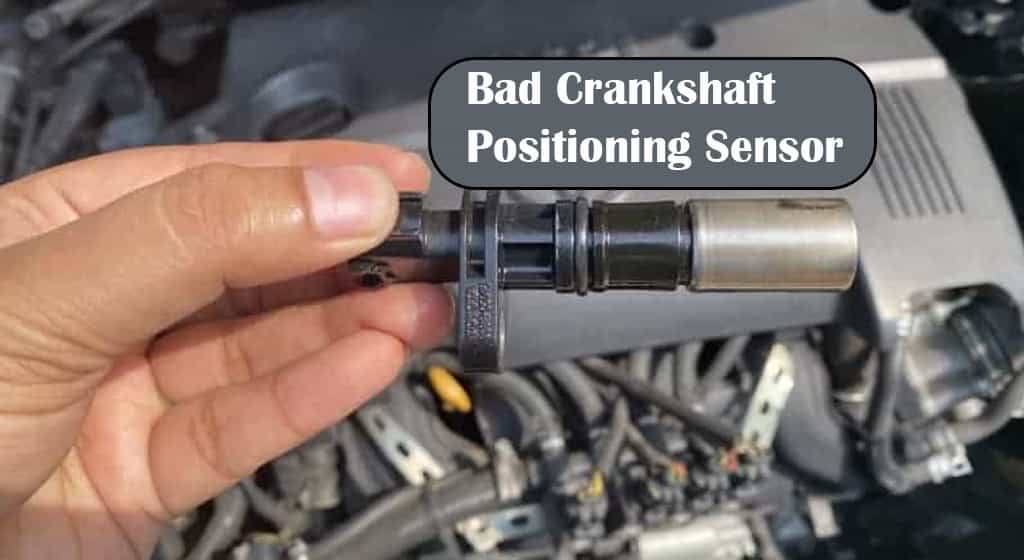
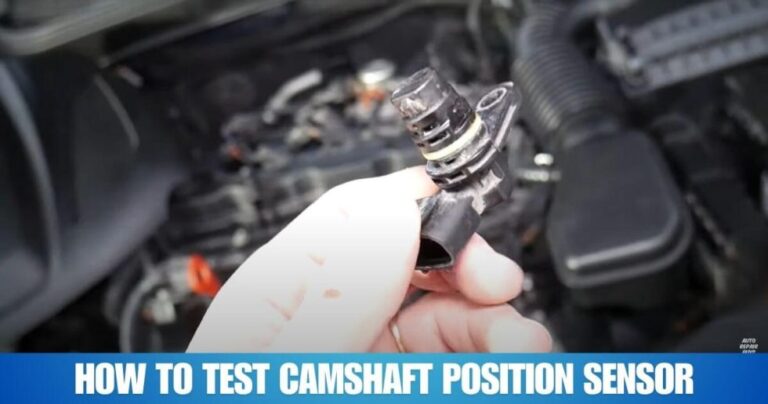
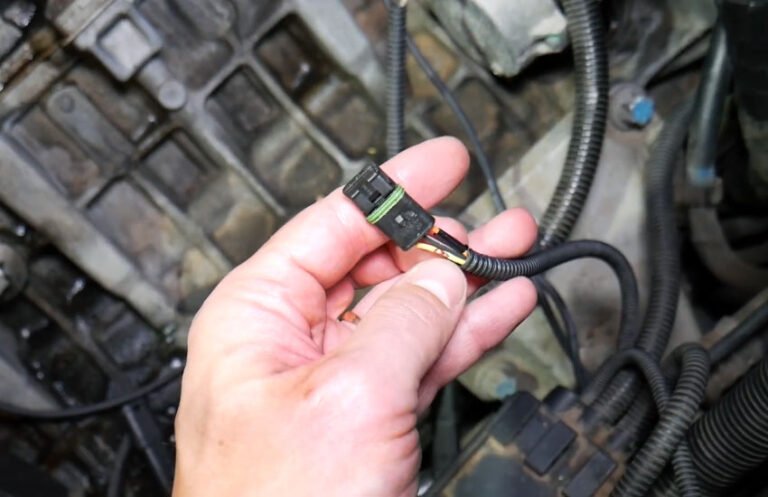
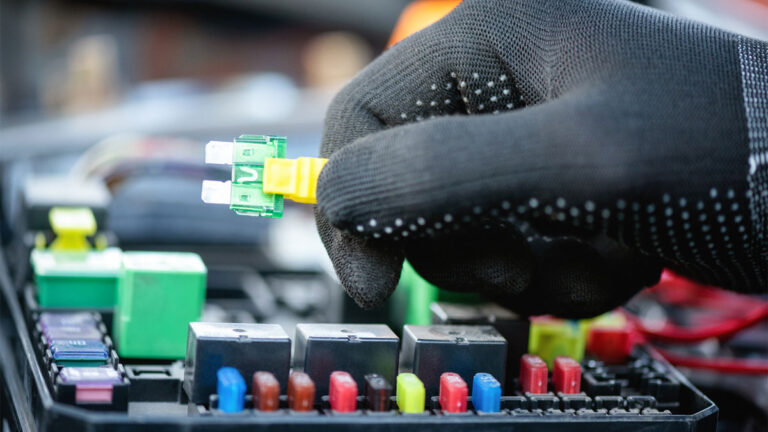
A bad crankshaft sensor may look cracked, damaged, dirty, corroded, or physically worn, but appearance alone cannot confirm failure.
If you are diagnosing a car in the United States, the crankshaft position sensor is one of the engine management parts worth checking when a vehicle has hard starting, stalling, misfires, or a check engine light. The sensor, often called a CKP sensor, monitors crankshaft position and speed so the engine control module can coordinate engine operation.
So, what does a bad crankshaft sensor look like? A failed sensor may show a cracked housing, damaged sensing tip, corrosion, contamination, broken wiring, or a damaged connector. However, some crankshaft sensors look completely normal even when their electrical signal is incorrect. A visual inspection is therefore useful, but it should be combined with proper diagnostic testing.
A faulty sensor is not always the only possible cause of these symptoms. Damaged wiring, a poor electrical connection, an incorrect sensor gap, or damage to the crankshaft trigger wheel can create similar problems. That is why replacing the sensor based only on its appearance can lead to an unnecessary repair.
Source: mechstudies.com
What Does a Bad Crankshaft Sensor Look Like?
A bad crankshaft sensor does not have one universal appearance. In many vehicles, the sensor is a small electronic component mounted near the crankshaft, flywheel, flexplate, or timing area. Its design varies by vehicle, so a normal sensor from one engine can look very different from one used on another engine.
When a crankshaft sensor has suffered physical damage, you may see a cracked plastic housing, a damaged sensing end, impact marks, melted material, corrosion, or contamination. The electrical connector may also have broken locking tabs, bent terminals, moisture, or corrosion.
Dirt or metallic debris on the sensing end can also be relevant on some sensor designs. Because the sensor detects a rotating target such as a toothed wheel or reluctor, contamination or an incorrect gap can interfere with the signal.
The key point is that visible damage is evidence of a problem, but a clean-looking sensor is not necessarily a good sensor. Internal electrical faults can occur without leaving an obvious external mark.
Source: fridayparts.com
Cracked housing
A visible crack can allow contamination or moisture into the sensor and may indicate physical damage.
Damaged sensing tip
The end of the sensor may show impact, scraping, deformation, or other damage if it contacted the rotating trigger wheel.
Oil or dirt contamination
Contamination around the sensing area or connector can interfere with operation depending on the sensor design and vehicle.
Corroded connector
Green, white, or otherwise corroded terminals can indicate moisture or electrical connection problems.
Damaged wiring
Cuts, abrasion, stretched wires, broken insulation, or loose connections can interrupt the crankshaft signal.
Why a Failed Sensor May Look Normal
A crankshaft sensor can fail internally without developing a visible crack or burn mark. Electronic components can lose their ability to produce or transmit the correct signal while the outside of the sensor remains clean.
This is why a visual inspection should be treated as one part of diagnosis rather than proof of failure. Signal testing and vehicle-specific diagnostic information can reveal faults that cannot be seen with the sensor removed.
Internal electrical failure
The sensor may stop producing the correct output even though its housing appears intact.
Intermittent failure
A sensor can work when cold and become unreliable as temperature changes, making a simple visual inspection ineffective.
Signal quality problem
A sensor may produce an incorrect or unstable signal that requires electrical testing to identify.
What Are the Common Signs of a Bad Crankshaft Sensor?
The most useful clues often come from how the engine behaves rather than how the sensor looks. A failing crankshaft sensor can interfere with the engine control module’s ability to determine crankshaft position and speed.
A complete sensor failure can prevent an engine from starting because the control system may lose an essential position signal. A partial or intermittent failure can instead cause difficult starting, stalling, misfires, rough running, or uneven acceleration.
A check engine light may also appear. Diagnostic trouble code P0335 is commonly associated with a crankshaft position sensor circuit fault, but the exact codes and diagnostic requirements vary by vehicle. A code should be treated as a clue rather than automatic proof that the sensor itself needs replacement.
Source: motorriderz.com
Hard starting or no-start
The engine may crank normally but fail to start when the control module cannot obtain a usable crankshaft position signal.
Unexpected stalling
An intermittent or failing sensor can cause the engine to stop running if the required crankshaft signal is lost.
Engine misfires
Incorrect position information can disrupt engine timing and contribute to misfire symptoms.
Rough or unstable running
The engine may run unevenly when the sensor signal is inaccurate or intermittent.
Uneven acceleration
Incorrect crankshaft information can affect engine control and may cause weak or inconsistent acceleration.
Check engine light
The vehicle may store a diagnostic trouble code when the engine control system detects a crankshaft position or signal problem.
Symptoms Can Point to Other Problems
These symptoms are not exclusive to crankshaft sensor failure. A weak battery, ignition problem, fuel delivery problem, damaged wiring, camshaft sensor fault, or mechanical engine problem can produce some of the same behavior.
For that reason, a proper diagnosis should connect the symptoms with scan data, wiring condition, sensor signals, and the vehicle manufacturer’s testing procedure.
No-start condition
Do not assume the crankshaft sensor is responsible simply because the engine cranks without starting.
Check engine light
A stored code identifies a monitored fault condition, but additional testing may be needed to identify the failed component.
How to Inspect a Crankshaft Sensor for Visible Damage
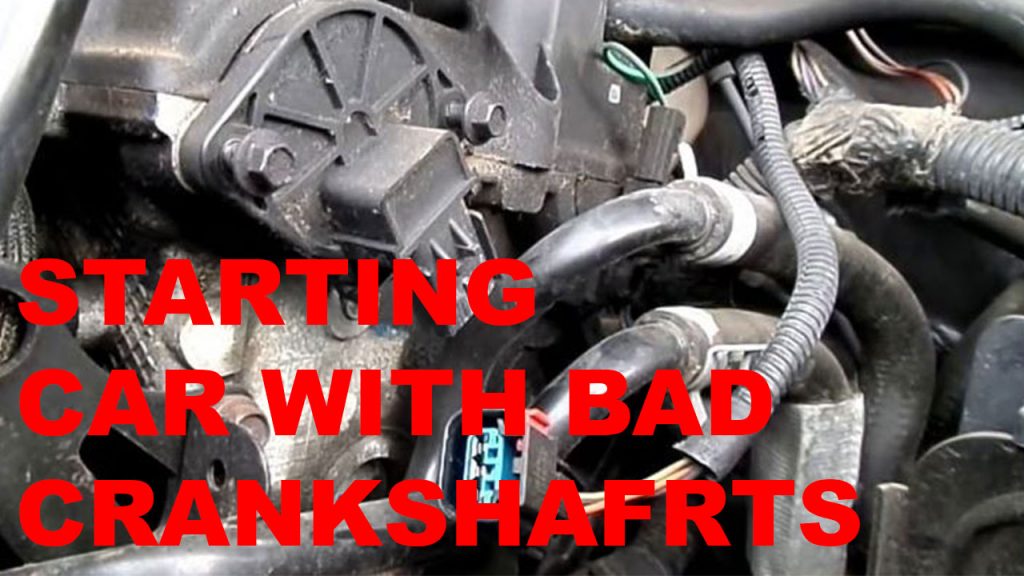
A visual inspection is a useful first step when you can safely access the sensor. Let the engine cool, park the vehicle securely, and follow the manufacturer’s service instructions before working near the crankshaft sensor or other engine components.
Start by examining the sensor housing and sensing end. Look for cracks, impact damage, melted plastic, unusual wear, heavy contamination, or signs that the sensor has contacted a rotating component. Do not assume that every trace of oil or dirt means the sensor has failed.
Next, inspect the connector and wiring. Look for loose connections, damaged insulation, corrosion, pulled wires, or signs of rubbing against nearby components. Wiring faults can create the same symptoms as a defective sensor.
If the sensor has been removed, inspect the corresponding trigger wheel, reluctor, or tone wheel when the vehicle’s service information permits. A damaged or incorrectly positioned target can prevent a good sensor from producing a usable signal.
Source: host.4alarmclocks.com
Inspect the sensor body
Check for cracks, broken mounting areas, melting, impact marks, or other physical damage.
Inspect the sensing end
Look for debris, scoring, deformation, or evidence of contact with the rotating target.
Inspect the connector
Check for moisture, corrosion, damaged terminals, broken locks, or a connector that does not seat correctly.
Inspect the wiring
Look for abrasion, broken insulation, stretched wires, loose routing, or contact with hot or moving components.
Inspect the trigger target
When applicable, check for damaged teeth, cracks, looseness, or other problems with the wheel the sensor reads.
What a Normal Sensor Should Not Have
A normal crankshaft sensor should not have obvious cracks, broken electrical terminals, severe physical deformation, or evidence of contact with the rotating target. Its mounting and electrical connections should also meet the vehicle manufacturer’s requirements.
However, the absence of these defects does not prove that the sensor works. A sensor can pass a basic visual inspection and still have an incorrect output signal.
No obvious housing damage
The sensor should not have visible cracks or impact damage.
Secure electrical connection
The connector should be properly seated and free from obvious terminal or corrosion problems.
No abnormal contact marks
The sensing end should not show evidence of striking a rotating trigger wheel.
How Do You Test a Bad Crankshaft Sensor?
Testing is more reliable than appearance alone. The exact procedure depends on the vehicle and the type of crankshaft sensor installed. Common designs include inductive sensors and Hall effect sensors, and their electrical testing methods are not interchangeable.
Begin with a scan tool if one is available. Read stored and pending diagnostic trouble codes and check live engine data while the engine is cranking. On vehicles that report engine speed, a missing or implausible crankshaft speed reading can provide an important clue, but it is not by itself proof of sensor failure.
Next, inspect the wiring and connector before condemning the sensor. Check power, ground, continuity, and signal circuits according to the vehicle manufacturer’s specifications. Do not apply a generic voltage or resistance specification to a sensor unless it matches the vehicle and sensor design.
An oscilloscope can provide a more direct view of the crankshaft sensor’s output waveform. This can help identify a missing, distorted, or intermittent signal and can also help separate sensor problems from issues involving the trigger wheel or wiring.
Source: autovfix.com
Scan for diagnostic trouble codes
Use a compatible scan tool to identify stored or pending codes and examine relevant engine data.
Check engine speed data
If the vehicle provides crankshaft speed data while cranking, an absent or abnormal reading can help narrow the diagnosis.
Inspect power and wiring
Verify the electrical circuits against the vehicle’s service specifications rather than using a universal test value.
Test the signal
An oscilloscope can show whether the sensor is generating the expected waveform while the engine is cranking or running.
Compare with manufacturer specifications
Use the exact testing procedure, connector pinout, signal requirements, and sensor specifications for the vehicle being repaired.
Can You Test a Crankshaft Sensor With a Multimeter?
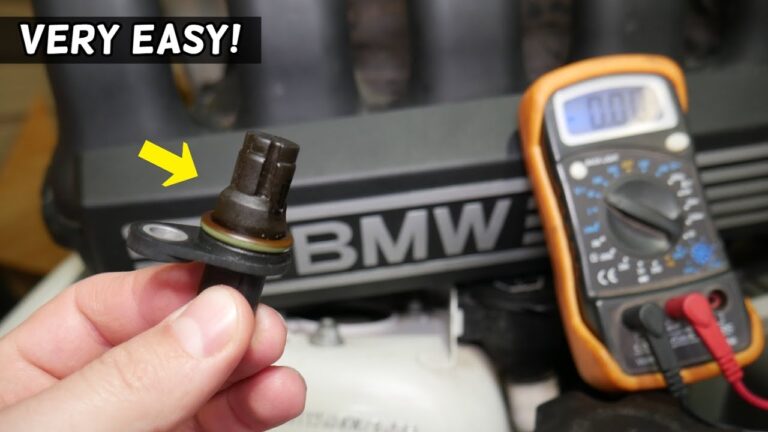
A multimeter can be useful on some crankshaft sensor systems, but the correct test depends on the sensor design. Some inductive sensors can be checked for resistance and generated voltage, while Hall effect sensors require appropriate power, ground, and signal checks.
Do not assume that a resistance reading within a generic range proves the sensor is good. A sensor can have an acceptable static resistance but still produce an incorrect signal under operating conditions. Follow the manufacturer’s test procedure whenever possible.
Identify the sensor type first
Determine whether the vehicle uses an inductive or Hall effect sensor before selecting a test method.
Use vehicle-specific specifications
Test voltages, resistance, wiring, and signal characteristics according to the applicable service information.
Do not rely on one reading
Combine electrical measurements with symptoms, scan data, wiring inspection, and signal analysis.
Bad Crankshaft Sensor vs. Bad Wiring or Trigger Wheel
A major diagnostic mistake is replacing the crankshaft sensor without checking the rest of the signal circuit. The sensor is only one part of the system. The engine control module also depends on its wiring, connector, power or ground where applicable, and the rotating target that the sensor reads.
A damaged trigger wheel can create a missing or incorrect signal even when a new sensor is installed. Likewise, corroded terminals, broken wiring, an incorrect sensor position, or an improper air gap can cause sensor-like symptoms.
If a replacement sensor does not solve the problem, return to the diagnostic process instead of repeatedly replacing parts. Check the signal circuit and the mechanical target before assuming the new sensor is defective.
Source: hitchesguide.com
Sensor problem
The sensor itself may have internal electrical failure, physical damage, contamination, or an incorrect output.
Wiring problem
A broken, shorted, corroded, or poorly connected circuit can prevent a good sensor from communicating with the engine control module.
Connector problem
Loose or corroded terminals can create intermittent or missing signals.
Trigger wheel problem
Damaged, loose, cracked, or incorrectly positioned teeth or reluctor features can produce an abnormal sensor signal.
Installation problem
An incorrect sensor position or sensor-to-target gap can interfere with signal generation or detection.
Why Replacing the Sensor May Not Fix the Car
If the original sensor has been replaced but the same symptoms remain, the next step is not necessarily another sensor. The wiring, connector, target wheel, mounting position, and control-module inputs may need to be checked.
Some vehicles also require a relearn or calibration procedure after certain engine position components are replaced. Whether that procedure is necessary depends on the vehicle and the manufacturer’s service requirements.
Check the complete circuit
Verify that the signal can travel correctly between the sensor and the engine control module.
Check mechanical alignment
Make sure the sensor and its trigger target are positioned according to the manufacturer’s requirements.
Check for required relearn procedures
Use vehicle-specific service information to determine whether a crankshaft position relearn is required after repair.
Can You Drive With a Bad Crankshaft Sensor?
Driving with a suspected crankshaft sensor problem can be risky because the symptoms can include stalling, misfiring, poor acceleration, or an engine that will not restart. A vehicle that loses the crankshaft signal may stop running, leaving the driver unable to continue normally.
If the engine is stalling, losing power, or behaving unpredictably, avoid treating the vehicle as reliable transportation. Pull over safely if a problem develops while driving and arrange appropriate diagnosis or repair.
The level of urgency depends on the symptoms and the vehicle. A stored fault code with no drivability problem is different from an engine that repeatedly stalls in traffic. In either case, the underlying fault should be diagnosed rather than ignored.
Source: mechstudies.com
Repeated stalling
A vehicle that repeatedly stalls should not be treated as dependable for normal driving.
No-start condition
A complete crankshaft sensor failure can prevent the engine from starting.
Misfiring or severe rough running
These symptoms can affect drivability and may indicate a problem requiring prompt diagnosis.
Intermittent symptoms
A vehicle that starts and runs normally sometimes but fails at other times may still have an important intermittent electrical fault.
When Professional Diagnosis Makes Sense
Professional diagnosis is especially useful when the sensor is difficult to access, the engine has an intermittent no-start condition, the wiring is hard to test, or the vehicle requires an oscilloscope or specialized scan procedure.
A qualified technician can compare live data and sensor waveforms with the vehicle’s specifications and inspect related mechanical components. This can reduce the chance of replacing a sensor when the actual problem is elsewhere.
Hard-to-access sensor
Some crankshaft sensors are located near the transmission, flywheel, timing cover, or other components that require additional disassembly.
Intermittent fault
Intermittent problems can require live testing while the fault is occurring.
Complex signal diagnosis
Oscilloscope testing and manufacturer-specific procedures may be needed when basic checks do not identify the cause.
Frequently Asked Questions
Q
What does a bad crankshaft sensor look like?
A bad crankshaft sensor may have a cracked housing, damaged sensing tip, corrosion, contamination, or damaged wiring. However, a failed sensor can also look completely normal because some failures occur inside the electronic component.
Q
Can you tell if a crankshaft sensor is bad by looking at it?
Sometimes a visual inspection reveals obvious physical damage, but appearance alone cannot confirm that a crankshaft sensor works correctly. Electrical testing, scan data, and signal testing provide stronger evidence.
Q
What are the most common symptoms of a bad crankshaft sensor?
Common symptoms include difficult starting, a no-start condition, stalling, misfires, rough running, uneven acceleration, reduced performance, and a check engine light. These symptoms can also come from other engine or electrical faults.
Q
Will a bad crankshaft sensor always cause a check engine light?
No. A crankshaft sensor problem does not always produce a warning light under every operating condition. The presence or absence of a warning light should therefore be considered alongside symptoms, scan data, and physical and electrical testing.
Q
Can a bad crankshaft sensor cause a car not to start?
Yes. If the engine control system cannot obtain the crankshaft position signal it needs, the engine may crank without starting. Other faults can cause the same condition, so diagnosis is still necessary.
Q
Can a dirty crankshaft sensor cause problems?
Contamination on the sensing area can interfere with some crankshaft sensor systems, particularly where the sensor reads a nearby rotating target. Before cleaning or removing a sensor, follow the vehicle manufacturer’s instructions because the appropriate cleaning method and acceptable condition vary.
Q
Can a bad crankshaft sensor cause stalling while driving?
Yes. An intermittent or failing crankshaft sensor can cause the engine to stall if the control system loses a usable crankshaft signal. Stalling can also result from wiring faults, fuel problems, ignition problems, and other engine faults.
Q
Should I replace the crankshaft sensor if I get a related trouble code?
Not automatically. A trouble code can identify a circuit or signal problem without proving that the sensor itself is defective. Check the connector, wiring, sensor installation, trigger wheel, and relevant live data before replacing the part.
✦ Wrapping Up
Conclusion
A bad crankshaft sensor may look cracked, contaminated, corroded, or physically damaged, but there is no single visual appearance that proves failure. Many defective sensors look normal from the outside because their problem is electrical or intermittent.
The most reliable approach is to combine a visual inspection with scan data, wiring checks, and the correct electrical or waveform test for the vehicle. Also inspect the connector and crankshaft trigger target because either can create symptoms that resemble a failed sensor.
If the engine is stalling, repeatedly refusing to start, or losing power, treat the problem as a drivability concern rather than simply replacing parts based on appearance. Vehicle-specific service information or qualified professional diagnosis is the safest way to confirm the cause.
💡 Key Takeaway
Inspect the sensor, connector, wiring, and trigger target first, then confirm the crankshaft signal with vehicle-specific diagnostic testing before replacing the sensor.
Ethan Brooks is an automotive writer at Auto News 7, covering car news, vehicle maintenance, new model updates, recalls, and practical buying guides. He focuses on clear, useful information that helps drivers understand their vehicles and make better ownership decisions.
Learn how to test a camshaft position sensor on Ford vehicles using a multimeter and scan tool. Follow a clear step-by-step process to diagnose sensor faults, wiring issues, and engine performance problems.
Learn how to replace camshaft position sensor connector wiring safely. Follow step-by-step instructions, tools needed, troubleshooting tips, and common mistakes to avoid.
Learn whether there is a fuse for a camshaft position sensor, where to find it, how to diagnose related electrical problems, and what to check before replacing the sensor.