No. In most vehicles, you only need to replace the camshaft sensor that has failed unless testing shows the other sensor is also faulty.
For drivers across the United States, one of the most common questions after a check engine light appears is whether both camshaft position sensors must be replaced at the same time. The answer depends on the vehicle design, diagnostic results, sensor condition, and manufacturer recommendations.
Many modern engines use multiple camshaft position sensors to monitor intake and exhaust camshafts. If one sensor fails, the engine computer can often identify the specific sensor causing the problem. Replacing both sensors is sometimes done as preventive maintenance, but it is not automatically required in every situation.
Source: hitchesguide.com
What Are Camshaft Position Sensors?
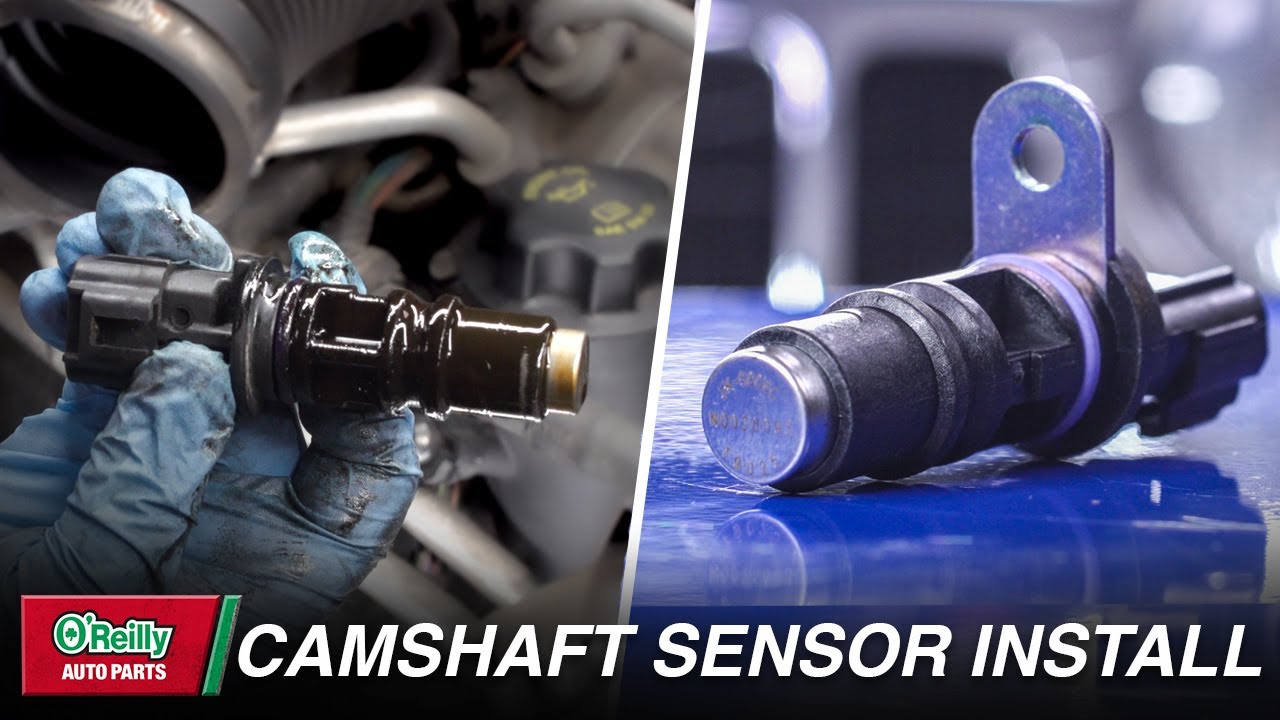
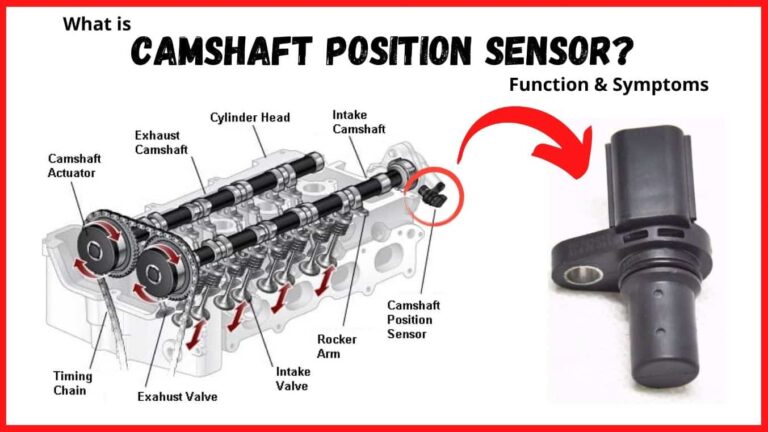
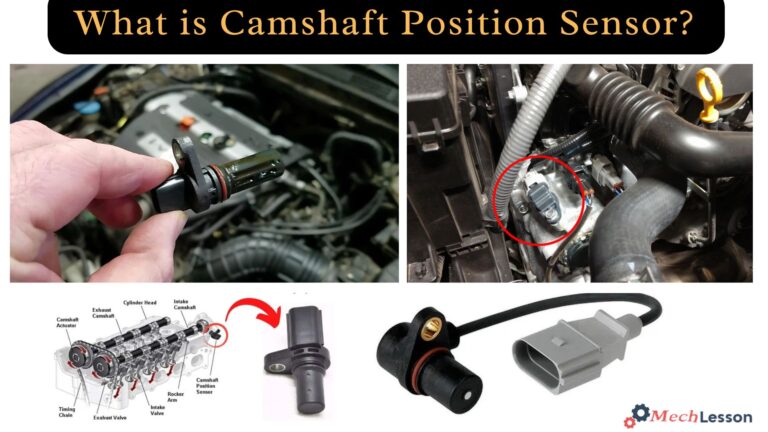
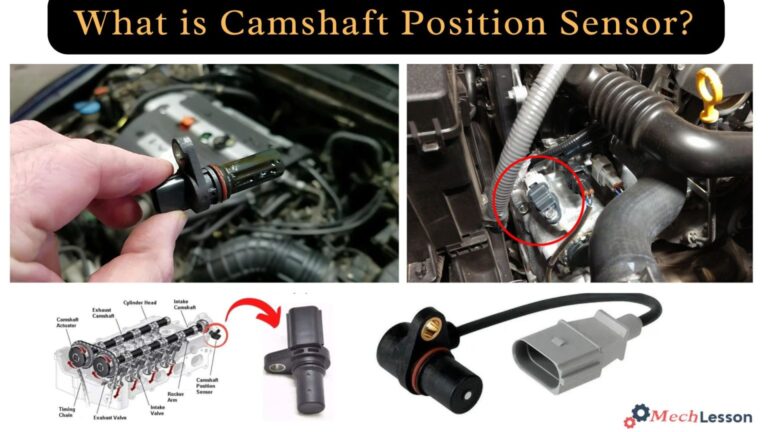
A camshaft position sensor monitors the position and speed of the camshaft. The engine control module uses this information to manage fuel injection timing, ignition timing, variable valve timing systems, and overall engine operation.
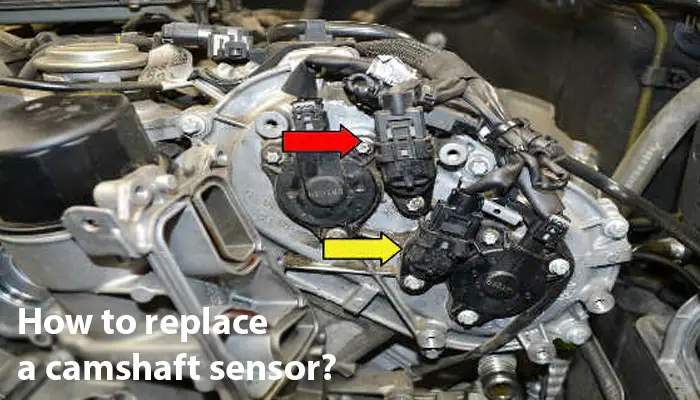
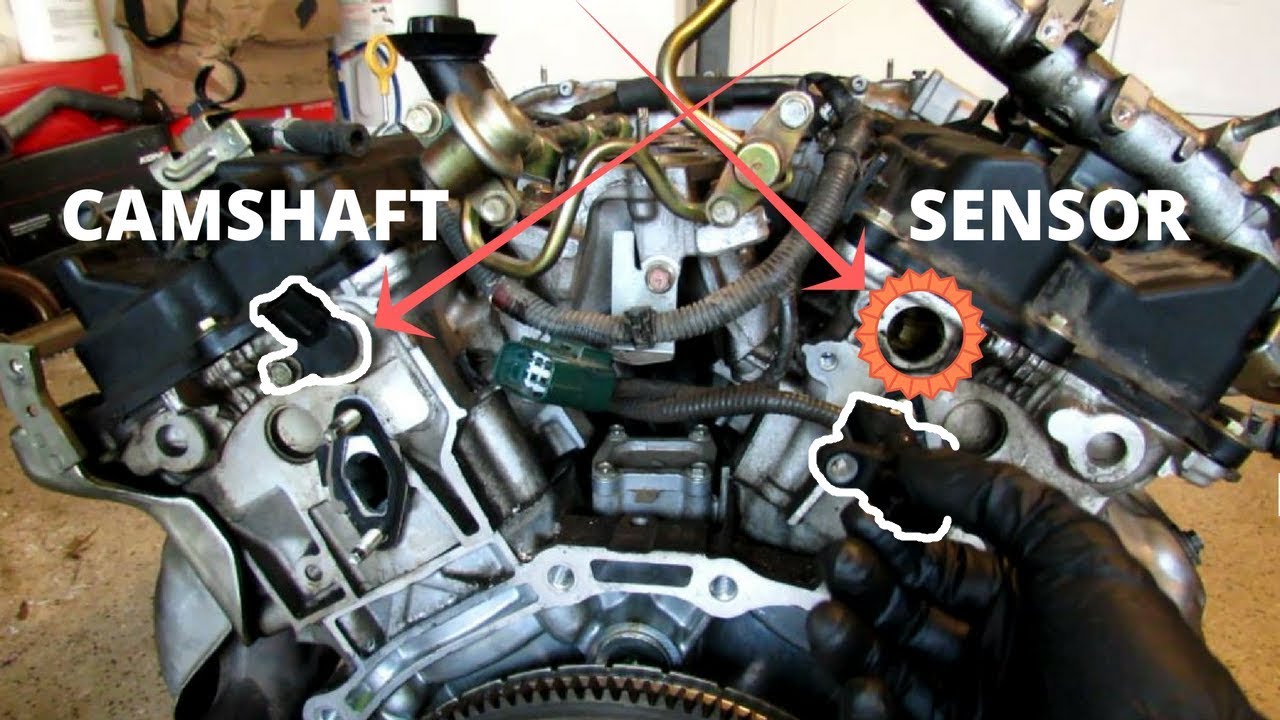
Many modern engines have more than one camshaft position sensor. V-type engines commonly have separate sensors for each cylinder bank, while dual overhead cam engines may use separate intake and exhaust camshaft sensors.
Source: hitchesguide.com
Engine Timing
Provides timing information needed for accurate engine operation.
Fuel Delivery
Helps the computer determine when to inject fuel.
Variable Valve Timing
Supports systems that adjust valve timing for efficiency and power.
Why Some Vehicles Have Multiple Sensors
Manufacturers install multiple sensors to monitor different camshafts independently. This allows more precise engine control and helps the computer identify specific faults when problems occur.
Intake Camshaft Monitoring
Tracks intake valve timing.
Exhaust Camshaft Monitoring
Tracks exhaust valve timing.
Do You Have to Replace Both Camshaft Sensors?
No. If diagnostics confirm that only one camshaft position sensor has failed, replacing that sensor is usually sufficient. Modern diagnostic systems often identify the affected bank, camshaft, or sensor location.
However, some technicians recommend replacing both sensors when they are the same age, have similar mileage, and are located in areas requiring significant labor to access. This can reduce the chance of another repair visit shortly afterward.
Source: cleanestor.com
Replace One Sensor
Appropriate when only one sensor tests bad and the other operates normally.
Replace Both Sensors
May be considered when sensors are equally aged and labor costs are high.
Situations Where Replacing Both May Make Sense
High-mileage vehicles, repeated sensor failures, and engines requiring extensive disassembly may justify replacing both sensors during the same repair.
High Mileage
A second sensor may be nearing the end of its service life.
Symptoms of a Failing Camshaft Sensor
A failing camshaft sensor can create several drivability issues. Symptoms often vary depending on the vehicle and severity of the fault.
Many drivers first notice a check engine light, rough running, hard starting, or reduced engine performance.
Source: autovehicleparts.com
Check Engine Light
One of the most common warning signs.
Hard Starting
The engine may crank longer than normal.
Poor Performance
Acceleration may feel sluggish or inconsistent.
Symptoms That Can Be Caused by Other Problems
Similar symptoms can also result from wiring faults, crankshaft sensor issues, timing chain wear, ignition problems, or fuel system defects. Proper diagnosis is important before replacing parts.
Avoid Guessing
Testing prevents unnecessary parts replacement.
How to Determine Which Sensor Is Bad
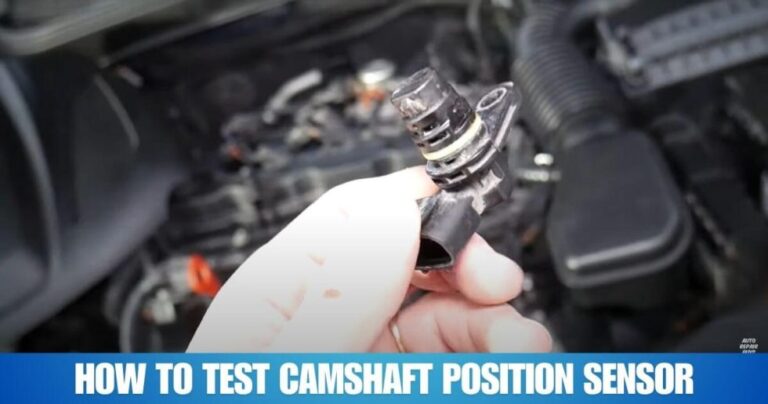
A scan tool is usually the fastest way to identify a potential camshaft sensor issue. Diagnostic trouble codes often point to a specific sensor location.
Technicians may also inspect wiring connectors, measure electrical signals, verify power and ground circuits, and compare sensor readings to manufacturer specifications.
Source: hitchesguide.com
Read Trouble Codes
Identify the affected bank or camshaft when possible.
Inspect Wiring
Look for corrosion, damage, or loose connections.
Test the Circuit
Verify power supply and sensor output.
Common Diagnostic Mistakes
Replacing a sensor without checking wiring or timing-related issues can lead to unnecessary expense and continued engine problems.
Ignoring Wiring
Damaged wiring can trigger the same codes as a failed sensor.
Cost and Replacement Considerations
The cost of replacing a camshaft sensor varies by vehicle, sensor location, labor rates, and whether original equipment or aftermarket parts are used.
If labor access is simple, replacing only the failed sensor is often the most economical choice. If major engine components must be removed, replacing both sensors may save labor costs later.
Source: hitchesguide.com
Low Labor Access
Replacing only the failed sensor is usually practical.
High Labor Access
Replacing both sensors may reduce future repair costs.
When Professional Help Is Recommended
Seek professional diagnosis if multiple engine codes appear, the vehicle stalls unexpectedly, or symptoms continue after sensor replacement.
Persistent Problems
Further testing may be required beyond sensor replacement.
Frequently Asked Questions
Q
Can one bad camshaft sensor affect engine performance?
Yes. A faulty sensor can cause rough idle, hard starting, reduced fuel economy, hesitation, and illumination of the check engine light.
Q
Will a bad camshaft sensor damage the engine?
A failing sensor does not usually cause immediate engine damage, but prolonged operation with incorrect timing information can lead to drivability problems and poor performance.
Q
Can I drive with a bad camshaft sensor?
Some vehicles remain drivable, but performance may suffer. Stalling, hard starting, and unexpected engine behavior can create safety concerns.
Q
Why did the check engine light stay on after replacing the sensor?
The code may need to be cleared, or the original issue may involve wiring, timing components, connectors, or another related sensor.
Q
How long do camshaft position sensors typically last?
There is no universal replacement interval. Many sensors last well over 100,000 miles, but heat, vibration, contamination, and age can shorten lifespan.
✦ Wrapping Up
Conclusion
If you are asking do you have to replace both camshaft sensors, the answer is usually no. Most vehicles only require replacement of the sensor that has failed, provided testing confirms the remaining sensor is functioning correctly.
The best approach is to diagnose the problem accurately, inspect related wiring, and consider vehicle mileage and labor requirements before deciding whether replacing both sensors makes financial sense.
💡 Key Takeaway
Diagnose the exact failed sensor first, then replace only the faulty unit unless mileage, labor costs, or manufacturer guidance justify replacing both.
Ethan Brooks is an automotive writer at Auto News 7, covering car news, vehicle maintenance, new model updates, recalls, and practical buying guides. He focuses on clear, useful information that helps drivers understand their vehicles and make better ownership decisions.
Learn whether a camshaft sensor needs to be programmed after replacement, when relearn procedures are required, common symptoms, troubleshooting steps, and what to expect during installation.
Learn how to test a camshaft position sensor on Ford vehicles using a multimeter and scan tool. Follow a clear step-by-step process to diagnose sensor faults, wiring issues, and engine performance problems.
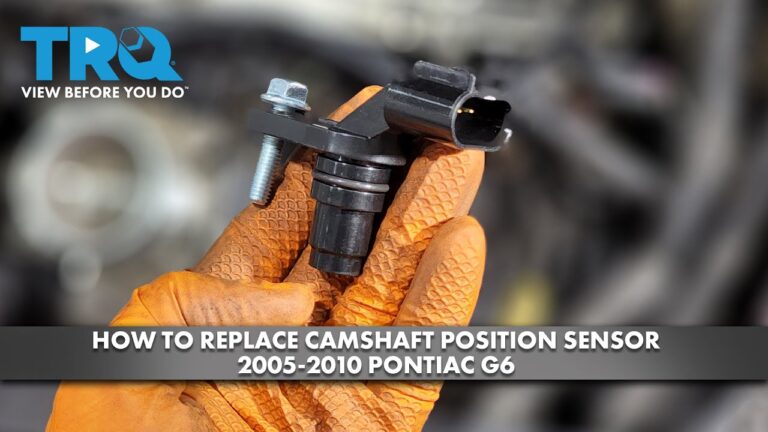
Learn how to replace camshaft position sensor Pontiac G6 models with this detailed step-by-step guide. Discover tools, symptoms, sensor location, installation tips, and troubleshooting advice.
Learn how to replace camshaft position sensor bank 1 with a clear step-by-step process, required tools, troubleshooting tips, and safety advice for DIY vehicle owners in the USA.