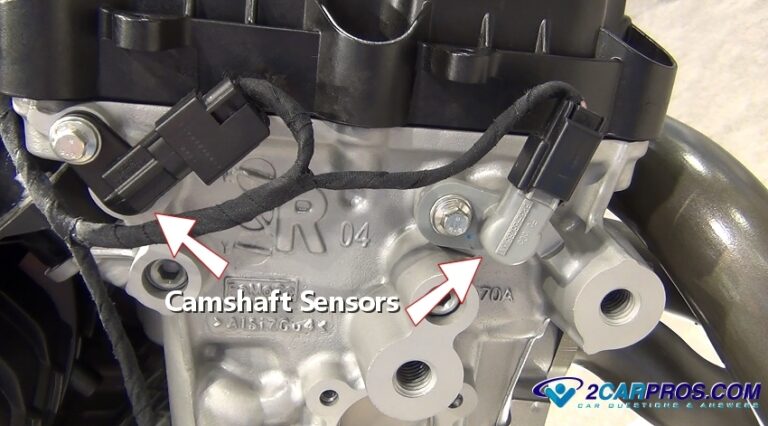
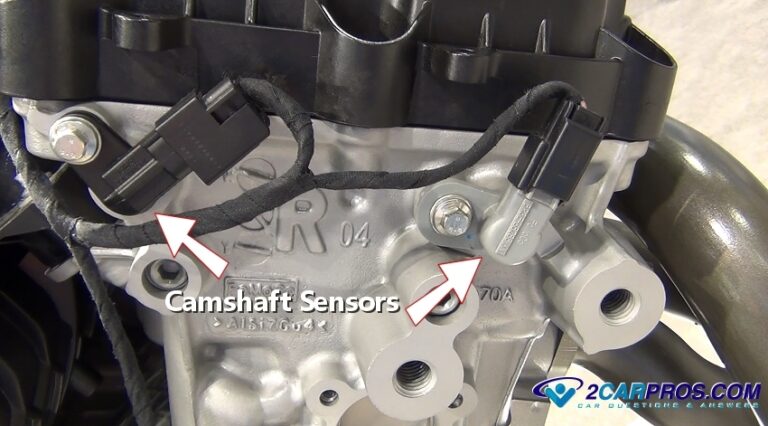
No. Both camshaft position sensors are not always the same, even when they perform similar functions.
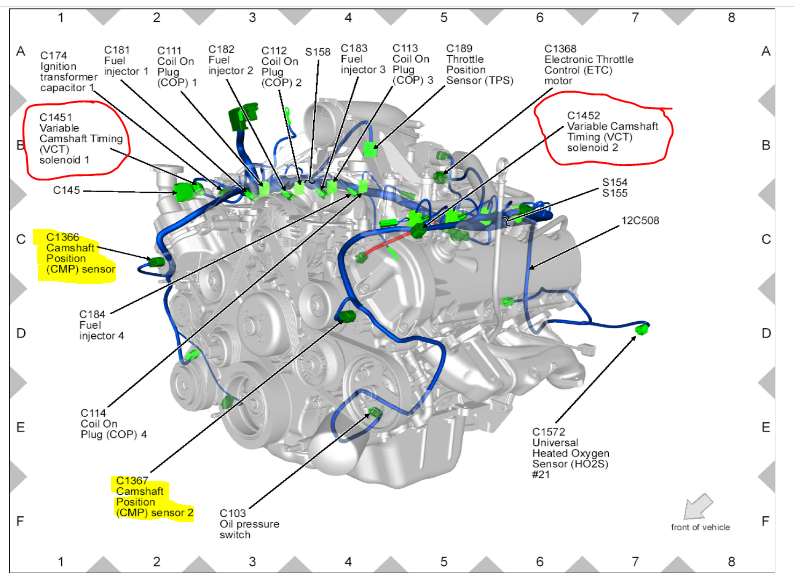
Across the United States, many modern vehicles use two or more camshaft position sensors to monitor different camshafts. Although these sensors often look similar, they may have different part numbers, mounting locations, connector designs, or calibration requirements.
If you are asking whether both camshaft position sensors are the same, the answer depends on the engine design. Some vehicles use interchangeable sensors, while others require a specific sensor for the intake camshaft and another for the exhaust camshaft. Checking the vehicle service information or OEM part number is the safest way to confirm compatibility.
Source: mechlesson.com
What Does a Camshaft Position Sensor Do?
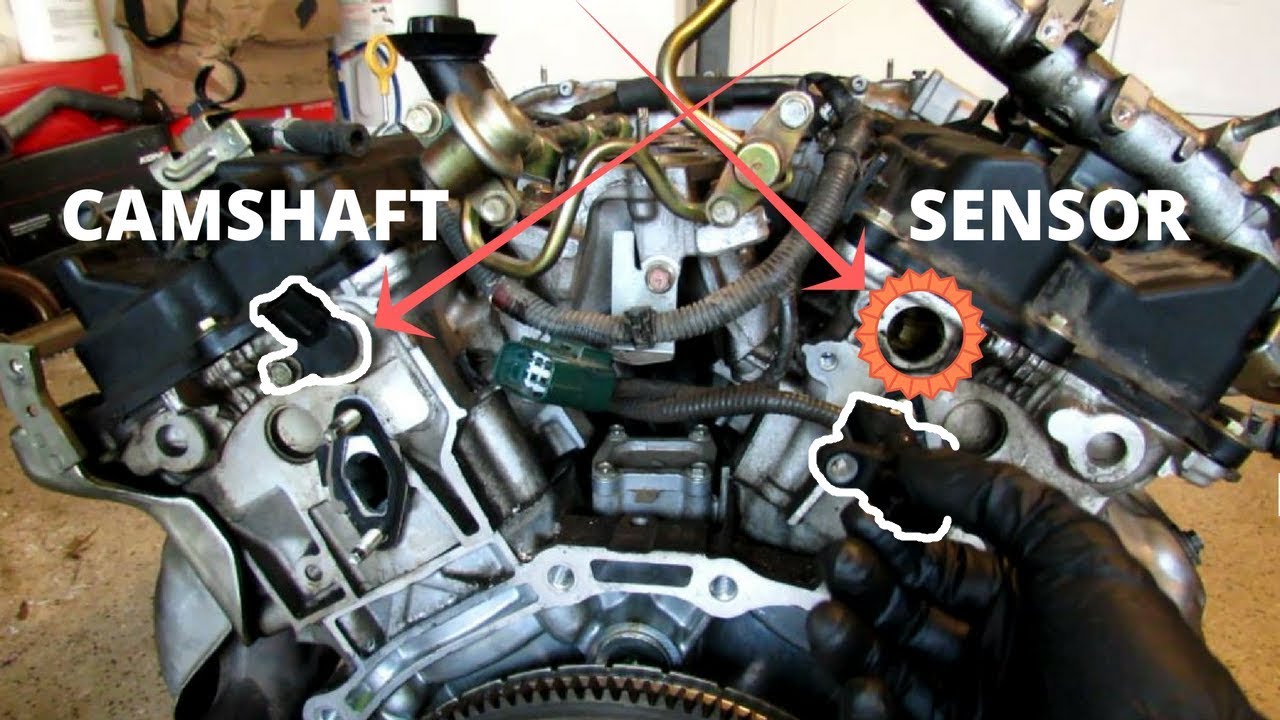
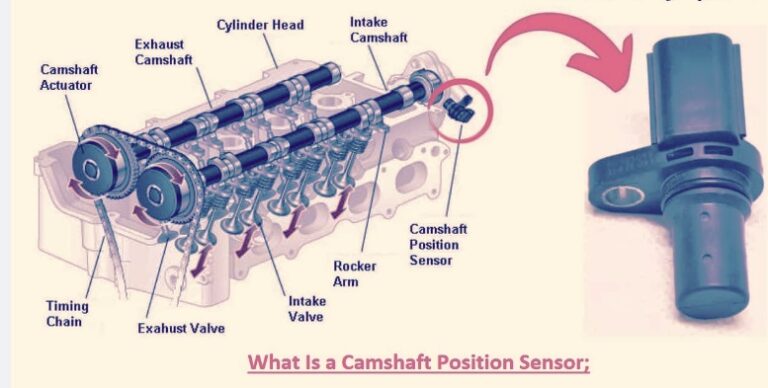
A camshaft position sensor tracks the position and speed of the camshaft. The engine control module uses this information to manage ignition timing, fuel injection, and variable valve timing systems.
Modern engines rely on accurate camshaft data for performance, fuel economy, and emissions control. When a sensor fails, the vehicle may experience hard starting, rough running, or a check engine light.
Source: triscan.dk
Timing Control
Helps the computer determine when valves and ignition events should occur.
Fuel Delivery
Allows precise fuel injection timing.
Why Some Engines Need More Than One Sensor
Dual overhead cam engines often have separate intake and exhaust camshafts. Each camshaft may require its own sensor so the engine computer can monitor them independently.
Multiple Camshafts
More camshafts often mean more sensors are required.
Are Both Camshaft Position Sensors the Same on Every Vehicle?
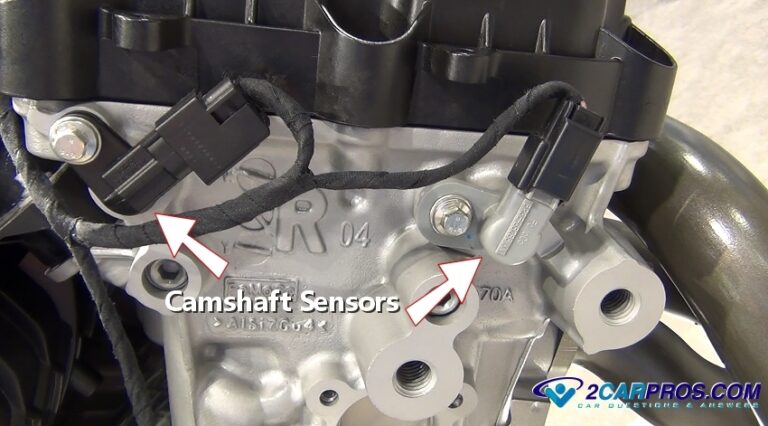
No. The answer to are both camshaft position sensors the same varies by manufacturer and engine family. Some engines use identical sensors in multiple locations, while others use unique sensors for each position.
Even when two sensors appear identical, internal electronics, signal patterns, or connector pin assignments may differ. Installing the wrong sensor can trigger diagnostic trouble codes or cause drivability problems.
Source: 2carpros.com
Same Part Number
Usually indicates the sensors are interchangeable.
Different Part Numbers
Usually means each location requires a specific sensor.
Intake vs Exhaust Camshaft Sensors
Many vehicles label sensors according to intake and exhaust camshafts. These sensors may perform similar jobs but are not automatically interchangeable.
Check Service Data
Always verify the exact replacement specification.
How to Tell If Your Sensors Are Interchangeable
The most reliable method is comparing OEM part numbers. If both locations use the same manufacturer part number, the sensors are typically interchangeable.
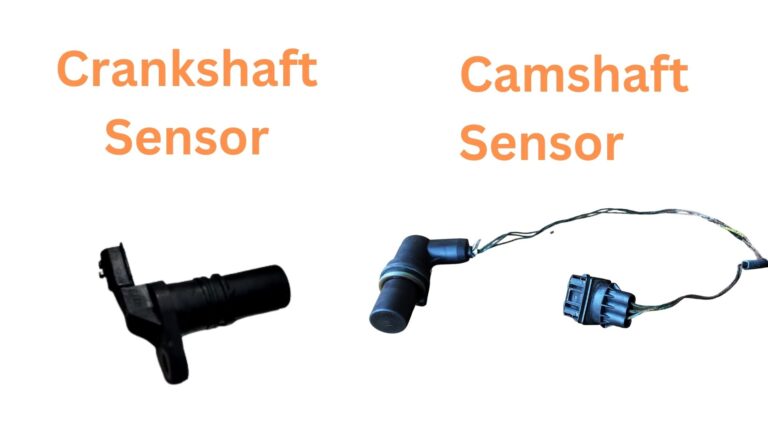
Physical appearance alone is not enough. Some sensors share the same shape but use different signal characteristics or internal components.
Source: manyautos.weebly.com
Compare Part Numbers
Use the manufacturer’s official catalog.
Check Connector Design
Matching connectors do not guarantee compatibility.
Signs the Wrong Sensor Was Installed
Persistent fault codes, rough idle, reduced power, and starting issues may indicate an incorrect replacement sensor.
Diagnostic Codes
New fault codes may appear after installation.
Common Symptoms of a Faulty Camshaft Position Sensor
A failing sensor can affect engine timing calculations and create noticeable performance issues. Symptoms often develop gradually but can sometimes appear suddenly.
The severity depends on the vehicle and whether the engine computer can rely on backup data from other sensors.
Source: carxplorer.com
Check Engine Light
One of the most common warning signs.
Hard Starting
The engine may crank longer than normal.
Poor Performance
Acceleration and fuel economy may decrease.
When Professional Diagnosis Helps
If multiple sensor-related codes appear, professional testing can identify wiring faults, timing issues, or sensor failures.
Advanced Testing
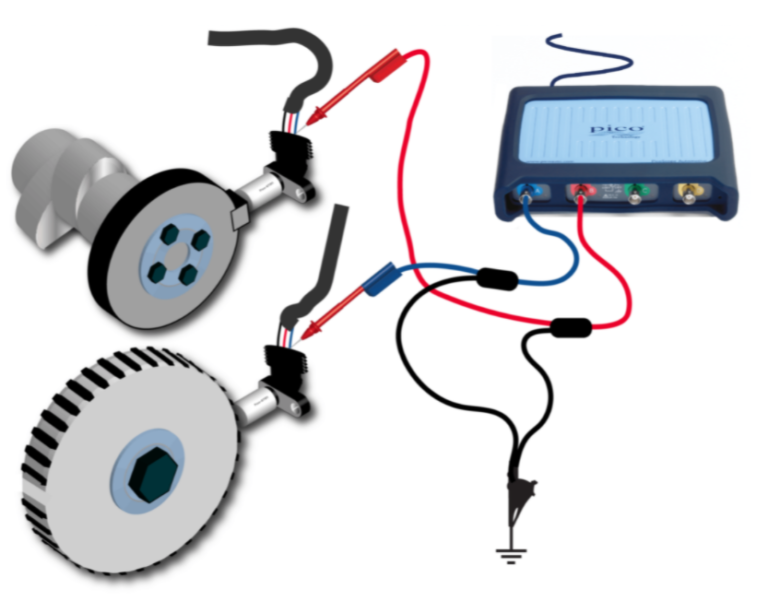
Oscilloscope testing can verify signal quality.
Best Practices Before Replacing a Camshaft Position Sensor
Before purchasing a replacement, confirm the engine code, vehicle year, and sensor location. Intake and exhaust positions may require different parts.
Using the correct sensor reduces the chance of repeat repairs and helps ensure proper engine operation after installation.
Source: blogmedia.testbook.com
Verify Vehicle Information
Use VIN-based parts lookup whenever possible.
Inspect Wiring
Damaged wiring can mimic sensor failure.
Can You Swap Sensors for Testing?
Only swap sensors if service information confirms they are identical. Swapping incompatible sensors can create misleading diagnostic results.
This quick comparison can help determine whether two camshaft position sensors are likely to be the same.
Source: theengineeringtools.com
Matching OEM Numbers
High likelihood of interchangeability.
Different OEM Numbers
Use the specified sensor for each location.
Different Connectors
Not interchangeable.
Key Rule
Always trust verified parts data over visual similarity.
Final Check
Confirm compatibility before installation.
Frequently Asked Questions
Q
Can I swap intake and exhaust camshaft position sensors?
Only if the manufacturer specifies that both positions use the same part number. Many vehicles require separate sensors.
Q
How many camshaft position sensors does a car have?
The number varies by engine design. Some engines have one sensor, while others have two, three, or more.
Q
Will a bad camshaft position sensor cause a check engine light?
Yes. A faulty sensor commonly triggers diagnostic trouble codes and illuminates the check engine light.
Q
Can a car run with a bad camshaft position sensor?
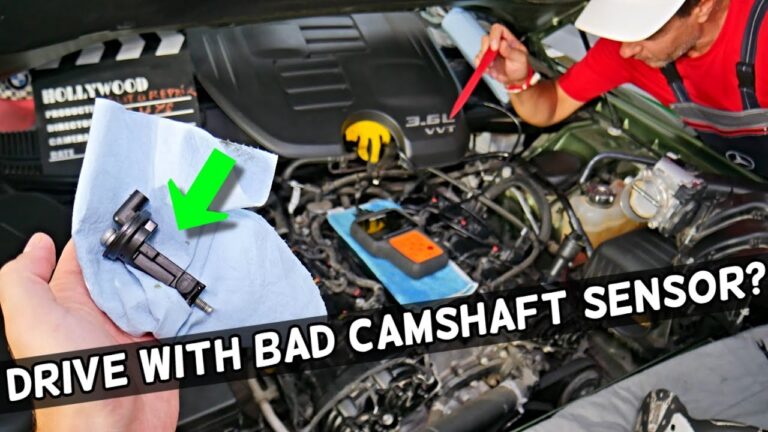
Some vehicles may continue running, but performance, fuel economy, and starting reliability can suffer.
Q
How do I know which camshaft position sensor to replace?
Use diagnostic trouble codes, service information, and part catalogs to identify the correct sensor location and replacement part.
✦ Wrapping Up
Conclusion
The answer to are both camshaft position sensors the same is usually no, although some vehicles do use identical sensors in multiple positions. The only reliable way to confirm interchangeability is by checking the OEM part number and vehicle service information.
Before replacing a sensor, verify the exact engine configuration, sensor location, and connector design. Doing so can prevent unnecessary repairs and diagnostic headaches.
💡 Key Takeaway
Check the manufacturer part number for each sensor location before purchasing or swapping a camshaft position sensor.
Ethan Brooks is an automotive writer at Auto News 7, covering car news, vehicle maintenance, new model updates, recalls, and practical buying guides. He focuses on clear, useful information that helps drivers understand their vehicles and make better ownership decisions.
Learn when to replace a camshaft position sensor, the warning signs of failure, diagnostic tips, replacement timing, costs, and whether it is safe to keep driving.
Learn how to sync camshaft and crankshaft sensors, diagnose timing correlation issues, perform relearn procedures, and troubleshoot common engine synchronization problems.
Learn whether camshaft and crankshaft sensors are the same, how they work, their differences, symptoms of failure, and when each sensor needs replacement.
Learn how to fix a camshaft position sensor with step-by-step troubleshooting, testing, replacement instructions, common symptoms, costs, and repair tips.
Learn how to replace camshaft position sensor connector wiring safely. Follow step-by-step instructions, tools needed, troubleshooting tips, and common mistakes to avoid.