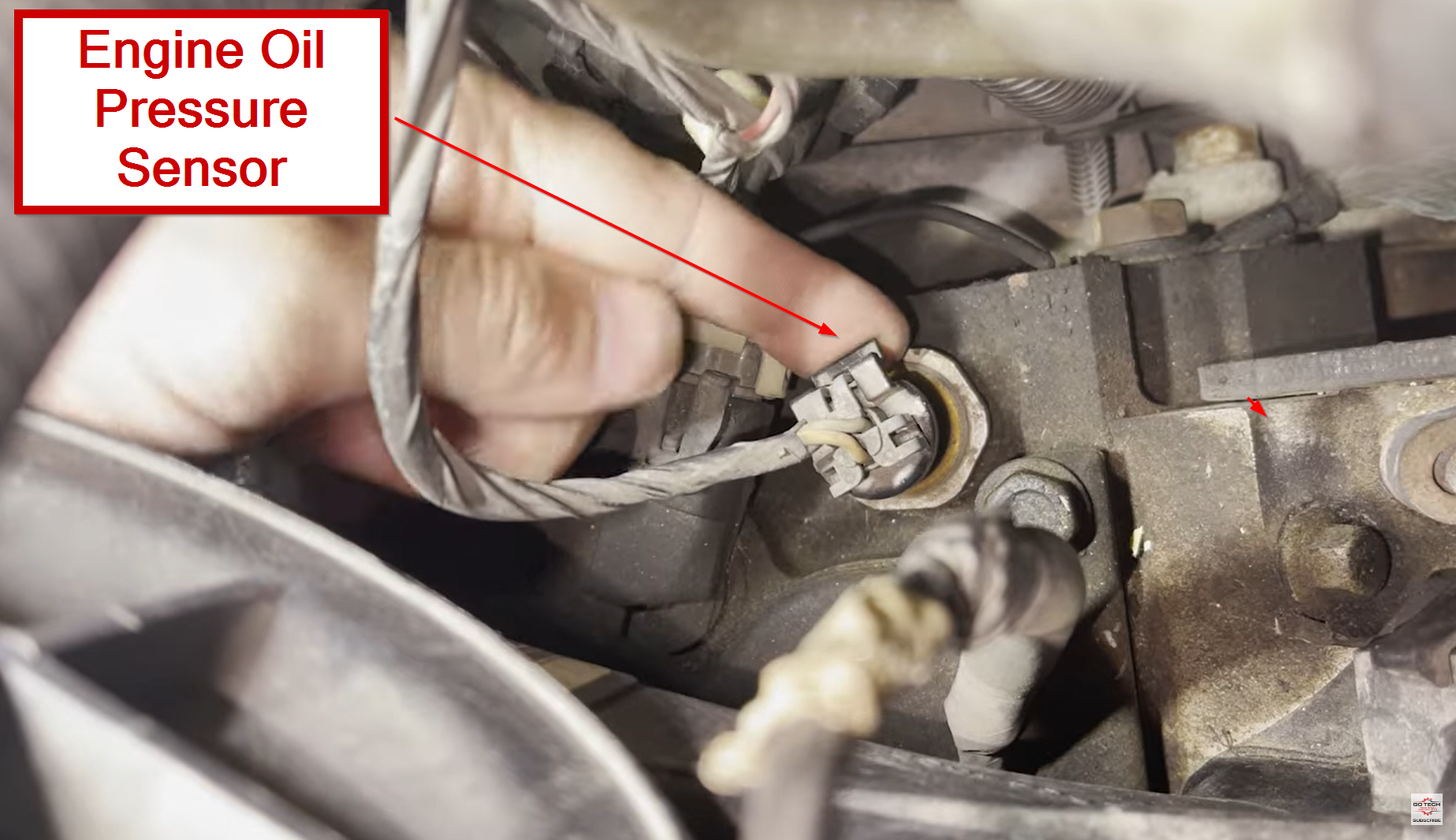
On most 2008 GMC Yukon V8 models, the oil pressure sensor is mounted at the rear of the engine block, near the firewall and behind the intake manifold. Its position can make it difficult to see or reach from above the engine.
If you are diagnosing an oil pressure warning or a gauge that suddenly reads incorrectly on your 2008 GMC Yukon, locating the oil pressure sensor is a useful first step. This full-size SUV was sold in the United States with several engine configurations, so confirm your engine size before ordering parts or following a replacement procedure. On common V8 engines, the sensor sits high at the back of the engine, close to the centerline and beneath or behind the intake manifold area.
The sensor monitors engine oil pressure and sends an electrical signal to the vehicle’s control system and instrument display, depending on the engine and system configuration. A faulty sensor, damaged connector, wiring problem, or restricted sensor passage can cause misleading readings. However, a low-pressure warning can also indicate a genuine lubrication problem, so verify actual oil pressure before assuming the sensor is defective.
Source: gotech.com
Exact Oil Pressure Sensor Location on a 2008 GMC Yukon
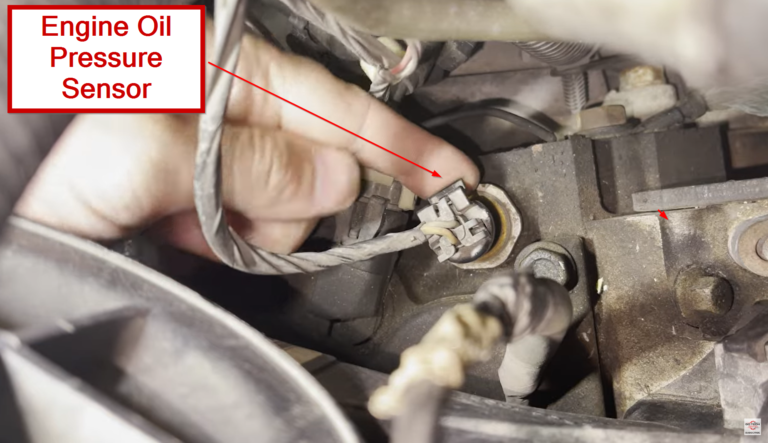
On the common V8 configurations of the 2008 GMC Yukon, look toward the rear of the engine, close to the firewall that separates the engine compartment from the passenger cabin. The sensor is generally installed high on the engine block behind the intake manifold. From the front of the vehicle, it may be hidden by the intake assembly and nearby components.
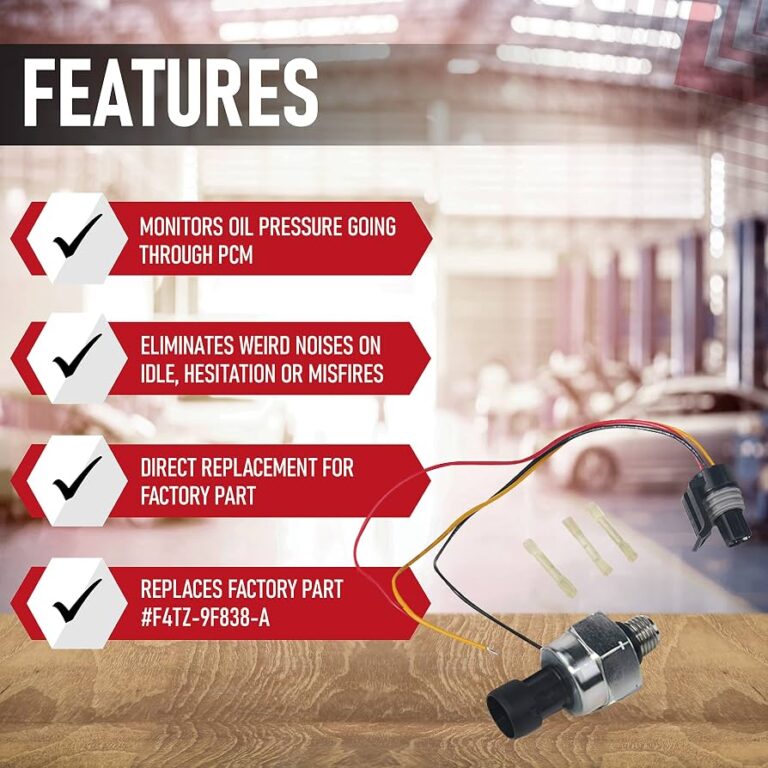
The sensor is a small electrical component with a threaded base and an electrical connector. Do not confuse it with ignition coils, fuel-system components, or other electrical fittings around the intake manifold. Follow the wiring connector to identify the correct component, and confirm its position against service information for your specific engine.
The exact access route depends on the engine installed in your Yukon. Some repairs may be possible using an appropriate sensor socket and extensions, while others may require moving or removing components. Check the vehicle-specific service procedure before disassembling the intake manifold or nearby equipment.
Front of the engine
The sensor is generally not positioned at the front beside the accessory belt and pulleys.
Rear of the engine
Inspect the upper rear area of the engine block near the firewall.
Behind the intake manifold
The intake assembly can obstruct the view and limit access to the sensor.
Does the 5.3L Yukon Have the Same Sensor Location?
The 5.3L V8 found in many 2008 GMC Yukon models typically has its oil pressure sensor at the rear of the engine, near the firewall and behind the intake manifold area. This is the location most owners are looking for when diagnosing an oil pressure gauge problem on a standard Yukon.
Do not assume that every Yukon has identical parts or access requirements. The Yukon Denali and Yukon Hybrid have different powertrain configurations from the standard gasoline V8 models. Confirm the engine code or displacement using the vehicle identification number and the appropriate service information before purchasing a sensor.
Verify engine size
Check the engine specification and confirm the correct replacement part for your vehicle.
Check the connector
Compare the electrical connector and threaded fitting with the existing component before installation.
How to Identify the Sensor Visually
With the engine switched off and completely cool, inspect the rear portion of the engine from above using a flashlight. Look for a threaded sensor with an electrical connector attached. A mirror or inspection camera can help you see the component without immediately removing other parts.
Avoid pulling on nearby wiring or using a metal tool to probe electrical terminals. If the sensor cannot be positively identified, consult the engine-specific service diagram instead of removing a similar-looking component.
Look for an electrical connector
The pressure sensor has a wiring connection that distinguishes it from many nearby mechanical fittings.
Use a clear view
A flashlight, mirror, or inspection camera can help confirm the location before work begins.
How to Access the Oil Pressure Sensor
Access the sensor from the engine compartment only after the vehicle is parked securely, the ignition is off, and the engine has cooled. The sensor’s rearward position means you may need an extension and a suitable oil pressure sensor socket. The correct tool depends on the sensor design and available clearance.
Before removing anything, review the service procedure for your exact engine. Removing the intake manifold without the correct procedure can introduce debris into the engine, damage connectors or seals, and create additional repair work. Do not force a socket or extension into a restricted space where it could damage the sensor or surrounding components.
If access requires substantial intake-system disassembly or you cannot clearly see the fitting, a qualified technician can confirm the location and remove the sensor using the appropriate procedure.
Prepare the vehicle
Park on a level surface, switch off the ignition, allow the engine to cool, and keep the key away from the ignition.
Confirm the repair procedure
Use service information for the exact engine and determine whether additional components must be removed.
Choose the correct tool
Use a suitable sensor socket and extension rather than gripping the sensor body with pliers.
Keep the area clean
Prevent dirt and loose material from entering the sensor opening when the component is removed.
Should You Remove the Intake Manifold?
Not automatically. The intake manifold can obstruct access, but the amount of disassembly required depends on the engine and available clearance. Some technicians may use a suitable extension to reach the sensor; other situations call for additional component removal.
Do not remove the manifold based only on a generic online diagram. Confirm the procedure, required replacement seals, electrical disconnections, and tightening specifications for the particular Yukon engine.
Check access first
Determine whether the sensor can be reached safely without removing the intake assembly.
Follow the service sequence
If removal is required, follow the correct disconnection, sealing, and reassembly instructions.
Symptoms of a Bad Oil Pressure Sensor on a 2008 Yukon
A failing oil pressure sensor may cause the oil pressure gauge to behave erratically, display a reading that does not match engine conditions, or trigger an oil pressure warning. An electrical fault can also set a diagnostic trouble code related to the oil pressure signal.
These symptoms do not prove that the sensor is defective. Low engine oil, a leak, a restricted oil passage, a wiring fault, or a mechanical lubrication problem can produce similar warnings. On some GM engines, a small screen beneath the sensor can also become restricted, depending on the specific engine configuration.
Unstable gauge reading
The displayed pressure may jump, drop unexpectedly, or behave inconsistently.
Oil pressure warning
A warning may indicate an electrical problem or genuinely low oil pressure that requires immediate attention.
Diagnostic trouble code
A scan tool may reveal a pressure-sensor circuit or signal fault, but the code must be interpreted with other test results.
Oil near the sensor
A leak around the sensor or its fitting may require inspection of the component and sealing surface.
How to Tell a Bad Sensor from Real Low Oil Pressure
First, park safely and check the engine oil level according to the owner’s manual. If the level is low, identify and correct the cause rather than simply adding oil and ignoring the warning. If the gauge shows dangerously low pressure, the engine makes unusual knocking noises, or the warning remains on, switch off the engine and arrange a safe inspection.
A mechanic can measure actual oil pressure with a suitable mechanical gauge and compare the result with the specification for the exact engine and operating conditions. If measured pressure is normal but the dashboard reading is incorrect, the sensor, connector, wiring, or related circuitry becomes a more likely source of the problem. If measured pressure is genuinely low, investigate the lubrication system before replacing the sensor.
Check the oil level
Use the dipstick and the procedure specified in the owner’s manual.
Inspect the electrical circuit
Look for damaged wiring, loose connections, corrosion, or oil contamination at the connector.
Verify actual pressure
Use a mechanical pressure test when a genuine low-pressure condition has not been ruled out.
Can You Replace the Oil Pressure Sensor Yourself?
A mechanically experienced owner may be able to replace the oil pressure sensor with the right tools and service information. The main challenge on a 2008 Yukon is often access, not the basic function of the component. Limited working room behind the intake manifold can make identification and removal difficult.
Before buying a replacement, verify the engine and part compatibility. Disconnect electrical connections only as directed by the service procedure, protect the sensor opening from debris, and follow the specified installation torque and sealing requirements. Do not guess at the torque value or apply thread sealant unless the service information calls for it, because an incorrect sealant or installation method can interfere with the fitting or electrical operation.
After installation, reconnect all components correctly and start the engine only when the work area is clear and the repair procedure allows it. Check for oil leaks and confirm that the gauge or warning system behaves normally. If the warning remains or actual pressure is uncertain, shut the engine off and arrange further testing.
Before replacement
Confirm the diagnosis, replacement part, socket size, and engine-specific procedure.
During replacement
Keep dirt out of the opening and avoid damaging the threads, connector, or nearby wiring.
After replacement
Check for leaks and verify the pressure reading; do not assume that a new sensor fixes a mechanical pressure problem.
What About the Small Screen Under the Sensor?
Some GM V8 applications use a small filter screen beneath the oil pressure sensor. Depending on the engine, debris or deposits in this screen may affect the pressure signal. Its presence, location, and service procedure should be confirmed using the correct engine-specific documentation.
Do not assume the screen is the cause of a warning or attempt to remove it blindly. If the sensor has already been removed, inspect the opening only as directed by the service procedure and use suitable tools to avoid pushing debris into the engine.
Confirm application
Verify whether the particular engine uses a screen beneath the sensor.
Avoid improvised removal
Use the specified method to prevent damage to the screen, passage, or surrounding components.
Common Mistakes When Locating the Sensor
The most common mistake is searching only around the front of the engine. On common V8 Yukon configurations, the sensor is farther back, near the firewall, and can be obscured by the intake manifold. Looking in the wrong area can waste time and lead to unnecessary disassembly.
Another mistake is replacing the sensor based solely on a dashboard warning. A sensor fault is only one possible explanation, and a genuine oil pressure problem can cause severe engine damage if ignored. Diagnosis should distinguish an inaccurate electrical signal from insufficient lubrication.
Assuming all Yukons are identical
Confirm the engine configuration because parts and access procedures may differ among standard, Denali, and Hybrid models.
Removing parts without a diagram
Identify the sensor using the correct engine-specific service information before taking apart the intake system.
Ignoring a low-pressure warning
Shut off the engine if pressure appears dangerously low or abnormal mechanical noises occur.
Guessing installation specifications
Use the specified part, sealing method, and tightening torque for the exact engine.
Where to Get the Correct Location Diagram
Use a factory service manual or a reliable vehicle-specific repair database that identifies the engine installed in your 2008 GMC Yukon. The diagram should show the sensor’s mounting point, connector, and any components that must be removed for access.
A general GM V8 diagram can help you understand the approximate location, but it may not establish the exact procedure for every Yukon powertrain. Verify the engine code, connector design, part number, and installation instructions before starting the repair.
Owner’s manual
Use it for oil-level checking and the correct response to warning lights.
Vehicle-specific service manual
Use it for exact sensor location, removal steps, torque specifications, and diagnostic tests.
Professional diagnosis
Choose a qualified repair shop if access is restricted or actual oil pressure needs to be measured.
Frequently Asked Questions
Q
Where exactly is the oil pressure sensor on a 2008 GMC Yukon 5.3L?
On the common 5.3L V8 configuration, the oil pressure sensor is mounted high at the rear of the engine block, near the firewall and behind the intake manifold area. Confirm the exact position using service information for your engine.
Q
Can I see the oil pressure sensor from the top of the engine?
The sensor may be difficult to see because the intake manifold and nearby components obstruct the view. A flashlight, mirror, or inspection camera can help. Whether additional components must be removed depends on the engine and available clearance.
Q
Does a bad oil pressure sensor mean the engine has low oil pressure?
No. A faulty sensor or electrical connection can produce an inaccurate reading, but a warning can also indicate genuinely low oil pressure. Check the oil level and have actual pressure measured if the cause is uncertain. Stop the engine if a low-pressure warning persists or abnormal knocking occurs.
Q
Is the oil pressure sensor the same as the oil pressure switch?
The terms are sometimes used interchangeably in repair discussions, but the exact component and its electrical function depend on the engine and system design. Use the correct part description and service diagram for your 2008 Yukon rather than relying on the name alone.
Q
Does the 2008 Yukon have a screen under the oil pressure sensor?
Some GM V8 applications use a small screen beneath the sensor, but you should confirm whether it applies to your specific engine. Follow the correct service procedure before attempting to inspect or remove the screen.
Q
Can I drive my Yukon with a faulty oil pressure sensor?
Do not assume it is safe to drive until actual oil pressure has been verified. If the warning indicates low pressure, the gauge drops unusually low, or the engine makes knocking noises, switch off the engine and arrange professional inspection or towing. Driving with genuinely low oil pressure can cause major engine damage.
Q
Do I need to remove the intake manifold to replace the sensor?
Not in every case. Access depends on the engine configuration, available clearance, and tools. Check the vehicle-specific procedure before removing the intake manifold, since disassembly may require additional steps and replacement seals.
✦ Wrapping Up
Conclusion
On most 2008 GMC Yukon V8 models, the oil pressure sensor is located at the rear of the engine block near the firewall, behind the intake manifold area. Its position can make it difficult to inspect, so use a flashlight or inspection camera and verify the location with an engine-specific service diagram before removing parts.
A warning light or inaccurate oil pressure gauge can result from a failed sensor, a wiring issue, a restricted passage, or a real lubrication problem. Confirm the oil level and diagnose actual pressure when necessary rather than replacing the sensor based on symptoms alone.
💡 Key Takeaway
Identify your Yukon’s exact engine, locate the sensor at the rear of the engine near the firewall, and confirm the diagnosis before replacing it. If the oil pressure warning persists or the engine makes abnormal noises, shut the engine off and have the actual oil pressure checked.
Ethan Brooks is an automotive writer at Auto News 7, covering car news, vehicle maintenance, new model updates, recalls, and practical buying guides. He focuses on clear, useful information that helps drivers understand their vehicles and make better ownership decisions.
Learn what are symptoms of a bad crankshaft position sensor, including hard starting, stalling, misfires, poor acceleration, and check engine light warnings.
Learn whether a knock sensor code is serious, what causes it, the risks of ignoring it, common symptoms, repair costs, and when immediate diagnosis is necessary.
Can a bad oil pressure sensor cause a misfire? Learn how oil pressure sensors affect engine performance, which symptoms matter, and how to diagnose the real cause.
Learn how to test a BMW camshaft position sensor using a scan tool, multimeter, and practical troubleshooting steps. Diagnose faults, symptoms, and sensor failures accurately.