The screen under an oil pressure sensor is a small mesh filter, sometimes called an oil pressure sensor screen or filter, that helps keep debris out of the sensor’s oil passage. Certain engines use this screen, while others do not. Its design and service requirements depend on the vehicle and engine.
In the United States, drivers may encounter an oil pressure warning light or an inaccurate oil pressure gauge and discover that the problem involves the sensor, its wiring, or a small filter beneath it. On some General Motors vehicles, particularly certain V8 engines, a small screen sits below the oil pressure sensor and can become restricted by contaminants. However, not every vehicle has this component, and its presence should be confirmed using the correct service information.
The screen helps prevent particles from entering the sensor’s oil passage, but it does not replace the engine’s oil filter or correct a genuine low-oil-pressure problem. Before removing the sensor, identify the engine, check the manufacturer’s repair procedure, and determine whether the oil pressure reading reflects a faulty sensor or an actual lubrication problem. This distinction matters because driving with insufficient oil pressure can cause serious engine damage.
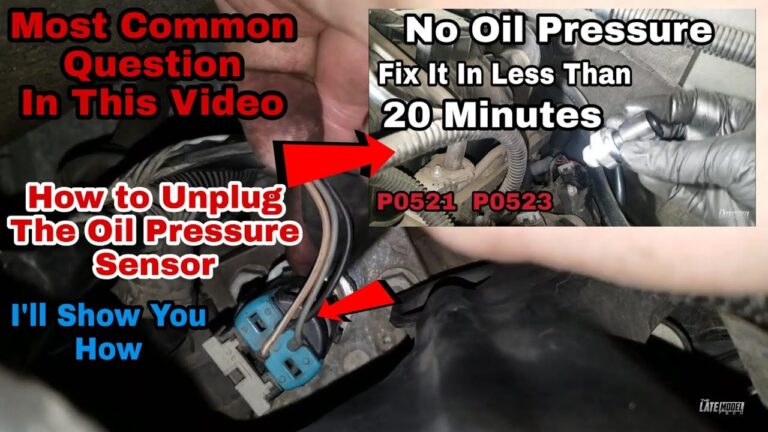
Source: carsensorhub.com
What Is the Screen Under an Oil Pressure Sensor?
The screen under an oil pressure sensor is a small mesh filter installed in the oil passage beneath the sensor on certain engines. It acts as a protective barrier that catches some particles before they reach the sensor’s internal passage. Mechanics may refer to it as an oil pressure sensor filter, sensor screen, or oil pressure sender screen.
The screen is generally a small metal or mesh component rather than a separate electronic sensor. Depending on the engine, it may sit in a recessed opening below the sensor, between the sensor and an oil gallery, or in another position specified by the manufacturer. Its exact construction varies, so a universal replacement procedure does not apply.
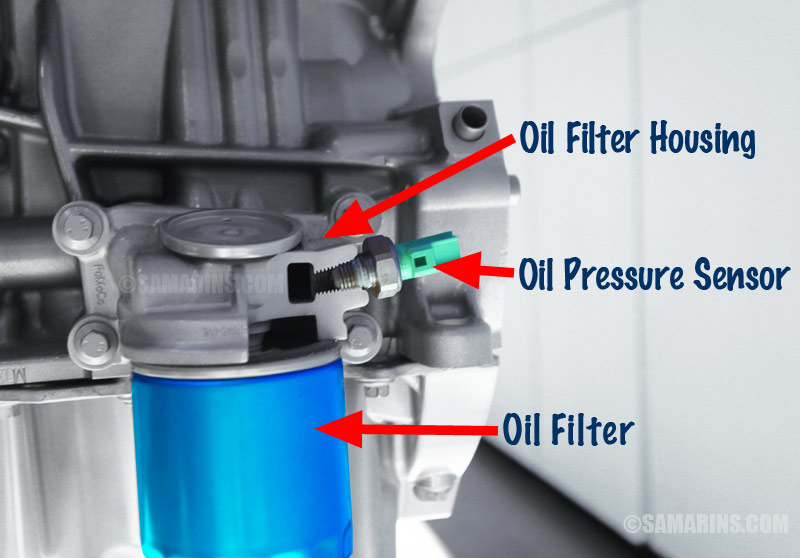
This screen is different from the engine oil filter. The main oil filter cleans the circulating engine oil, while the small screen protects a particular passage or component. The screen is not designed to clean all the oil in the engine or compensate for poor maintenance.
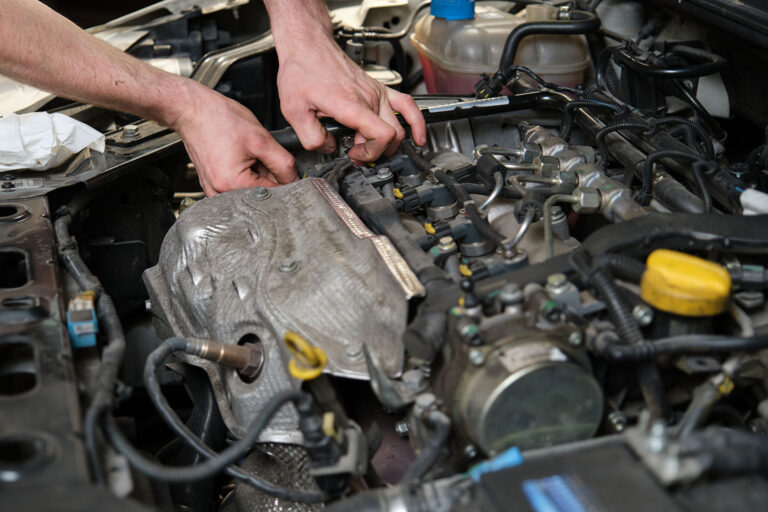
Source: samarins.com
Primary purpose
Catch certain particles before they enter the oil pressure sensor passage.
Typical location
Beneath or within the oil passage associated with the pressure sensor, depending on the engine design.
Main limitation
It cannot guarantee that all contaminants are removed or that the engine’s lubrication system is operating correctly.
Is the Screen the Same as the Oil Pressure Sensor?
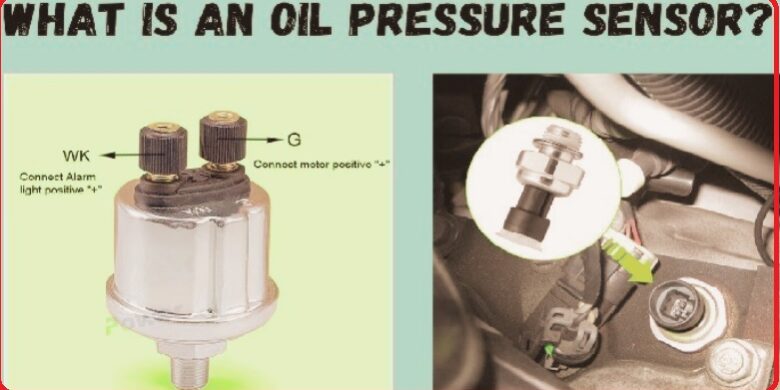
No. The oil pressure sensor is the electrical component that detects oil pressure and sends a signal to the vehicle’s gauge, warning system, or engine control module. The screen is a separate filtering component used in some designs.
A faulty sensor may produce an incorrect reading even when the screen is clean. Likewise, a restricted screen can interfere with the pressure reaching a sensor without the sensor itself necessarily being defective. Diagnosis should consider both components and actual engine oil pressure.
Sensor
Measures or detects oil pressure and provides an electrical signal.
Screen
Restricts debris from entering the associated oil passage.
Which Vehicles Have an Oil Pressure Sensor Screen?
Some engines use a separate screen beneath the oil pressure sensor, while others use a different passage design or have no separately serviceable screen. The presence of this component cannot be determined reliably from the vehicle’s make alone.
Certain GM V8 engines are known for using a small screen beneath the oil pressure sensor. However, the exact engine family, model year, and configuration matter. A procedure that applies to one Chevrolet, GMC, or Cadillac engine may not apply to another vehicle from the same manufacturer.
Before ordering a screen or removing a sensor, check the owner’s information, manufacturer service documentation, or a parts diagram for the exact vehicle identification number and engine. Confirm whether the screen is present, whether it is replaceable separately, and whether the manufacturer specifies a particular removal tool.
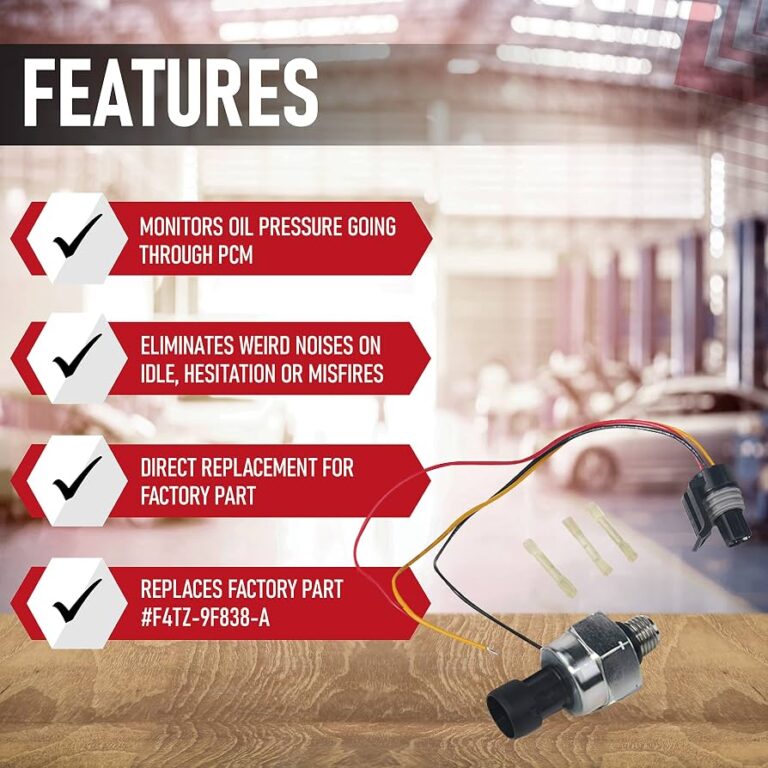
Source: www.youtube.com, Danny Johnson’s Garage
Confirm the engine
Identify the model year, make, model, engine size, and engine code when available.
Check the parts diagram
Look for a separately listed oil pressure sensor filter or screen in the relevant oil passage.
Follow the correct procedure
Use engine-specific instructions for access, removal, inspection, and installation.
Why GM Owners Often Ask About the Screen
Owners of certain GM trucks, SUVs, and cars may encounter the screen while investigating an oil pressure gauge that behaves erratically or appears inconsistent with engine operation. On applicable engines, the screen is located beneath the oil pressure sensor and may collect debris.
That does not mean every GM oil pressure problem comes from a clogged screen. A worn engine, low oil level, damaged wiring, a failing sensor, or another lubrication-system fault can produce similar symptoms. The screen should be inspected when the vehicle’s documented design and diagnostic findings justify doing so.
Avoid assumptions
Do not buy a screen or sensor until the exact engine application has been verified.
What Happens When the Oil Pressure Sensor Screen Gets Clogged?
A restricted screen may interfere with oil reaching the sensor as intended and can contribute to an inaccurate, delayed, or inconsistent pressure signal. The effect depends on the engine’s passage design, the degree of restriction, and the way the sensor operates.
Possible warning signs include an oil pressure gauge that fluctuates unexpectedly, a reading that appears inconsistent with engine conditions, or an oil pressure warning that requires further diagnosis. These symptoms are not proof of a clogged screen. A sensor fault, an electrical problem, or genuinely low oil pressure can cause similar behavior.
Debris on a screen may indicate contamination elsewhere in the lubrication system. Simply cleaning the screen may not resolve the underlying issue if sludge, worn components, damaged bearings, or another fault is affecting oil flow. The engine oil level, oil condition, filter, and actual oil pressure must be considered together.
Source: theengineeringknowledge.com
Erratic gauge readings
May indicate a restricted screen, faulty sensor, poor electrical connection, or an actual pressure fluctuation.
Oil pressure warning
Requires prompt attention because the warning may reflect dangerously low engine oil pressure.
Repeated contamination
May point to an oil maintenance problem or another source of debris that requires further inspection.
Can a Clogged Screen Cause Low Engine Oil Pressure?
A clogged screen can affect the pressure signal reaching a sensor, depending on the design, but it should not automatically be blamed for low pressure throughout the engine. The sensor reading and the engine’s actual oil pressure are related but are not the same thing.
If the dashboard reports low pressure, check the oil level as soon as it is safe. If the warning persists, stop the engine and arrange a proper diagnosis. A technician can compare the electronic reading with a mechanical oil pressure gauge using the manufacturer’s specified test conditions. This helps separate a sensor-side problem from a genuine lubrication failure.
Important distinction
A misleading sensor reading does not prove that actual engine oil pressure is normal.
How to Inspect the Screen Under an Oil Pressure Sensor
Inspect the screen only after confirming that the engine uses one and that the manufacturer’s service procedure allows access. Some sensors are difficult to reach, and removing the wrong component can damage threads, wiring, or nearby engine parts. The engine must be switched off and allowed to cool before work begins.
Gather the correct repair information, appropriate hand tools, eye protection, and any specified sensor socket or screen-removal tool. Depending on the vehicle, access may require removing a cover or other components. Do not improvise with picks or screwdrivers if the procedure calls for a dedicated tool.
Because access and removal methods differ, the following is a general inspection sequence rather than a universal repair procedure. Use the manufacturer’s instructions for the actual vehicle.
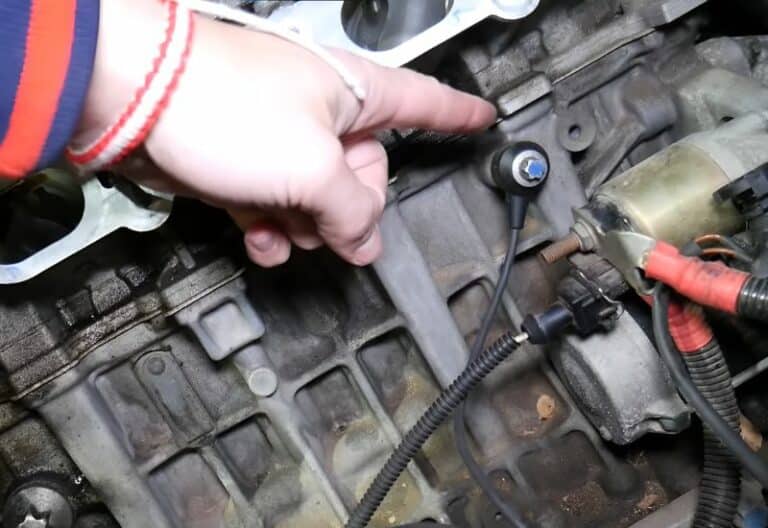
Source: storage.googleapis.com
1. Verify the oil level
Park on a level surface and check the engine oil according to the owner’s manual. Correct an improper level using the specified oil, but do not assume this resolves a continuing warning.
2. Identify the sensor and screen
Use the correct service diagram to locate the oil pressure sensor and determine whether a separate screen is fitted underneath it.
3. Disconnect power when specified
Follow the manufacturer’s battery-disconnection and electrical safety instructions. Disconnect the sensor connector without pulling on its wires.
4. Remove the sensor carefully
Use the specified tool and removal method. Protect nearby components and be prepared for oil residue in the passage.
5. Inspect the screen
Look for visible sludge, metal particles, damaged mesh, or other contamination. Do not force the screen out if the service procedure does not permit removal.
6. Clean or replace as specified
Use only an approved cleaning method or the correct replacement part. Replace a damaged screen rather than trying to repair its mesh.
7. Reinstall and verify
Follow the specified installation direction, torque, sealing requirements, and connector procedure. Start the engine only when it is safe to do so, then check for leaks and confirm the pressure warning or gauge behaves correctly.
What If the Screen Cannot Be Removed Easily?
Stop rather than applying excessive force. A screen can deform, tear, or become lodged in the passage if handled incorrectly. Some designs may require a special extractor or may not support separate screen servicing.
Check the service procedure for the correct tool and whether the screen should be replaced. If the screen is inaccessible or the procedure is unclear, a qualified technician can prevent damage to the oil passage and surrounding components.
Do not force it
Avoid sharp picks, uncontrolled prying, and improvised tools that can damage the screen or engine.
Should You Clean or Replace the Oil Pressure Sensor Screen?
Cleaning or replacement depends on the screen’s condition and the manufacturer’s instructions. If the screen is serviceable and has removable contamination, an approved cleaning procedure may restore its intended flow. If the mesh is torn, distorted, or heavily damaged, replacement with the correct part is generally the appropriate choice.
Do not assume that every screen should be cleaned with brake cleaner, carburetor cleaner, compressed air, or an arbitrary solvent. Chemical compatibility, residue, material strength, and the risk of pushing debris deeper into an oil passage all matter. Follow the engine-specific procedure and use a replacement screen that matches the application.
If a screen repeatedly becomes contaminated, investigate why debris is accumulating. Changing the screen without addressing the source may only provide temporary relief. Depending on the findings, the vehicle may need an oil and filter service, inspection for sludge, or further lubrication-system diagnosis.
Source: sellaband.com
Clean when permitted
Use the approved procedure when the screen is intact and the manufacturer allows cleaning.
Replace when damaged
Use the correct part if the mesh is torn, deformed, or unsuitable for reuse.
Investigate recurring debris
Check for an underlying contamination source rather than repeatedly servicing the screen alone.
Can You Drive With a Clogged Screen?
Do not continue driving when the oil pressure warning indicates possible low pressure or when the gauge shows a dangerously low reading. A clogged screen may be one possible cause, but the same warning can indicate a serious lubrication problem.
Turn off the engine as soon as it is safe, check the oil level, and arrange diagnosis if the warning persists. Do not rely on a screen-cleaning procedure or a normal-looking gauge to establish that the engine is safe without appropriate testing.
Stop if pressure may be low
Prevent avoidable engine damage by shutting the engine down safely and confirming the cause before driving again.
How to Tell Whether the Screen, Sensor, or Engine Is at Fault
The most reliable approach is to verify actual oil pressure before replacing parts based only on a dashboard symptom. An oil pressure gauge or warning light provides a useful clue, but it cannot always distinguish a blocked sensor passage from an electrical failure or a genuine mechanical problem.
Start with the oil level and the warning’s behavior. Inspect the sensor connector and wiring for loose connections, corrosion, or damage. Read any diagnostic trouble codes and follow the vehicle-specific diagnostic procedure. If the pressure reading remains questionable, have actual pressure checked with a suitable mechanical gauge under the specified test conditions.
If actual pressure is within the manufacturer’s specification but the dashboard reading is incorrect, the investigation can focus on the sensor, screen where fitted, wiring, and instrument or control-system components. If actual pressure is below specification, investigate the lubrication system instead of assuming that replacing the sensor screen will solve the problem.
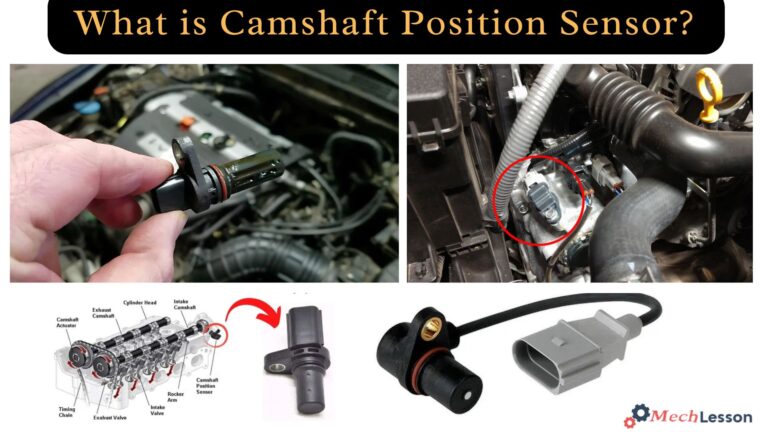
Source: mechlesson.com
Oil level and condition
Check for an incorrect level, unsuitable oil, or visible signs of contamination.
Wiring and connector
Look for damaged insulation, corrosion, loose terminals, or a connector that is not fully seated.
Actual oil pressure
Compare a mechanical gauge reading with the exact engine’s specified pressure limits and test conditions.
Screen and sensor
Inspect these components when the engine design and diagnostic evidence justify it.
Why Replacing the Sensor Alone May Not Fix the Problem
A new sensor cannot correct low engine oil pressure caused by a lubrication-system fault. It also may not solve a problem caused by a restricted screen, damaged wiring, a poor electrical connection, or a faulty instrument display.
Diagnose the source before purchasing parts. This approach reduces unnecessary replacement and helps prevent a potentially serious oil pressure problem from being overlooked.
Confirm before replacing
Use pressure testing and the applicable diagnostic procedure to establish which component or system is failing.
Frequently Asked Questions
Q
What is the little filter under an oil pressure sensor called?
It is commonly called an oil pressure sensor screen, oil pressure sensor filter, or oil pressure sender screen. It is a small mesh component fitted to certain engines to catch debris before it enters the sensor’s oil passage.
Q
Does every car have an oil pressure sensor screen?
No. Some engines have a separate screen beneath the oil pressure sensor, while others use different passage designs or do not have a separately serviceable screen. Confirm the component using the vehicle’s engine-specific service information or parts diagram.
Q
Can a dirty oil pressure sensor screen cause the oil pressure light to come on?
A restricted screen may contribute to an incorrect sensor reading on an engine that uses one. However, an illuminated oil pressure warning can also indicate low oil level, genuinely low engine oil pressure, a defective sensor, or an electrical fault. Stop the engine safely if the warning persists and verify the cause before driving.
Q
Can I clean the oil pressure sensor screen without replacing it?
Sometimes. Cleaning is appropriate only if the screen is serviceable, remains undamaged, and the manufacturer permits the cleaning method. A torn or distorted screen should be replaced with the correct part, and recurring contamination should be investigated.
Q
Where is the oil pressure sensor screen located on a GM engine?
On certain GM engines, the screen sits beneath the oil pressure sensor in the associated oil passage. Its location and removal method vary by engine and model year, so use the correct service diagram before attempting access.
Q
Can a clogged oil pressure sensor screen damage an engine?
A restricted screen can interfere with the sensor’s pressure signal, but the screen alone does not establish whether the engine is receiving enough oil pressure. The greater danger is overlooking genuinely low oil pressure or an underlying lubrication problem. Stop the engine if low pressure is suspected and have the system checked.
Q
Is the oil pressure sensor screen the same as the engine oil filter?
No. The engine oil filter cleans circulating oil throughout the lubrication system. The smaller sensor screen, when fitted, protects a specific passage or component. The two serve different purposes and are not interchangeable.
✦ Wrapping Up
Conclusion
The screen under an oil pressure sensor is a small protective mesh filter found on certain engines. It helps keep debris out of the sensor’s oil passage, but it is not fitted to every vehicle and should not be confused with the engine’s main oil filter. A restricted or damaged screen may affect pressure readings, yet similar symptoms can arise from sensor, wiring, or mechanical problems.
Before cleaning or replacing the screen, confirm that the vehicle uses one and follow the correct service procedure. If the oil pressure warning remains on or actual pressure may be low, shut the engine off safely and verify the pressure rather than assuming the screen is responsible.
💡 Key Takeaway
Identify your vehicle’s exact engine, confirm whether a separate oil pressure sensor screen is fitted, and diagnose actual oil pressure before deciding to clean or replace the screen.
Ethan Brooks is an automotive writer at Auto News 7, covering car news, vehicle maintenance, new model updates, recalls, and practical buying guides. He focuses on clear, useful information that helps drivers understand their vehicles and make better ownership decisions.
Learn how to test a knock sensor Chevy vehicle using a scan tool, multimeter, and physical inspection. Follow this step-by-step guide to diagnose knock sensor problems accurately.
Learn how to check camshaft position sensor operation, wiring, voltage, and signal output. Follow this practical step-by-step guide to diagnose common camshaft sensor problems.
Learn how to replace camshaft position sensor bank 1 with a clear step-by-step process, required tools, troubleshooting tips, and safety advice for DIY vehicle owners in the USA.
Can a bad oil pressure sensor cause a misfire? Learn how oil pressure sensors affect engine performance, which symptoms matter, and how to diagnose the real cause.