Check the sensor circuit first, then confirm actual engine oil pressure with a mechanical gauge.
For drivers and DIY mechanics in the United States, an oil pressure warning deserves immediate attention because low engine oil pressure can cause severe internal engine damage. The first step is not to assume the oil pressure sensor is bad. Check the engine oil level, inspect the sensor and wiring, and determine whether the vehicle uses a simple pressure switch or an electronic pressure sensor.
The safest way to separate a sensor problem from a real lubrication problem is to compare the vehicle’s warning or scan data with actual oil pressure measured through a suitable mechanical test gauge. Electrical testing with a digital multimeter can then help identify an open circuit, short, poor connection, or sensor that does not respond according to the vehicle manufacturer’s specifications.
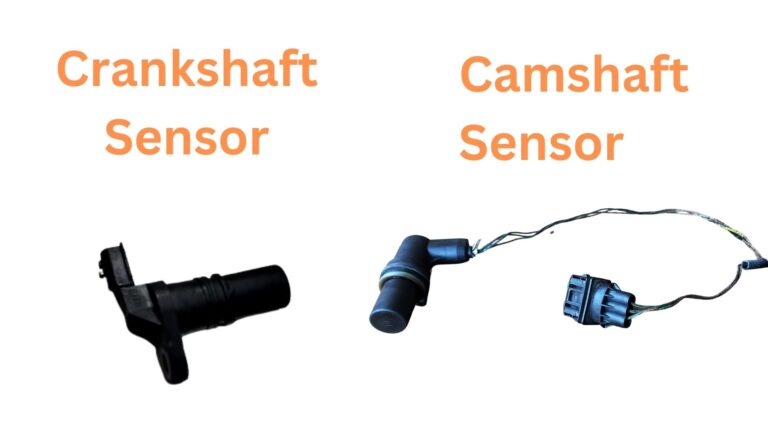
Source: detroitchinatown.org
What an Oil Pressure Sensor Does
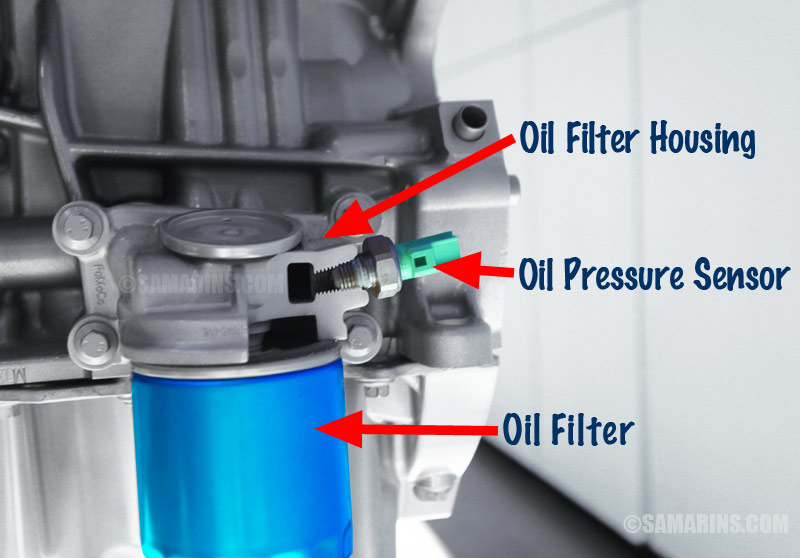
An oil pressure sensor monitors pressure in the engine lubrication system and sends information to the vehicle’s warning system, gauge, instrument cluster, or engine control module. Older and simpler systems may use an oil pressure switch that opens or closes a circuit at a specified pressure. Many newer vehicles use a pressure sensor that produces a changing electrical signal.
This difference matters when you check an oil pressure sensor. A simple switch may be checked for continuity under the correct pressure conditions, while a variable-output sensor may require a reference voltage, signal-voltage measurement, resistance test, or scan-tool comparison. There is no single resistance value that is correct for every vehicle.
The sensor itself also does not create oil pressure. The engine’s oil pump, oil passages, filter, bearings, pressure-regulating components, oil level, and oil condition all affect actual pressure.
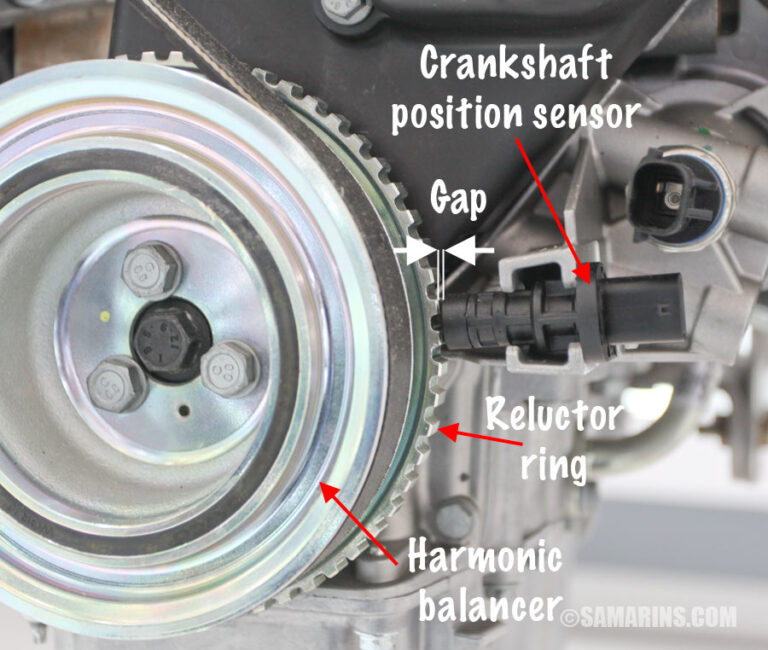
Source: samarins.com
Pressure switch
A switch changes electrical state when oil pressure reaches its designed threshold. The exact continuity behavior depends on the application.
Electronic pressure sensor
A sensor usually converts oil pressure into an electrical signal that the vehicle can interpret and display or use for engine management.
Mechanical gauge
A mechanical gauge measures oil pressure directly at a suitable engine oil passage and can help determine whether the engine actually has a pressure problem.
Before You Check the Oil Pressure Sensor
Start with the basic conditions before testing the sensor. Park the vehicle safely, apply the parking brake, and follow the manufacturer’s instructions for checking engine oil. If the oil pressure warning is on while the engine is running, avoid unnecessary driving until you know whether the engine has adequate oil pressure.
Allow hot components to cool when your inspection requires access near the engine. If you must run the engine for a test, keep loose clothing, tools, and hands away from belts, pulleys, fans, and other moving parts. Oil and engine components can also become extremely hot.
Use the vehicle service information for the exact engine. It should identify the sensor location, connector terminals, expected electrical values, oil pressure specifications, and approved testing procedure.
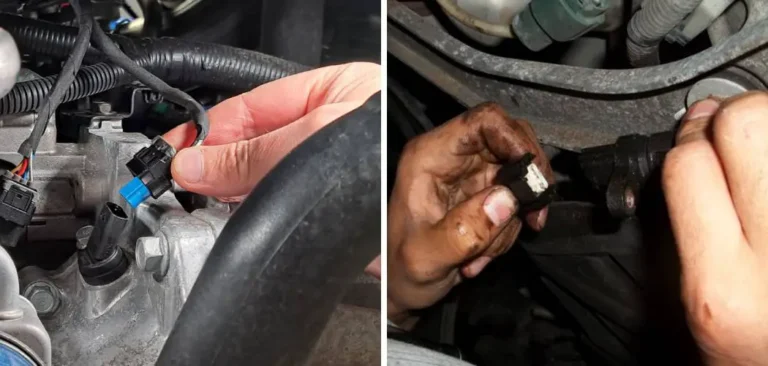
Source: mechlesson.com
Check the oil level
Verify the oil level using the procedure specified for the vehicle. A low level can contribute to low oil pressure and must be addressed before blaming the sensor.
Inspect for leaks
Look around the oil pressure sensor, its mounting area, and nearby components for oil leakage or contamination.
Inspect the connector
Look for loose terminals, corrosion, damaged insulation, oil contamination, or broken wires.
Identify the sensor type
Determine whether the vehicle uses a pressure switch, variable-resistance sensor, voltage-output sensor, or another design before selecting a test method.
How to Check Oil Pressure Sensor With a Multimeter
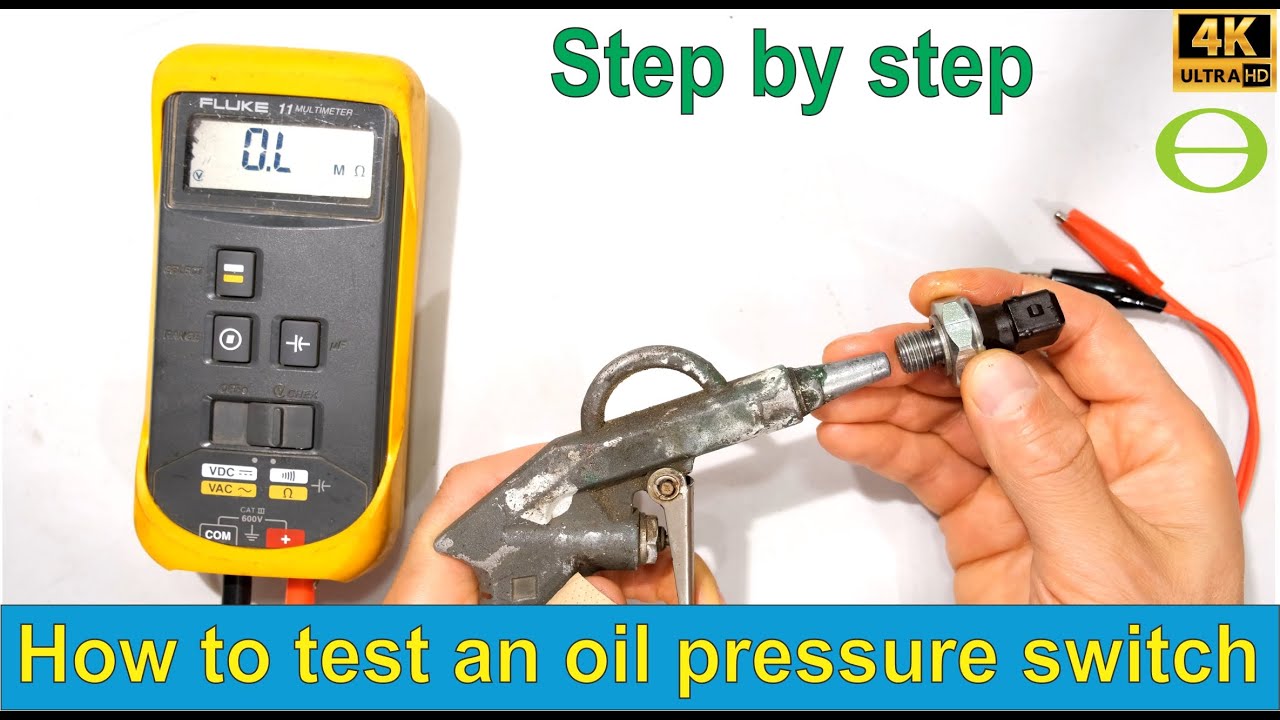
A digital multimeter can help check the electrical side of an oil pressure sensor, but the correct procedure depends on the sensor design. Never use a generic resistance value as a pass-or-fail standard. The manufacturer’s specifications for the specific vehicle should determine what readings are expected.
Begin with the ignition off unless the service procedure specifically requires the circuit energized. Disconnect the sensor connector if the manufacturer’s procedure calls for an isolated sensor test. Set the multimeter to the measurement mode specified by the procedure, such as resistance or DC voltage.
Compare the measured result with the vehicle’s service information. A reading that is outside the specified range, does not change as expected, or shows an open or short circuit when neither is specified can indicate a sensor or circuit problem. Before replacing the sensor, verify that the test setup and connector terminals are correct.
Source: storage.googleapis.com
Resistance testing
Some pressure sensors or switches can be evaluated with resistance or continuity tests. Use only the terminals and pressure conditions specified by the manufacturer.
Voltage testing
Some electronic sensors receive a reference voltage and return a pressure-related signal. Check the reference, ground, and signal circuits according to the vehicle wiring diagram.
Continuity testing
A simple pressure switch may change continuity when pressure changes. The correct open or closed state depends on the switch design and test conditions.
Wiring testing
If the sensor itself appears to test correctly, inspect the wiring between the sensor and the instrument cluster or engine control module for opens, shorts, poor connections, and excessive resistance.
How to Interpret a Bad Multimeter Reading
A clearly incorrect reading does not automatically prove the sensor is defective. A damaged connector, broken wire, poor ground, incorrect test terminal, or incorrect meter setting can produce a misleading result. Confirm the wiring diagram and test procedure before condemning the component.
If the electrical circuit passes its specified checks but the vehicle still reports an implausible pressure signal, an actual oil pressure test is the next useful step.
Open circuit
An open circuit may result from a broken wire, poor terminal contact, or an internally open sensor.
Short circuit
A short may occur inside the sensor or in the wiring and must be diagnosed against the circuit diagram.
Incorrect signal
A sensor may produce a signal outside its expected range even when the wiring appears intact.
How to Check Actual Engine Oil Pressure With a Mechanical Gauge
A mechanical pressure test is often the most important step when an oil pressure warning is present. It measures actual oil pressure instead of relying on the electrical sensor circuit. This can distinguish a faulty sensor from a genuine lubrication problem.
To perform the test, use a suitable oil pressure test gauge and the correct adapter for the engine’s oil pressure sensor port. Remove the sensor only when the engine is safely prepared and follow the vehicle-specific service procedure. Install the gauge securely so oil cannot spray onto hot components or moving parts.
Start the engine only when the setup is secure. Observe the gauge at the engine conditions specified by the service information, which may include cold idle, hot idle, and a specified engine speed. Compare every reading with the manufacturer’s pressure specification for that exact engine.
If actual pressure is within specification but the vehicle reports low pressure, investigate the sensor, wiring, connector, instrument cluster, scan data, or control module as appropriate. If actual pressure is below specification, the problem may involve the oil level, oil viscosity, filter, oil pump, pressure-regulating components, internal engine clearances, or another lubrication-system fault.
Source: hitchesguide.com
Pressure is normal
Normal measured pressure shifts the investigation toward the sensor circuit, sensor, warning system, gauge, or related electronics.
Pressure is low
Low measured pressure requires lubrication-system diagnosis rather than simply replacing the sensor.
Pressure is unstable
An unstable reading can require further investigation of oil level, oil condition, pump operation, pressure regulation, or internal engine conditions.
How to Check the Oil Pressure Sensor Wiring
Wiring problems can imitate a failed oil pressure sensor. Before replacing a sensor, inspect the connector and wiring closely and compare the circuit with the vehicle’s wiring diagram. Look for rubbed insulation, broken conductors, corrosion, loose terminals, and oil contamination.
Electrical checks should use the correct back-probing or test-probe method for the connector. Do not force multimeter probes into terminals if doing so could spread or damage the contacts. Terminal damage can create a new high-resistance connection problem.
If the sensor has a reference-voltage circuit, signal circuit, and ground, test each circuit according to the manufacturer’s procedure. If it uses a simple switch circuit, the wiring path and switch state may be much simpler. The exact circuit design determines the correct test.
Source: www.youtube.com
Connector condition
Check for corrosion, oil contamination, damaged locks, loose terminals, or signs that a terminal has backed out of the connector.
Wire condition
Inspect for cuts, melted insulation, chafing, stretched wires, or previous repairs that may have failed.
Ground quality
Where the circuit uses a dedicated electrical ground, verify it according to the service procedure instead of assuming the ground is good.
Symptoms of a Faulty Oil Pressure Sensor
A faulty oil pressure sensor can cause an oil pressure warning light, inaccurate pressure readings, implausible scan data, or an oil leak around the sensor. Some vehicles may also store a diagnostic trouble code related to the pressure signal or circuit.
These symptoms do not prove that the sensor has failed. Low oil pressure can produce similar warnings, and an electrical fault can cause an inaccurate reading even when mechanical oil pressure is normal. That is why actual pressure measurement is valuable when the warning persists.
Source: namibian.com.na
Oil pressure warning stays on
The warning may result from low pressure, a faulty switch or sensor, or a circuit problem.
Gauge reading is implausible
A gauge that suddenly reads abnormally high, low, or erratically can indicate a sensor or circuit fault, but actual pressure should be verified when necessary.
Oil around the sensor
Oil leakage at the sensor or its sealing area can indicate a failed sensor, damaged seal, or installation problem.
Engine noise with a pressure warning
Unusual engine noise combined with an oil pressure warning is a reason to stop the engine and investigate actual oil pressure promptly.
Common Mistakes When Testing an Oil Pressure Sensor
The most common mistake is replacing the sensor before confirming that the engine has adequate oil pressure. A new sensor cannot correct a failing oil pump, blocked oil passage, incorrect oil level, or excessive internal engine clearance.
Another mistake is applying a universal multimeter resistance value to every vehicle. Pressure sensors vary widely in design. Some are switches, while others produce variable electrical signals. Always use the specification and wiring diagram for the exact application.
It is also easy to confuse a sensor fault with a connector or wiring fault. If the sensor passes its specified test but the vehicle still reports an abnormal signal, continue through the circuit instead of repeatedly replacing the sensor.
Source: detroitchinatown.org
Replacing parts too early
Confirm the electrical circuit and, when appropriate, actual oil pressure before purchasing a replacement sensor.
Using generic specifications
Do not assume one sensor’s resistance, voltage, or pressure threshold applies to another vehicle.
Ignoring the oil level
Check the oil level and condition before performing more complicated diagnosis.
Driving with a pressure warning
Continuing to operate an engine with genuinely low oil pressure can increase the risk of severe internal damage.
When to Stop Testing and Get Professional Help
Stop the engine and seek qualified automotive help if the oil pressure warning remains illuminated, the engine develops unusual knocking or ticking noises, or a mechanical gauge shows pressure below the manufacturer’s specification. These conditions can indicate a real lubrication problem rather than a faulty sensor.
Professional diagnosis is also appropriate when the sensor is difficult to access, the oil pressure port requires specialized equipment, the wiring has complex control circuits, or the service information calls for procedures you cannot safely perform. A professional technician can test actual pressure and trace the electrical circuit without guessing at the cause.
Stop immediately
Stop engine operation when a persistent oil pressure warning is accompanied by abnormal engine noise or confirmed low pressure.
Use qualified help
Get professional assistance when safe access, specialized adapters, wiring diagnosis, or manufacturer-specific procedures exceed your available equipment or experience.
Do not rely on the warning light alone
A warning light indicates a condition detected by the vehicle system. Confirming actual pressure can determine whether the engine or the monitoring circuit is at fault.
Frequently Asked Questions
Q
How do you test an oil pressure sensor?
Start by checking the oil level, sensor connector, and wiring. Then test the sensor with a multimeter according to the vehicle manufacturer’s specifications and, when a pressure warning is involved, compare the vehicle’s reading with actual pressure from a mechanical gauge.
The exact electrical test depends on whether the vehicle uses a pressure switch or an electronic pressure sensor.
Q
Can I check an oil pressure sensor with a multimeter?
Yes, many oil pressure sensors and switches can be electrically tested with a digital multimeter. However, the correct resistance, continuity, reference voltage, and signal values vary by design, so use the specifications for the exact vehicle rather than a generic value.
Q
How can I tell if the oil pressure sensor is bad?
An incorrect electrical reading, implausible signal, warning light, or oil leak at the sensor can point to a sensor problem. The strongest diagnosis comes from verifying the sensor circuit and comparing the vehicle’s pressure indication with actual mechanical oil pressure.
Q
What should oil pressure be at idle?
There is no single oil pressure value that applies to every engine. The correct pressure depends on the engine design, oil temperature, engine speed, oil viscosity, and manufacturer’s specification.
Use the service information for the exact engine rather than treating a generic pressure number as a pass-or-fail limit.
Q
What does it mean if the oil pressure light stays on?
A persistent oil pressure warning can indicate genuinely low engine oil pressure, a faulty pressure sensor or switch, or an electrical circuit problem. Check the oil level and avoid unnecessary driving until the cause is identified.
If actual oil pressure is low or the engine makes abnormal noise, stop the engine and seek professional diagnosis.
Q
Do I need a mechanical gauge to check an oil pressure sensor?
You can perform useful electrical checks without a mechanical gauge, but a mechanical gauge is often the best way to determine whether the engine actually has adequate oil pressure. This distinction is especially important when an oil pressure warning could represent either a sensor fault or a real lubrication problem.
✦ Wrapping Up
Conclusion
Learning how to check oil pressure sensor operation starts with the basics: verify the oil level, inspect the sensor and connector, identify the sensor type, and use the correct electrical test procedure. Do not apply a generic multimeter value to a vehicle without checking its specifications.
When an oil pressure warning is involved, confirm actual engine oil pressure when appropriate. Normal mechanical pressure with an abnormal electrical reading points toward the sensor or circuit, while genuinely low pressure requires lubrication-system diagnosis rather than a simple sensor replacement.
💡 Key Takeaway
Check the oil level and wiring first, test the sensor against vehicle-specific specifications, and verify actual oil pressure before replacing the sensor when low pressure is suspected.
Ethan Brooks is an automotive writer at Auto News 7, covering car news, vehicle maintenance, new model updates, recalls, and practical buying guides. He focuses on clear, useful information that helps drivers understand their vehicles and make better ownership decisions.
Learn how much to replace a camshaft position sensor in the United States, including parts, labor, DIY costs, symptoms, and factors that affect repair pricing.
Learn whether camshaft and crankshaft sensors are the same, how they work, their differences, symptoms of failure, and when each sensor needs replacement.
Learn how to diagnose a bad crankshaft position sensor with symptoms, testing methods, scan tool checks, multimeter tests, and practical troubleshooting steps.
Learn how to remove crankshaft position sensor safely and correctly. Follow step-by-step instructions, tools needed, troubleshooting tips, and common mistakes to avoid.
Learn how to replace camshaft sensor Infiniti G35 models with this detailed DIY guide. Find symptoms, tools, sensor locations, replacement steps, troubleshooting tips, and common mistakes.