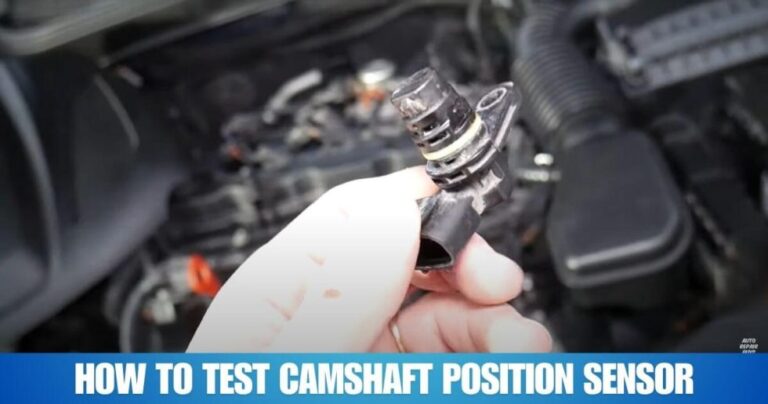
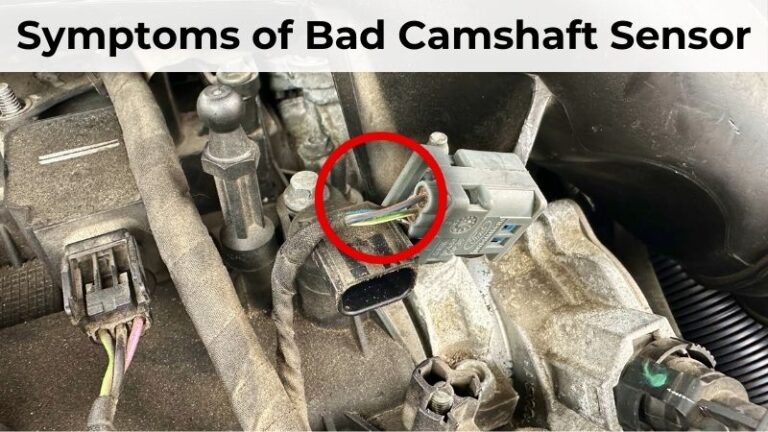
No, knock sensors are not universally interchangeable across all vehicles and engines.
In the United States, drivers often encounter knock sensor problems when diagnosing a check engine light or engine performance issue. A common question is whether a replacement sensor can be used across different makes and models. In most cases, the answer is no because knock sensors are designed around specific engine requirements and electronic systems.
While some aftermarket manufacturers sell products labeled as universal knock sensors, compatibility depends on factors such as sensor type, connector design, mounting specifications, frequency range, and the engine control module’s calibration. Choosing the wrong sensor can result in inaccurate engine data, poor performance, and recurring diagnostic trouble codes.
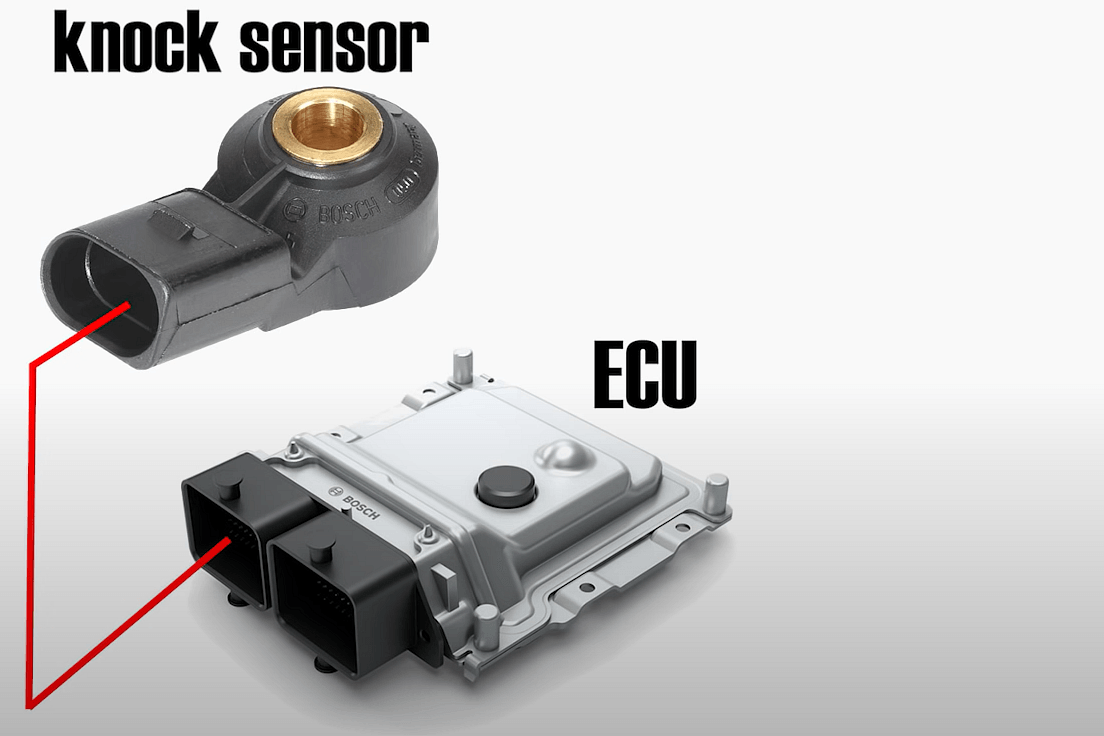
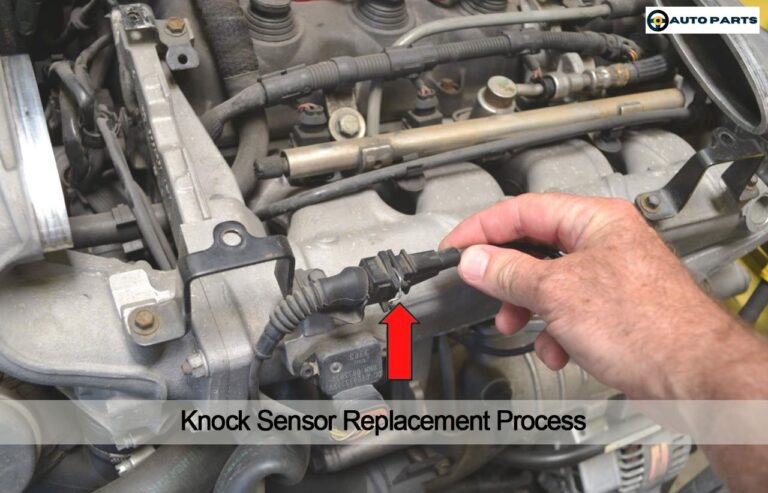
Source: carbuzz.com
What Is a Knock Sensor and What Does It Do?
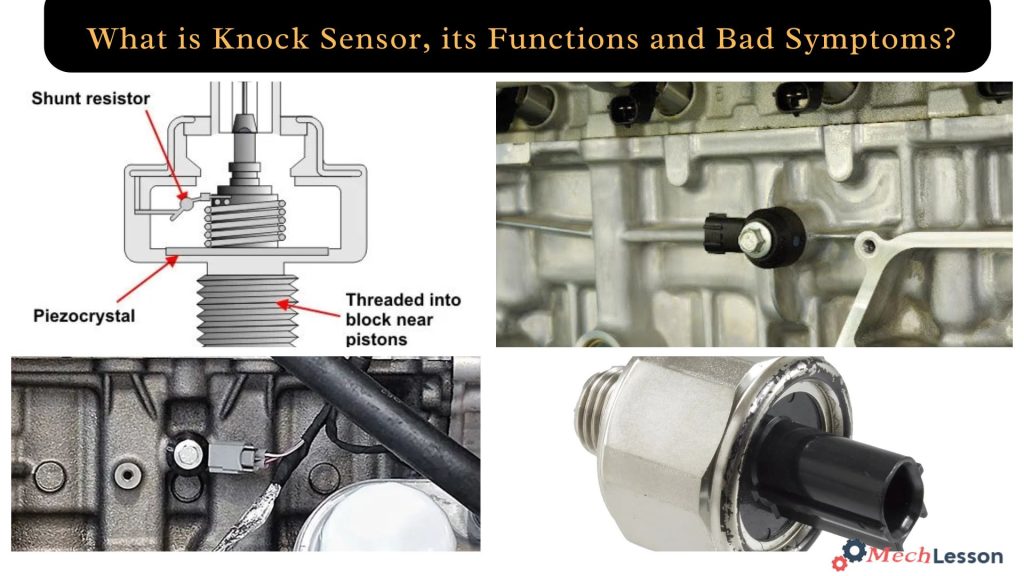
A knock sensor is an engine management component that detects abnormal combustion, often called engine knock or detonation. It converts engine vibrations into electrical signals and sends that information to the engine control module.
When knock is detected, the engine control module can adjust ignition timing to protect the engine from damage. This process helps improve engine durability, fuel efficiency, and overall performance.
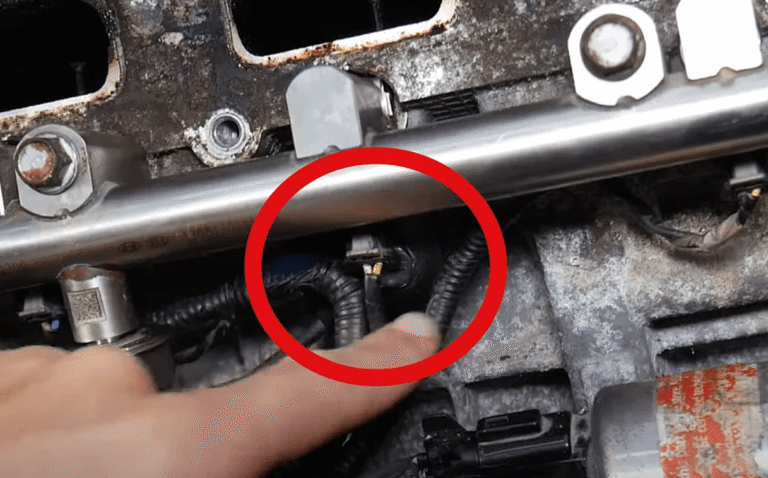
Source: mechlesson.com
Primary Purpose
Detects engine knock and helps prevent internal engine damage.
Engine Protection
Allows the engine computer to adjust timing when harmful combustion occurs.
Why Knock Sensors Matter
Modern engines rely on accurate sensor feedback. Without proper knock sensor data, the engine may run less efficiently or experience increased risk of damaging detonation.
Performance
Supports optimal ignition timing under varying driving conditions.
Are Knock Sensors Universal?
No, knock sensors are generally not universal. Different vehicle manufacturers use sensors with unique specifications that are designed to work with specific engines and engine control systems.
Even when two sensors appear physically similar, they may produce different signal characteristics. A sensor designed for one engine may not correctly detect knock frequencies in another engine, leading to inaccurate engine management decisions.
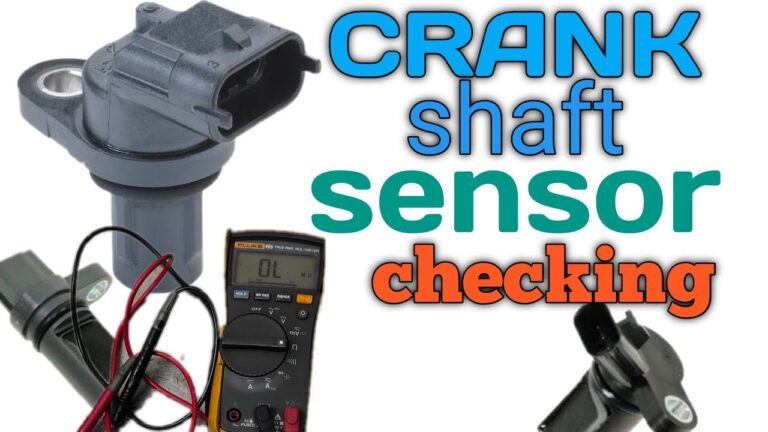
Source: storage.googleapis.com
Vehicle Specific Design
Most original equipment sensors are engineered for particular engines.
Signal Differences
Different sensors can produce different outputs and response patterns.
What About Universal Knock Sensors?
Some aftermarket suppliers offer universal knock sensors. These products are usually intended for custom engine builds, racing applications, or engine swaps where compatibility can be verified by the installer.
Use With Caution
Universal sensors require careful matching to the engine and control system.
Factors That Determine Knock Sensor Compatibility
Several technical factors determine whether a knock sensor can be used on a particular vehicle. Matching only the physical size is not enough.
Vehicle owners should verify all relevant specifications before purchasing a replacement sensor.
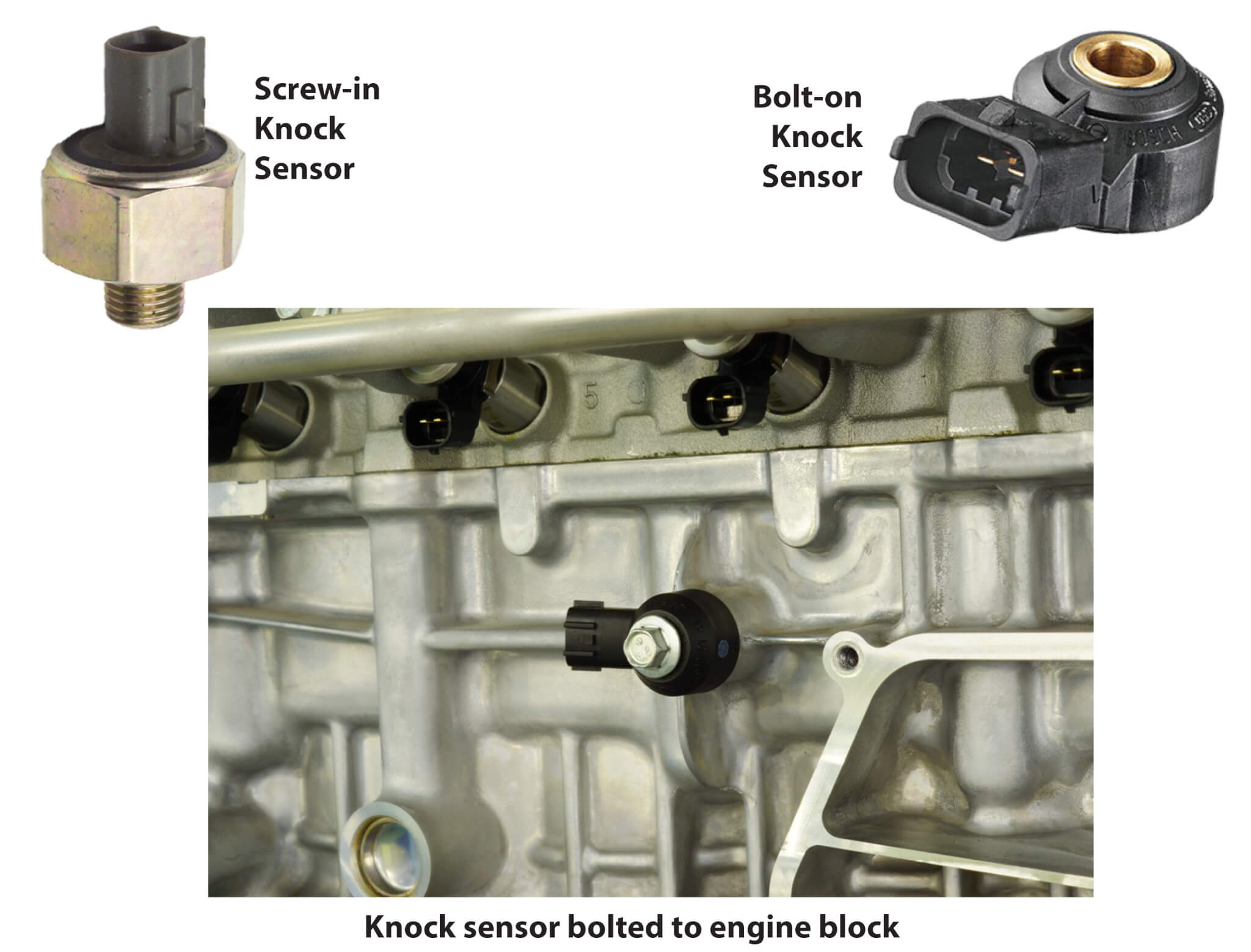
Source: ricksfreeautorepairadvice.com
Connector Type
Electrical connectors must match the vehicle wiring harness.
Thread and Mounting
The sensor must fit the engine block correctly.
Frequency Range
The sensor must detect knock frequencies appropriate for the engine.
Compatibility Checklist
Verify the vehicle year, make, model, engine displacement, connector style, mounting location, and manufacturer part number before ordering a replacement.
Part Number Verification
Matching original equipment specifications is usually the safest option.
What Happens If You Install the Wrong Knock Sensor?
Installing an incompatible knock sensor can create multiple engine performance problems. The engine control module may receive incorrect information and make inappropriate timing adjustments.
In some cases, the check engine light may remain illuminated even after replacement because the sensor signals do not match expected values.
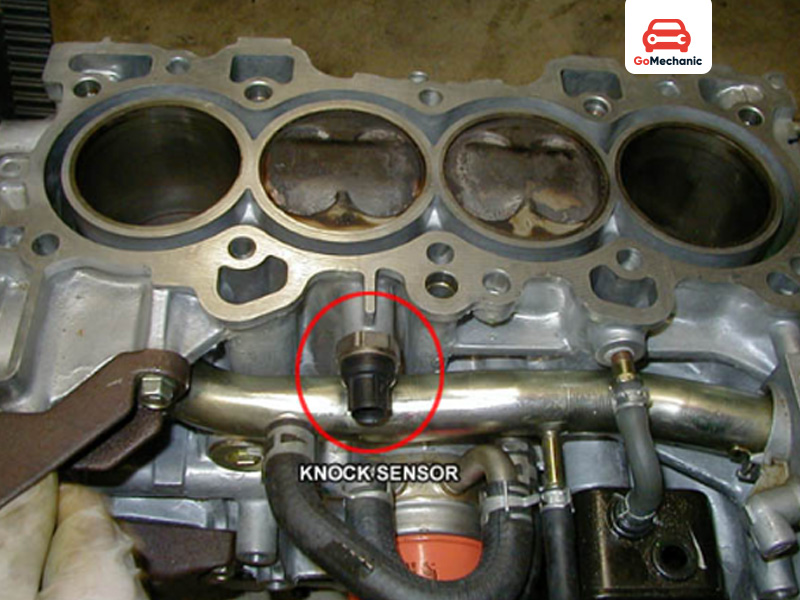
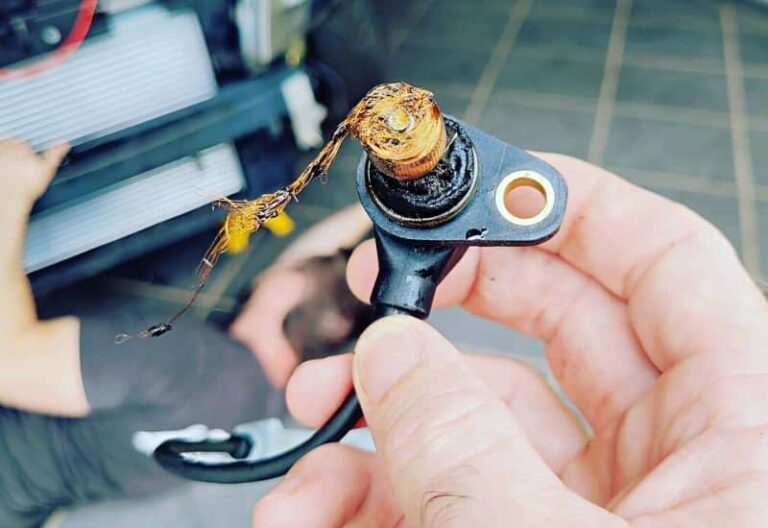
Source: gomechanic.in
Check Engine Light
Fault codes may return after installation.
Reduced Performance
Incorrect timing adjustments can affect power output.
Fuel Economy Loss
Engine efficiency may decrease when timing is not optimized.
Potential Long-Term Risks
A sensor that fails to detect knock accurately may allow harmful combustion events to occur more frequently, potentially increasing engine wear over time.
Engine Protection
Proper sensor operation is critical for protecting internal engine components.
How to Choose the Correct Knock Sensor
The best approach is to select a knock sensor that matches the original equipment specifications for your vehicle. Most auto parts databases allow searches by year, make, model, and engine size.
If you are working on a modified engine, engine swap, or custom tuning project, consult the engine management system documentation to determine compatible sensor specifications.
Source: storage.googleapis.com
Use VIN Information
Vehicle identification data helps confirm correct parts.
Check OEM References
Original equipment part numbers provide reliable compatibility guidance.
OEM vs Aftermarket Sensors
Many aftermarket sensors work well when built to original specifications. However, buyers should verify that the replacement part is listed as compatible with their exact vehicle and engine.
Quality Verification
Purchase from reputable suppliers with documented fitment information.
Frequently Asked Questions
Q
Can a universal knock sensor replace an OEM knock sensor?
Sometimes, but only if the universal sensor matches the engine’s technical requirements, connector configuration, and signal characteristics. Compatibility should always be verified before installation.
Q
Do all knock sensors use the same connector?
No. Different manufacturers use different connector styles, pin configurations, and wiring designs. Connector compatibility is a critical consideration when replacing a sensor.
Q
Can the wrong knock sensor cause a check engine light?
Yes. An incompatible sensor can produce unexpected signals that trigger diagnostic trouble codes and illuminate the check engine light.
Q
Are aftermarket knock sensors reliable?
Many aftermarket knock sensors are reliable when manufactured to original equipment standards. Quality and compatibility should be verified before purchase.
Q
How can I find the correct knock sensor for my vehicle?
Use your vehicle year, make, model, engine size, and VIN information. Comparing OEM part numbers is often the most accurate method.
✦ Wrapping Up
Conclusion
The answer to the question are knock sensors universal is generally no. Most knock sensors are designed for specific engines and engine management systems, making proper compatibility essential.
While some universal options exist, they are typically intended for specialized applications and still require careful matching. Selecting a sensor that meets the exact specifications of your vehicle is the safest and most reliable approach.
💡 Key Takeaway
Before purchasing a knock sensor, verify the exact part number and compatibility information for your vehicle to ensure proper engine operation and diagnostics.
Ethan Brooks is an automotive writer at Auto News 7, covering car news, vehicle maintenance, new model updates, recalls, and practical buying guides. He focuses on clear, useful information that helps drivers understand their vehicles and make better ownership decisions.
Learn whether a bad knock sensor can cause overheating, how the sensor affects engine timing, common symptoms, diagnostic steps, and when overheating points to a different problem.
Learn how many ohms a camshaft sensor should have, why resistance varies by sensor type, and how to test a camshaft position sensor accurately with a multimeter.