Yes. Worn, damaged, or incorrect spark plugs can contribute to engine knock and may trigger a knock sensor-related code.
Across the United States, drivers often assume a knock sensor code means the sensor itself has failed. In reality, the code may be the result of combustion problems that the sensor is detecting rather than a defective sensor.
When spark plugs misfire, create hot spots, or fail to ignite the air-fuel mixture correctly, abnormal combustion can occur. That abnormal combustion may be interpreted as engine knock, causing the engine control module to store a knock sensor code and illuminate the check engine light.
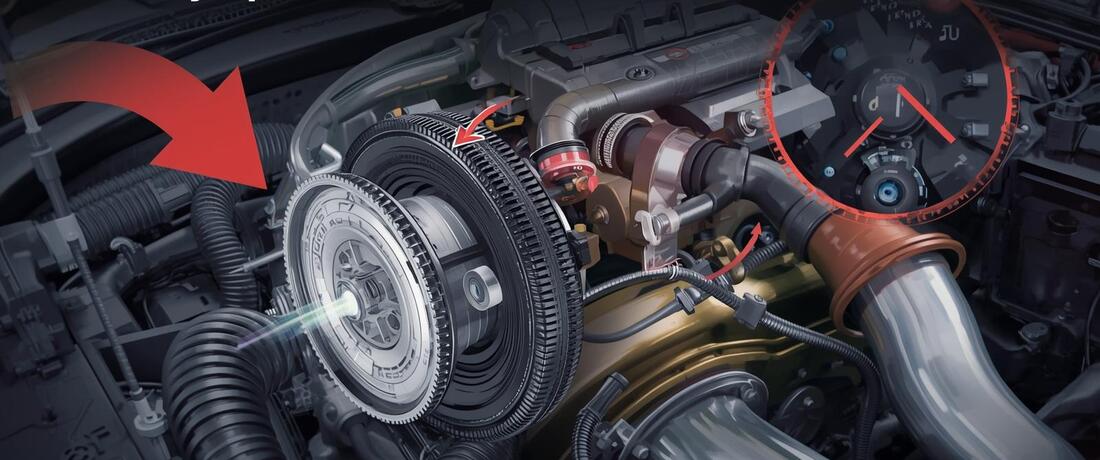
Source: autosbible.com
Can Spark Plugs Cause a Knock Sensor Code?
Yes, spark plugs can cause conditions that lead to a knock sensor code. The knock sensor monitors engine vibrations associated with detonation or pinging. If spark plugs contribute to abnormal combustion, the sensor may detect the resulting vibration patterns.
The sensor itself may be working correctly. In many cases, the engine computer records a knock sensor code because it detected excessive knock activity, not because the sensor has failed.
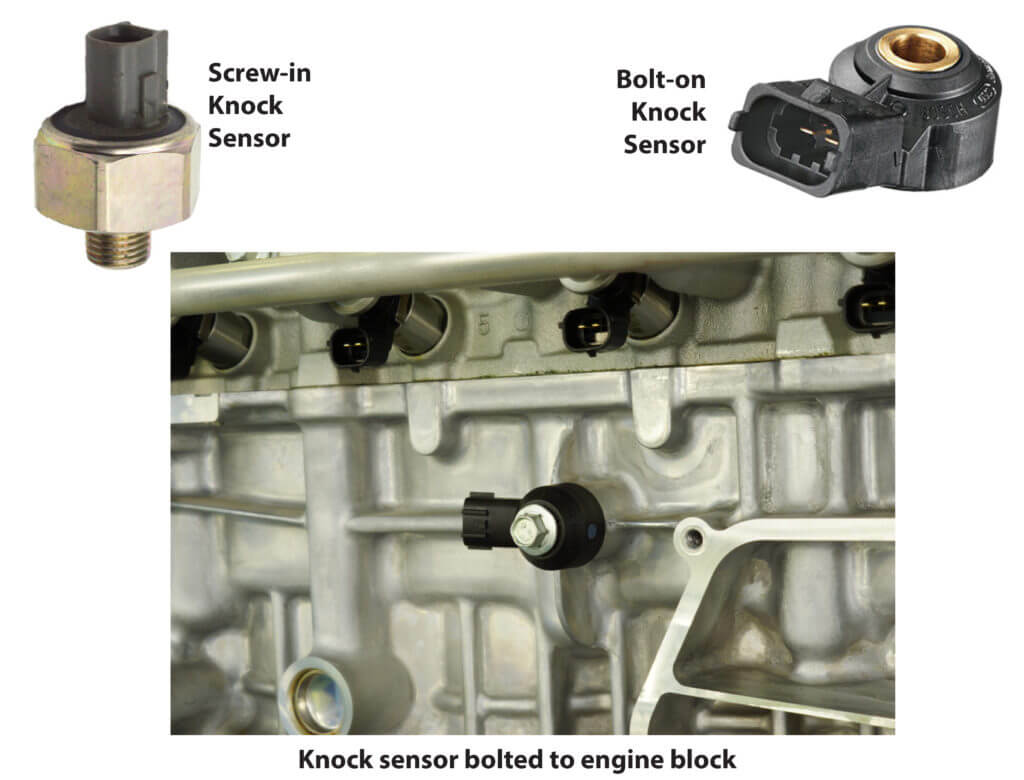
Source: thecarbuzz.com
Indirect Cause
Spark plugs do not usually damage the sensor directly but can create combustion issues that trigger related codes.
Common Scenario
Worn spark plugs increase the likelihood of misfires and inefficient combustion.
Why the Engine Computer Sets the Code
The engine control module constantly monitors signals from the knock sensor. When vibration patterns exceed expected limits, the module may reduce ignition timing and store a diagnostic trouble code.
Protection Strategy
The system protects the engine from damage caused by severe detonation.
How Bad Spark Plugs Lead to Engine Knock
Spark plugs are responsible for igniting the air-fuel mixture at the correct moment. When they wear out or become fouled, combustion efficiency decreases.
Incomplete combustion, delayed ignition, or excessive heat inside the combustion chamber can create pressure spikes. These pressure spikes may resemble or contribute to engine knock.
Source: gomechanic.in
Worn Electrodes
Require higher voltage and can weaken spark quality.
Carbon Fouling
Interferes with normal ignition and combustion.
Incorrect Heat Range
Can create excessive combustion chamber temperatures.
Combustion Problems That Matter
Detonation occurs when portions of the air-fuel mixture ignite unexpectedly. Poor spark plug performance can increase the likelihood of these conditions.
Pre-Ignition Risk
Hot spots inside the cylinder may ignite fuel too early.
Symptoms That Suggest Spark Plugs Are Behind the Code
Several symptoms can indicate that spark plugs are contributing to a knock sensor code. Looking for related signs can help narrow the diagnosis.
A vehicle experiencing ignition problems often shows performance issues before a sensor replacement becomes necessary.
Source: hitchesguide.com
Rough Idle
The engine may shake or run unevenly.
Reduced Fuel Economy
Incomplete combustion can increase fuel consumption.
Engine Hesitation
Acceleration may feel sluggish or inconsistent.
Misfire Codes
Misfire-related codes may appear alongside knock sensor codes.
When Symptoms Point Elsewhere
Not every knock sensor code is caused by spark plugs. Fuel quality, wiring issues, carbon buildup, and sensor failures can produce similar results.
Multiple Causes
Diagnosis should never stop after reading a single code.
How to Diagnose the Problem Correctly
A systematic inspection is the most effective way to determine whether spark plugs are contributing to the code.
Begin with the simplest and least expensive checks before replacing major components.
Source: autopassionate.com
Scan for Additional Codes
Look for misfire, fuel trim, or ignition-related faults.
Inspect Spark Plugs
Check for wear, fouling, cracks, and improper gaps.
Check Ignition Components
Test coils, wires, and connectors where applicable.
Verify Sensor Wiring
Inspect the knock sensor circuit for damage.
Signs of a Successful Repair
After replacing defective spark plugs, engine operation should become smoother and diagnostic codes should not return after the drive cycle is completed.
Stable Performance
No misfires, hesitation, or recurring warning lights.
Common Mistakes and Repair Decisions
One of the most common mistakes is replacing the knock sensor without inspecting the ignition system. This can lead to unnecessary expenses and unresolved symptoms.
Another mistake is installing spark plugs with the wrong specifications. Even new plugs can create performance problems if they do not match manufacturer requirements.
Source: autosbible.com
Avoid Guesswork
Use diagnostic data instead of replacing parts at random.
Use Correct Parts
Install spark plugs that meet vehicle specifications.
Address Related Issues
Check fuel quality and engine carbon deposits if problems continue.
When Professional Help Is Needed
If the code returns after spark plug replacement and basic inspections, advanced testing of engine timing, sensor signals, and fuel delivery may be required.
Persistent Codes
Repeated faults often require specialized diagnostic equipment.
Frequently Asked Questions
Q
Can worn spark plugs trigger a knock sensor code without causing a misfire code?
Yes. Spark plugs can contribute to abnormal combustion and light knocking before a misfire becomes severe enough to trigger a separate misfire code.
Q
Will replacing spark plugs clear a knock sensor code?
It can if the spark plugs were the root cause. However, the code may remain until it is cleared and the vehicle completes the required drive cycles.
Q
Can incorrect spark plug gaps cause engine knock?
Yes. Improper gaps can affect ignition performance and combustion efficiency, potentially contributing to knock-related conditions.
Q
What other problems can cause a knock sensor code?
Possible causes include poor fuel quality, carbon buildup, faulty knock sensors, damaged wiring, engine timing issues, and lean air-fuel mixtures.
Q
Is it safe to drive with a knock sensor code?
Short trips may be possible, but prolonged driving can increase the risk of engine damage if actual detonation is occurring. The problem should be diagnosed promptly.
✦ Wrapping Up
Conclusion
The answer to can spark plugs cause a knock sensor code is yes. Faulty, worn, fouled, or incorrectly specified spark plugs can create combustion problems that lead the engine computer to detect knock-related activity.
Before replacing a knock sensor, inspect the spark plugs and ignition system carefully. In many cases, correcting ignition-related issues resolves the underlying cause and prevents the code from returning.
💡 Key Takeaway
If you have a knock sensor code, inspect spark plugs, ignition components, and related engine conditions before replacing the sensor itself.
Ethan Brooks is an automotive writer at Auto News 7, covering car news, vehicle maintenance, new model updates, recalls, and practical buying guides. He focuses on clear, useful information that helps drivers understand their vehicles and make better ownership decisions.
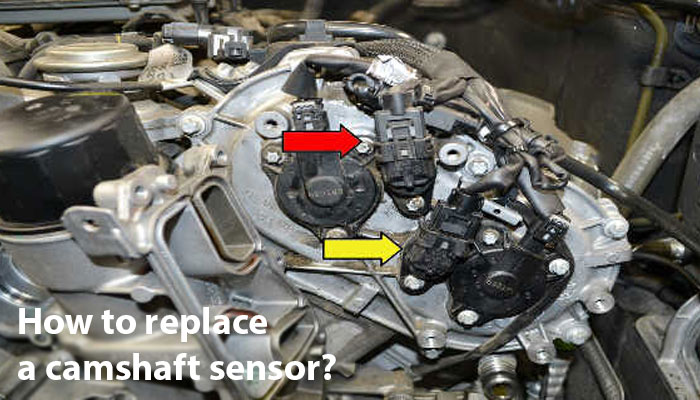
Learn whether a camshaft sensor is hard to replace, how long the job takes, common challenges, costs, symptoms of failure, and when to seek professional help.
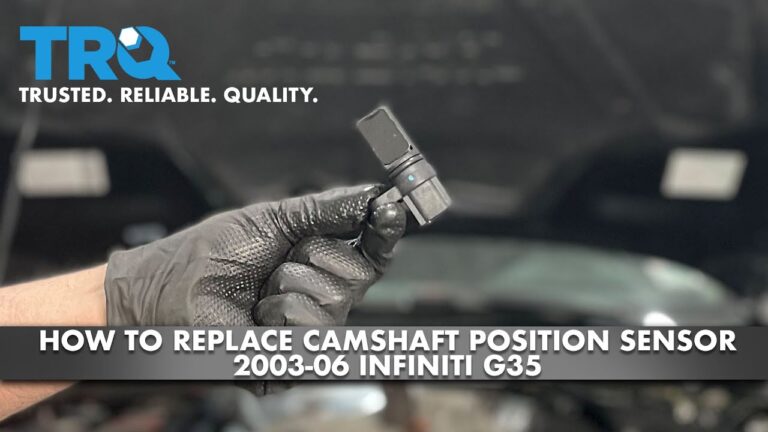
Learn how to replace camshaft sensor Infiniti G35 models with this detailed DIY guide. Find symptoms, tools, sensor locations, replacement steps, troubleshooting tips, and common mistakes.
Learn whether camshaft sensors are interchangeable, how to identify compatible sensors, common mistakes to avoid, and how to choose the correct replacement for your vehicle.
Learn how to reset camshaft position sensor Ford vehicles after replacement or repairs. Follow safe troubleshooting steps, relearn procedures, and common fixes.