Yes, a faulty knock sensor can contribute to misfire conditions, but it is rarely the direct cause.
Across the United States, drivers often see engine misfire codes and knock sensor codes appear together. This can create confusion because both issues affect engine performance, fuel economy, and drivability. While a bad knock sensor may influence ignition timing and combustion efficiency, most misfires are caused by ignition, fuel, air, or mechanical problems.
Understanding how a knock sensor works is the key to answering the question: can a knock sensor cause misfire? In some vehicles, incorrect knock sensor signals can cause the engine control module to excessively retard ignition timing. This may reduce engine performance, create rough operation, and in certain cases contribute to conditions that resemble or worsen a misfire.
Source: hitchesguide.com
What Does a Knock Sensor Do?
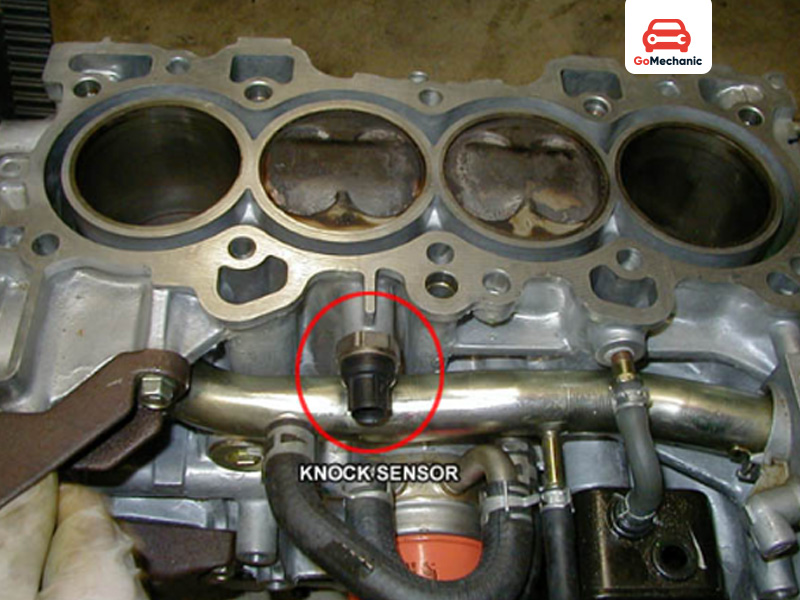
A knock sensor detects abnormal combustion vibrations inside the engine. These vibrations, commonly called engine knock or detonation, occur when the air-fuel mixture ignites at the wrong time.
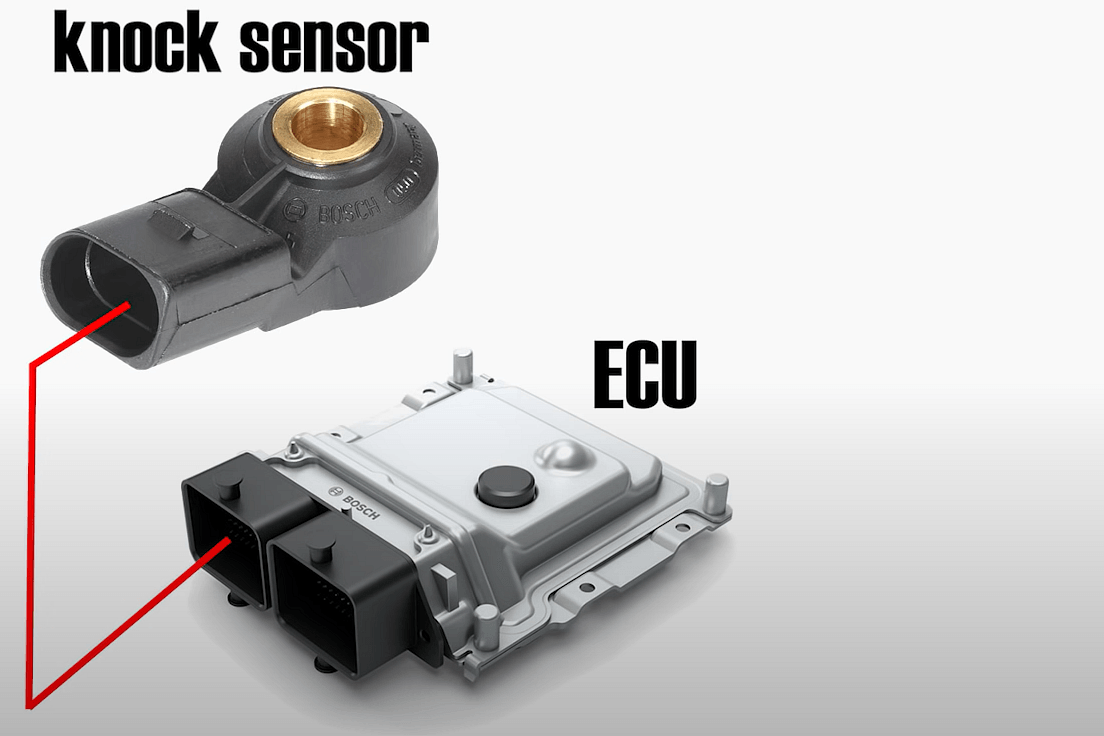
The sensor sends information to the engine control module. The control module adjusts ignition timing to protect the engine from damage. When functioning properly, the system balances power, efficiency, and engine safety.
Source: gomechanic.in
Monitors combustion
Detects vibration frequencies associated with engine knock.
Protects engine components
Helps prevent piston and cylinder damage caused by detonation.
Supports performance
Allows ignition timing to remain optimized during normal operation.
Why Knock Detection Matters
Modern engines operate with precise ignition timing. Even small timing errors can affect power, emissions, and fuel economy. Accurate knock sensor data allows the engine computer to make corrections before damage occurs.
Timing control
Maintains safe combustion under varying loads.
Can a Knock Sensor Cause Misfire?
The short answer is yes, but usually indirectly. A faulty knock sensor can send incorrect signals to the engine control module. In response, the module may retard ignition timing more than necessary.
When ignition timing becomes excessively delayed, combustion efficiency drops. The engine may run rough, lose power, hesitate during acceleration, and in some cases develop misfire-like symptoms. However, a failed spark plug, ignition coil, fuel injector, or low compression remains a more common explanation for an actual cylinder misfire.
Source: icdrex.com
Indirect effect
Incorrect sensor data may alter ignition timing enough to affect combustion.
Performance loss
The engine may feel sluggish or rough under load.
Not the usual cause
Most confirmed misfires originate elsewhere in the engine system.
When a Knock Sensor Is Most Likely to Contribute
A knock sensor is more likely to contribute to misfire-related symptoms when the sensor is damaged, wiring is faulty, or the engine control module receives persistent false knock signals.
False knock detection
Causes unnecessary timing adjustments that affect performance.
Symptoms of a Bad Knock Sensor
Several symptoms can indicate a faulty knock sensor. These symptoms often overlap with other engine problems, making proper diagnosis important.
Drivers may notice reduced acceleration, poor fuel economy, rough running, or illumination of the check engine light.
Source: hitchesguide.com
Check engine light
Fault codes related to the knock sensor may be stored.
Poor acceleration
Retarded timing can reduce engine responsiveness.
Reduced fuel economy
Incorrect timing may lower combustion efficiency.
Rough operation
Engine performance may become inconsistent.
Symptoms Often Mistaken for Misfire
Rough idle, hesitation, and reduced power can resemble misfire symptoms even when a cylinder is not actually misfiring. Diagnostic testing is necessary to distinguish between the two conditions.
Similar drivability issues
Different faults can create nearly identical symptoms.
How to Diagnose a Knock Sensor Related Misfire
Begin with a diagnostic scan. Check for both knock sensor codes and cylinder-specific misfire codes. The presence of both does not automatically mean the sensor caused the misfire.
Inspect the sensor wiring, connectors, and mounting location. Damaged wiring can create inaccurate signals. Next, evaluate ignition components, fuel delivery, and engine compression because these systems commonly cause true misfires.
Source: gomechanic.in
Scan trouble codes
Identify related engine management faults.
Inspect wiring
Look for corrosion, damage, or loose connections.
Test ignition system
Check spark plugs and ignition coils.
Verify fuel delivery
Ensure injectors and fuel pressure are functioning properly.
Signs the Knock Sensor Is Not the Main Problem
If a single cylinder consistently misfires while ignition or fuel component faults are present, the knock sensor is unlikely to be the root cause. Most knock sensor failures affect overall engine timing rather than one cylinder.
Cylinder-specific faults
Usually point toward ignition, fuel, or compression issues.
Common Causes of Misfire Compared to Knock Sensor Problems
Understanding the difference between common misfire causes and knock sensor issues helps speed up diagnosis. Most engines experiencing a misfire have faults unrelated to the knock sensor.
The table below highlights the typical differences.
Source: hitchesguide.com
Spark plug failure
One of the most common causes of cylinder misfire.
Ignition coil failure
Can create intermittent or constant misfires.
Fuel injector issues
May prevent proper fuel delivery to a cylinder.
Knock sensor fault
More often affects timing and performance than direct combustion.
Comparison Table
Knock sensor problems generally affect engine timing and overall performance, while ignition, fuel, and compression problems directly interrupt combustion inside a cylinder.
Diagnostic priority
Check ignition and fuel systems before assuming the knock sensor caused a misfire.
Frequently Asked Questions
Q
Can a bad knock sensor trigger a misfire code?
Yes. In some cases, incorrect timing adjustments caused by faulty knock sensor data can contribute to conditions that trigger a misfire code. However, the actual cause often lies in the ignition, fuel, or mechanical systems.
Q
Will replacing a knock sensor fix a misfire?
It will only fix the issue if the faulty knock sensor is contributing to the problem. A complete diagnosis should be performed before replacing parts.
Q
Can a knock sensor cause rough idle?
Yes. Excessive ignition timing retard caused by inaccurate sensor readings can make the engine idle roughly and feel less responsive.
Q
What trouble codes are associated with a bad knock sensor?
Common diagnostic trouble codes include knock sensor circuit faults and performance-related codes. The exact code depends on the vehicle manufacturer and engine management system.
Q
Is it safe to drive with a bad knock sensor?
Short-term driving may be possible, but continued operation can reduce performance and fuel economy. If engine knocking is present, the vehicle should be inspected promptly to prevent potential engine damage.
✦ Wrapping Up
Conclusion
The answer to can a knock sensor cause misfire is yes, but usually in an indirect way. A faulty knock sensor can affect ignition timing and create conditions that contribute to rough running or misfire-like symptoms.
Most true engine misfires originate from spark plugs, ignition coils, fuel injectors, vacuum leaks, or mechanical engine problems. Proper diagnostic testing is the most reliable way to identify the root cause and avoid unnecessary repairs.
💡 Key Takeaway
If your vehicle shows both knock sensor and misfire symptoms, scan for trouble codes and inspect ignition, fuel, and sensor systems before replacing parts.
Ethan Brooks is an automotive writer at Auto News 7, covering car news, vehicle maintenance, new model updates, recalls, and practical buying guides. He focuses on clear, useful information that helps drivers understand their vehicles and make better ownership decisions.
Learn whether a camshaft sensor needs to be programmed after replacement, when relearn procedures are required, common symptoms, troubleshooting steps, and what to expect during installation.
Learn how to replace camshaft position sensor Ford F150 models with this step-by-step guide. Discover symptoms, tools needed, replacement steps, troubleshooting tips, and common mistakes.