Usually there is no dedicated camshaft position sensor fuse, but the sensor may share a fused circuit with the engine control system.
Across the United States, drivers often search for a simple fuse when a camshaft position sensor stops working or triggers a check engine light. In many vehicles, the camshaft position sensor receives power through a shared engine management circuit rather than its own dedicated fuse.
If the sensor loses power, the cause could be a blown fuse, damaged wiring, poor ground connection, faulty engine control module circuit, or a failed sensor. Understanding how the sensor is powered is the first step toward accurate diagnosis and avoiding unnecessary parts replacement.
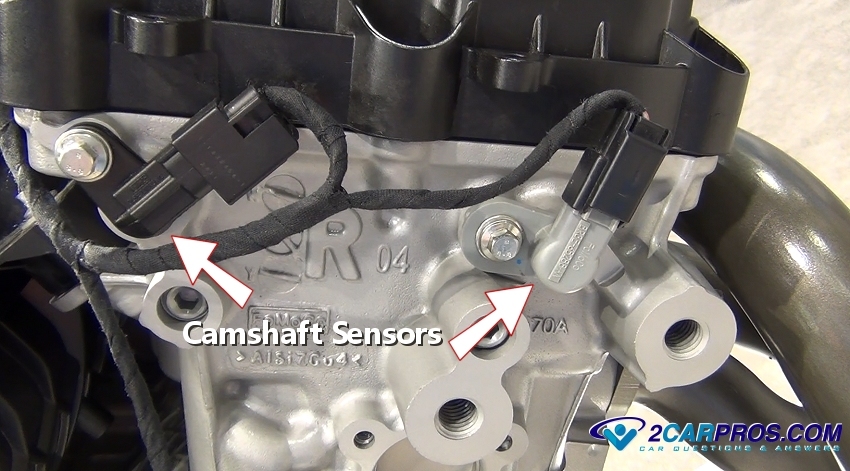
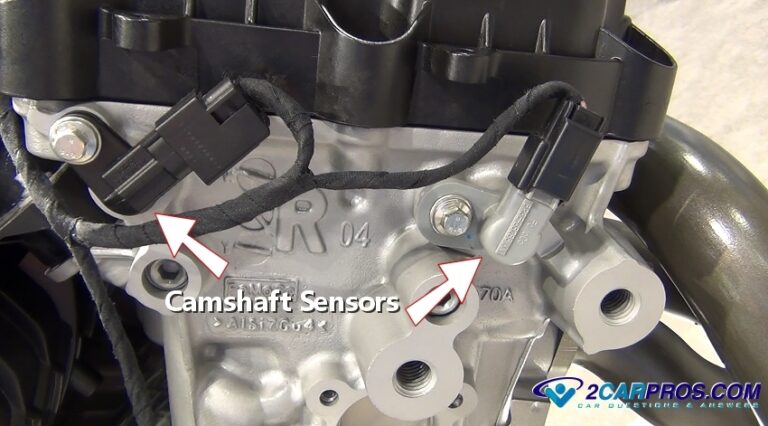
Source: 2carpros.com
Is There a Fuse for Camshaft Position Sensor?
The short answer is sometimes, but not usually as a dedicated component. Most manufacturers power the camshaft position sensor through a shared circuit that may also supply other engine sensors or the engine control module.
When a fuse in that shared circuit blows, the camshaft position sensor may stop communicating properly. This can lead to hard starting, stalling, reduced engine performance, or a check engine light.
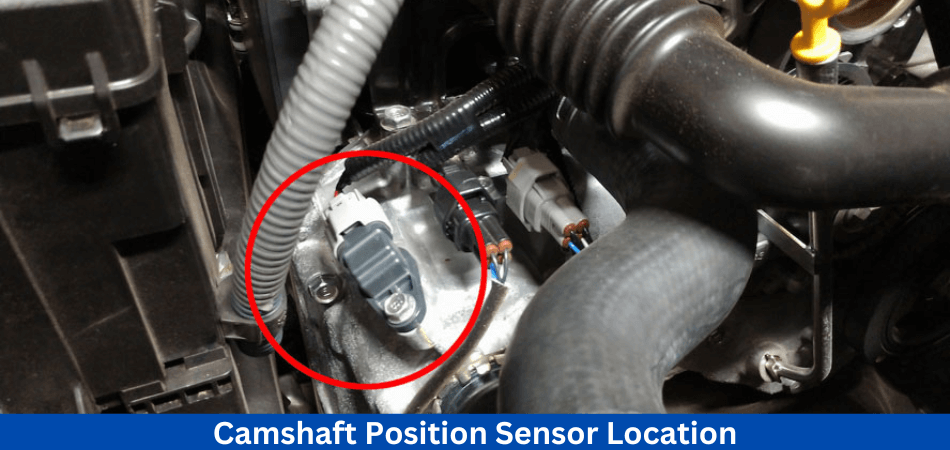
Source: storage.googleapis.com
Dedicated Fuse
Rare on most modern vehicles.
Shared Circuit
Common arrangement used by many manufacturers.
Fuse Location
Usually found in the engine bay or interior fuse box.
Why Manufacturers Use Shared Circuits
Using a shared power supply reduces wiring complexity and helps centralize engine management functions. As a result, a single fuse may protect several sensors at once.
Simpler Design
Fewer components and wiring paths.
What Does the Camshaft Position Sensor Do?
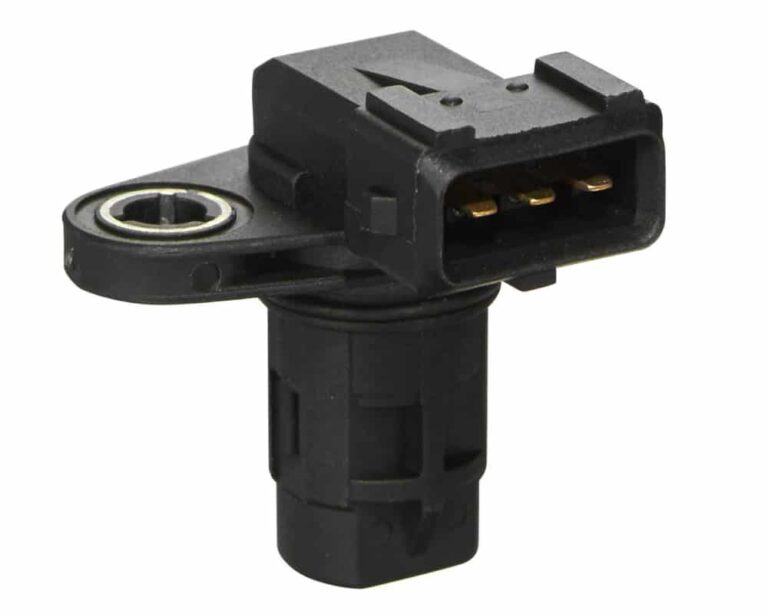
The camshaft position sensor monitors the position and rotational speed of the camshaft. The engine control module uses this information to manage fuel injection timing and ignition events.
Without reliable camshaft position data, the engine may struggle to start, run roughly, or enter a reduced-performance mode.
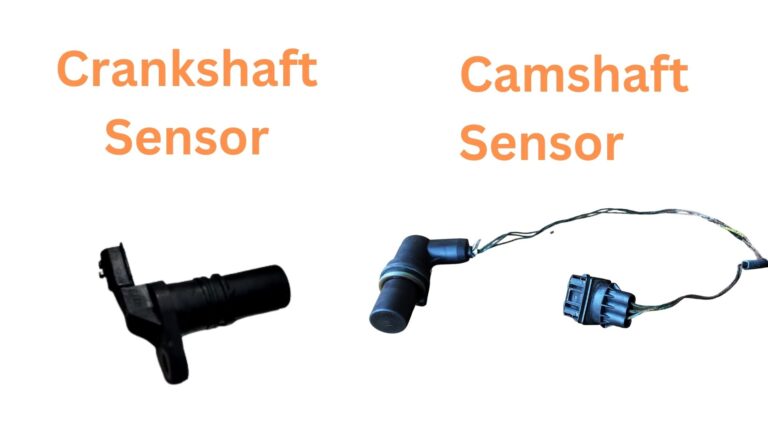
Source: detroitchinatown.org
Fuel Timing
Helps determine when fuel is delivered.
Ignition Timing
Supports accurate spark timing.
Engine Synchronization
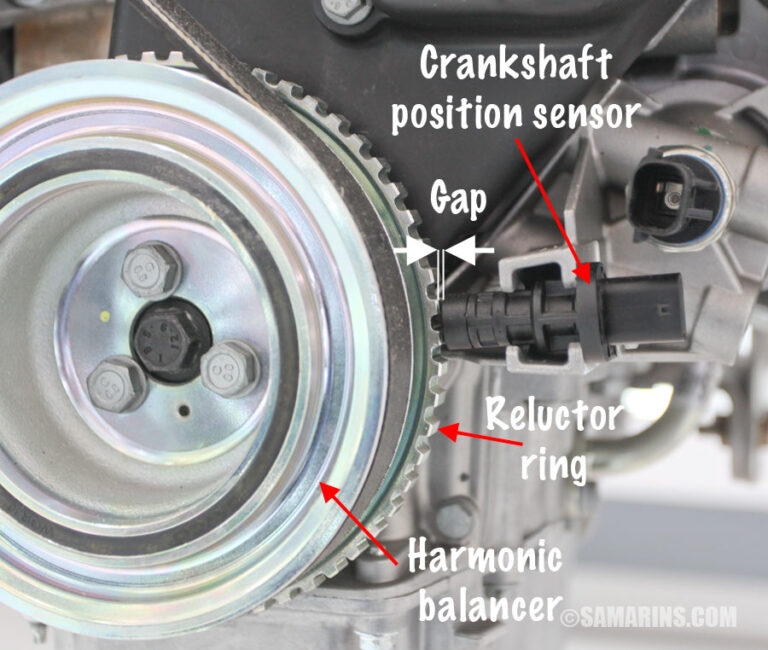
Works with the crankshaft position sensor.
How to Check Whether a Fuse Is Causing the Problem
Start by locating the fuse box diagrams in your owner’s manual. Look for fuses related to the engine control module, powertrain control module, ignition system, or engine sensors.
Inspect the fuse visually and test it with a multimeter if possible. A fuse that appears intact can still fail electrically.
Source: smartvehiclecare.com
Check Fuse Diagram
Identify engine management circuits.
Inspect Fuse
Look for a broken internal element.
Use a Multimeter
Confirm continuity and voltage.
Signs of a Blown Related Fuse
Multiple sensors failing at once, loss of communication codes, or a no-start condition may point to a blown shared fuse rather than a failed camshaft sensor.
Common Causes of Camshaft Position Sensor Fault Codes
A diagnostic code related to the camshaft position sensor does not automatically mean the sensor itself has failed. Electrical faults are common and should be ruled out first.
Damaged wiring, corrosion inside connectors, poor grounding, timing issues, and engine control module faults can all create similar symptoms.
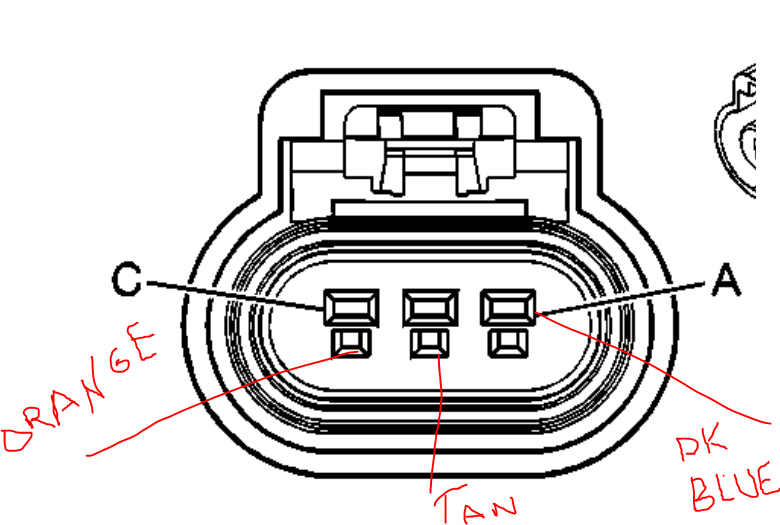
Source: fity.club
Failed Sensor
Internal electronic failure.
Wiring Damage
Broken, shorted, or corroded wires.
Power Supply Issues
Blown fuse or voltage loss.
Diagnostic Decision Table
The table below summarizes common symptoms and possible causes to help narrow down the source of the problem.
Source: troubleshootinglab.com
No Start
Check sensor power, wiring, and related fuses.
Intermittent Stalling
Inspect connectors and sensor signal quality.
Check Engine Light
Read diagnostic codes before replacing parts.
When to Seek Professional Help
If voltage testing, wiring inspection, and fuse checks do not reveal the problem, professional diagnostic equipment may be required to analyze live sensor data and control module operation.
Frequently Asked Questions
Q
Can a blown fuse cause a camshaft position sensor code?
Yes. If the fuse supplies power to the sensor or engine control system, a blown fuse can trigger sensor-related diagnostic codes.
Q
Where is the camshaft position sensor fuse located?
The location varies by vehicle. Check the owner’s manual or fuse box diagram for engine control, ECM, PCM, or sensor-related fuses.
Q
Will replacing the fuse fix the problem?
Only if the fuse was the root cause. If the fuse blows again, there may be a short circuit or another electrical fault that requires diagnosis.
Q
Can a bad camshaft sensor prevent the engine from starting?
Yes. Some engines rely heavily on camshaft position data and may have difficulty starting or may not start at all when the signal is missing.
Q
Should I replace the sensor before checking the fuse?
No. Checking fuses, wiring, and power supply first is usually faster and less expensive than replacing parts without testing.
✦ Wrapping Up
Conclusion
For most vehicles, the answer to the question is there a fuse for camshaft position sensor is that there is often no dedicated fuse. Instead, the sensor usually shares a protected electrical circuit with other engine management components.
Before replacing the sensor, inspect related fuses, verify power and ground connections, check wiring integrity, and scan for diagnostic trouble codes. A systematic approach can save time and prevent unnecessary repairs.
💡 Key Takeaway
Check the fuse diagram, test related engine management fuses, and verify sensor power before replacing the camshaft position sensor.
Ethan Brooks is an automotive writer at Auto News 7, covering car news, vehicle maintenance, new model updates, recalls, and practical buying guides. He focuses on clear, useful information that helps drivers understand their vehicles and make better ownership decisions.
Learn whether camshaft and crankshaft sensors are the same, how they work, their differences, symptoms of failure, and when each sensor needs replacement.
Learn how to diagnose a bad crankshaft position sensor with symptoms, testing methods, scan tool checks, multimeter tests, and practical troubleshooting steps.
Learn when to replace a camshaft position sensor, the warning signs of failure, diagnostic tips, replacement timing, costs, and whether it is safe to keep driving.
Learn how much a camshaft position sensor costs, typical replacement prices in the USA, labor charges, symptoms of failure, and when replacement makes sense.
Learn how to replace camshaft position sensor bank 1 with a clear step-by-step process, required tools, troubleshooting tips, and safety advice for DIY vehicle owners in the USA.