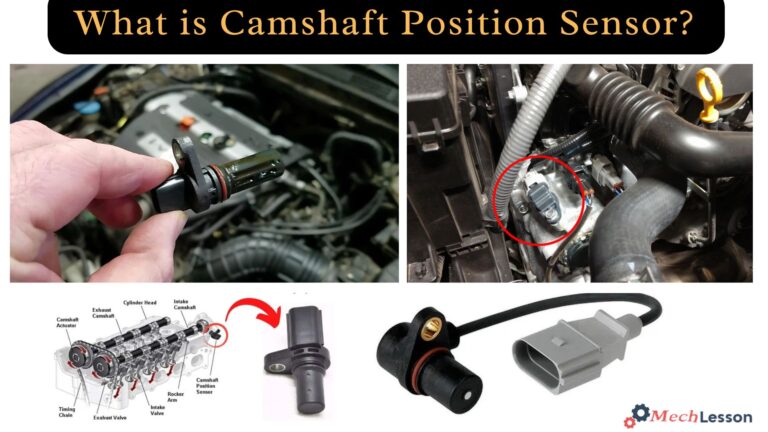
In most vehicles, a camshaft position sensor does not need programming after replacement, but some vehicles may require a relearn procedure.
Across the United States, millions of vehicles use camshaft position sensors to help the engine control module track camshaft timing and fuel injection events. When a sensor fails, many drivers wonder whether replacing it requires dealer-level programming or specialized software.
The short answer is that most camshaft position sensors are plug-and-play components. However, certain vehicle makes and models may require a crankshaft or camshaft relearn procedure after installation. Understanding the difference between programming and relearning can save time, money, and unnecessary repairs.
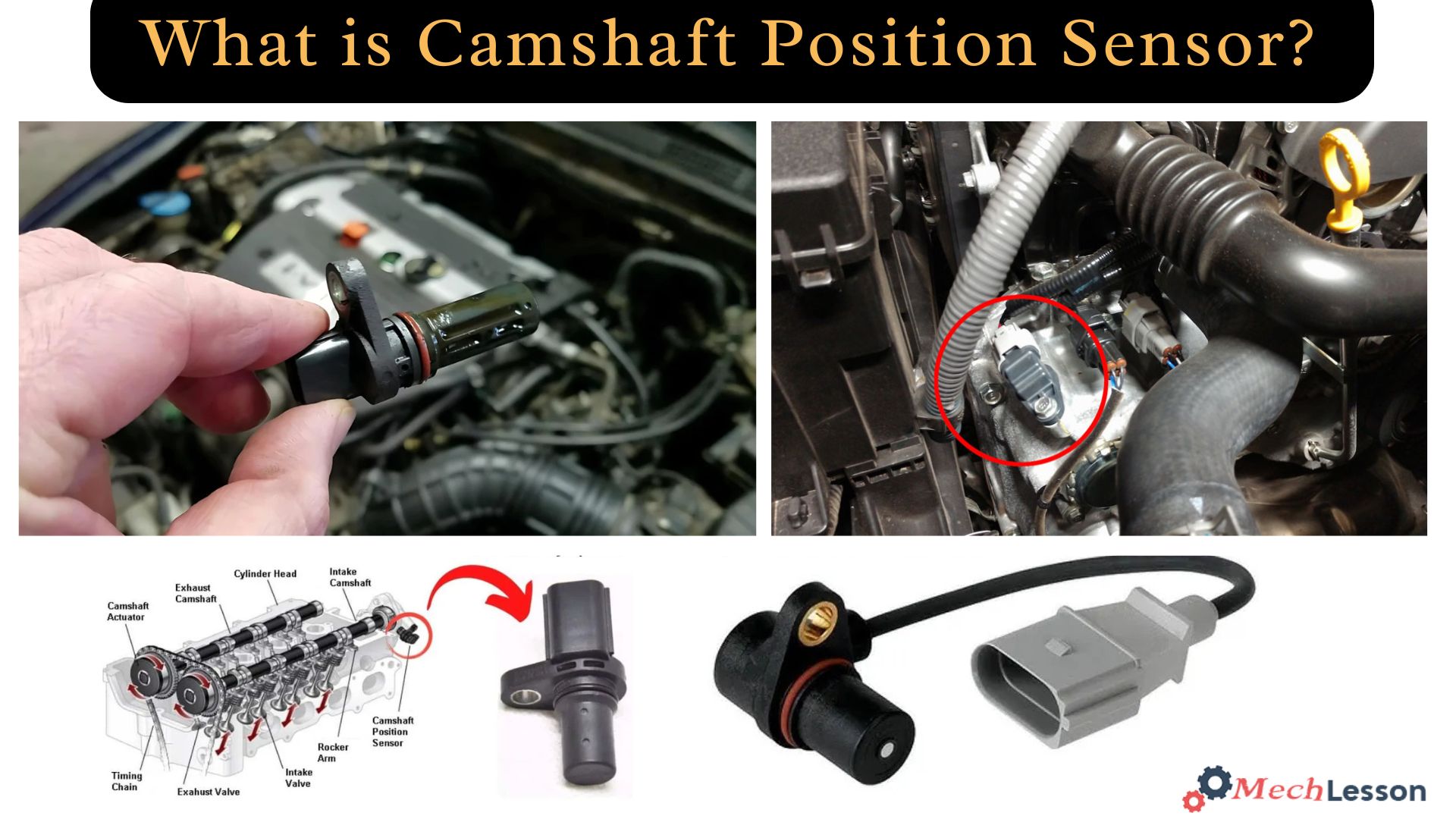
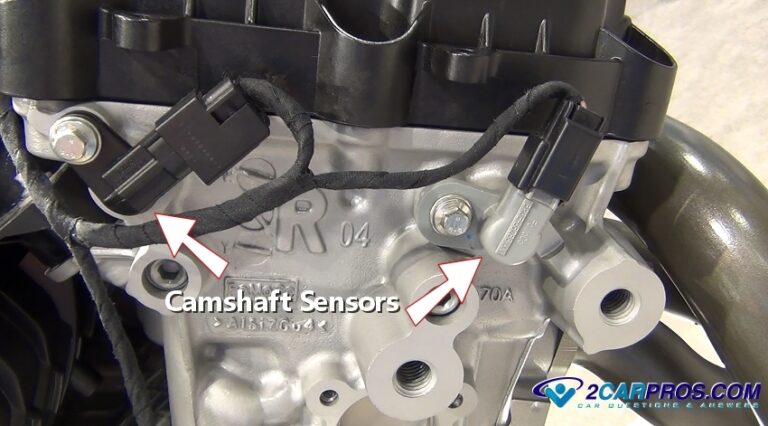
Source: mechlesson.com
Does a Camshaft Sensor Need to Be Programmed?
In most cases, the answer to the question does a camshaft sensor need to be programmed is no. The sensor is typically a direct replacement component that begins sending signals to the engine control module as soon as it is connected.
The engine computer is designed to interpret the sensor signal automatically. Unlike some modules, keys, or advanced electronic components, a standard camshaft position sensor usually contains no programmable data.
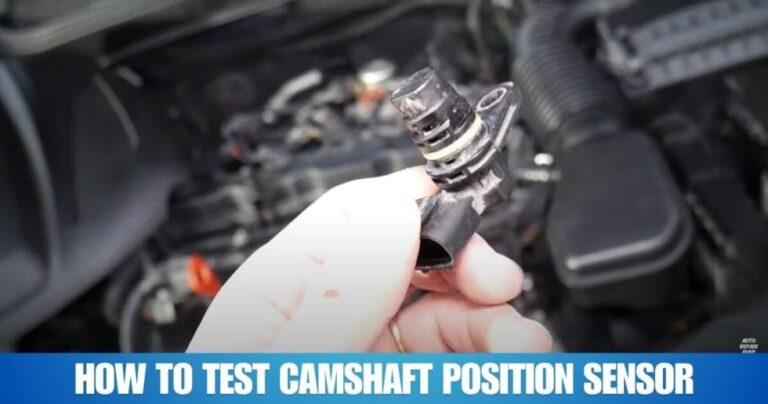
What often causes confusion is that some vehicles require a relearn procedure after sensor replacement. A relearn process is different from programming because it allows the computer to confirm timing relationships between engine components.
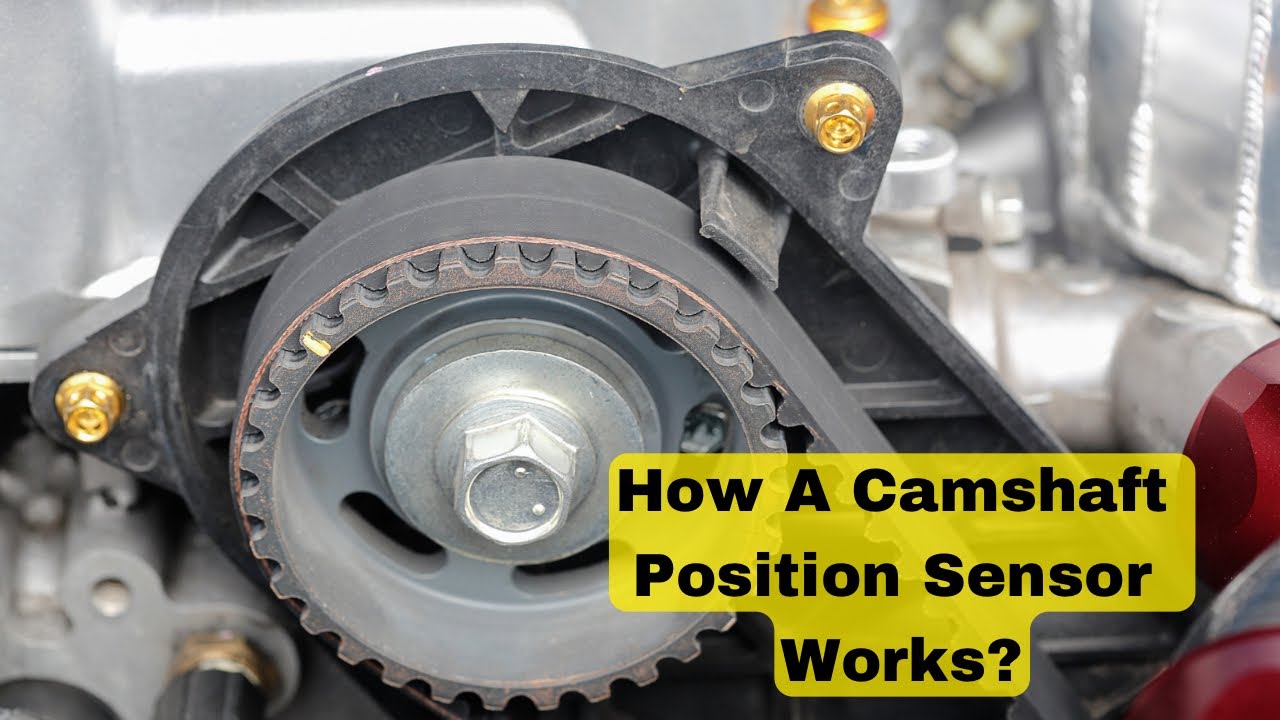
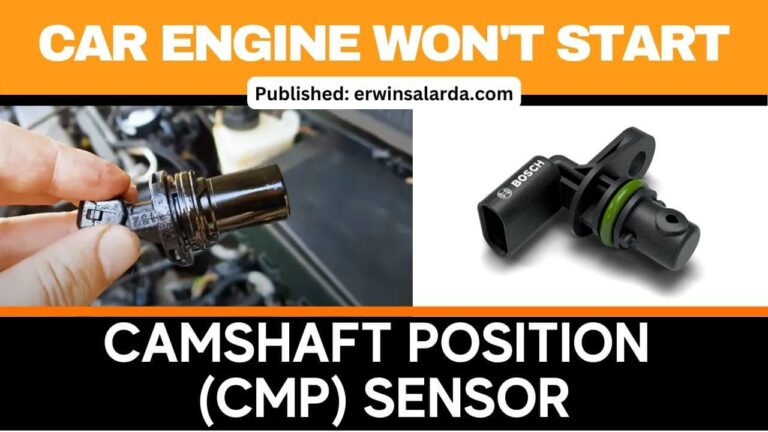
Source: youtube.com
Typical Replacement
Most vehicles recognize a new sensor automatically.
Possible Relearn
Some vehicles require synchronization procedures after installation.
Programming
Actual programming is uncommon for standard camshaft position sensors.
Programming vs Relearning
Programming changes software or stored data inside a module. Relearning allows the engine computer to adapt to a new sensor signal or verify timing relationships. These are separate processes even though they are often confused.
Programming
Updates or installs software data.
Relearning
Synchronizes engine timing information.
What Does a Camshaft Position Sensor Do?
A camshaft position sensor monitors the rotational position of the camshaft and sends that information to the engine control module. The computer uses this data to manage ignition timing, fuel injection timing, and engine performance.
Modern engines rely heavily on accurate camshaft signals. If the signal becomes erratic or disappears completely, the engine may run poorly, stall, or fail to start.
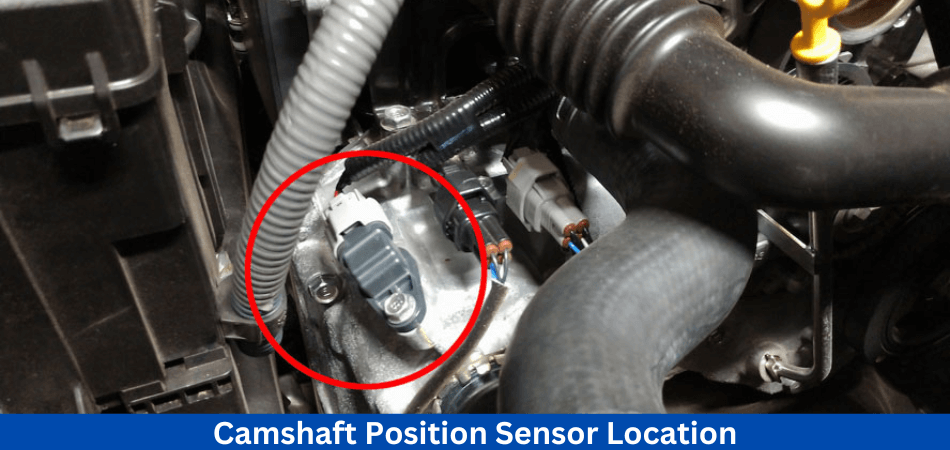
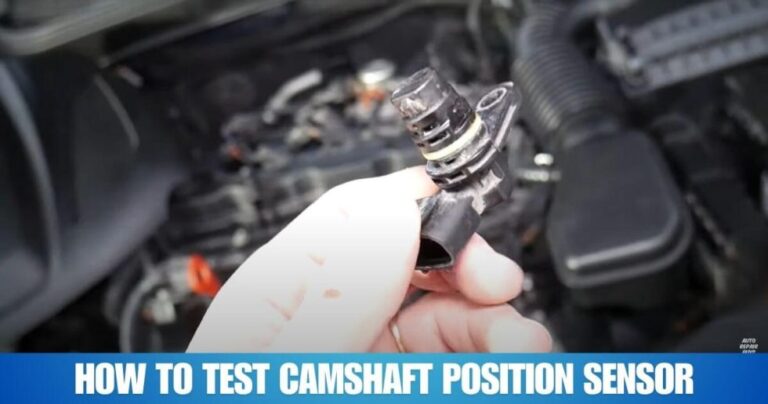
Source: smartvehiclecare.com
Fuel Injection Control
Helps determine when fuel injectors should operate.
Ignition Timing
Assists with spark timing calculations.
Engine Efficiency
Supports smooth operation and emissions control.
Why Sensor Accuracy Matters
Even a small signal problem can trigger diagnostic codes and affect engine performance because the computer depends on precise timing information.
Reliable Timing
Essential for efficient engine operation.
When Is a Relearn Procedure Required?
A relearn procedure may be required when the manufacturer specifies it in the service information. This is more common after engine repairs, timing component replacement, or certain sensor-related repairs.
Some vehicles can perform the relearn automatically after several drive cycles. Others require a professional scan tool to initiate the process.
Source: triscan.dk
After Timing Repairs
Synchronization may need verification.
After Sensor Replacement
Certain vehicles require a relearn procedure.
Using a Scan Tool
Some systems need electronic initialization.
Signs a Relearn May Be Needed
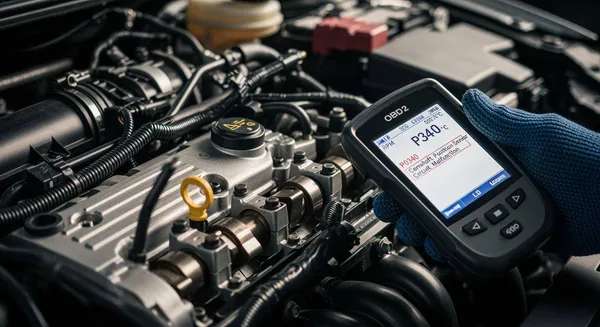
Persistent trouble codes, rough running, or synchronization-related fault codes after sensor replacement may indicate that a relearn procedure is necessary.
Diagnostic Codes
Codes may remain active until relearn is completed.
Common Symptoms of a Faulty Camshaft Sensor
A failing camshaft position sensor can create a wide range of drivability problems. Symptoms vary depending on the vehicle and the severity of the signal failure.
Because other engine issues can create similar symptoms, proper diagnosis is important before replacing parts.
Source: ic-online.com
Check Engine Light
One of the most common warning signs.
Hard Starting
The engine may crank longer than normal.
Poor Performance
Acceleration and fuel economy may suffer.
Stalling
The engine may shut off unexpectedly.
Problems That Mimic a Bad Sensor
Damaged wiring, connector corrosion, timing chain wear, and engine control module faults can sometimes produce symptoms similar to a failed camshaft sensor.
Inspect Wiring
Electrical faults are common causes of sensor-related codes.
Replacement and Troubleshooting Checklist
Before replacing a camshaft sensor, verify the fault code and inspect the wiring harness. Replacing a sensor without diagnosis can lead to unnecessary expense and continued problems.
After installation, clear diagnostic trouble codes and test-drive the vehicle. If symptoms remain, additional diagnosis may be necessary.
Source: carxplorer.com
Scan for Codes
Identify the exact fault before replacing parts.
Inspect Connectors
Check for corrosion, damage, or loose pins.
Clear Codes
Reset stored faults after installation.
Verify Repair
Confirm normal operation during a road test.
Signs of a Successful Repair
A successful repair typically eliminates the warning light, restores normal engine operation, and prevents the return of related fault codes.
Stable Performance
Engine starts and runs normally.
Frequently Asked Questions
Q
Can I replace a camshaft position sensor myself?
Many vehicles allow straightforward replacement with basic tools. Always consult the service information for your specific vehicle before beginning work.
Q
Will disconnecting the battery reset the camshaft sensor?
Disconnecting the battery may clear some stored adaptations on certain vehicles, but it does not program a sensor or guarantee that fault codes will disappear permanently.
Q
How long does it take to replace a camshaft sensor?
Replacement time varies by vehicle. Some sensors are accessible within minutes, while others require removal of surrounding components.
Q
Can a bad camshaft sensor cause a no-start condition?
Yes. Some engines rely heavily on accurate camshaft position data and may not start when the sensor signal is missing or severely corrupted.
Q
Do I need a scan tool after replacing the sensor?
A scan tool is often helpful for clearing fault codes and confirming proper operation. Certain vehicles also require scan-tool-based relearn procedures.
✦ Wrapping Up
Conclusion
For most vehicles, the answer to does a camshaft sensor need to be programmed is no. A replacement sensor typically begins working as soon as it is installed and connected correctly.
However, some manufacturers require a relearn or synchronization procedure after replacement or related engine repairs. Checking the service requirements for your exact vehicle is the best way to avoid unnecessary troubleshooting.
💡 Key Takeaway
Replace the sensor only after proper diagnosis, clear any fault codes, and verify whether your vehicle requires a relearn procedure after installation.
Ethan Brooks is an automotive writer at Auto News 7, covering car news, vehicle maintenance, new model updates, recalls, and practical buying guides. He focuses on clear, useful information that helps drivers understand their vehicles and make better ownership decisions.
Learn how to replace intake camshaft position sensor with a detailed step-by-step guide, tools list, troubleshooting tips, safety advice, and common mistakes to avoid.
Learn how to test a camshaft position sensor on Ford vehicles using a multimeter and scan tool. Follow a clear step-by-step process to diagnose sensor faults, wiring issues, and engine performance problems.
Learn how to test camshaft position sensor wiring with a multimeter. Follow a safe step-by-step process to check power, ground, signal circuits, and common wiring faults.
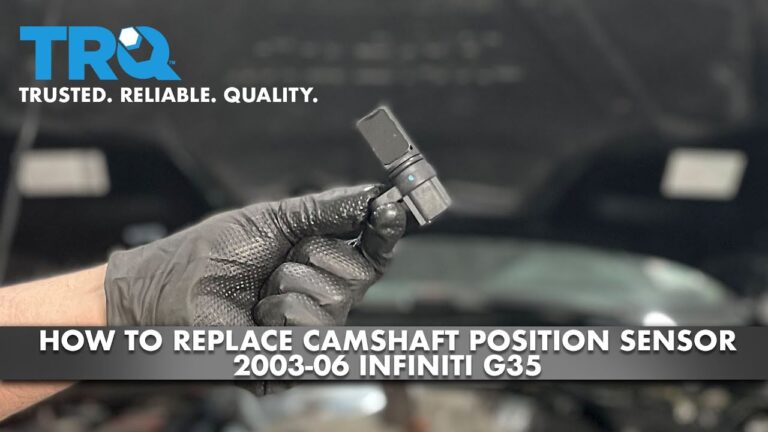
Learn how to replace camshaft sensor Infiniti G35 models with this detailed DIY guide. Find symptoms, tools, sensor locations, replacement steps, troubleshooting tips, and common mistakes.