To replace the camshaft position sensor on a PT Cruiser, disconnect the battery, locate the sensor, unplug the connector, remove the retaining bolt, install the new sensor, and verify proper engine operation.
Many Chrysler PT Cruiser owners in the United States encounter camshaft position sensor problems as their vehicles age. A failing sensor can cause hard starting, engine misfires, rough idle, poor acceleration, or a check engine light. Fortunately, replacing the sensor is often a manageable DIY repair that requires basic hand tools.
Understanding how to replace camshaft position sensor PT Cruiser models correctly can save time and repair costs. The key is locating the sensor accurately, installing the replacement carefully, and checking for related wiring issues that may produce similar symptoms.
Source: youtube.com
What Does the Camshaft Position Sensor Do?
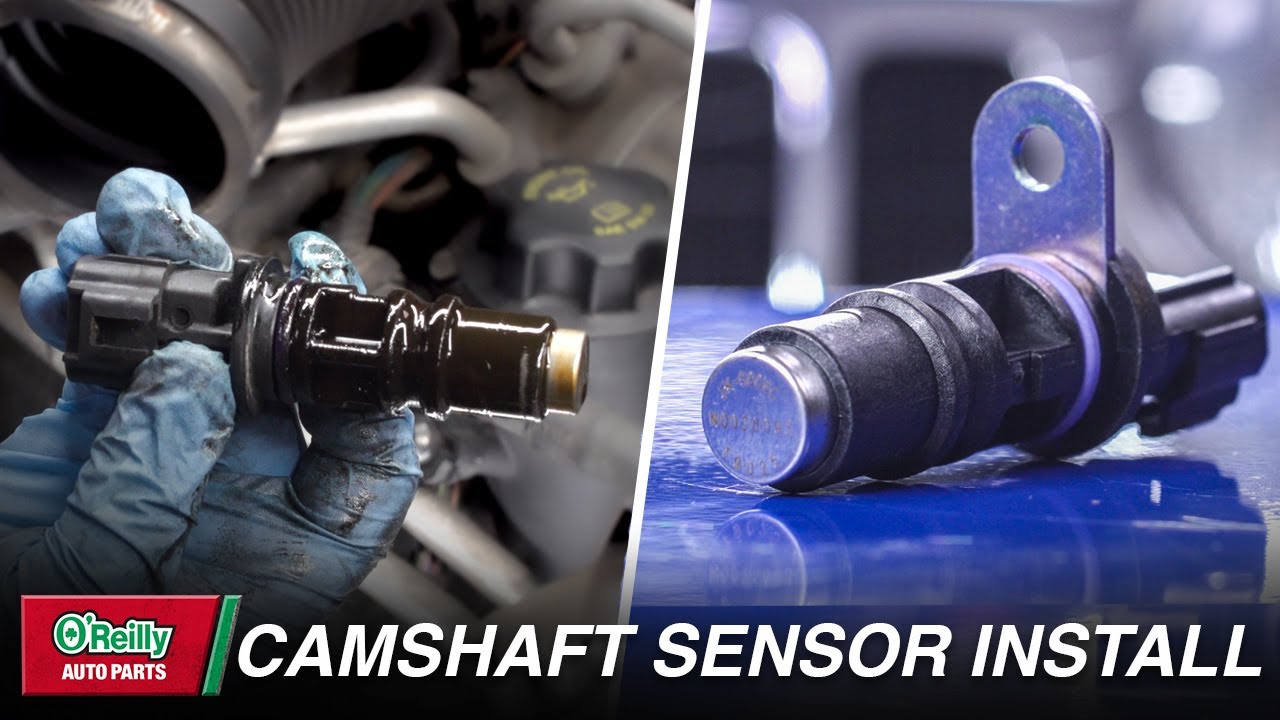
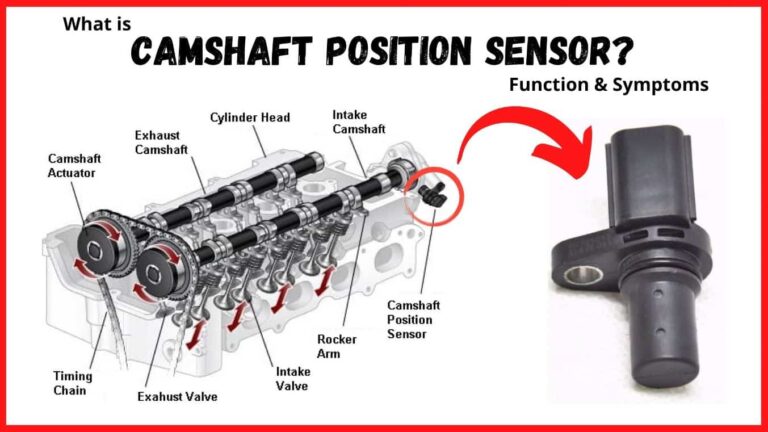
The camshaft position sensor monitors the position and rotational speed of the camshaft. The engine control module uses this information to manage ignition timing and fuel injection events.
When the sensor fails or sends inaccurate signals, the engine computer may struggle to synchronize fuel delivery and spark timing. This can lead to drivability issues and fault codes.
Source: youtube.com
Engine Timing Input
Provides critical timing information to the engine control module.
Fuel Injection Control
Helps determine when fuel injectors should operate.
Ignition Coordination
Supports proper spark timing for efficient combustion.
Common Symptoms of a Bad Sensor
Common signs include an illuminated check engine light, rough idle, stalling, hesitation during acceleration, reduced fuel economy, and hard starting conditions.
Check Engine Light
Diagnostic trouble codes related to camshaft timing may appear.
Tools and Parts Needed Before You Start
Gathering the correct tools before beginning makes the repair faster and reduces the chance of damaging connectors or fasteners.
Always purchase a sensor that matches your PT Cruiser’s model year and engine configuration.
Source: storage.googleapis.com
Replacement Sensor
Use a quality replacement designed for your engine.
Socket Set
Needed for removing the retaining bolt and related components.
Safety Equipment
Wear gloves and eye protection while working in the engine bay.
Preparation Checklist
Park on a level surface, allow the engine to cool, set the parking brake, and disconnect the negative battery cable before working near electrical components.
Battery Disconnect
Prevents accidental electrical shorts.
How to Replace Camshaft Position Sensor PT Cruiser Step by Step
The exact sensor location varies slightly by engine, but the overall replacement process is similar across most PT Cruiser models.
Work carefully around wiring connectors and avoid pulling on the wires themselves.
Source: youtube.com
Step 1
Disconnect the negative battery terminal.
Step 2
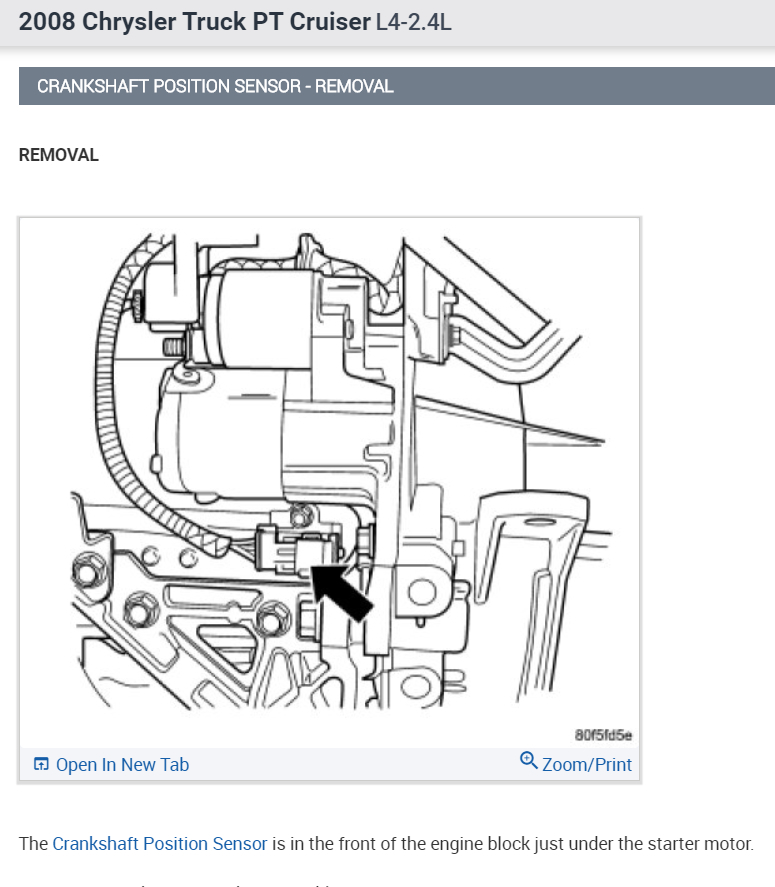
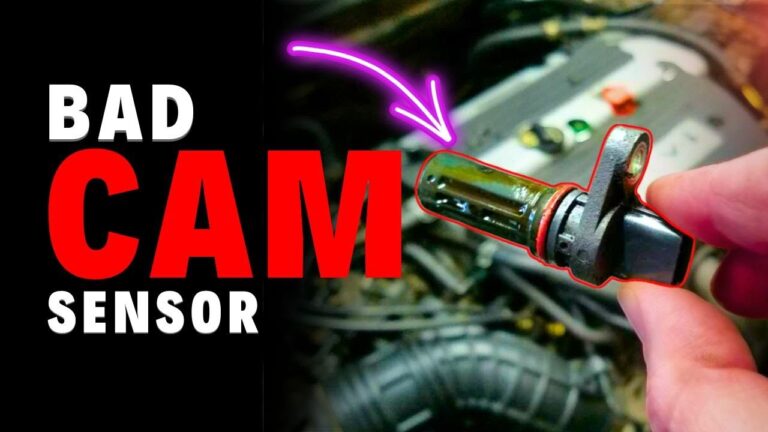
Locate the camshaft position sensor near the cylinder head or timing area.
Step 3
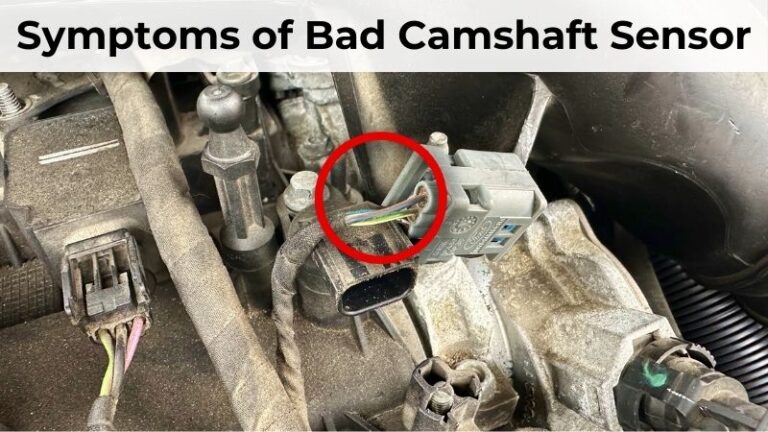
Press the connector tab and unplug the electrical connector.
Step 4
Remove the retaining bolt using the appropriate socket.
Step 5
Pull the old sensor straight out.
Step 6
Install the new sensor and secure it with the retaining bolt.
Step 7
Reconnect the wiring harness and battery cable.
Signs of a Successful Installation
The engine should start normally, idle smoothly, and operate without new warning lights. Any stored codes should be cleared and monitored after a test drive.
Smooth Operation
No hesitation, stalling, or unusual idle behavior.
Troubleshooting When the New Sensor Does Not Fix the Problem
A new sensor does not always solve the issue. Wiring damage, poor connections, timing problems, or crankshaft position sensor faults can produce similar symptoms.
Use a scan tool to review active trouble codes and confirm the original diagnosis.
Source: youtube.com
Inspect Wiring
Look for corrosion, broken insulation, or loose terminals.
Check Related Sensors
Crankshaft sensor issues may mimic camshaft sensor failures.
Verify Timing Components
Timing belt or timing chain issues can affect sensor readings.
Common Diagnostic Codes
Codes related to camshaft timing, sensor circuit performance, or synchronization errors often point technicians toward further inspection of the timing and ignition systems.
Code Review
Always verify the exact code before replacing parts.
Common Mistakes and Safety Tips
Many replacement problems result from connector damage, incorrect sensor installation, or skipping diagnostic steps. Taking a few extra minutes to inspect the area can prevent repeat repairs.
Always follow torque specifications when available and avoid overtightening mounting hardware.
Source: youtube.com
Do Not Force Connectors
Plastic locking tabs can break easily.
Confirm Part Compatibility
Verify the replacement sensor matches the vehicle.
Check for Oil Contamination
Excess oil around connectors may indicate another issue.
When to Seek Professional Help
If fault codes return after replacement or the engine continues to run poorly, professional diagnostic testing may be necessary to identify wiring, timing, or computer-related issues.
Persistent Problems
Repeated codes often require deeper diagnostics.
Frequently Asked Questions
Q
Where is the camshaft position sensor located on a PT Cruiser?
The location varies by engine, but it is commonly mounted near the cylinder head or timing assembly. Consult a repair manual for your specific model year.
Q
Can I drive with a bad camshaft position sensor?
The vehicle may still run, but performance issues, stalling, or starting problems can occur. Driving for extended periods with a faulty sensor is not recommended.
Q
How long does it take to replace the sensor?
Most DIY mechanics can complete the replacement in about 30 to 90 minutes depending on engine access and experience level.
Q
Do I need to reset the check engine light after replacement?
Clearing stored trouble codes with a scan tool is recommended. Some vehicles may eventually clear codes automatically after successful operation.
Q
What causes camshaft position sensors to fail?
Heat, vibration, age, electrical problems, oil contamination, and internal component wear are common causes of sensor failure.
✦ Wrapping Up
Conclusion
Learning how to replace camshaft position sensor PT Cruiser models is a practical repair that many vehicle owners can perform with basic tools. Careful diagnosis, proper installation, and post-repair testing are essential for reliable results.
If symptoms continue after replacement, inspect wiring, related sensors, and timing components before replacing additional parts.
💡 Key Takeaway
Replace the sensor carefully, verify all electrical connections, clear diagnostic codes, and complete a test drive to confirm the repair was successful.
Ethan Brooks is an automotive writer at Auto News 7, covering car news, vehicle maintenance, new model updates, recalls, and practical buying guides. He focuses on clear, useful information that helps drivers understand their vehicles and make better ownership decisions.
Learn how to replace camshaft sensor Infiniti G35 models with this detailed DIY guide. Find symptoms, tools, sensor locations, replacement steps, troubleshooting tips, and common mistakes.
Learn how to test camshaft position sensor wiring with a multimeter. Follow a safe step-by-step process to check power, ground, signal circuits, and common wiring faults.
Learn how to replace camshaft position sensor Ford F150 models with this step-by-step guide. Discover symptoms, tools needed, replacement steps, troubleshooting tips, and common mistakes.