Do not permanently bypass an oil pressure sensor because doing so can hide dangerous low oil pressure and lead to engine damage.
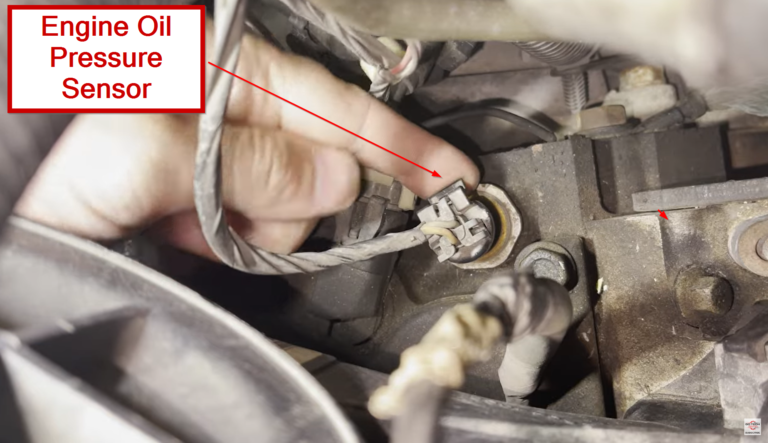
For drivers in the United States, an oil pressure sensor or switch is part of the engine warning system. Depending on the vehicle, it can send an oil pressure signal to the instrument cluster, powertrain control module, or another control system. Ford documentation, for example, describes the oil pressure switch or sensor as a component that communicates with the engine computer and can trigger the oil warning light when pressure is low.
If the goal is to get a vehicle running because of a suspected bad sensor, the safer approach is to diagnose the circuit and verify actual oil pressure rather than defeat the warning system. A mechanical oil pressure gauge can help distinguish a faulty sensor from genuinely low engine oil pressure. A low-pressure condition requires attention before continued driving.
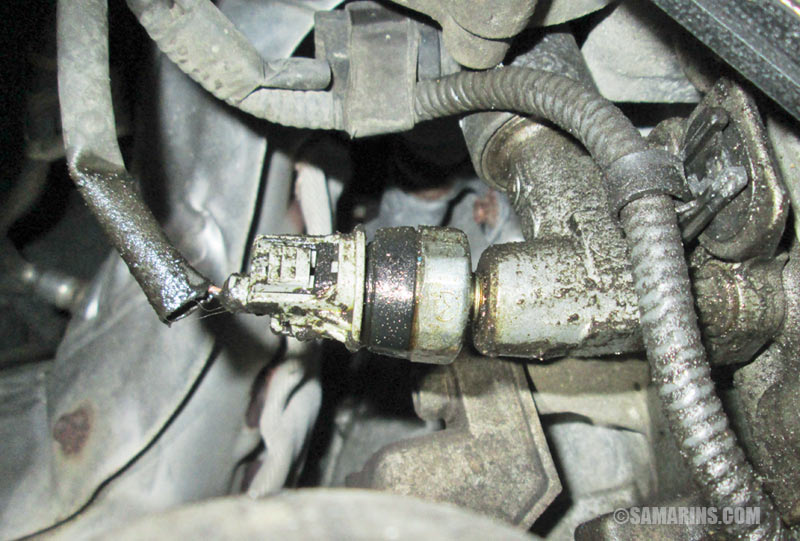
Source: samarins.com
What Does It Mean to Bypass an Oil Pressure Sensor?
The phrase bypass an oil pressure sensor can mean several different things. Some people mean disconnecting the sensor, electrically substituting a signal, or temporarily altering the circuit so a vehicle can start or operate. These approaches are vehicle-specific and can have very different consequences.
An oil pressure sensor does not create oil pressure. It reports information about the lubrication system. On some vehicles it functions as a simple pressure switch, while other vehicles use a sensor that measures pressure and sends an electrical signal. The correct circuit behavior therefore depends on the exact vehicle, engine, sensor type, and factory wiring.
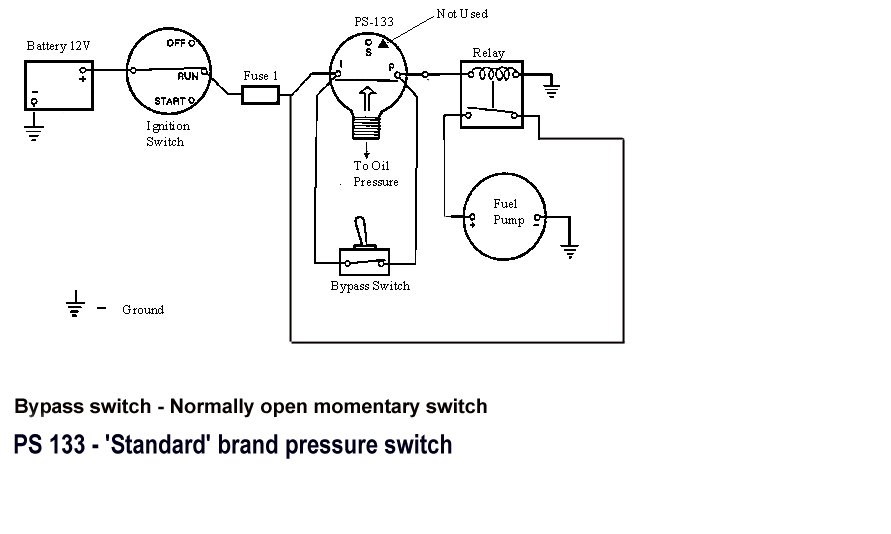
Because a bypass can suppress a warning or produce a false signal, this article does not provide jumper-wire instructions for defeating the factory protection circuit. The safer objective is to identify whether the sensor, wiring, or engine lubrication system is actually at fault.
Source: www.youtube.com > Course Solutions
Sensor or switch
The component detects or switches according to engine oil pressure and sends information through the vehicle’s electrical system.
Warning system
The vehicle uses the sensor signal to operate an oil warning light, gauge, computer input, or related function.
Actual oil pressure
The sensor signal is not a substitute for measuring the real pressure produced by the engine lubrication system.
Why a Bypass Can Be Dangerous
A bypass may make a warning light disappear without correcting the underlying problem. If the engine really has low oil pressure, the driver could lose an important warning and continue operating the engine while internal components are inadequately lubricated.
Low oil pressure can result from conditions such as low oil level, an oil pump problem, restricted oil flow, excessive internal engine clearance, or another lubrication-system fault. A failed sensor is only one possible cause.
False reassurance
A modified circuit can make the dashboard appear normal even when the engine has a real oil pressure problem.
Electrical faults
Incorrect wiring changes can create additional diagnostic problems or damage components if the circuit is altered incorrectly.
Engine damage
Continuing to operate an engine with genuinely low oil pressure can cause severe internal damage.
Can You Temporarily Bypass an Oil Pressure Sensor?
A temporary electrical test may be possible on some vehicles, but the exact procedure depends on the factory circuit. Because a generic bypass can defeat the warning system or create a false signal, there is no safe universal wire-to-wire method that applies to all cars and trucks.
If a vehicle-specific service manual calls for a circuit test, follow that procedure exactly. The manual may specify connector terminals, expected electrical values, scan-tool data, or a controlled test condition. Do not assume that two wires should be connected simply because they are located at an oil pressure switch.
For a practical diagnosis, verify oil pressure mechanically and then test the sensor circuit. This approach answers the important question without leaving the vehicle dependent on a bypass.
Source: benchmarkinstitute.org
Use the factory wiring diagram
Identify the sensor type, connector terminals, circuit function, and expected signal before performing an electrical test.
Verify actual oil pressure
Use a suitable mechanical pressure gauge and the vehicle manufacturer’s pressure specifications.
Treat a bypass as diagnostic only
Any vehicle-specific temporary test should never become a permanent substitute for a functioning oil pressure warning system.
When a Temporary Test Is Different From a Permanent Bypass
A controlled diagnostic test is performed to determine whether a circuit or component is responding as expected. A permanent bypass is intended to remove the original function. Those are not equivalent repairs.
If a diagnostic procedure temporarily changes a circuit, restore the original wiring immediately after the test and repair the confirmed fault. The final repair should preserve the vehicle’s intended oil pressure monitoring function.
Diagnostic test
Used briefly to isolate a known circuit fault under controlled conditions.
Permanent bypass
Leaves the original monitoring function defeated or altered and is therefore not a recommended repair.
How to Diagnose an Oil Pressure Sensor Instead of Bypassing It
The best alternative to bypassing an oil pressure sensor is a structured diagnosis. Start with the simplest checks and move toward pressure measurement and circuit testing. This prevents a bad sensor from being blamed for a problem that actually comes from the engine lubrication system.
A basic diagnostic sequence begins with the engine oil level and condition. If the oil level is low, correct the problem according to the vehicle manufacturer’s specifications before running further tests. If the oil level is correct but the warning remains, continue with sensor and pressure testing.
Actual oil pressure can be measured with a mechanical gauge connected using the correct adapter for the engine. Compare the measurement with the manufacturer’s specifications for the applicable engine, temperature, and engine speed.
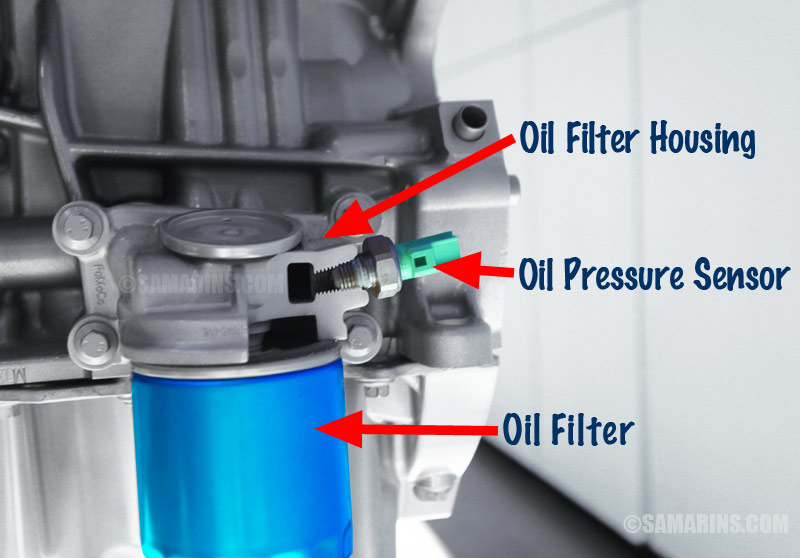
Source: samarins.com
Check the oil level
Park the vehicle as specified by the owner’s manual and verify that the oil level is within the approved range.
Inspect for leaks
Look around the oil pressure sensor, its mounting area, filter area, and other accessible lubrication-system components for signs of oil leakage.
Inspect the connector
Look for damaged terminals, corrosion, loose connections, oil contamination, or damaged insulation.
Measure actual pressure
Use a suitable mechanical oil pressure gauge and compare the result with the exact engine specification.
Test the sensor circuit
Use the vehicle-specific service information to verify power, ground, signal behavior, continuity, and other required electrical values.
What the Test Results Can Tell You
If measured oil pressure is within specification but the vehicle reports an implausible oil pressure signal, the sensor or its wiring becomes a stronger suspect. The exact electrical test still depends on the sensor design.
If measured oil pressure is below specification, replacing or bypassing the sensor does not solve the underlying problem. The lubrication system needs further diagnosis before normal operation continues.
If the sensor is leaking from its body, replacement may be necessary. If oil is leaking around its threaded mounting area, the correct repair depends on the vehicle’s specified sealing method.
Normal pressure, faulty signal
Investigate the sensor, connector, wiring, and control-system interpretation.
Low measured pressure
Investigate the lubrication system and do not rely on a sensor bypass.
Oil leak at sensor
Determine whether the sensor itself or its mounting interface is leaking and repair it correctly.
How to Tell if the Sensor Is Bad
A faulty oil pressure sensor can produce symptoms that resemble a real lubrication problem. Common signs can include an oil pressure warning that appears despite adequate oil pressure, an implausible pressure reading, an oil leak from the sensor, or an engine diagnostic trouble code related to the oil pressure sensor circuit.
A diagnostic code should not automatically be treated as proof that the sensor itself has failed. Circuit faults can produce similar codes, and some codes specifically indicate that the engine may have genuinely low oil pressure.
For example, the P0520 family relates to the engine oil pressure sensor or switch circuit, while P0524 indicates engine oil pressure that is too low. The exact diagnostic process remains vehicle-specific.
Source: www.youtube.com > TRQ
Warning light behavior
An abnormal warning light can indicate a sensor problem, a wiring fault, or an actual oil pressure problem.
Diagnostic trouble code
Use the code as a diagnostic clue rather than automatically assuming the sensor needs replacement.
Measured pressure
A mechanical pressure measurement helps separate a reporting problem from a real lubrication-system problem.
What to Do When the Oil Pressure Warning Light Stays On
If the oil pressure warning remains illuminated while the engine is running, do not assume that bypassing the sensor is the solution. Stop the engine when it is safe to do so and check the oil level according to the owner’s manual.
If the oil level is correct and the warning persists, the vehicle should be diagnosed before normal driving continues. A manufacturer owner’s manual can provide model-specific instructions, while a qualified technician can measure actual oil pressure and test the sensor circuit.
The reason for caution is simple: a warning signal can be caused by a failed sensor, but it can also indicate insufficient pressure in the engine lubrication system. Disabling the signal does not correct that mechanical condition.
Source: sellaband.com
Stop and assess
Do not continue normal driving simply because the engine still runs.
Check the oil
Verify the oil level and look for obvious signs of an oil leak.
Verify pressure
If the warning persists, have actual oil pressure measured using the correct procedure.
Common Mistakes When Trying to Bypass an Oil Pressure Sensor
The most serious mistake is treating the oil pressure warning as an inconvenience instead of a diagnostic signal. A bypass can hide the symptom while the engine continues operating with inadequate lubrication.
Another common mistake is using a generic wiring diagram or an online jumper-wire method without confirming the vehicle’s exact engine and electrical system. Oil pressure switches and sensors do not all use the same circuit design.
Replacing the sensor without measuring actual oil pressure can also lead to unnecessary parts replacement. A proper diagnosis should determine whether the problem is mechanical, electrical, or caused by the sensor itself.
Source: ebay.com
Do not assume every sensor uses the same circuit
Sensor designs, connector layouts, signal types, and control strategies vary by vehicle.
Do not ignore low oil pressure
A warning caused by genuinely low pressure requires lubrication-system diagnosis rather than an electrical workaround.
Do not leave a bypass installed
A permanent modification can prevent the original warning system from performing its intended function.
A permanent bypass is not a safe repair because it can disable or distort an important engine warning function. It may hide a genuine low-pressure condition instead of fixing it.
If a vehicle-specific service procedure requires a temporary circuit test, follow the manufacturer’s instructions and restore the original circuit after diagnosis.
Q
Can I drive with an oil pressure sensor unplugged?
Driving with an unplugged sensor can prevent the vehicle from receiving the expected oil pressure signal, and the effects depend on the vehicle’s design. It should not be treated as a normal operating condition.
If the sensor is disconnected because of a fault, diagnose and repair the problem before relying on the vehicle for normal driving.
Q
How can I test an oil pressure sensor without bypassing it?
Start by checking the oil level and inspecting the connector and wiring. Then measure actual engine oil pressure with a suitable mechanical gauge and compare the result with the manufacturer’s specification.
If actual pressure is normal, use the vehicle-specific electrical test procedure to determine whether the sensor or circuit is faulty.
Q
Can a bad oil pressure sensor cause a warning light?
Yes. A failed or inaccurate sensor can cause an oil pressure warning or an engine diagnostic code even when actual oil pressure is normal.
However, the same warning can indicate genuinely low oil pressure, so measuring actual pressure is important before assuming the sensor is defective.
Q
What should I do if the oil pressure light stays on after replacing the sensor?
Do not assume another sensor will solve the problem. Check the oil level, inspect the wiring and connector, and measure actual oil pressure using the correct procedure.
If measured pressure is low, the engine lubrication system needs further diagnosis. If pressure is normal, continue with vehicle-specific electrical and sensor testing.
Q
Can I use a resistor to bypass an oil pressure sensor?
A generic resistor is not a safe universal substitute because oil pressure circuits differ between vehicles and sensor types. A fabricated signal can also make the monitoring system report a condition that does not match actual engine pressure.
Use the manufacturer’s diagnostic procedure instead of installing an improvised component intended to defeat the warning system.
✦ Wrapping Up
Conclusion
If you are searching for how to bypass an oil pressure sensor, the safest answer is to diagnose the fault rather than permanently defeat the sensor. An oil pressure warning can result from a failed sensor or wiring problem, but it can also signal a serious lubrication-system problem.
Check the oil level first, inspect the sensor and wiring, and verify actual oil pressure with the appropriate gauge and vehicle specifications. If the measured pressure is low or the electrical diagnosis is unclear, stop normal operation and have the vehicle evaluated by a qualified technician.
💡 Key Takeaway
Do not install a permanent oil pressure sensor bypass; verify actual oil pressure and repair the confirmed sensor, wiring, or lubrication-system fault instead.
Ethan Brooks is an automotive writer at Auto News 7, covering car news, vehicle maintenance, new model updates, recalls, and practical buying guides. He focuses on clear, useful information that helps drivers understand their vehicles and make better ownership decisions.
Learn when to replace a crankshaft position sensor, how to recognize failure symptoms, diagnose the problem, and avoid replacing a good sensor unnecessarily.
Learn whether a knock sensor affects performance, how it works, signs of failure, and what happens to engine power, fuel economy, and drivability when a knock sensor goes bad.
Learn how long knock sensors last, what affects their lifespan, common failure symptoms, and when replacement is necessary to protect engine performance.